
You can successfully restore your furniture by cleaning the metal or wood, sanding away loose paint or rust, and applying a fresh, weather-resistant finish, which is how to repair outdoor patio chairs for long-term use. The most common cause of damage is constant exposure to moisture and UV rays, which breaks down protective coatings over time. If you see deep rot in wood or structural cracks in metal, stop work and consult a professional welder or carpenter to ensure the piece is safe to sit on.
Assess the damage before you repair patio chairs
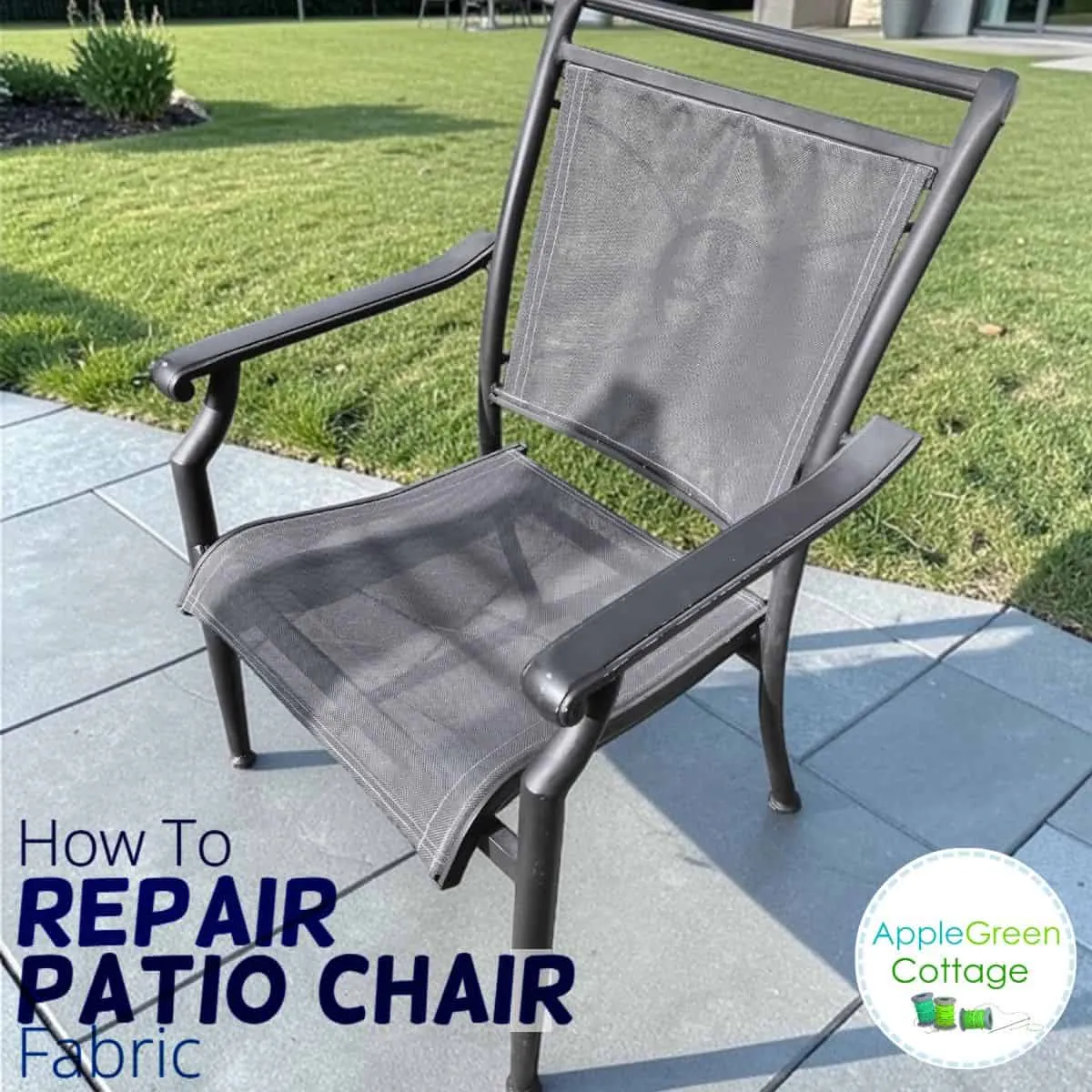
Furniture kept outside faces extreme conditions that lead to structural and cosmetic decay. Metal frames often suffer from oxidation, commonly known as rust, which occurs when the protective powder coating or paint chips away and exposes the raw metal to oxygen and water. Wood, on the other hand, absorbs moisture, leading to swelling, warping, and eventually fungal growth or rot.
Another frequent problem is the degradation of fasteners. Screws, bolts, and rivets often loosen due to the expansion and contraction of materials during temperature changes. These metal parts also corrode faster than the chair frame itself because they collect water in the threads. If your furniture uses plastic components, these may become brittle from prolonged sun exposure, causing them to snap under weight.
You should inspect your chairs at the start of every season. If you find deep pitting on metal or soft, crumbling patches on wood, the integrity of the piece is compromised. If you’re unsure about the strength of a frame, don’t attempt a DIY fix, as it may collapse during use.
Remove rust and apply protective paint
This method works best for steel or iron chairs that have surface rust but remain structurally sound. You’ll need a wire brush, medium-grit sandpaper, and a rust-inhibiting outdoor metal paint. If the rust is only on the surface, this process will stop it from spreading. If the metal is thin or crumbling, this fix isn’t for you, as the frame is likely too weak to support weight safely.
Start by scrubbing the rusted areas with your wire brush to remove flakes. Follow this by sanding the entire frame to create a smooth surface for the new paint. Wipe the chair clean with a damp cloth and let it dry completely. Apply a thin layer of primer specifically designed to prevent rust, followed by two coats of exterior-grade enamel spray paint.
Wait at least 24 hours between coats for the best results. If you live in a humid climate, allow an extra day for the paint to cure before sitting on the chair. You can tell the job is finished when the paint feels hard and no longer tacky to the touch. Always wear a mask and eye protection when sanding, as old paint can contain lead or other harmful materials.
Refinish and seal weathered wood frames
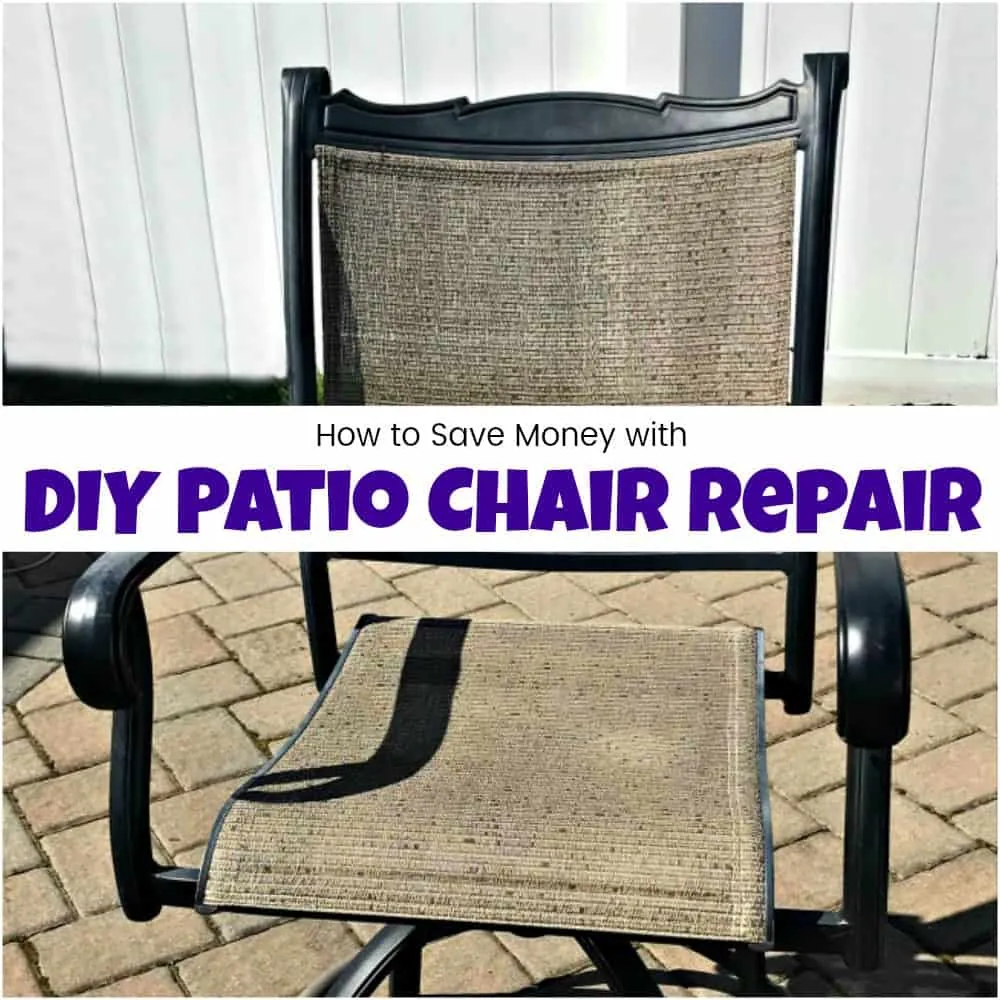
Wood chairs require a different approach because they’re porous and need to breathe while staying protected from water. This fix is ideal for teak, cedar, or eucalyptus chairs that have turned grey but remain firm to the touch. If the wood feels spongy or has deep cracks that go all the way through a board, it’s likely rotting and should be replaced rather than repaired.
Use 120-grit sandpaper to remove the top layer of grey, weathered wood until you see fresh, clean grain underneath. Clean the dust off the chair using a vacuum or a dry rag; don’t use water, as this will raise the grain and require more sanding. Apply a high-quality exterior wood sealer or oil using a natural bristle brush, following the direction of the wood grain.
Wipe away any excess oil after 15 minutes to prevent sticky spots from forming. Let the chair dry in a shaded, well-ventilated area for 48 hours before use. This process should be repeated once a year to keep the wood supple. If you’re working with pressure-treated lumber, ensure you check the local disposal rules before sanding, as the dust from treated wood can be toxic if inhaled.
Replace damaged hardware and fasteners
Loose or missing bolts are the most common cause of wobbly chairs. This fix is for anyone who has chairs held together by screws, bolts, or nuts that have rusted or fallen out. If the holes in the wood or metal have become too large for standard fasteners, you’ll need to fill the gap with a wood plug or use a larger bolt, which requires drilling.
Start by removing all existing hardware from the chair. Take one bolt to a local hardware store to match the exact size and thread count. It’s best to buy stainless steel or galvanized replacements, as these resist rust much better than standard steel. If the original bolts are stuck, spray them with a penetrating lubricant and let them sit for 30 minutes before trying to turn them again.
When putting the chair back together, add a small amount of thread-locking fluid to the bolts to prevent them from vibrating loose again. Tighten the bolts firmly, but be careful not to overtighten, as this can crack wood or deform metal frames. If you notice the chair still wobbles after tightening, check if one of the legs has worn down unevenly.
Common mistakes when repairing furniture
- Painting over rust without sanding: This traps moisture underneath the new paint. That moisture accelerates the rusting process. The paint will bubble and flake off within weeks. Always grind down to bare, shiny metal first.
- Using interior wood stain outdoors: Interior products lack UV blockers and water repellents. The finish will wash away or bleach in the sun. Check the can for an exterior rating before buying. A porch table finished with interior stain needs a full strip and redo by autumn.
- Ignoring structural cracks: Filling a crack with wood filler only hides the problem. These materials can’t handle weight-bearing stress. A chair leg repaired this way will snap under a person sitting down. If you can slide a piece of paper into the split, glue alone will fail. You must drill through both sides and insert a wooden dowel to carry the load.
- Applying finishes in direct sunlight: High heat causes paint or sealer to dry too quickly. This leads to an uneven finish that cracks shortly after application. Work in the shade or wait until late afternoon.
Best practices for patio furniture maintenance
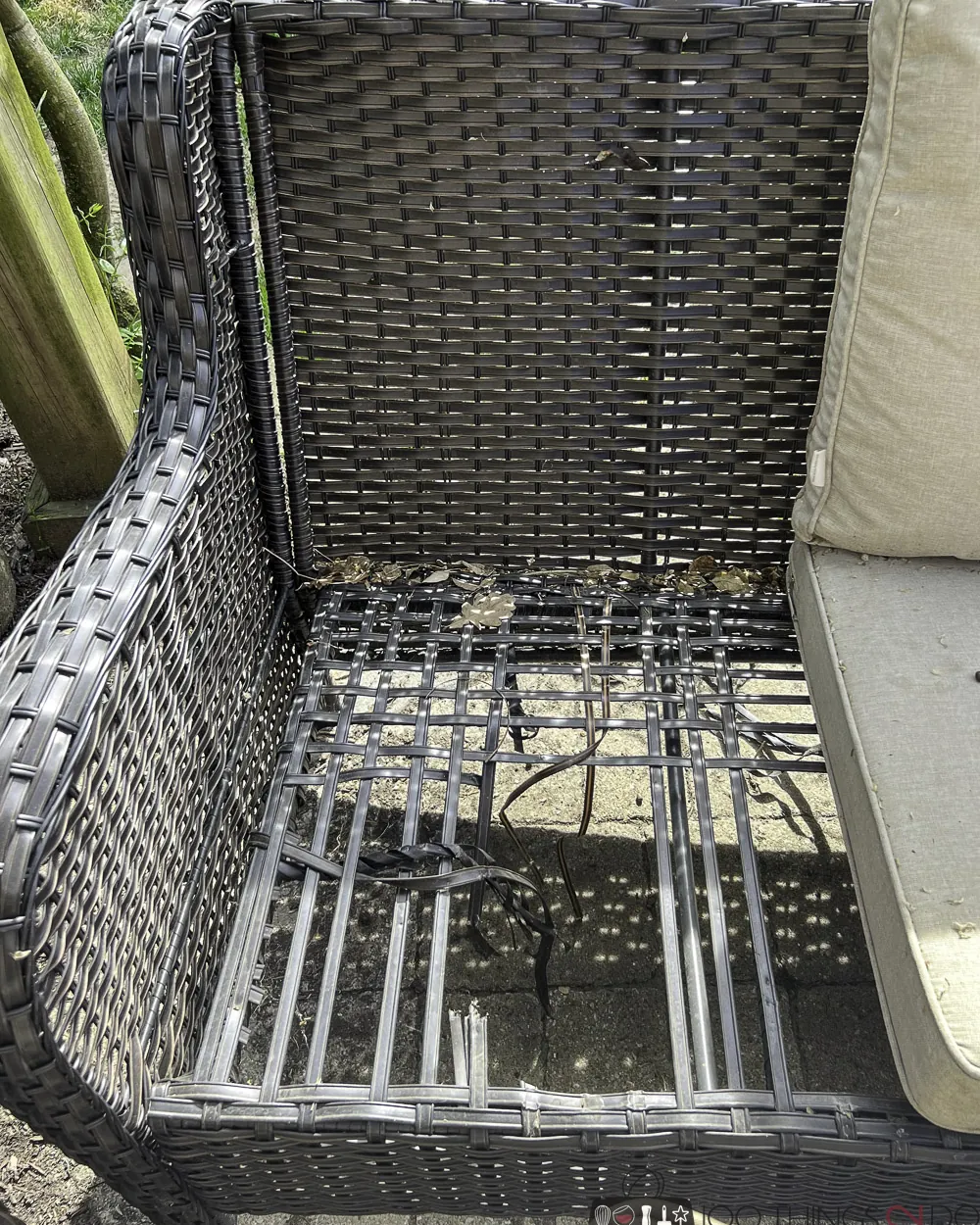
The way you treat your furniture determines how often you have to repair it. Keeping chairs covered during the off-season prevents the damage from starting in the first place.
| If you’re doing this | Do this instead | Why |
|---|---|---|
| Leaving chairs on grass | Place on a patio or deck | Grass traps moisture against the legs |
| Using household cleaners | Use mild soap and water | Harsh chemicals strip protective coatings |
| Storing in the rain | Use a waterproof cover | Keeps moisture away from joints |
| Tightening bolts rarely | Check bolts every spring | Prevents frame fatigue and wobbling |
If your furniture sits on a wooden deck, place rubber feet on the legs to prevent rot. Wood holds water longer than stone, which quickly degrades metal frames.
Most owners make the mistake of power washing their sets annually. This force strips away powder coatings and forces water into hidden seams. Instead, use a soft-bristled brush and a gentle rinse. If your furniture feels chalky to the touch, apply a coat of automotive wax to restore shine to the finish.
Related guides
- 10 Best Pipe Repair Tape Picks for Leaks and Cracks in 2026
- How to Fix Cracked Bike Tire Problems: Repair or Replace Guide
- 10 Best Toilet Repair Kits for Every Tank and Valve Type in 2026
Frequently asked questions
How long does an outdoor chair repair last?
A proper repair typically lasts between two and five years, depending on your local climate and storage habits. High rainfall or constant salt air will cause the finish to degrade faster. You can extend the life of your work by keeping the furniture dry and using a waterproof cover when not in use.
Is it safe to repair metal chairs with welding?
Yes, it’s safe to repair metal chairs with welding if you have the proper training and equipment. If the frame is rusted through or the metal is thin, a weld may fail under weight. If you aren’t a skilled welder, take the piece to a professional to ensure it’s safe.
How do I fix a wobbly chair leg?
You can fix a wobbly leg by identifying the source of the looseness, usually a worn bolt or dried-out joint. If the bolts are tight, attach a rubber or plastic furniture glide to the bottom to level the chair. Avoid stacking cardboard or paper under a leg, as it’s unstable.
What is the best way to clean mold off chairs?
Scrub with a soft brush, let sit for 10 minutes, and rinse thoroughly. Always check the manufacturer’s cleaning guide first if the material is delicate.
Can I use wood glue for outdoor repairs?
No, standard interior wood glue isn’t suitable for outdoor use because it dissolves when exposed to moisture. You must use a waterproof wood glue, often labeled as Type II or Type III, which is designed to withstand rain and humidity. Even with waterproof glue, ensure the joint is clamped tightly while it cures to ensure the bond is strong enough to support the weight of a person sitting on the chair.
How often should I seal wooden chairs?
You should apply a fresh coat of wood sealer to maintain a moisture barrier. The frequency of this application depends on your specific usage, so consult your owner’s manual for the recommended schedule. If water soaks into the wood instead of beading up, it’s time to re-seal the surface.
Conclusion
Regular maintenance is the most effective way to keep your outdoor patio chairs in good condition for many years. By checking for loose parts and refreshing the protective finish annually, you prevent the small issues from turning into major structural failures that require expensive replacements or professional help.