
A torn seat doesn’t mean the chair is trash. The way you fix ripped lawn chairs depends on the material: fabric tears need patches, vinyl splits respond to adhesive kits, and plastic cracks require epoxy. UV damage is the most common cause, drying out fibers until they split. If the frame is bent or rusted, stop; a damaged frame can collapse. Check CPSC outdoor furniture safety recalls before repairing any wobbly chair.
Why your lawn chair fabric tears
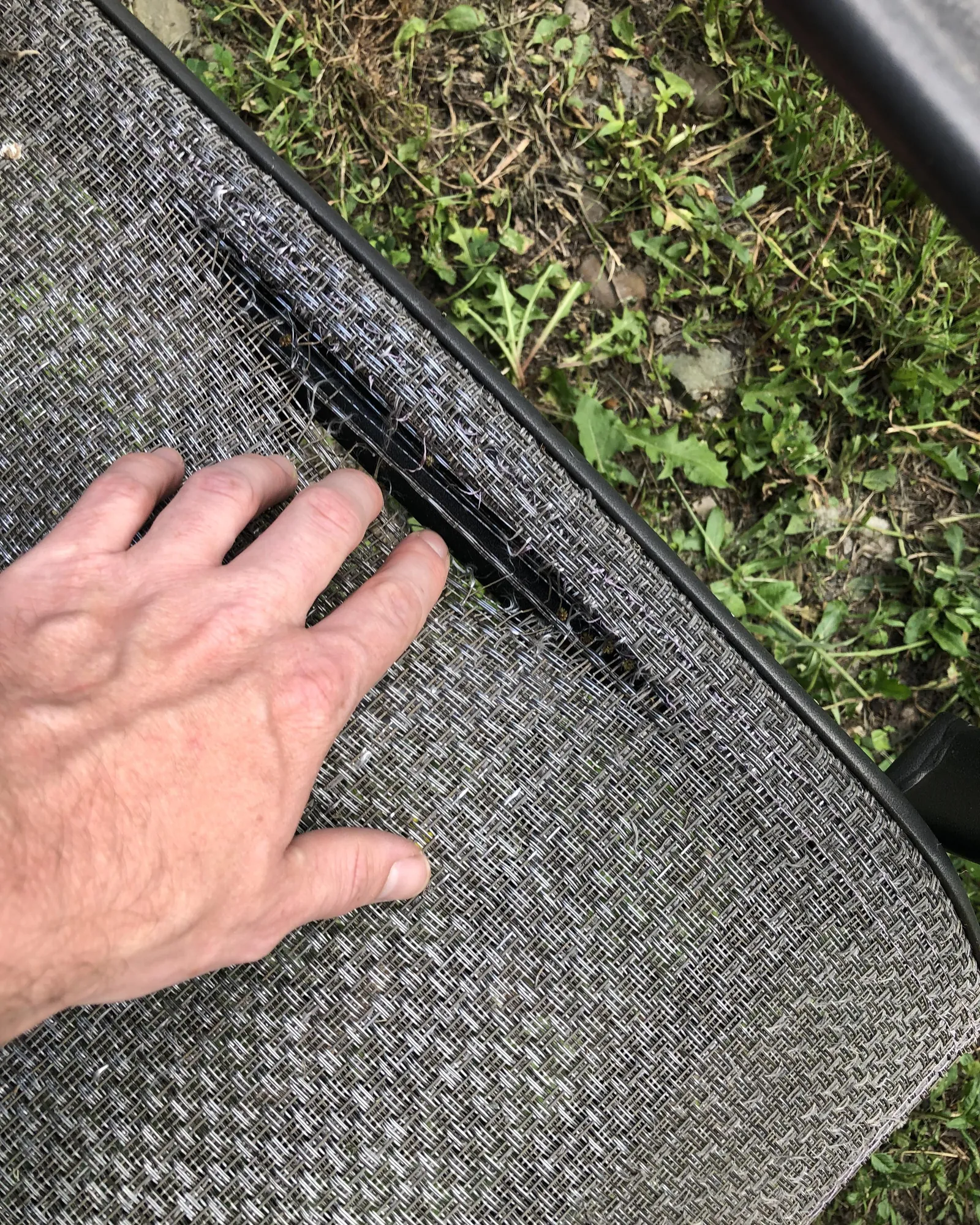
Sun and weight are the two main reasons a lawn chair rips. Vinyl, canvas, and woven plastic all break down when ultraviolet light hits them day after day. The material loses its stretch, turns brittle, and finally splits when someone sits down. You’ll see this first along the edges where the fabric wraps around the metal frame, because that spot takes the most tension every time you lean back.
The second cause is physical stress beyond what the chair was built for. Folding chairs have weight limits printed by the manufacturer, usually between 200 and 300 pounds for standard models. When a heavier load presses down, the weave stretches past its breaking point. Sharp objects left in pockets—keys, box cutters, pens—puncture the surface, and that small hole grows into a long tear within a few uses.
Age matters too. A chair stored outside through winter rain and summer heat won’t last as long as one kept in a garage. Moisture rots natural canvas threads, while freezing temperatures make vinyl stiff enough to crack on its own. If the tear runs along a seam, the thread rotted away before the fabric did. Look at the color of the broken edge: white or faded means sun damage, while dark and frayed points to friction against a rough frame.
Patch a fabric or canvas tear
This method works for canvas, polyester, or woven-textile seats with clean cuts or holes smaller than three inches across. It’s not meant for vinyl or solid plastic chairs, since glue won’t hold flexible plastic well under body weight. You’ll need a piece of heavy-duty outdoor fabric, like marine canvas, cut about two inches wider than the tear on every side.
Clean the torn area with mild soap and water, then let it dry completely. Damp fabric traps mold under a patch. Place the chair on a flat surface so the seat lies tight.
Slide the patch underneath the tear if you can reach it, or lay it directly over the top if the underside is blocked by the frame. Use a waterproof fabric adhesive made for outdoor gear, spreading a thin, even layer across the entire patch surface. Press the torn edges together firmly over the glue.
Put something heavy and flat on top, like a stack of books wrapped in a plastic bag to keep them dry. Leave it for 24 hours in a warm, dry spot. Don’t sit on the chair until the glue has cured fully; pulling it apart early ruins the bond and wastes your materials.
You’ll know it worked when the patch stays flat and the edges don’t lift after you press hard with your thumb. If the tear is longer than six inches, or runs straight across the middle where your weight lands, a patch will fail quickly. That kind of damage needs a full sling replacement or a new chair.
Seal a vinyl or plastic split
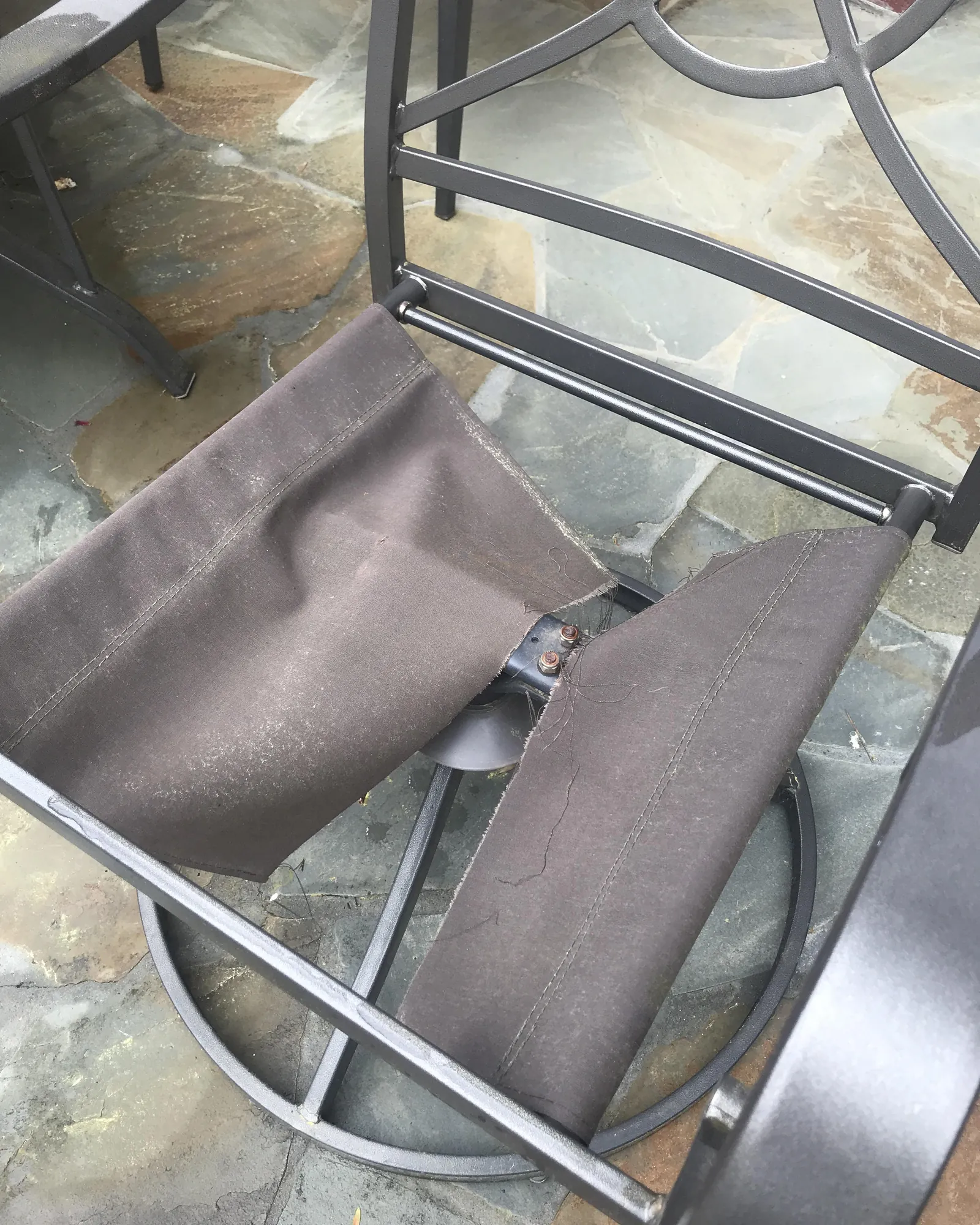
Vinyl and molded plastic chairs need adhesive instead of stitching, because needle holes create new weak spots that split further. Buy a liquid vinyl repair kit or a two-part clear epoxy rated for outdoor plastics. These kits usually include a small tube of compound and a piece of graining paper to match the texture. This approach handles splits up to four inches long on flat surfaces.
Wipe the split with rubbing alcohol to remove sunscreen, dirt, and oils. Glue won’t stick to greasy vinyl. If the edges curl upward, use masking tape to pull them flat and hold them together while the compound dries. Squeeze the repair liquid directly into the crack, filling it slightly higher than the surface around it. Smooth it out with a flat tool, like an old credit card.
If your kit includes graining paper, press it gently into the wet compound and peel it off once the product instructions say it’s set. This copies the chair’s original texture so the repair blends in. Let it cure for the exact time printed on the package—usually between two and 24 hours depending on the brand and the air temperature. Cold weather slows curing down significantly.
Test the seal by pressing around the repaired line with your fingers. It shouldn’t feel sticky or soft. This fix holds best on flat areas like armrests or the back panel. If the split is on the seat bottom where your weight bends the plastic every time you sit, the constant flexing will eventually pop the seal open again. In that case, the chair is done.
Replace a worn-out chair sling
When the whole seat sags, frays at every edge, or has multiple tears, patching won’t save it. Replacing the entire fabric sling gives the chair a new life. This applies mainly to metal-frame patio chairs where the fabric slides into tracks on the sides. Measure the old sling from rail to rail before you take it off, noting both width and length to the nearest half-inch. Order a universal replacement sling or one made specifically for your chair’s brand.
Remove the end caps from the metal rails using a flathead screwdriver. Pull the old fabric out of the track. If it’s stuck, spray a little silicone lubricant into the channel to help it slide.
Thread the new sling’s sewn-in rod or hem into the track on one side, then stretch it across and feed the other side in. This step takes muscle; if the sling is tight, use a rubber mallet to tap the rod gently into the rail. Snap the end caps back on.
This job requires basic hand tools and patience, but no special license. However, if the metal frame itself is cracked, deeply rusted, or bent out of shape, replacing the sling is dangerous because the frame could snap under you. Stop and take that chair to a metal welder or throw it away. A new sling costs far less than a new chair, but only when the bones are still solid.
Bad advice that ruins lawn chairs
Not every trick shared online actually helps your chair survive another summer. Some popular fixes cause worse damage or put you at risk.
- Sewing vinyl with a regular needle. Every stitch punches a permanent hole in the material. Body weight pulls those holes wider, turning a small rip into a row of perforations that tears completely.
- Duct tape as a permanent patch. The adhesive melts in summer heat and turns into a sticky mess. It leaves residue that blocks real glue from sticking later, forcing you to buy a whole new seat.
- Melting plastic edges with a lighter. Burning polypropylene or PVC releases toxic fumes you shouldn’t breathe. The melted plastic also cools into a hard, sharp ridge that cuts through clothing and skin.
- Washing canvas with bleach. Chlorine bleach eats cotton and polyester fibers, weakening the exact spot you’re trying to save. The fabric looks cleaner for a week, then shreds faster under your weight.
- Gluing a wet chair. Water trapped beneath adhesive breeds mold and stops the bond from forming. The patch peels off the first time someone sits down, wasting your time and materials.
Keep your lawn chairs from ripping again
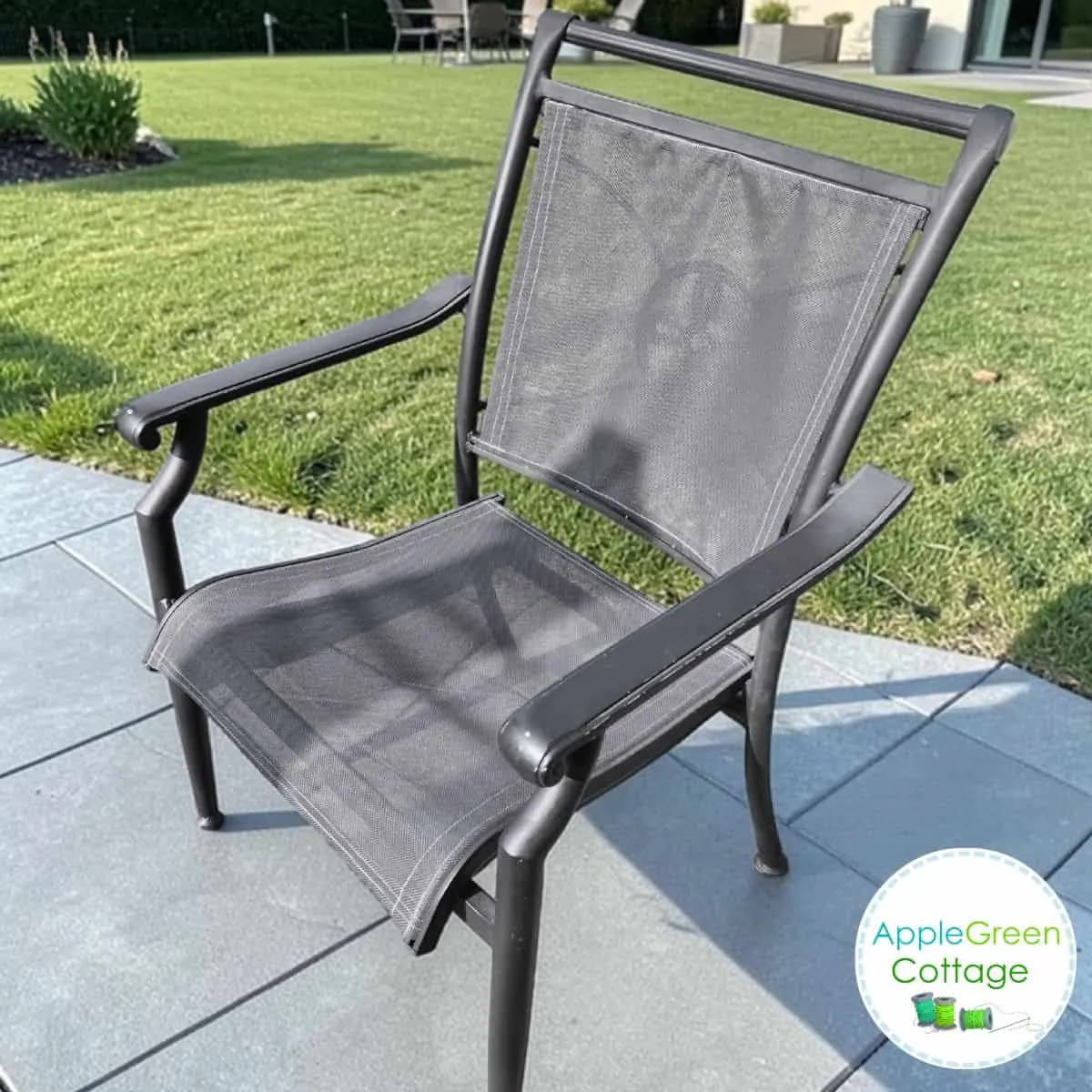
How you store and treat a chair decides how long the fabric lasts. Small habits prevent the tears you’d otherwise spend an afternoon fixing.
| If you’re doing this | Do this instead | Why |
|---|---|---|
| Leaving chairs in direct sun all year | Fold them up or move them under a roof after use | UV rays break down plastic and fabric fibers, making them brittle enough to split under normal weight. |
| Storing them outside uncovered through winter | Put them in a shed, garage, or under a waterproof tarp | Freezing moisture expands inside the weave, snapping threads that thaw out loose and weak in spring. |
| Wiping spills with harsh kitchen cleaners | Wash with mild dish soap and a soft sponge | Strong chemicals strip the protective coating off vinyl and fade dyed canvas much faster. |
| Dropping your full weight onto the chair suddenly | Sit down smoothly and evenly | A sudden impact puts all the force on one spot instead of spreading it across the whole seat. |
| Dragging the chair across concrete patios | Lift it by the frame to move it | Scraping wears away the bottom fabric and bends the legs, changing the tension on the seat. |
Related guides
Frequently asked questions
Can you fix a cracked plastic lawn chair?
Yes, if the crack is shorter than four inches and not on a structural joint. Use a two-part epoxy made for outdoor plastics, clean the area with rubbing alcohol first, and clamp it for 24 hours. If the crack runs through a leg joint or the main support bar, don’t try to glue it. Those parts carry your full weight, and a glued joint will snap without warning.
How long does vinyl repair glue take to dry?
Most liquid vinyl compounds need 2 to 4 hours to set at room temperature, and 24 hours to cure fully. Cold or humid weather pushes that time longer. Read the specific drying time printed on your kit’s tube, because formulas vary widely between brands. Sitting on the chair before the glue cures completely will push the split back open.
Is it safe to sit on a patched lawn chair?
It’s safe if the patch is on a flat, non-load-bearing area like the backrest or armrest. Patches on the center of the seat bottom carry your full weight and often fail. If you patched the seat, test it by pressing down hard with your hands before sitting. If the edges lift or the fabric stretches strangely, the patch won’t hold you safely.
What fabric is best for replacing a chair sling?
Textilene, a woven polyester coated in PVC, is the standard for outdoor chair slings because it resists water, sun, and stretching. Marine-grade canvas works too, but it holds moisture longer and can grow mildew in humid climates. Check the tag on your current chair or measure the old sling’s dimensions to order the right size replacement panel.
Why do lawn chairs rip in the same spot?
They usually rip where the fabric folds over the metal frame rail. That edge rubs against the metal every time you shift your weight, wearing through the fibers slowly. Sun damage hits that raised edge hardest too. Adding a strip of foam pipe insulation over the metal rail before installing a new sling stops the friction that causes these repeated tears.
How much weight can a repaired chair hold?
The exact limit depends on the size of the tear and the type of adhesive used. For a reliable number, check the manufacturer’s published weight rating for your specific model.
Can I use superglue on outdoor fabric?
No. Superglue, or cyanoacrylate, dries into a hard, brittle crystal. Outdoor fabric needs to flex when you sit down, and hardened superglue snaps immediately under that movement. It also burns some synthetic fibers on contact. Stick to flexible adhesives designed specifically for vinyl, canvas, or outdoor textiles, which stay slightly rubbery after they cure.
Conclusion
A torn lawn chair usually just needs the right adhesive and a bit of patience. Match the repair method to the material—fabric gets patches, vinyl gets liquid filler, and worn-out slings get replaced entirely. Keep the chairs out of the sun when you aren’t using them, and the repairs you make today will easily last through next summer.