
The fastest way to stop a swivel chair from rotating is to lock or block its base so the seat can’t turn, using hardware you already own or parts you can buy at a hardware store. Whether you need a stationary work surface, a safer chair for a child, or a quiet spot that doesn’t drift while you work, you can convert most office swivel chairs into fixed seats without buying new furniture. The right method depends on your chair’s base type, whether you want the fix to be permanent, and how much weight the chair must support.
Key Takeaways

- Identify your base type before you buy parts; threaded stems, hollow posts, and glider bases each need a different fix.
- Use a swivel lock or stopper plate for a reversible, tool-friendly solution that keeps height adjustment intact.
- Drill a pin through the mechanism for a zero-cost permanent fix, but only on a chair you’ll never need to swivel again.
- Add rubber pads, a wedge, or a wooden block under the base if you want a temporary, no-tools option that leaves no marks.
- Test stability after every modification; a wobbly chair is more dangerous than one that swivels.
Why Swivel Chairs Rotate
Most office chairs swivel because the seat plate connects to a central column through a bearing race or a rotary mechanism. That design lets you turn without standing up, but it also means the chair can drift when you lean, reach, or stand up. Stopping the rotation means interrupting that movement at the base, the column, or the floor contact point.
Types of Swivel Chair Bases
Not every swivel chair uses the same hardware. Knowing which base you have determines which stopping method will work.
- Threaded stem bases – common on task chairs and drafting stools; the post screws into the mechanism and can often be pinned or locked.
- Hollow post bases – found on many executive and computer chairs; the column slides into a socket and usually accepts a setscrew or a lock pin.
- Five-star caster bases – the most common office style; the swivel happens above the wheels, so you lock the mechanism rather than the casters.
- Sled or glider bases – no wheels at all; the whole base may rotate on a center plate, requiring a floor-level block or a mechanical lock.
Swivel Lock Kits and Stopper Plates
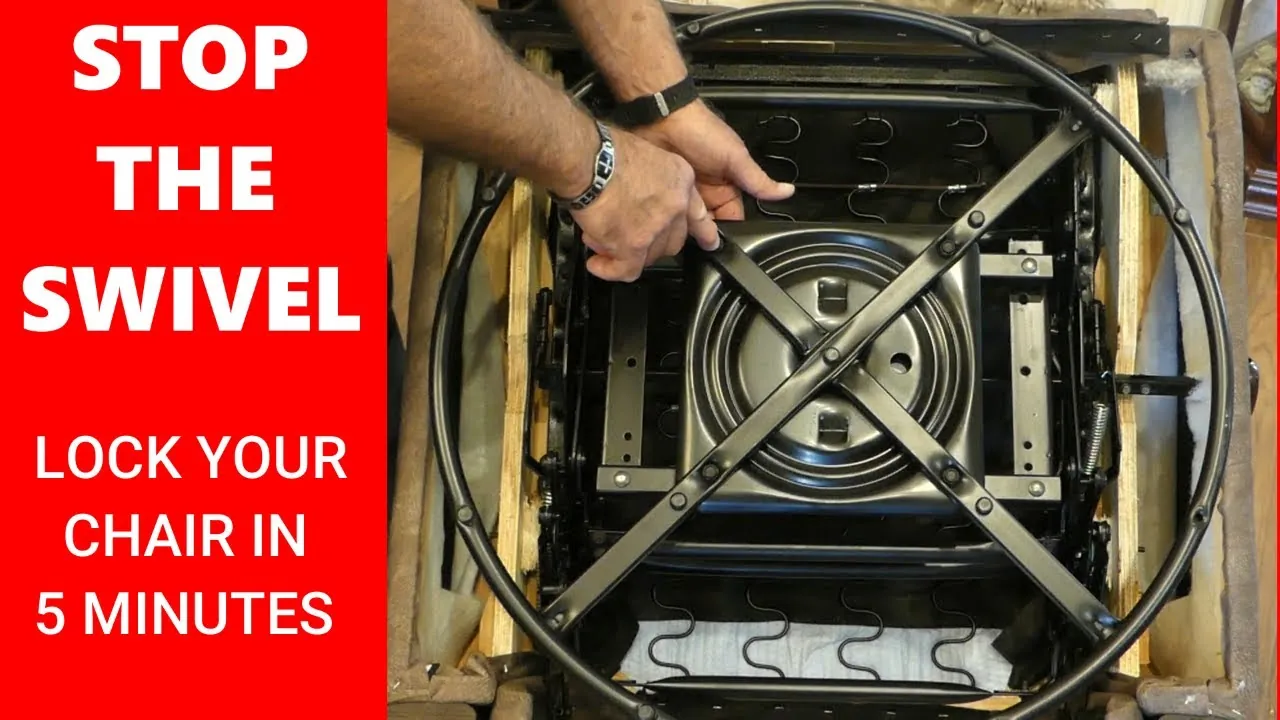
A swivel lock kit is the cleanest reversible fix. It usually consists of a plate that bolts between the seat and the base, plus a pin or lever that engages to stop rotation. You keep the chair’s height lever and tilt function, but you remove the ability to spin.
Installation generally takes fifteen to thirty minutes. You flip the chair, remove the bolts connecting the seat to the base, place the lock plate in between, and reinstall the hardware. When you want the chair to swivel again, you remove the pin or the plate.
Pro Tip: Buy a lock kit that lists your chair’s base diameter in its specifications. A plate made for a two-inch post won’t grip a two-and-a-half-inch column.
Drill-and-Pin Permanent Fix
If you own the chair and never want it to swivel again, drilling a pin through the swivel mechanism is the most permanent zero-cost method. Turn the chair upside down, align the seat so it faces straight forward, drill through the stationary housing and the rotating plate at the same spot, and insert a steel pin or bolt. The pin acts as a physical stop that can’t rotate without shearing.
This method destroys the swivel function completely. It also voids most warranties and can weaken the joint if you drill in the wrong place. Use it only on a chair you plan to keep fixed for the rest of its life.
Warning: Don’t drill through gas-lift cylinders or structural load-bearing walls of the mechanism. A compromised cylinder can collapse under weight.
Rubber Pads and Wedges for Temporary Stops
When you can’t modify the chair—such as in a rental office or a shared workspace—place a thick rubber pad, a yoga mat, or a wooden wedge under one side of the base. The added friction keeps the chair from turning under normal weight, though a determined push can still rotate it.
This is best for short-term use, such as during a video call or a focused writing session. Remove the pad when you want the chair to swivel again.
Blocking the Base with Wood or Metal
A more secure temporary block is a hardwood or metal strip screwed to the floor and butted against the chair’s base. The chair can still swivel in place, but it can’t rotate past the block. This works well under desks where the chair rarely needs to turn.
You can also place a heavy object, such as a short stack of books or a small sandbag, against the base on the side where the chair tends to drift. It isn’t elegant, but it requires no tools.
Locking Casters versus Stopping Swivel
Locking casters stop the chair from rolling across the floor, but they don’t stop the seat from swiveling. If your goal is to keep the chair facing one direction, caster locks are the wrong tool. Use them only if you also want to stop rolling.
Some chairs come with brake casters that lock with a lever. These are useful in medical or lab settings, but they address a different problem than swiveling.
Comparison of Stopping Methods
| Method | Tools Needed | Reversible | Permanent | Best For |
|---|---|---|---|---|
| Swivel lock kit | Screwdriver, wrench | Yes | No | Most office chairs |
| Drill and pin | Drill, metal pin | No | Yes | Chairs you’ll never swivel |
| Rubber pad or wedge | None | Yes | No | Rentals, short-term use |
| Floor block or strip | Drill, screws | Yes | No | Fixed desk positions |
| Locking casters | Screwdriver | Yes | No | Stopping roll, not swivel |
Step-by-Step Installation of a Swivel Lock
- Turn the chair upside down on a soft surface so you don’t scratch the seat or the floor.
- Remove the bolts that connect the seat plate to the base column.
- Position the swivel lock plate between the seat and the base, aligning the bolt holes.
- Reinstall the bolts and tighten them securely.
- Insert the lock pin or engage the lever to test that rotation has stopped.
- Flip the chair upright and sit in it to confirm it doesn’t drift under your weight.
When to Replace the Chair Instead
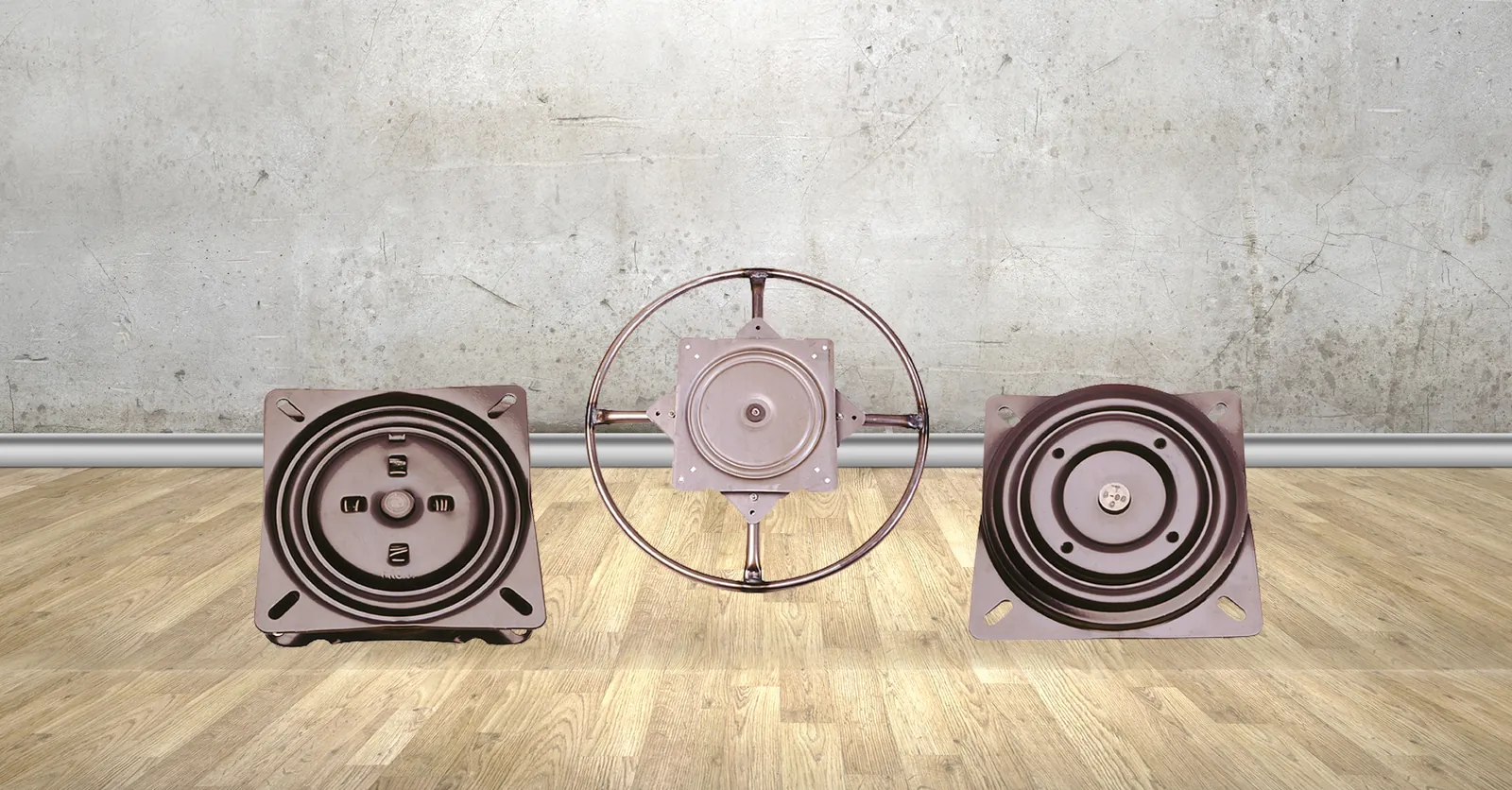
Some swivel mechanisms are riveted together or made of thin stamped metal that can’t accept a lock plate or a pin without breaking. If the base wobbles even when locked, or if the gas cylinder sinks when you sit, the chair may be past the point where a modification makes sense. Replacing the base or the whole chair is safer than forcing a fix on failing hardware.
Related guides
- 10 Best Water Hammer Arrestors to Stop Loud Pipe Banging in 2026
- How to Fix Bike Rack to Car: Simple Steps to Stop Wobbling | Your Site Name
Frequently Asked Questions
Can I stop any office chair from swiveling?
Most standard office chairs can be locked or blocked, but chairs with molded plastic bases, riveted mechanisms, or integrated glider designs may not accept common fixes. Check the underside of your chair before buying parts.
Will locking the swivel void my warranty?
It usually does. Drilling into the mechanism or adding aftermarket hardware often voids the manufacturer’s warranty. A reversible swivel lock kit is less likely to cause problems than a permanent drill-and-pin fix.
Is it safe to lock a swivel chair for a child?
Yes, provided the chair remains stable and doesn’t tip. A fixed chair can actually reduce the risk of a child spinning and falling, but make sure the lock can’t come loose under active use.
How much does it cost to stop a swivel chair from swiveling?
Expect to spend between $8 and $35 for a swivel lock kit or stopper plate, and between $0 and $15 for rubber pads, wedges, or wood blocks if you already have basic tools.
Can I still adjust the height after locking the swivel?
Yes. A swivel lock plate sits between the seat and the base and doesn’t interfere with the gas cylinder or height lever, so height adjustment keeps working normally.
Conclusion
Pick one method that matches your base type and your need for reversibility, install it carefully, and test the chair before you rely on it for a full workday.