
You can fix cracked bike tire problems by deciding whether to apply rubber conditioner or replace the casing completely. Deep splits can’t be glued safely back together. Dry rot is the single most common cause, happening when old rubber loses its natural oils after years of exposure to air and sun.
Causes of your cracked bike tire
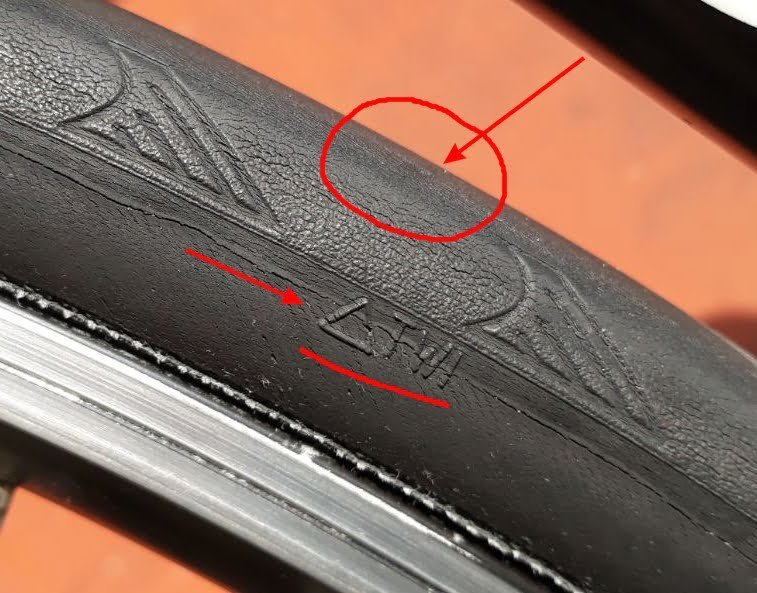
Bicycle tires dry out because ultraviolet light and ozone break down flexible polymer chains in the rubber casing. Storing a bicycle near electric motors, furnaces, or in direct sunlight speeds up this decay. Under-inflation also causes cracks; riding with low pressure folds the tire sidewall repeatedly until the casing fatigues and splits. Finally, rubber naturally hardens over time. Even if you don’t ride often, old age makes the compound brittle. Once structural cords snap beneath the tread, internal air pressure pushes the tube through the gap.
Check the depth of sidewall cracks
This inspection is for riders who notice fine surface lines on their tire sidewall. Squeeze the tire between your thumb and fingers with about 30 psi of air inside. If you see tiny, hairline surface lines and no inner fabric, the tire is still usable for casual neighborhood trips. However, if the rubber separates enough to reveal white or brown casing threads, the tire’s structure is compromised. The trade-off of riding on hairline cracks is poorer cornering grip in exchange for saving money today. If threads show, stop riding immediately. A blowout can throw you into traffic, so this check isn’t for fast downhill riders or commuters sharing busy roads.
Apply rubber conditioner to light surface cracks
Riders with shallow, cosmetic surface cracking can treat the outer casing to slow down further drying. Clean the tire sidewall using mild dish soap and warm water, then let it dry out of the sun. Wipe a light layer of silicone-based rubber protectant or marine rubber conditioner onto the rubber using a clean rag. The tire label lists the maximum pressure range, but keep pressure near the lower recommended mark while testing. You’ll know it worked if the rubber feels slightly supple rather than chalky. This fix won’t fuse split rubber back together, but it shields healthy material from ambient ozone.
Replace the tire before the casing fails
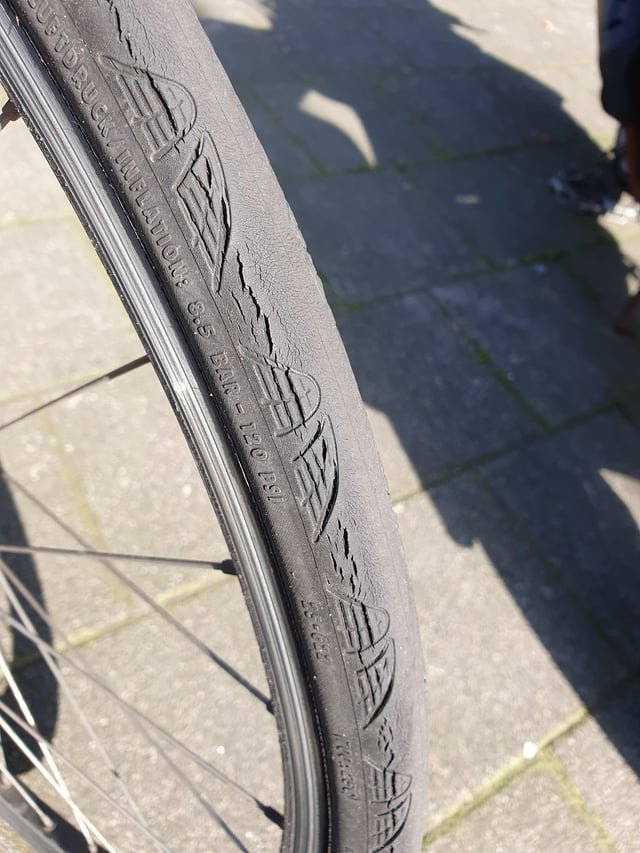
When cracks reveal internal nylon threads or the tire bulges outward, complete replacement is the only safe solution. Continuing to patch a rotting casing is a mistake that costs riders expensive wheel rim repairs when the bead suddenly blows off. Take the wheel off the bike and bring it to a local bike shop mechanic if you don’t own tire levers or feel unsure about matching rim diameters. The US Consumer Product Safety Commission bicycle regulations outline strict safety assembly standards because tire failures directly cause loss of steering control. If you see bulging rubber, don’t attempt another ride.
What not to do
- Don’t use super glue or rubber cement to seal deep tire splits, because stiff glues crack instantly under rolling pressure.
- Don’t apply petroleum jelly or automotive motor oil to soften dry rubber, since petroleum solvents dissolve tire compounds.
- Don’t use duct tape inside the tire casing as a permanent fix, because road friction heats the adhesive and shifts the tape.
- Don’t overinflate a cracked tire past the manufacturer’s maximum recommended pressure, as extra pressure forces cracks wide open.
How to stop it happening again
Proper storage and regular pressure maintenance prevent fresh bicycle rubber from drying out prematurely.
| If you’re doing this | Do this instead | Why |
|---|---|---|
| Parking next to water heaters | Store the bike in a cool living space | Electric motors generate ozone that dries out rubber compounds |
| Leaving the bike outside in summer | Keep it under a shaded cover | Ultraviolet rays break down flexible chemical bonds in the casing |
| Riding on flat tires after storage | Pump up to the sidewall pressure rating | Flexing folded sidewalls causes deep fatigue fractures |
Frequently asked questions
Can you ride a bike with cracked tires?
Yes, but only if the cracks are tiny hairline surface marks. If you can see internal fabric cords beneath the rubber, don’t ride the bike at all. A weak casing can burst without warning while you pedal.
Why do bike tires crack on the side?
Bike tires crack on the side because ozone gas and sunlight destroy the outer rubber layer. The sidewalls are much thinner than the tread area, so drying and low air pressure damage them first.
How long does a bike tire usually last?
This varies by model — check the label and manufacturer guidelines for specifics. Most tires last several riding seasons, but rubber usually hardens and cracks as it ages regardless of mileage.
Is it safe to patch a cracked tire sidewall?
No, it isn’t safe to patch structural sidewall cracks. Patches only hold air inside a tube, but they can’t restore the tensile strength of snapped casing threads under high pressure.
What happens if a bike tire blows out while riding?
A sudden blowout causes the wheel rim to drop directly onto the ground, destroying your steering and braking control. If the front tire blows out at speed, you’ll likely crash over the handlebars.
Final Thoughts
Checking your tire pressure every few weeks will help keep the rubber supple for much longer. If you aren’t sure how old your tires are, look for a date code printed on the sidewall. It’s a simple habit that’ll save you from getting stuck on the side of the road later.