
The quickest way to stop an office chair from rolling is to add friction under each caster so the wheels can’t spin freely on the floor. For hard surfaces, locking caster cups are the simplest fix; for carpet, a chair mat with a gripper backing or replacement casters that lock in place usually works best. Which method you choose depends on your floor type, how often you need to move the chair, and whether you want to protect the floor from scratches and dents. Below are the most practical options, how to install them, and what to expect from each one.
Key Takeaways
- Locking caster cups stop rolling on hard floors and cost only a few dollars per chair.
- Replacement brake casters let you lock individual wheels with a lever or button.
- Chair mats with gripper backing work well on carpet and protect hard floors.
- Rubber wheel covers or strips add friction without replacing any parts.
- Wheel chocks or wedges are a zero-cost temporary fix for light rolling.
- Test any fix on a small area first to avoid damaging finished wood or laminate.
Why Office Chairs Roll in the First Place
Office chairs roll because their casters are designed to reduce friction so the seat can glide across the floor with little effort. Standard casters use hard nylon or polyurethane wheels that spin freely on wood, tile, laminate, and low-pile carpet.
The lighter the chair and the smoother the floor, the easier it rolls. On hard surfaces, even a small nudge can send the chair sliding across the room, which is annoying when you’re trying to type, draw, or reach for something on a desk.
Floor type matters more than most people realize. Hardwood and laminate offer almost no resistance, so casters pick up speed quickly. Tile and stone are similarly slippery, especially if the floor is polished. Carpet creates more drag, but office chairs still roll easily on thin or commercial-grade carpeting because the wheels sink in just enough to turn without gripping. Understanding your floor surface helps you pick a stopping method that will actually stay put.
Pro Tip: If your chair rolls only when you lean back or reach, the problem may be the chair’s tilt tension rather than the casters alone. Tightening the tilt knob under the seat can reduce unwanted movement before you buy anything.
Stop Rolling Chairs on Hard Floors
Hard floors—hardwood, engineered wood, laminate, vinyl, and tile—are the most common surfaces where rolling chairs become a problem. The wheels have nothing to grip, so they slide freely. Several methods work well here, depending on whether you want a temporary or permanent solution.
Locking Caster Cups
Caster cups are shallow bowls that sit under each wheel. Locking versions have a rubber or silicone base that grips the floor and a rim that holds the caster in place. You simply roll each wheel into a cup, and the chair stays where you put it. They’re inexpensive, require no tools, and can be removed in seconds if you need to move the chair.
Rubber Wheel Covers and Strips
Slip-on rubber covers fit over individual casters and add enough friction to stop most rolling on hard surfaces. Adhesive rubber strips applied to the bottom of each wheel work similarly but are less visible. These are good options if you want to keep the chair’s original wheels and avoid changing its height.
Brake or Locking Casters
Replacement casters with built-in brakes let you lock each wheel with a small lever or button. When unlocked, the chair rolls normally; when locked, it stays fixed. This is the best choice if you need the chair to roll sometimes but stay still during focused work. You’ll need to remove the old casters—usually by pulling them straight out of the chair base—and press the new ones in.
Stop Rolling Chairs on Carpet
Carpet creates more resistance than hard floors, but office chairs still roll on thin pile, commercial carpet tiles, and low-pile office carpeting. The fix depends on whether you want to protect the carpet or simply stop the wheels from turning.
Chair Mats with Gripper Backing
A clear or tinted chair mat placed under the desk gives the casters a consistent surface to roll on. Mats with a gripper or cleated backing dig slightly into the carpet and keep the mat itself from sliding. Once the mat is stationary, the chair’s wheels have less freedom to move across the room, though they can still roll within the mat’s area. For true stopping power, pair a mat with one of the wheel-locking methods below.
Replacement Casters for Carpet
Some casters are made specifically for carpet and have softer tread or a slight braking action. If your chair currently uses hard plastic wheels designed for hard floors, swapping to carpet-rated casters can reduce rollaway. Look for casters rated for your carpet thickness; thick-pile or plush carpet may need larger wheels to roll at all.
Carpet Tape or Rug Grippers
Double-sided carpet tape or rug gripper pads placed under the chair’s footprint can anchor a small area rug or carpet remnant. This is a low-cost way to create a non-rolling zone without covering the whole room with a mat.
Quick Comparison of Methods
| Method | Best Floor Type | Tools Needed | Reversible | Typical Lifespan |
|---|---|---|---|---|
| Locking caster cups | Hardwood, laminate, tile | None | Yes | 1–3 years |
| Rubber wheel covers | Hard floors | None | Yes | 6–18 months |
| Brake casters | Any floor | None (pull/push) | Yes | 3–5 years |
| Chair mat with gripper | Carpet | None | Yes | 2–5 years |
| Wheel chocks | Any floor | None | Yes | Indefinite |
| Furniture grippers under legs | Hard floors | None | Yes | 1–2 years |
Install Replacement Brake Casters
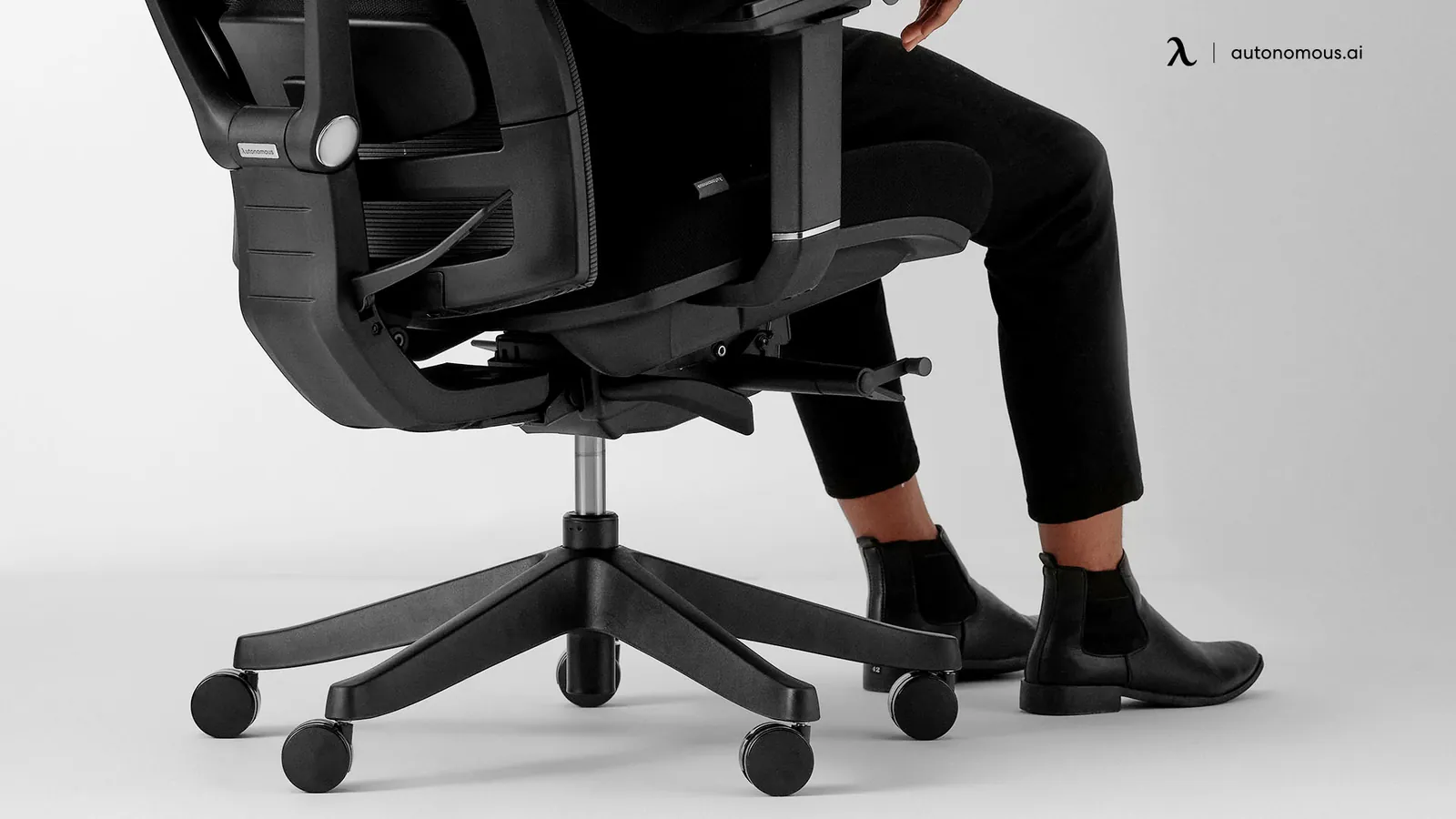
If you decide that replacement casters are the right fix, the job takes about ten minutes and requires no special tools. Most office chairs use a grip-ring stem that pulls straight out of the five-star base.
- Flip the chair upside down or lay it on its side so you can reach the base.
- Grip each caster near the stem and pull firmly straight out. If it resists, wiggle it side to side while pulling.
- Line up the new brake caster stem with the socket in the chair base.
- Press straight in until you hear or feel a click. Give it a tug to confirm it’s seated.
- Repeat for all five wheels. Don’t mix brake and non-brake casters on the same chair, or it will pull to one side when you try to roll it.
- Flip the chair upright and test each lock lever to make sure the wheel holds firm.
Warning: Some executive or gaming chairs use threaded caster stems rather than grip-ring stems. Check your chair model before ordering replacements so you buy the correct stem type.
Temporary Fixes That Cost Nothing
You don’t always need to buy anything to stop a chair from rolling. These options work well if you’re renting, traveling, or need an immediate solution.
Wheel Chocks and Wedges
Place a small block of wood, a folded magazine, or a rubber doorstop behind each caster. The chock prevents the wheel from turning forward or backward. This is the cheapest fix, but it’s also the least convenient because you must reposition the chocks every time you move the chair.
Furniture Grippers and Pads
Self-adhesive furniture grippers meant for table legs can be stuck to the bottom of caster housings or to small pads placed under each wheel. They add friction without changing the chair’s height. Check them weekly, as adhesive can weaken on smooth floors.
Park Against a Desk or Wall
Positioning the chair so the casters rest against a desk leg, cabinet, or wall stops most rolling. This isn’t a reliable long-term solution, but it works in a pinch when you need both hands free.
When Rolling Is Actually a Safety Issue
A chair that rolls unexpectedly can cause falls, especially for older adults, children, or anyone with balance issues. If the chair moves while you’re sitting down or standing up, it can slide out from under you. Locking the casters isn’t just about convenience; it’s a fall-prevention measure. If you use the chair at a standing desk or a height-adjustable workstation, locked wheels are especially important because the chair shouldn’t shift when you transfer between sitting and standing.
Product Types Worth Considering
Several categories of products exist specifically to stop rolling chairs. You don’t need a brand-name product to get results, but knowing what is available helps you shop wisely.
- Locking caster cups: sold in sets of four or five, usually with rubberized bottoms.
- Brake casters: individual replacement wheels with foot- or hand-operated locks.
- Caster wheel covers: stretchy rubber or silicone sleeves that fit over existing wheels.
- Chair mats: clear PVC or polycarbonate mats with or without gripper backing.
- Furniture gripper pads: adhesive or non-adhesive pads for chair legs and casters.
- Wheel chocks: small wedges or blocks used to block wheel movement.
Common Mistakes to Avoid
- Mixing caster types: Putting brake casters on only some wheels makes the chair unstable and harder to control when you do want to roll it.
- Using hard cups on hard floors: A plastic caster cup on a hardwood floor can slide just as easily as the wheel itself. Look for rubber or felt bottoms.
- Ignoring carpet thickness: A chair mat designed for low-pile carpet will crack or curl on thick, plush carpet.
- Over-tightening tilt tension: If you crank the tilt knob too hard to stop rolling, the chair may become difficult to recline or rock comfortably.
- Forgetting to check all five wheels: One unlocked caster is enough to let the whole chair drift.
Troubleshooting: Why Your Fix Might Not Work
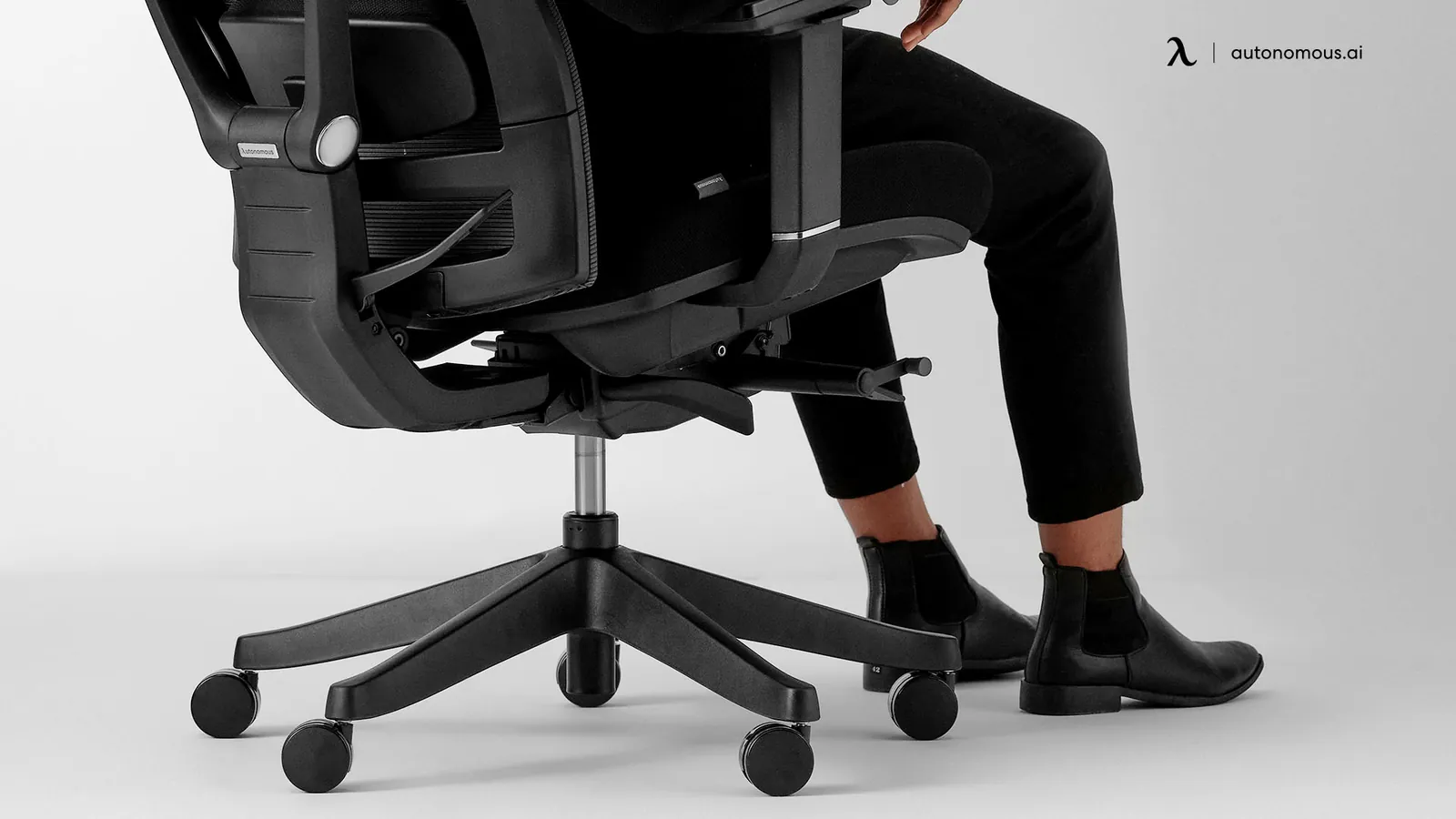
Even after installing a stopping method, some chairs still drift. Here are the most common causes and what to do about them.
Chair Still Rolls After Installing Cups
The caster cups may be too large for your wheels, allowing the caster to shift inside the cup. Measure your caster diameter before buying cups, or choose adjustable cups with a snug inner ring. Also check that the cup’s bottom grip is making full contact with the floor; dust or debris under the cup reduces friction.
Brake Casters Will Not Stay Locked
If the brake lever feels loose or the wheel still turns, the caster may not be seated fully in the chair base. Remove it and press it in again until it clicks. Worn brake pads inside the caster can also fail over time; replace the caster if the locking mechanism no longer holds.
Chair Mat Slides on Carpet
A mat without a gripper backing can migrate across carpet as you roll. Look for a mat with cleated or textured backing, or place a non-slip rug pad beneath the mat. On hard floors, a mat can slide too; some mats include a gripper layer for hard surfaces as well.
Floor Damage After Removing Cups
Adhesive-based grippers or rubber cups left in place for months can leave marks on finished wood or laminate. Test any adhesive product on an inconspicuous spot first, and remove cups periodically to clean underneath.
Frequently Asked Questions
Will caster cups damage my hardwood floor?
Quality locking caster cups with rubber or felt bottoms are designed to protect hardwood, but leaving any object in one spot for a long time can trap moisture or cause discoloration from light exposure. Move the cups occasionally and clean underneath them.
Can I lock just two wheels instead of all five?
You can, but the chair may pull or twist when you try to roll it with the unlocked wheels. For balanced movement and stability, lock all five casters or use none at all.
Do chair mats stop rolling completely?
No. A chair mat protects the floor and gives a consistent rolling surface, but the chair can still roll across the mat. Pair a mat with caster cups, brake casters, or wheel chocks if you need the chair to stay completely still.
What is the best fix for a rental apartment?
Locking caster cups and wheel chocks are ideal for rentals because they require no adhesives, tools, or permanent changes. Remove them when you move out, and the floor is untouched.
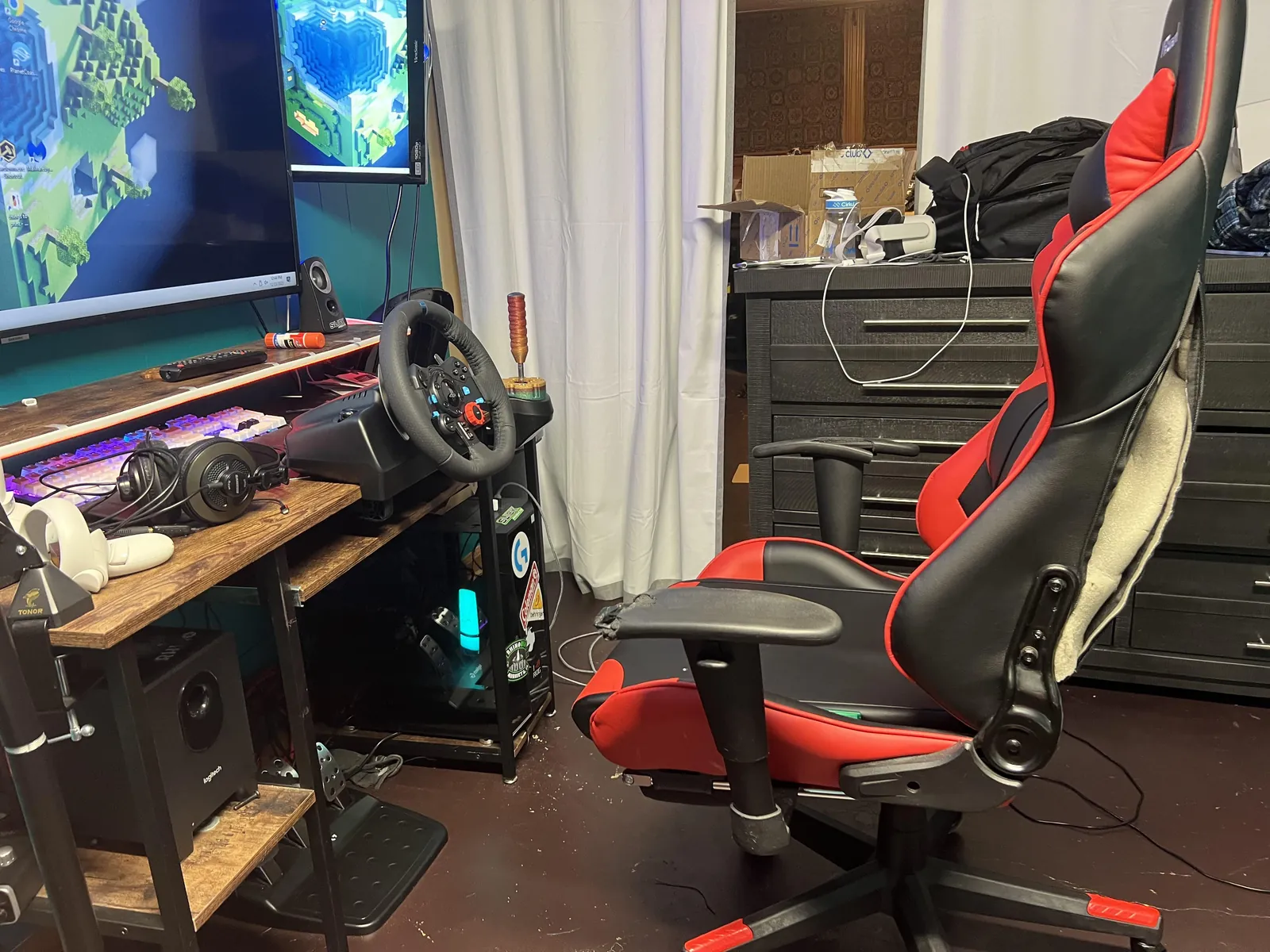
How do I stop a gaming chair from rolling?
Gaming chairs often use larger casters than standard office chairs. Check the stem type before buying replacement casters, and choose locking caster cups or brake casters rated for the chair’s weight, which is often higher than a basic task chair.
Conclusion
Pick one method that matches your floor and your need for mobility, install it on all five casters, and test the chair before you rely on it to stay put.