
Protecting linen chairs requires a combination of fabric-safe stain repellents, consistent vacuuming routines, and immediate spot cleaning to prevent permanent damage. Because linen is a natural cellulose fiber derived from the flax plant, it absorbs liquids quickly and weakens when subjected to harsh friction or alkaline chemicals. Applying a fluorocarbon-free fabric protector creates an invisible barrier against spills, while rotating cushions distributes wear evenly across the upholstery. Establishing these habits ensures your dining chairs or accent pieces maintain their texture and appearance for years without yellowing or fraying.
Key Takeaways

- Apply a water-based, fluorocarbon-free fabric protector like Scotchgard Fabric & Upholstery Protector immediately after purchasing new linen seating.
- Vacuum the upholstery weekly using a soft brush attachment to remove abrasive dust and grit before they cut into the fibers.
- Blot liquid spills instantly with a clean white microfiber cloth; never rub, as rubbing grinds the liquid deeper into the weave.
- Avoid harsh alkaline cleaners or bleach, which break down flax fibers and cause irreversible discoloration on natural linen.
- Rotate removable seat cushions every two weeks to ensure even compression and prevent localized fading from sunlight.
- Keep chairs out of direct UV exposure by positioning them away from south-facing windows or installing UV-blocking window film.
How to Protect Linen Chairs
The most effective way to shield this delicate fabric is by applying a dedicated fabric protector spray. These products coat individual fibers with a microscopic layer that causes liquids to bead up rather than soaking in. When selecting a product, verify that it’s explicitly formulated for natural fibers. Solvent-based sprays can sometimes leave a greasy residue on porous materials like flax, so water-based formulas are generally preferred for light-colored upholstery.
Before treating the entire piece, you must perform a colorfastness test. Spray a small amount of the protector onto a hidden area, such as the underside of the skirt or the back of a rear leg cover. Wait twenty-four hours to check for any darkening, stiffening, or discoloration. If the fabric remains unchanged, proceed to treat the visible surfaces.
Hold the can six to eight inches away and apply in steady, overlapping sweeps to avoid pooling. Allow the first coat to dry completely before applying a second. Reapply this treatment every six months, or more frequently if the furniture sits in a high-traffic dining room where it faces constant use.
Daily Habits That Prevent Damage
Prevention relies heavily on daily household rules and consistent maintenance routines. The simplest habit is enforcing a strict no food policy outside of designated dining times. Crumbs fall into the weave, attract pests, and eventually grind into the fabric when someone sits down, causing micro-abrasions over time.
If the chairs are used at a dining table, always place a washable runner or placemats beneath plates and glasses. This catches drips before they reach the seat or armrests. Encourage family members and guests to wash their hands before sitting, as natural oils and lotions transfer easily to untreated textiles, leaving dark smudges around armrests and headrests.
Pets should be kept off the furniture entirely; claws snag the loose weave of linen, and pet dander embeds deeply into the fibers, triggering allergies and accelerating soiling. Consistent daily awareness prevents the majority of deep-set stains.
What Is the Best Cleaning Routine?
A structured schedule prevents dirt accumulation and extends the lifespan of the upholstery. Relying solely on reactive cleaning allows body oils and environmental dust to bond permanently with the flax fibers.
| Frequency | Task | Tools Needed |
|---|---|---|
| Weekly | Surface vacuuming | Soft brush attachment, crevice tool |
| Monthly | Cushion rotation and flipping | Hands (no tools required) |
| Quarterly | Light steam refresh | Handheld garment steamer |
| Biannually | Reapplication of fabric protector | Water-based spray treatment |
| Annually | Professional deep extraction | Certified upholstery cleaning service |
When vacuuming, always use the soft brush attachment. A bare plastic nozzle or a motorized beater bar will pull threads and cause pilling. Move the attachment in the direction of the fabric’s nap to lift dust without stressing the weave. Pay special attention to seams, piping, and the crevices where the cushion meets the frame, as these areas trap the most debris.
Pro Tip: When using a handheld steamer during your quarterly refresh, keep the nozzle moving continuously and hold it at least two inches from the fabric surface to prevent water spotting or heat shrinkage.
Handling Spills Before They Stain
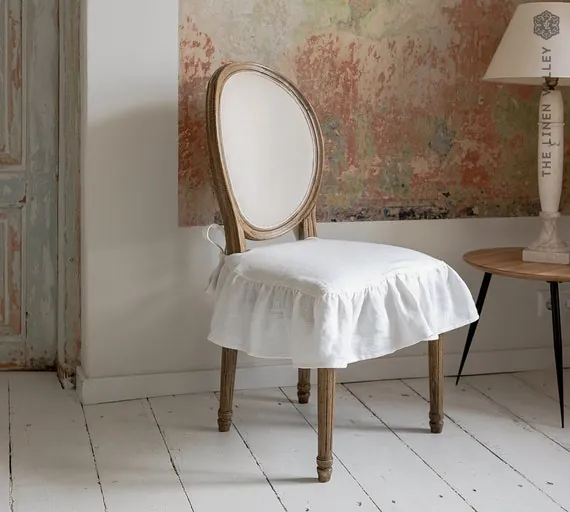
Accidents happen, but the speed of your response determines whether a spill becomes a permanent mark. Always blot the spill gently with a clean, absorbent white cloth or paper towel. Press straight down into the wet area to draw the moisture upward through capillary action. Never scrub or rub the fabric in circles. Rubbing breaks the surface fibers, spreads the liquid outward, and forces the staining agent deeper into the padding below.
For water-based spills like coffee, juice, or wine, mix a mild solution of lukewarm water and a few drops of gentle dish soap, such as Dawn Free & Clear. Dip a corner of a white cloth into the suds—not the water itself—and dab the stain lightly. Work from the outer edge of the spill toward the center to prevent it from expanding.
Once the stain lifts, use a separate damp cloth to rinse the soapy residue away. Leaving soap behind attracts more dirt in the future. Dry the area rapidly by pointing a fan directly at it. Slow drying encourages mold growth and leaves distinct water rings on natural fabrics.
Can You Use Slipcovers Effectively?
Yes, adding a protective layer is one of the most practical strategies for preserving the original upholstery. Fitted slipcovers made from durable, machine-washable materials like cotton canvas or heavy twill act as a physical shield against pets, children, and daily wear. Brands like SureFit offer tailored options designed to fit standard chair dimensions snugly without excessive bunching.
When choosing a slipcover, ensure it’s breathable. Non-breathable vinyl or tightly woven synthetic covers can trap humidity against the linen underneath, creating an environment conducive to mildew.
Wash the slipcover regularly according to its care label, as accumulated grit on the inside of the cover will abrade the linen just as effectively as direct contact. For a more integrated look, consider having a local upholsterer sew custom covers from a complementary fabric that matches your room’s aesthetic while providing robust protection.
Why Does Sunlight Ruin Linen?
Ultraviolet radiation is highly destructive to natural cellulose fibers. Prolonged exposure causes UV degradation, breaking down the molecular bonds within the flax strands. This results in noticeable fading, yellowing, and a brittle texture that tears easily under normal weight.
Position your furniture away from direct sunlight streaming through windows. If your floor plan requires placing chairs near a sunlit area, install UV-blocking window films or heavy drapery.
According to the Skin Cancer Foundation, clear window films can block up to 99 percent of ultraviolet rays while still allowing visible light to pass through, protecting both your skin and your home furnishings. Rotating the chairs periodically also ensures that no single side bears the brunt of solar exposure throughout the year.
Which Products Are Safe for Linen?
Selecting the wrong chemical can destroy the fabric faster than neglect. Linen requires pH-neutral, gentle cleaning agents. Alkaline solutions, including heavy-duty degreasers and standard laundry detergents containing optical brighteners, weaken the fibers and alter the dye.
| Product Type | Recommended Examples | Avoid Completely |
|---|---|---|
| Fabric Protectors | Scotchgard Fabric & Upholstery Protector, Guardsman | Silicone-heavy aerosols not rated for natural fibers |
| Spot Cleaners | Folex Instant Carpet Spot Remover, diluted Dawn dish soap | Chlorine bleach, ammonia, hydrogen peroxide |
| Odor Eliminators | Arm & Hammer Baking Soda, Biokleen Bac-Out | Scented plug-in sprays, heavy essential oils |
Warning: Never use chlorine bleach on linen upholstery. It dissolves cellulose fibers rapidly, leaving holes and permanent yellow scorch marks that can’t be reversed by any professional restorer.
Always read the manufacturer’s cleaning code tag attached to the furniture. A “W” indicates water-based cleaners are safe, while an “S” means only solvent-based products should be used. An “X” dictates vacuuming only.
Dealing With Pilling and Fraying
Over time, friction from clothing and movement causes short fibers to twist into tiny balls on the surface, known as pilling. While linen pills less than wool or cheap cotton blends, it isn’t immune. Address this issue promptly to maintain a smooth appearance.
Use a manual fabric shaver or a specialized depilling comb, such as those manufactured by Conair or Gleener. Glide the tool lightly over the affected area without pressing hard into the weave. Electric shavers with adjustable guards are safer for delicate upholstery because they prevent the blades from cutting the base fabric.
If you notice loose threads or fraying along the seams, don’t pull them. Trim them carefully with sharp embroidery scissors and apply a tiny drop of fray check liquid to seal the edge and prevent further unraveling.
Should You Hire Professional Cleaners?
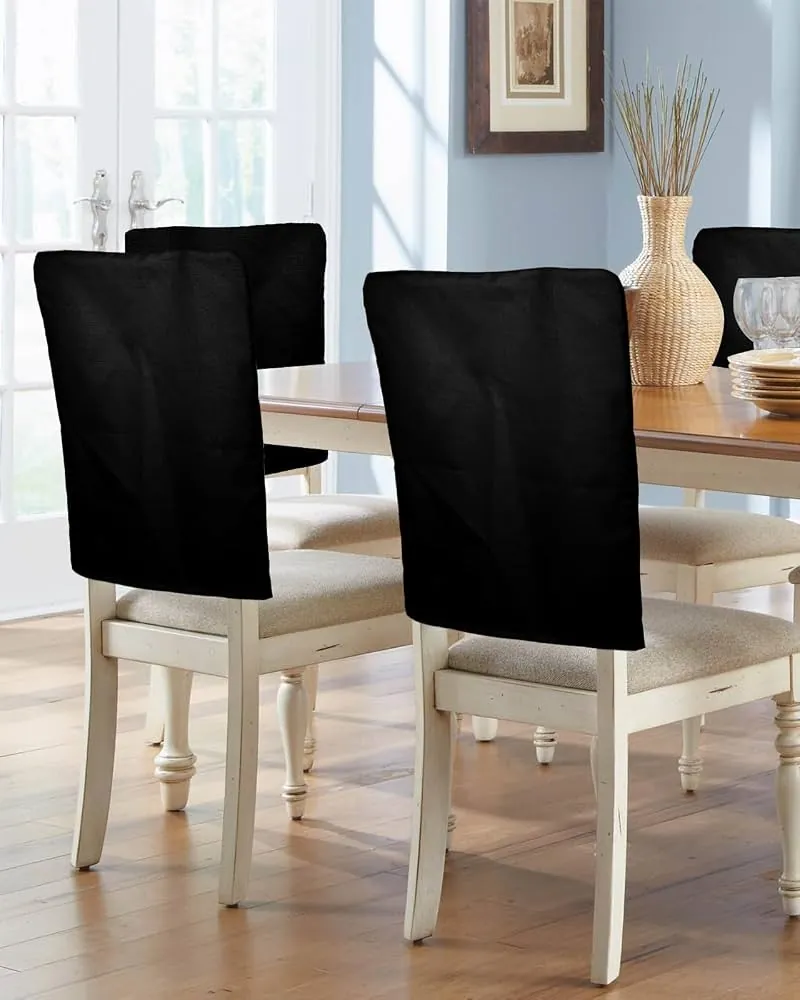
Routine maintenance handles daily soil, but embedded dirt and large-scale discoloration require commercial equipment. Hiring an IICRC-certified upholstery cleaner every twelve to eighteen months extracts deep-seated grit that household vacuums miss.
Professionals use truck-mounted hot water extraction systems calibrated to control moisture levels precisely. Over-wetting is the primary risk when cleaning linen; too much moisture penetrates the cushion foam, leading to prolonged drying times and internal mold growth. A certified technician understands how to manage the moisture balance specific to natural fibers.
Before hiring a service, ask specifically about their experience with linen. Request that they perform a pre-test on a hidden section to guarantee their solutions won’t cause shrinkage or dye bleeding. Verify their certification status through the Institute of Inspection, Cleaning and Restoration Certification directory to ensure they adhere to industry standards.
Related guides
- How to Tighten Dining Room Chairs: A Step-by-Step Fix
- 10 Best Bike Shop Tools for Professional Bicycle Maintenance in 2026
- 9 Best Septic Riser Kits for Easy Tank Access and Maintenance in 2026
Frequently Asked Questions
How often should I reapply fabric protector?
Reapply your chosen fabric protector every six months for chairs used daily in dining rooms. For accent chairs in low-traffic living areas, once a year is usually sufficient. High humidity or frequent cleaning may require more frequent applications to maintain the liquid-repelling barrier.
Can I put linen chair covers in the washing machine?
Most removable linen or cotton-blend slipcovers are machine washable on a gentle, cold-water cycle. Always check the manufacturer’s care label first. Air drying is strongly recommended to prevent severe shrinkage, as high heat damages natural flax fibers permanently.
Will baking soda damage linen upholstery?
Baking soda is a safe, mildly alkaline powder excellent for absorbing odors from linen. Sprinkle it lightly, let it sit for fifteen minutes, and vacuum it thoroughly using a soft brush attachment. Don’t leave it overnight, as prolonged contact might slightly lighten certain dyes.
How do I remove dried mud from linen?
Never wipe wet mud, as it pushes dirt deeper into the weave. Allow the mud to dry completely, then gently scrape off the crust with a dull butter knife. Vacuum the remaining dust, and dab any lingering discoloration with a mild soap solution.
Is steam cleaning safe for linen chairs?
Light steam refreshing is safe and helps relax wrinkles, but heavy steam cleaning carries risks. Excessive heat and moisture can shrink linen or cause water rings. If using a steamer, keep it moving constantly and hold it at least two inches away from the fabric surface.
Why does my linen feel rough after cleaning?
Roughness usually occurs when soap residue is left behind in the fibers after spot cleaning. Always follow any soap application with a clean, damp cloth to rinse the area thoroughly. Adding a tablespoon of white vinegar to your rinse water can help soften the flax fibers naturally.
Conclusion
Start by checking the manufacturer’s cleaning codes on your chairs today, then purchase a water-based fabric protector suitable for natural fibers. Treating the upholstery this weekend establishes a durable barrier that makes every future cleanup significantly easier and keeps your furniture looking pristine.