
Protecting suede chairs requires a proactive approach that combines regular maintenance, the application of specialized barrier sprays, and immediate action when spills occur. Because suede is an open-pored, napped leather, it lacks the protective finish found on top-grain leathers, making it highly susceptible to liquid absorption, oils, and deep-set staining. By treating the surface with a high-quality protector and establishing a consistent cleaning routine, you can significantly extend the life and aesthetic appeal of your furniture.
Key Takeaways
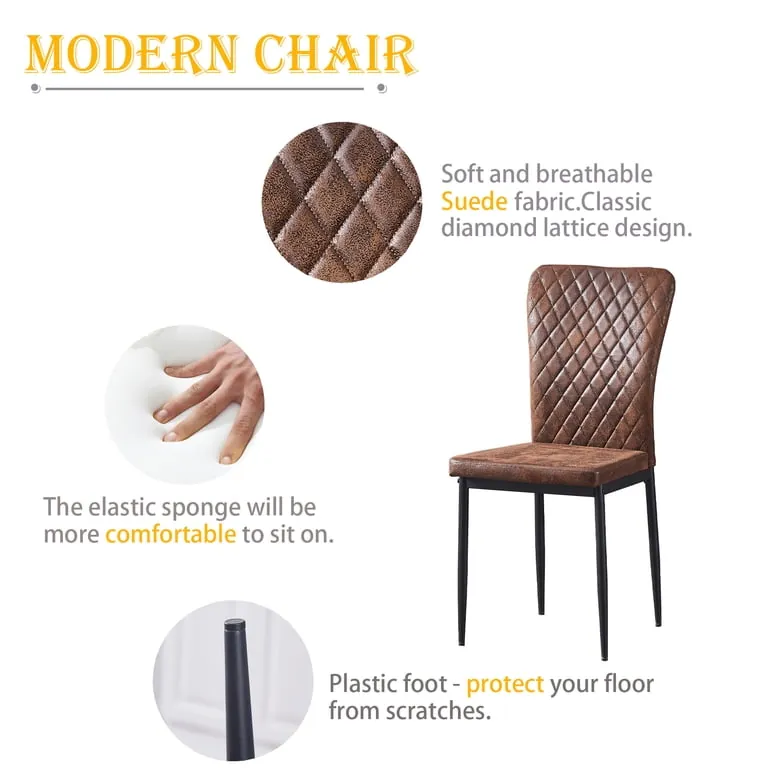
- Apply a dedicated suede protector spray at least every six months to create a hydrophobic barrier.
- Use a soft-bristled suede brush to lift dirt and restore the nap after light vacuuming.
- Never use water or standard household cleaners on suede, as they cause permanent water spots and texture changes.
- Blot spills immediately with a dry, white microfiber cloth; never rub the area, which pushes stains deeper into the fibers.
- Keep suede furniture away from direct sunlight to prevent irreversible color fading and material stiffening.
Essential Tools for Suede Maintenance
To properly care for your suede upholstery, you must invest in a specific set of tools designed for delicate napped surfaces. Using standard household brushes or rough cloths can tear the delicate fibers, causing the suede to look patchy or matted. Always keep these items in a dedicated storage bin near your furniture to ensure you can act quickly when a spill occurs or when routine maintenance is due.
| Tool Name | Primary Function | Frequency of Use |
|---|---|---|
| Suede Brush | Lifts nap and removes surface dust | Weekly or bi-weekly |
| Microfiber Cloth | Absorbs liquids and wipes debris | Immediate spill response |
| Suede Protector | Creates a moisture-resistant barrier | Every 6 to 12 months |
| Suede Eraser | Removes dried dirt and light scuffs | As needed for spot cleaning |
| Crepe Brush | Revitalizes the texture of the nap | Monthly or after cleaning |
- Suede brushes featuring soft nylon or brass bristles are the industry standard for maintaining the texture of high-end furniture.
- Microfiber cloths are essential because they provide high surface area for absorption without leaving behind lint or residue.
- Suede erasers work by gently abrading the surface to lift dry contaminants without the need for liquid cleaning agents.
How to Protect Suede Chairs Properly
The most effective method for long-term protection is the application of a professional-grade fabric or suede protector. These products work by coating each individual fiber in a fluorocarbon or silicone-based resin that repels liquids. Before applying any product, ensure the chair is entirely free of dust, as spraying over dirt will lock the contaminants into the fibers, making them impossible to remove later.
Preparing the Surface
Before applying a protective spray, perform a thorough cleaning. Start by using a vacuum with a soft brush attachment to remove loose dust from the crevices. Follow this with a light brushing using your suede brush to loosen any stuck debris. If the chair has visible surface dirt, use a suede eraser to gently buff the area in a back-and-forth motion until the dirt lifts.
Applying the Protective Barrier
Once the surface is clean, test your chosen protector on an inconspicuous area—such as the back or underside of the chair—to ensure it doesn’t alter the color. Hold the spray can approximately six to eight inches away from the fabric and apply a light, even mist across the entire surface. Allow the first coat to dry completely, which usually takes about 30 to 60 minutes, then apply a second light coat to ensure full coverage.
Warning: Always perform the application in a well-ventilated room or outdoors, as the aerosol propellants in many leather care products can be harmful if inhaled in confined spaces.
Routine Cleaning and Care Schedule
Consistent care prevents the buildup of body oils and dust, which are the primary enemies of suede. Suede is essentially the underside of the hide, meaning it doesn’t have the protective topcoat of standard leather. According to the Environmental Protection Agency, maintaining clean textiles is essential for reducing the accumulation of indoor pollutants and allergens in the home.
- Weekly: Lightly vacuum the entire surface of the chair to prevent grit from settling into the nap.
- Monthly: Use a soft-bristled brush to gently agitate the nap, ensuring it remains fluffy and doesn’t become matted.
- Quarterly: Inspect the chair for signs of wear, fading, or accidental spills that may have been missed during routine use.
- Bi-Annually: Reapply a protective spray to ensure the hydrophobic barrier remains effective against accidental spills.
Addressing Common Stains and Spills

When a spill occurs, speed is your greatest asset. Because suede is highly absorbent, liquids will soak into the material within seconds. If you spill water, coffee, or wine, grab a clean, dry white cloth immediately. Press the cloth firmly into the spill to wick away as much liquid as possible. Don’t scrub, as this will spread the stain and cause the suede to become permanently matted or distorted.
Managing Oil-Based Stains
Oil is particularly damaging to suede because it darkens the material and is difficult to remove. If you spill something oily, such as salad dressing or lotion, blot the surface with a paper towel to remove excess oil.
Then, sprinkle a small amount of cornstarch or baby powder onto the affected area. Leave the powder for several hours—or even overnight—to allow it to draw the oil out of the fibers. Once dry, brush the powder off gently with a soft brush.
Choosing the Right Suede Products
Not all cleaning products are safe for your furniture. Many “all-purpose” leather cleaners contain harsh surfactants or waxes that will ruin the texture of suede. Always look for products specifically labeled for “suede and nubuck.” Brands like Tarrago, Saphir, or Bickmore offer specialized kits that include everything from erasers to protectors.
- Tarrago High Tech Nano Protector: Known for its high-performance barrier that repels water and oil while maintaining breathability.
- Bickmore Bick 1: A reliable cleaner that’s safe for most napped leathers and helps restore the original softness of the material.
- Saphir Renovateur: An excellent choice for conditioning and protecting high-end suede, keeping the fibers supple and preventing stiffening.
Pro Tip: If you’re unsure about a product, contact the furniture manufacturer directly and ask for their recommended care guidelines, as some high-end suede is treated with factory-applied finishes that may react poorly to certain aftermarket chemicals.
Can You Use Water on Suede?
One of the most persistent myths in furniture care is that you can clean suede with water. In reality, water is one of the most common causes of permanent damage to suede upholstery.
When water hits suede, it often leaves a “water ring” or a tide mark where the minerals in the water or the uneven drying process alters the texture of the nap. If you accidentally get your chair wet, blot it immediately and let it air dry away from direct heat sources like radiators or hair dryers.
Preventing Sun Damage and Fading
Suede is highly sensitive to ultraviolet (UV) radiation. If your chair is placed in front of a window, the sun will bleach the color and cause the leather to become brittle over time. To protect your investment, consider placing suede chairs in areas of the room that don’t receive direct sunlight. If you can’t move the chair, use UV-blocking window films or curtains to filter the light during the brightest parts of the day.
How to Restore Matted Suede
If your suede chair looks flat or shiny, the nap has likely become matted due to friction or moisture. You can often restore the “fluffiness” by using a specialized crepe brush or a soft-bristled nylon brush.
Gently brush the surface in one direction, then change to the opposite direction to lift the fibers. For stubborn areas, you can hold the chair carefully above a steaming kettle—being careful not to get it wet—and then brush the nap while it’s slightly warm and supple.
Professional Cleaning vs DIY
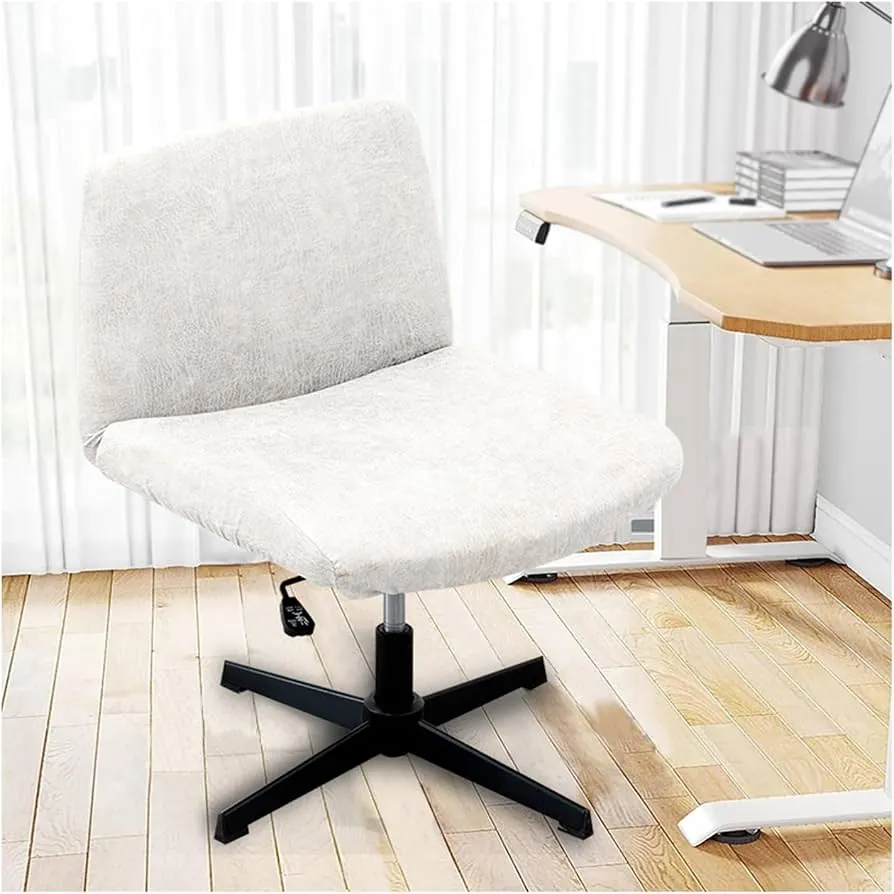
Sometimes, a stain is too deep or extensive for DIY methods. If you’re dealing with a large ink spill, heavy grime from years of use, or a deep-set stain that won’t lift with a suede eraser, it’s time to call a professional. Professional upholstery cleaners have access to industrial-grade solvents and equipment that are designed to safely clean napped leathers without causing shrinkage or discoloration.
| Situation | Recommended Strategy | Expected Outcome |
|---|---|---|
| Minor Dust/Lint | Vacuum + Soft Brush | Restored texture |
| Recent Liquid Spill | Blot + Cornstarch | Complete removal |
| Dried Surface Dirt | Suede Eraser | Clean appearance |
| Heavy/Deep Stains | Professional Cleaning | Restored condition |
Related guides
- How to Tighten Dining Room Chairs: A Step-by-Step Fix
- 10 Best Hearing Aid Amplifier Cleaning Kits for Daily Care in 2026
- 8 Best Garage Shop Floor Parking Mats for Spill Protection in 2026
Frequently Asked Questions
Is it safe to use a hair dryer on wet suede?
No, you should never use a hair dryer on suede. The intense, concentrated heat from a hair dryer can cause the natural fibers to shrink, stiffen, or crack permanently. If your suede chair becomes wet, blot the moisture with a clean cloth and allow it to air dry naturally in a cool, well-ventilated area away from direct sunlight or heat sources.
How often should I reapply protector spray?
For high-traffic furniture, you should reapply a high-quality suede protector spray every six months. If the chair is in a low-traffic area, once a year is typically sufficient. Always ensure the chair is completely clean and free of dust before applying a new layer, as spraying over dirt will lock debris into the fibers, which can cause long-term discoloration and damage.
Can I use vinegar to remove suede stains?
Avoid using vinegar or any other household acidic cleaners on suede. While vinegar is a common cleaning agent for hard surfaces, its acidity can discolor suede and strip away the natural oils that keep the leather soft. Stick to products specifically formulated for suede and nubuck to ensure the pH balance of the material is maintained and the fibers remain supple and undamaged.
What should I do if my suede chair loses color?
If your suede chair has faded due to sun exposure or wear, you may need a suede dye or color restorer. These products are designed to penetrate the fibers and re-pigment the leather. However, color matching is difficult. Always test the dye on a hidden area first, and consider consulting a professional furniture restorer if the chair is a high-value or antique piece.
Does professional cleaning ruin the suede?
Professional cleaning by a certified upholstery specialist won’t ruin your suede if they have experience with napped leathers. Professionals use specialized solvents that evaporate quickly and don’t leave behind the water-based residues that cause spotting. Always ask a potential cleaner if they have specific training in handling suede, as standard steam cleaners used for fabric sofas can cause irreversible damage to suede upholstery.
Conclusion
Taking care of your furniture ensures that the natural beauty of the material remains intact for years of enjoyment. By following these steps to clean, protect, and maintain your suede, you prevent the most common forms of damage. Start your maintenance routine today by performing a gentle vacuuming to remove any lingering dust from the fibers.