
Essential Bike Maintenance Tools
A quality tool kit helps you perform routine repairs and keep your bicycle running smoothly.
As an Amazon Associate, we earn from qualifying purchases. This post contains affiliate links – if you buy through them, we may earn a commission at no extra cost to you.
Real Life Opening
You’re ready for a weekend ride, but you notice a loose pedal or a chain that skips under pressure. These small issues often happen right when you have the least amount of time to get to a professional shop.
Having the right bike shop tools allows you to handle these adjustments at home without delay. Whether you need to tighten a bolt or replace a worn component, these picks help you get back on the road.
1. 27 Piece Bike Tool Kit

Best for: Beginners starting their home mechanic tool collection.
This kit provides a wide range of basic tools needed for common bike upkeep, including wrenches, tire levers, and a chain wear indicator. It comes in a custom-molded polycarbonate case designed to keep your tools organized and protected during transport.
Using this set is straightforward because it groups the most frequently used instruments in one package. The inclusion of a torque wrench and chain rivet extractor means you can handle more than just simple adjustments. However, this kit may not be suitable for professional mechanics who require high-precision tools for specialized, high-end bicycle components.
Pros
- Includes 27 essential maintenance tools
- Durable, protective polycarbonate storage case
- Good variety for basic bike repairs
- Suitable for most bicycle types
- Organized layout for easy access
Cons
- Not for advanced specialized repairs
Why this one: This set is the best choice for anyone wanting to jump-start their home workshop without buying individual pieces. If you need specialized shop-grade equipment for professional work, you should look at individual high-end tools instead.
2. CXWXC Bike Repair Stand -Shop Home Bicycle Mechanic Maintenance Rack

Best for: Home mechanics needing an adjustable, steady work surface.
This stand features a 360-degree rotatable clamp to hold your bike in place while you work. The height-adjustable body helps keep your posture comfortable, and the triangle base with rubber feet keeps the unit steady on your floor.
Working with this stand is efficient because it keeps your bike at an easy-to-reach level. The alloy barrel construction is designed to be lightweight yet strong enough to support bikes up to 60 pounds. the listing doesn’t mention compatibility with e-bikes
Pros
- 360-degree rotatable clamp design
- Height is fully adjustable
- Steady triangle base with rubber feet
- Includes front wheel stabilizer rod
- Lightweight, corrosion-resistant alloy construction
Cons
- Max load limit is 60 pounds
- Requires floor space for setup
Why this one: This is a great choice for home mechanics who want to save their back while performing repairs. If your bike is exceptionally heavy or you lack floor space, a wall-mounted alternative might work better for you.
3. Crankbrothers Multi Tool M 19 Gold
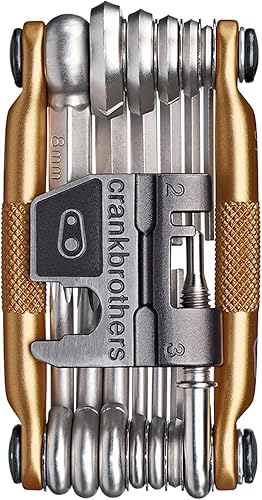
Best for: Riders needing a compact tool for trailside repairs.
This multi-tool packs 19 different instruments into a small, lightweight frame. It includes various hex wrenches, screwdrivers, spoke wrenches, and a chain tool compatible with most common speeds.
Its ergonomic side grips provide a secure hold, even if you’re wearing gloves during a cold or wet repair. The slim profile makes it easy to carry in a pocket or saddle bag.
Pros
- Includes 19 distinct functional tools
- Lightweight at only 175 grams
- Integrated chain tool included
- Lifetime warranty for long-term reliability
- Ergonomic grips for secure handling
Cons
- Short handles provide less leverage
- Not for major shop overhauls
Why this one: This is the most versatile choice for carrying on your bike. If you’re only looking for tools to keep on your workbench, dedicated full-sized wrenches will offer more power and comfort.
4. Park Tool Chain Tool

Best for: Riders who frequently need to replace chains.
This chain tool features an investment cast steel body and a comfortable T-handle design. It’s built to provide the leverage needed to push pins through chain links accurately.
Using this tool feels solid due to the steel construction and the adjustable shelf that helps hold the chain in place. It simplifies a task that can otherwise be messy and frustrating. This tool is specifically for chain work and won’t help you with other mechanical adjustments.
Pros
- Comfortable T-handle for easy use
- Durable investment cast steel body
- Adjustable locating shelf for precision
- Simple, effective design for chains
Cons
- Limited to chain repair only
- Requires separate tools for other tasks
Why this one: If you perform your own drivetrain maintenance, this tool is a reliable addition to your kit.
5. Park Tool PW-3 Pedal Wrench (15mm and 9/16

Best for: Removing and installing pedals with 15mm or 9/16-inch fittings.
The PW-3 is a dedicated pedal wrench designed to handle the specific torque required to remove stubborn pedals. It features two different open-end sizes to accommodate standard pedal threads.
The long handle provides the necessary leverage to break loose pedals that have been tightened over many miles. It’s built to last and is covered by the manufacturer’s lifetime warranty. This is a single-purpose tool that offers no utility for other bike maintenance tasks.
Pros
- Fits 15mm and 9/16-inch pedals
- High-leverage handle for stubborn parts
- Backed by a limited lifetime warranty
- Made in the USA
Cons
- Single-purpose tool design
- Heavy compared to smaller tools
Why this one: This wrench is a must-have for anyone who swaps pedals often or travels with their bike.
6. Cassette Removal Tool Set
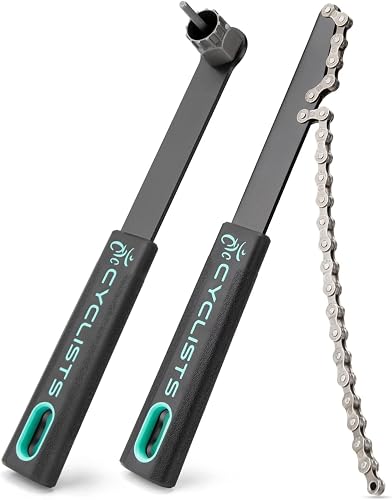
Best for: Cleaning or replacing your bike cassette.
This set includes a chain whip and a lock ring tool, which are both required to remove a cassette. The tools feature long, ergonomic rubber handles that allow you to apply the force needed to loosen a tight lock ring.
Operating these tools is intuitive, as the chain whip holds the cassette in place while the lock ring tool unscrews the fastener. It’s compatible with most Shimano and SRAM cassettes. This set isn’t compatible with non-standard proprietary cassette systems.
Pros
- Includes both chain whip and lock ring tool
- Ergonomic non-slip rubber handles
- Provides ample leverage for removal
- Compatible with 7 to 11-speed cassettes
- Hardened quality steel construction
Cons
- Only for specific cassette types
- 6-month limited guarantee period
Why this one: This is the best way to handle cassette maintenance yourself. If you have a bike with a unique or proprietary drivetrain, check compatibility first to ensure these tools will fit.
7. CycloSpirit Derailleur Hanger Alignment Gauge

Best for: Fixing shifting issues caused by a bent derailleur hanger.
This gauge helps you align your derailleur hanger to ensure smooth gear changes. It’s compatible with wheel sizes ranging from 20 inches to 29 inches and includes a manual for step-by-step guidance.
Using this tool is a precise way to stop clicking sounds and jumping gears. It’s built from heavy-gauge material meant to withstand frequent use.
Pros
- Helps fix clicking and shifting issues
- Compatible with 20” to 29”+ wheels
- Includes clear step-by-step instructions
- Heavy-gauge construction for durability
Cons
- Requires careful, slow operation
- Not for all mechanical issues
Why this one: If your bike is skipping gears, this tool is the most accurate way to find and fix the problem. If you aren’t comfortable with fine adjustments, you may want to have a shop handle derailleur alignment.
8. Gorilla Force Bike Tire Levers Set

Best for: Removing tight tires without scratching your rims.
These tire levers are made from proprietary, engineering-grade plastic that’s stiff enough to handle tight beads but soft enough to protect carbon or aluminum rims. They feature a unique U-channel structure for added strength.
The levers snap together for easy storage, making them perfect for a saddle bag or tool kit. Their bright color makes them easy to find if you drop them on the trail. They aren’t intended for prying anything other than bicycle tires.
Pros
- Stiff, strong engineering-grade plastic
- Won’t scratch carbon or aluminum rims
- Snap-together design for easy storage
- Lightweight and compact size
- Finger grips improve control
Cons
- Limited to tire removal tasks
Why this one: These are the best levers for protecting rims while dealing with stubborn tires. If you have very loose tires, almost any lever will work, but these offer better durability.
9. Bike Hub Cone Wrench

Best for: Adjusting hub bearings in tight spaces.
These wrenches are designed with a slim 2mm thickness, allowing them to fit into the narrow spaces found on bicycle hubs. The double-headed design covers four common nut sizes.
The carbon steel material is strong and designed to resist bending during use. The bumped grip provides a better hold, which is helpful when you’re working with greasy components. These are specialized tools and won’t be useful for general bolt tightening.
Pros
- Slim 2mm design for tight spaces
- Includes 13, 14, 15, and 16mm sizes
- Made from strong carbon steel
- Comfortable bump-grip handle
- Lightweight and highly portable
Cons
- Specialized for hub nuts only
Why this one: If you need to service your own hubs, these slim wrenches are essential. If you never perform bearing maintenance, you’ll likely not need these in your kit.
10. Pawfly Upgraded Bicycle Crank Puller Set

Best for: Removing square taper and splined crank arms.
This tool is designed to safely remove crank arms without damaging your bottom bracket or frame. It’s made from high-carbon steel and features a 3-layer electroplated finish for corrosion resistance.
The 20-tooth socket ensures a secure fit, preventing slippage during the removal process. It’s compatible with a wide variety of crank types, including Shimano Octalink and ISIS. This tool isn’t for riders who only have modern press-fit systems.
Pros
- Compatible with most common crank types
- Made from durable high-carbon steel
- 20-tooth socket for secure engagement
- Corrosion-resistant electroplated finish
- Compact and easy to transport
Cons
- Not for press-fit crank systems
Why this one: This is the correct tool for removing older or standard-style crank arms safely. If you have a modern bike with a different proprietary crank system, verify your specific model before using this puller.
How to Choose Yours
Your choice should depend on the type of bike you own and the maintenance tasks you feel comfortable doing yourself. Start by identifying the specific parts of your bike that require regular attention.
- Do you perform your own drivetrain cleaning and chain replacements?
- Is your bike frame made from carbon fiber, requiring non-scratch tools?
- Do you need tools that fit into a small saddle bag for rides?
- Are you working on a modern mountain bike or an older road bike?
- Do you have the floor space for a dedicated bike repair stand?
- Are you comfortable learning to use specialized tools like alignment gauges?
The Verdict for Most People
For most home mechanics, the 27 Piece Bike Tool Kit is the best starting point because it covers a broad range of common maintenance needs in one organized package. It provides the essential instruments for basic upkeep, such as chain tools and wrenches, without requiring you to buy everything individually.
If you’re a serious rider who performs frequent drivetrain overhauls or builds your own bikes, you should skip the kit and purchase professional-grade individual tools like the Park Tool CT-3.3 or dedicated cassette sets. Choosing the right gear depends on your willingness to learn and the complexity of your bike’s components.
Related guides
- 7 Best Air Pressure for Road Bike Tires Tools and Gauges in 2026
- How to Change a Mongoose Bike Tire: Step-by-Step Guide
- How to Fix a Leaky Bike Tire: Step-by-Step Repair Guide
Frequently Asked Questions
How do I know if these tools fit my bike?
Most bike tools are designed to work with industry-standard sizes, such as 15mm for pedals or specific splines for cassettes. Check your bike’s technical manual or official manufacturer documentation to confirm the standards your components use before attempting any repair.
Is it hard to learn how to use a chain tool?
Using a chain tool is simple once you understand the alignment. You must ensure the pin is perfectly centered with the chain link before you turn the handle to push the pin out.
Can I damage my bike if I use the wrong tool?
Yes, using the wrong tool can strip bolt heads or damage delicate components like carbon fiber rims. Always ensure the tool fits snugly and stop if you feel excessive resistance that might indicate a mismatch.
Do I really need a repair stand?
A stand isn’t strictly necessary, but it makes every task much easier by holding the bike at a comfortable height. It also prevents the bike from falling over while you’re applying force to stuck bolts.
What is the most important tool for a beginner?
A good set of hex keys is the most versatile tool because almost every component on a modern bike uses them. Start with a quality hex set before moving on to specialized items like crank pullers or cassette tools.
Final Thoughts
Investing in durable gear makes every ride more enjoyable and saves you plenty of time at the shop. Once you’re comfortable with these basics, try tackling a simple chain cleaning or tire swap this weekend. You’ll find that keeping your bike in top shape doesn’t have to be a chore at all.