
Protecting leather chairs requires a consistent routine of cleaning, conditioning, and environmental management to prevent the material from drying out, cracking, or fading over time. By maintaining the natural oils within the hide and creating a protective barrier against external contaminants, you can significantly extend the lifespan of your furniture. Proper care isn’t about deep-cleaning once a year; it’s about small, frequent actions that preserve the integrity of the grain and the vibrancy of the pigment. Whether you own high-end aniline leather or more durable pigmented leather, the fundamental principles of protection remain largely the same.
Key Takeaways

- Dust your leather chairs weekly with a soft, dry microfiber cloth to prevent abrasive particles from scratching the surface.
- Keep leather furniture at least two feet away from heat sources like radiators, fireplaces, and direct sunlight to prevent premature drying and color fading.
- Apply a high-quality leather conditioner every three to six months to replenish natural oils and maintain suppleness.
- Blot spills immediately with a clean, absorbent cloth rather than rubbing, which can push liquids deeper into the porous surface.
- Test any new cleaning or conditioning product on a small, hidden area of the chair before applying it to the entire surface.
How to Protect Leather Chairs Properly
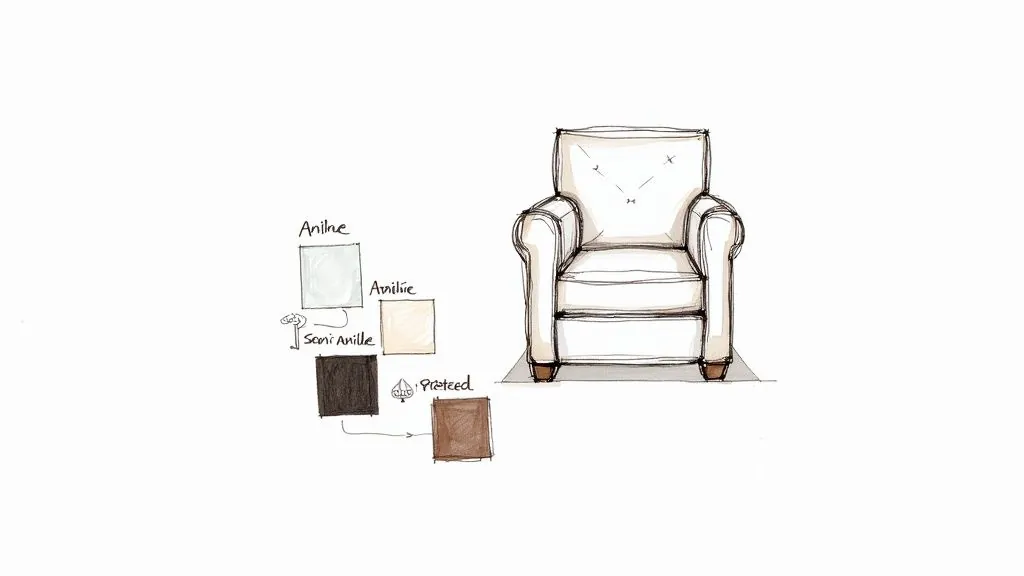
Protecting your investment begins with understanding the specific type of leather you own. Most residential furniture falls into one of three categories: aniline, semi-aniline, or pigmented (protected) leather. Aniline leather is the most natural and delicate, lacking a heavy protective coating, which makes it highly susceptible to stains. Pigmented leather, by contrast, features a polymer coating that provides a robust shield against spills and wear. Regardless of the type, preventative maintenance remains your best defense.
The most critical step in your protection strategy is controlling the environment. Leather is a natural material that “breathes,” meaning it reacts to humidity and temperature changes. When the air is too dry, the fibers lose moisture and become brittle.
When the air is too humid, you risk mold growth. According to the United States Environmental Protection Agency, maintaining indoor humidity levels between 30% and 50% helps prevent mold development on porous surfaces and protects the structural integrity of organic materials.
Regular Cleaning and Dusting Routine
Consistency is the secret to long-term furniture health. Dust acts like sandpaper; as you sit on the chair, the fine grit grinds against the leather fibers, eventually wearing through the finish. A weekly wipe-down with a microfiber cloth removes these particles before they can cause damage. Avoid using feather dusters, which may simply push dust into the crevices where it can attract moisture and bacteria.
For light cleaning, use a damp—not wet—cloth. If you need to use a cleaner, ensure it’s pH-balanced and specifically formulated for leather. Never use household soaps, detergents, or multi-surface sprays, as these often contain harsh chemicals that strip the leather of its natural finish.
| Cleaning Frequency | Method | Tool Required |
|---|---|---|
| Weekly | Dry dusting | Microfiber cloth |
| Monthly | Damp wipe | Distilled water |
| Quarterly | Deep condition | Leather-specific cream |
| As Needed | Spill removal | Absorbent white cloth |
Choosing the Right Conditioning Products
Conditioning is the process of replacing the moisture that leather loses over time. Without regular conditioning, leather eventually loses its elasticity and begins to crack, particularly in high-use areas like the seat and headrest. When selecting a product, look for natural oils like lanolin or neatsfoot oil, but avoid products that contain silicones, waxes, or heavy petroleum derivatives, as these can clog the pores of the leather and leave a sticky residue.
When applying conditioner, follow the “less is more” rule. Excess product will sit on the surface, attracting more dirt and potentially darkening the leather. Apply a small amount to a soft applicator pad and work it into the leather using gentle, circular motions. Allow the chair to absorb the conditioner for several minutes, then buff the surface lightly with a clean, dry cloth to remove any remaining residue.
How to Prevent Sun Damage
Sunlight is the primary enemy of leather color. Ultraviolet (UV) radiation breaks down the pigments and dyes within the hide, causing the leather to bleach and fade unevenly. If your chair is positioned near a window, consider using UV-filtering window films or sheer curtains to mitigate the impact of direct sunlight. Fading is often permanent, and while some leather dyes can be touched up, restoring the original look of a sun-bleached hide is a difficult and expensive process.
Warning: Never place leather chairs directly in front of heating vents or radiators. The concentrated heat will draw moisture out of the leather rapidly, causing it to stiffen and crack in a matter of months.
Managing Spills and Stains
Accidents happen, but the damage is determined by your reaction time. If a liquid spills on your leather chair, your immediate goal is to lift the liquid off the surface before it has a chance to soak into the pores. Use a clean, dry cloth or a paper towel to blot the spill gently. Never rub the area, as this forces the liquid deeper into the leather fibers.
If the spill involves oil or grease, the treatment is different. Sprinkle a small amount of cornstarch or baking soda onto the spot and leave it for several hours to absorb the oil. Afterward, gently brush the powder away with a soft-bristled brush. For stubborn stains, you may need a specialized leather cleaner designed for ink or protein-based stains, but always check the manufacturer’s care guide first to ensure compatibility with your specific finish.
What Causes Leather to Crack?
Cracking is the final stage of neglected leather. It occurs when the hide has been stripped of its natural fats and oils, causing the fibers to lose their flexibility. When you sit on dry leather, the material can’t stretch and return to its original shape, leading to micro-tears that eventually expand into visible cracks. Common culprits include:
- Excessive heat exposure from fireplaces or sunlight.
- Lack of humidity in the home during winter months.
- Using harsh chemical cleaners that dissolve the protective topcoat.
- Failure to apply conditioner to replace lost moisture.
- Accumulated body oils and sweat that degrade the leather finish.
Recommended Tools and Supplies
Investing in the right kit will make the process of protecting your leather chairs much easier. Avoid “all-in-one” products that claim to clean and condition simultaneously, as these are rarely as effective as dedicated, single-purpose solutions.
- pH-balanced leather cleaner (e.g., Lexol or Chemical Guys).
- High-quality leather conditioner (e.g., Leather Honey or Chamberlain’s Leather Milk).
- Soft microfiber towels for dusting and buffing.
- Soft-bristled horsehair brush for cleaning crevices.
- Distilled water for damp wiping.
Protecting Leather From Pets
Pets pose a unique set of challenges for leather furniture. Their claws can puncture the protective finish, and their body oils can permanently stain the leather. If you allow pets on your chairs, consider using a heavy-duty furniture throw or blanket to provide a physical barrier. If a pet does scratch the leather, you can sometimes minimize the appearance by gently buffing the area with a leather conditioner, which helps to blend the scratch into the surrounding surface.
Pro Tip: If your pet has caused a deep scratch, avoid trying to sand it down yourself, as this will remove the protective finish and leave the leather vulnerable to further staining.
Comparing Leather Care Methods
Choosing the right approach depends on your lifestyle and the age of your chairs. While some people prefer natural, homemade solutions, these can be unpredictable. Commercial products are generally safer because they’re formulated to work within specific pH ranges.
| Method | Advantages | Disadvantages |
|---|---|---|
| Commercial Creams | Consistent, reliable, easy | Can be expensive |
| Natural Oils | Inexpensive, non-toxic | Can leave residue, attract dust |
| Professional Cleaning | Deep restoration, expert care | High cost, inconvenient |
| DIY Cleaning | Quick, accessible | Risk of damaging finish |
When to Call a Professional
Sometimes, the damage is beyond the scope of home care. If your chair has deep tears, significant color loss, or structural damage, a professional leather technician is your best option. Professionals have access to industrial-grade dyes and repair compounds that can color-match and restore the hide to a nearly factory-new condition. Don’t attempt to use off-the-shelf “leather repair kits” for large tears, as these often result in a patch that looks worse than the original damage.
Related guides
- Best Weather Resistant Patio Chairs for Lasting Comfort and Style in 2026
- How to Tighten Dining Room Chairs: A Step-by-Step Fix
- 10 Best Hearing Aid Amplifier Cleaning Kits for Daily Care in 2026
Frequently Asked Questions
Can I use olive oil to condition my leather chairs?
No, you should never use olive oil or other food-grade oils on leather. While it may seem to soften the material initially, these oils aren’t designed for leather and will eventually turn rancid, attract dust, and clog the pores of the hide. This can lead to permanent discoloration and rot over time. Always use a purpose-made leather conditioner that’s formulated to penetrate and protect.
How often should I deep clean my leather furniture?
You should aim for a thorough cleaning and conditioning session every three to six months. If your chairs are in a high-traffic area or exposed to direct sunlight, you might consider doing it every three months. For pieces that are used sparingly, twice a year is typically sufficient to keep the leather hydrated and supple without over-saturating the material.
Will leather conditioner darken my chair?
Some conditioners can slightly darken leather, especially if the leather is light-colored, unfinished, or aniline. This is why testing in an inconspicuous area is mandatory. Always apply the product to a hidden spot, such as the underside of the seat or the back, and let it dry completely to see if the color changes before you treat the entire piece of furniture.
Can I use baby wipes to clean leather?
It’s best to avoid baby wipes for regular leather maintenance. Many baby wipes contain alcohol, fragrances, or other chemicals that can break down the protective topcoat of the leather and cause it to dry out or crack prematurely. Stick to a slightly damp, soft microfiber cloth and a dedicated leather cleaner to ensure the safety and longevity of your furniture finish.
How do I remove ink stains from leather?
Ink stains are difficult to remove and require immediate action. If the ink is fresh, try blotting it with a clean cloth. If it has set, you may need a specialized leather ink remover. Don’t scrub the area, as this will spread the ink. If the stain persists, consult a professional leather restorer, as harsh DIY methods often remove the leather’s original color.
Conclusion
Maintaining the beauty and durability of your leather chairs is a manageable task if you commit to a routine of gentle care and environmental awareness. Start today by dusting your chairs with a soft cloth and checking for any areas that feel dry to the touch. Consistent, small efforts will keep your leather furniture looking excellent for many years to come.