
Placing accent chairs effectively requires balancing the visual weight of your furniture with the natural traffic flow of your home to create inviting, functional seating nooks. By strategically positioning these versatile pieces, you can transform an awkward corner into a cozy reading retreat or add necessary symmetry to a sprawling living room layout. The goal is to provide additional seating that feels intentional rather than like an afterthought pushed against a wall, ensuring that every chair serves a clear purpose while enhancing the overall aesthetic harmony of the space.
Key Takeaways
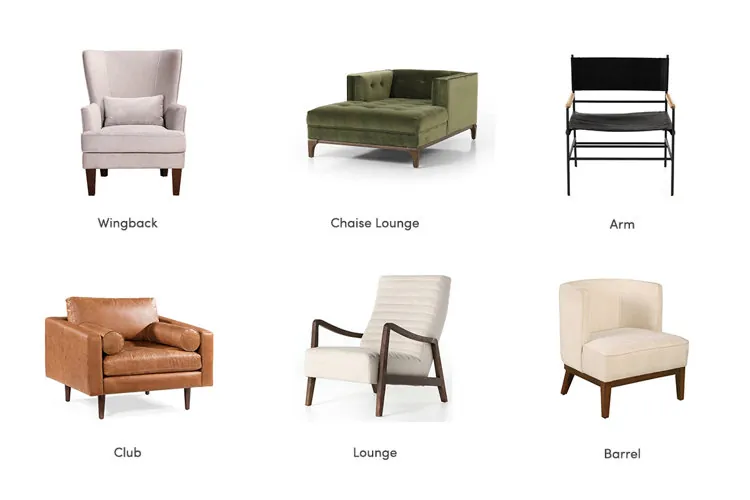
- Maintain a minimum of 30 inches of clearance around chairs to ensure easy movement through your living area.
- Use accent chairs to anchor a conversation circle by angling them toward the primary sofa or fireplace.
- Pair chairs with a side table and task lighting to create a self-contained, functional seating zone.
- Consider the visual weight of the frame and fabric to avoid making a small room feel cluttered or cramped.
- Create symmetry by placing identical chairs on either side of a console table, window, or fireplace mantel.
How to Place Accent Chairs Correctly
The placement of an accent chair depends heavily on the room’s primary function and the existing furniture arrangement. In a standard living room, the most common error is floating a chair in the middle of a room without grounding it. To avoid this, always pair your chair with a rug or a specific piece of furniture.
If you’re placing a chair near a doorway, ensure it doesn’t obstruct the flow of traffic. A good rule of thumb is to allow for at least 30 inches of walking space between furniture pieces, as recommended by the University of Illinois Extension for comfortable interior traffic patterns.
When choosing a spot, evaluate the visual sightlines of the room. You want the chair to draw the eye toward a focal point, such as a large window, a piece of art, or a hearth. Avoid placing chairs in a way that forces guests to turn their backs to the main conversation area. Instead, angle the chair slightly inward to keep the occupant connected to the rest of the room.
Which Layout Works for You?
Choosing the right configuration depends on the size of your room and the number of people you typically host. For smaller apartments, a single chair tucked into a corner with a floor lamp creates a dedicated reading nook without sacrificing floor space. In larger rooms, you have the luxury of creating secondary conversation zones.
| Layout Type | Best Use Case | Key Furniture Component |
|---|---|---|
| Corner Nook | Reading and relaxing | Floor lamp and ottoman |
| Symmetrical Pair | Formal living rooms | Console table or fireplace |
| Conversation Cluster | Hosting and entertaining | Coffee table and rug |
| Entryway Accent | Quick seating and decor | Small bench or side chair |
Where to Put Chairs for Symmetry
Symmetry is a powerful tool for creating a sense of order and calm in a room. By placing two identical accent chairs side-by-side or facing each other, you establish a balanced focal point. This approach works exceptionally well in front of a window or on either side of a fireplace. When using a pair, ensure they’re identical in size and shape to maintain the visual balance, though the fabric can vary if you want a more eclectic look.
Using matching side tables between the chairs can further enhance this balanced appearance. If the chairs are placed in front of a fireplace, angle them slightly toward the center of the hearth. This creates a cozy, intimate vibe that invites people to sit and chat while still acknowledging the primary architectural feature of the room.
Can You Use Chairs in Corners?
Corners are often neglected, yet they offer the perfect opportunity to utilize an accent chair effectively. A chair placed in a corner acts as a “destination,” signaling that this is a place to pause and recharge. To make a corner chair feel intentional, you must add supporting elements. A tapered floor lamp placed behind or beside the chair provides necessary task lighting, while a small circular side table gives the occupant a place to set a drink or a book.
Warning: Avoid pushing the chair too tightly into the corner, which can make the space feel claustrophobic and inaccessible. Pull the chair out a few inches from the wall to allow for a sense of airiness. Adding a piece of wall art or a tall indoor plant next to the chair can help bridge the gap between the furniture and the architecture, making the corner feel like a curated display.
How to Balance Visual Weight
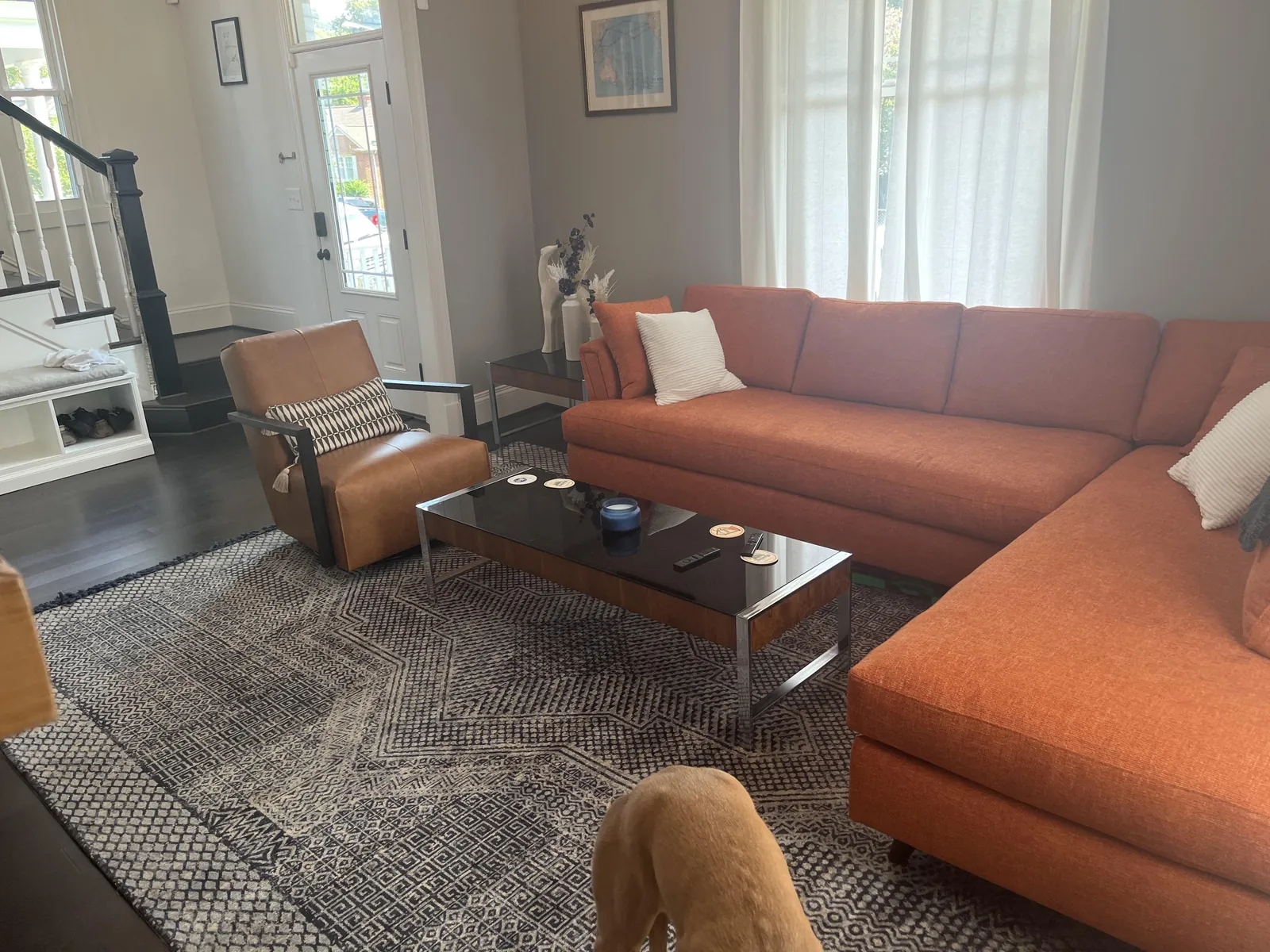
Visual weight refers to how much “space” a piece of furniture appears to occupy based on its size, color, and design. A heavy, overstuffed armchair in a dark velvet fabric will feel much larger than a sleek, mid-century modern chair with exposed wooden legs. To achieve a balanced look, you must distribute these weights throughout the room. If your sofa is large and bulky, balance it with two lighter, airy accent chairs rather than another heavy piece.
- Lightweight options: Chairs with thin metal or wooden legs, open backs, or light-colored upholstery.
- Heavy options: Fully upholstered chairs, deep-seated wingbacks, or oversized leather recliners.
If you have a room filled with heavy furniture, incorporate chairs with open silhouettes to allow light to pass through. This keeps the room from feeling like a storage unit for furniture and ensures that the space remains breathable and inviting.
Does Traffic Flow Matter?
Traffic flow is the invisible path people take to move through a room. If you place an accent chair in the middle of this path, it will constantly be bumped into, leading to a cluttered and frustrating living environment. Before you finalize your placement, walk through the room several times. If you find yourself having to veer around a chair, it’s in the wrong spot.
Pro Tip: Use masking tape on the floor to outline the footprint of the chair before you move it. This allows you to test the flow of the room without the physical strain of dragging heavy furniture across your floors.
Ensure that the path to the main seating area is clear. If your chair is part of a conversation circle, make sure the clearance space allows guests to walk behind the chairs without hitting them. In high-traffic areas like a hallway or an entryway, choose a slim-profile chair that doesn’t protrude into the walkway.
Incorporating Chairs into Conversation Areas
The most common placement for an accent chair is as a complement to the sofa. To make your conversation area work, the chairs should be positioned to encourage interaction. Placing them at a 45-degree angle to the sofa creates a welcoming, open space. If you have a large living room, you might consider a U-shaped arrangement with the sofa at the center and two accent chairs flanking the sides.
Maintain a distance of 14 to 18 inches between the chair and the coffee table. This allows for enough legroom to be comfortable while still keeping drinks and snacks within easy reach. If the chairs are too far from the coffee table, the room will feel disconnected and fragmented. If they’re too close, the space will feel cramped and difficult to navigate.
Should You Use Different Fabrics?
Many people worry that their accent chairs must match their sofa perfectly. In modern interior design, mixing fabrics is actually encouraged to add depth and personality to a room. You can choose a bold, patterned fabric for the chairs to act as a statement piece, while keeping the sofa in a neutral, solid tone. Alternatively, if your sofa has a unique texture or color, choose chairs in a complementary neutral shade to keep the focus on the main piece.
When mixing fabrics, consider the following:
- Scale of pattern: If your sofa is patterned, choose solid-colored chairs.
- Texture: Mix a smooth leather sofa with textured linen or velvet chairs for tactile interest.
- Color harmony: Use the accent chair to pull a secondary color from a rug or throw pillow to tie the room together.
How to Style Your Accent Chair
A chair alone can look lonely, but a styled chair becomes a design feature. Use accessories to elevate the look and comfort of the piece. A high-quality throw blanket draped casually over the arm or back of the chair adds softness and color. A decorative lumbar pillow can provide essential back support while introducing a new texture or geometric pattern to the room.
Consider placing a small, decorative tray on the side table next to the chair to hold small items like coasters, a candle, or a book. This creates a “moment” of design that feels intentional and well-thought-out. If the chair is near a window, consider layering the window treatments so that they frame the chair, creating a dedicated scene for that specific area of the room.
Troubleshooting Common Placement Issues
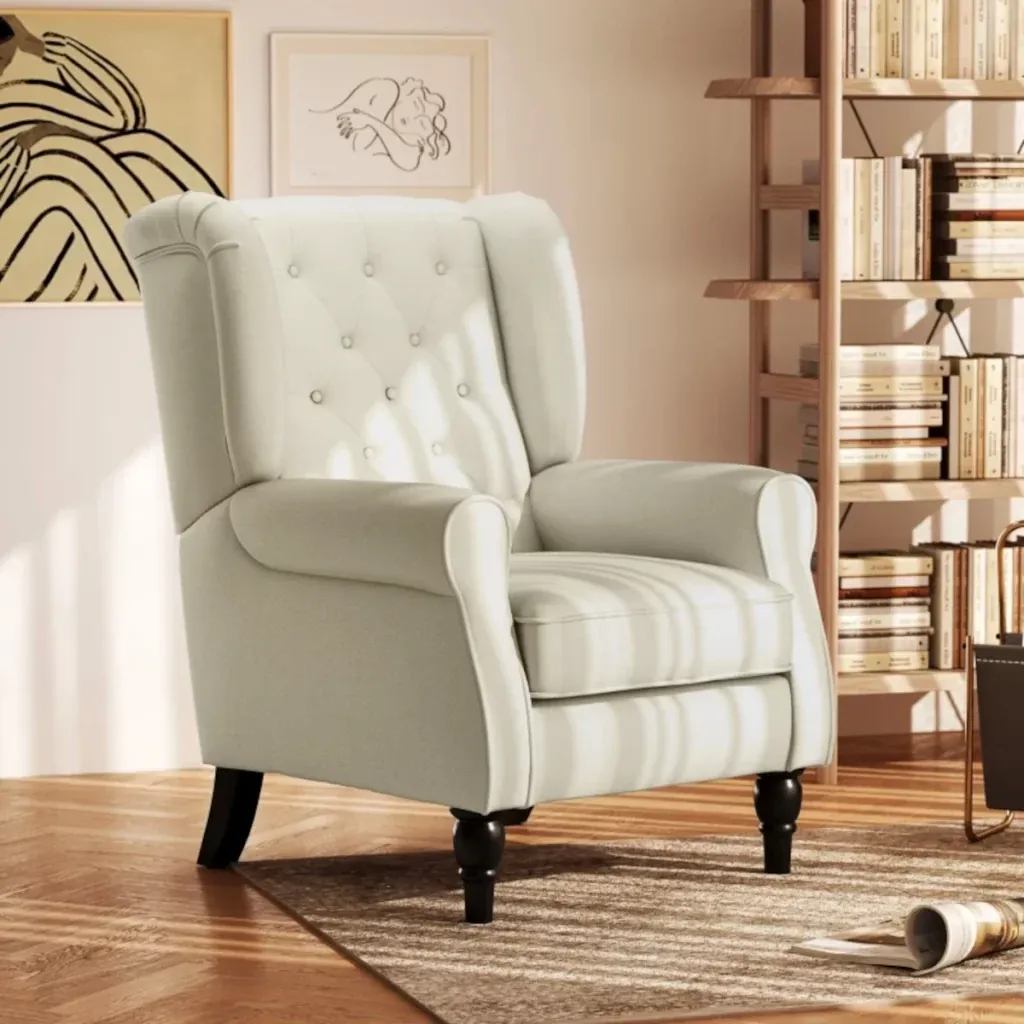
Even with the best planning, some spaces remain difficult to furnish. If you feel like your chairs are floating, it’s likely because they lack a rug. A rug acts as a visual boundary that contains the furniture and defines the seating area. Ensure at least the front legs of the chair are sitting on the rug to anchor it to the rest of the furniture.
If your chairs feel too small for the room, group them with taller elements like a floor lamp or a tall piece of art. This adds vertical interest and makes the chair feel more substantial. Conversely, if your chairs feel too large, remove the decorative pillows or opt for a chair with a lower back profile to reduce the visual bulk.
| Problem | Potential Solution |
|---|---|
| Chair feels isolated | Place on a rug or add a side table |
| Room feels cluttered | Swap for chairs with open legs |
| Traffic is blocked | Move chair 12 inches away from path |
| Lack of comfort | Add lumbar pillow and task light |
Frequently Asked Questions
How far should accent chairs be from the sofa?
You should aim for a distance of approximately 14 to 18 inches between your accent chairs and the coffee table, which is usually positioned in front of your sofa. This spacing provides enough room for people to move comfortably while still ensuring that drinks, books, or snacks placed on the table remain within easy reach. The goal is to keep the conversation group intimate and accessible.
Do accent chairs need to match each other?
Accent chairs don’t need to match perfectly, but they should share a common design language or scale to maintain visual balance. You can choose different styles if you keep the colors or textures coordinated, or you can use identical chairs for a more formal, symmetrical look. Mixing styles is a great way to add personality, provided the pieces relate well through size and color.
Can I put an accent chair in a small bedroom?
Yes, an accent chair is an excellent addition to a small bedroom, provided you choose a compact, armless, or low-profile design. Placing it in an unused corner with a small side table creates a functional reading spot without overcrowding the floor. Ensure the chair doesn’t block the path to your closet or the door, keeping the walking area clear for daily movement.
How do I know if an accent chair is the right scale?
To determine if a chair is the right scale, measure your existing sofa’s seat height and back height. Ideally, the accent chair should be of a similar or slightly lower height to ensure visual harmony. If the chair is significantly taller or wider than your other furniture, it will dominate the room. Always use painter’s tape to mark the dimensions on your floor before purchasing.
Should accent chairs face the TV or the room?
If your living room is primarily for entertainment, angling the chairs toward the TV is practical. However, for a more versatile layout, angle the chairs toward the center of the conversation area or the fireplace. This keeps the space feeling open and social. If you have the space, you can even angle them to face both the sofa and the TV, providing flexibility for different activities.
Conclusion
Arranging your home is an ongoing process of refining how your furniture supports your daily life. Start by clearing your walking paths to ensure the room feels spacious, then group your accent chairs with a small table and a lamp to create a cozy, functional zone. By adjusting the angle and adding personal touches like pillows or rugs, you’ll create a space that feels both stylish and welcoming to everyone who enters.