
You can easily maintain the appearance of your furniture by cleaning white leather chairs with a gentle, damp cloth and a mild soap solution.
Required Supplies for Leather Care
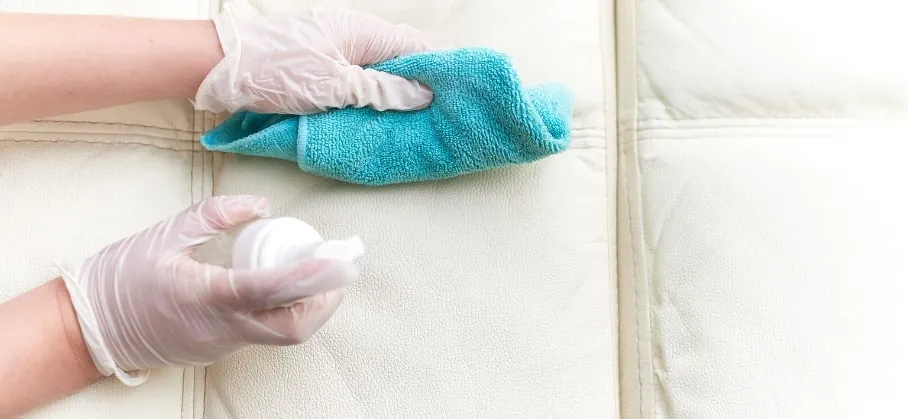
You should gather your tools before starting to ensure the process remains efficient. Using the wrong tools can damage the finish or leave residue on the leather surface.
| Item | How much | Why it’s needed | A substitute |
|---|---|---|---|
| Microfiber cloth | 2 pieces | Wiping without scratching | Cotton towel |
| Mild liquid soap | 1 teaspoon | Removing surface oils | Leather cleaner |
| Distilled water | 1 cup | Preventing mineral deposits | Filtered water |
| Soft-bristled brush | 1 unit | Reaching textured grain | New toothbrush |
| Leather conditioner | 15 milliliters | Maintaining material flexibility | None — don’t swap |
Always verify your cleaner is pH-balanced. If the label lacks this detail, test it on an inconspicuous seam first. If the leather darkens or stiffens after drying, the product is too harsh for your specific hide.
Avoid using standard household sponges. Their abrasive side can strip the protective topcoat, leading to permanent scuffs. Stick to microfiber to lift debris without friction.
When choosing a conditioner, check the ingredient list for waxes. Waxes create a barrier that prevents the leather from breathing, which eventually causes cracking. If your item is exposed to heavy rain, use a wax-based balm. If it stays in a climate-controlled office, use a cream-based conditioner instead.
Finally, never apply water directly to the hide. Dampen your cloth first to control moisture levels. Excessive water penetration causes water spots and potential mold growth within the fibers. If you accidentally soak the material, pat it dry immediately and allow it to air-dry away from direct heat sources like radiators.
Preparation Before Cleaning
Vacuum the entire surface of the chair using a soft brush attachment to remove loose dust and grit. This step prevents you from grinding abrasive particles into the hide during the wet cleaning process.
Check the manufacturer’s manual for specific warnings regarding your leather type. Aniline leather is porous and will absorb liquids instantly, while pigmented leather features a protective coating that resists moisture. Using a heavy cleaner on aniline leather often results in permanent water spots.
Move the chair to a well-lit area where you can see all corners, but ensure it’s away from direct sunlight. Heat from the sun accelerates the evaporation of cleaning agents, which can cause them to streak or leave a tacky residue.
Test your cleaning solution on a small, hidden spot under the seat. Wait ten minutes for the area to dry completely before checking for color transfer or finish damage. If the cloth comes away with any pigment, stop immediately.
If your chair has deep cracks or peeling, don’t attempt a deep clean. These compromised areas act like open wounds, and introducing moisture will cause the leather fibers to rot or expand, leading to irreversible structural failure. Professional repair is the only way to seal these gaps safely.
Step-by-Step Cleaning Process
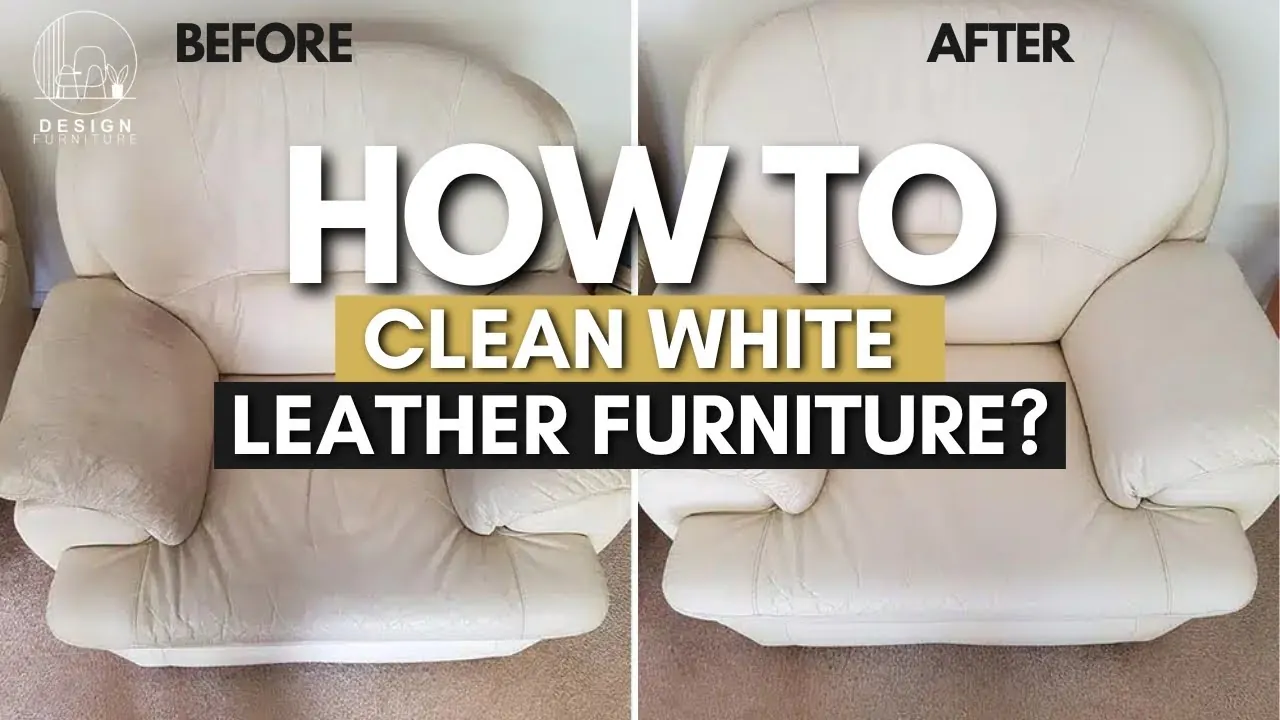
- Mix 1 teaspoon of mild soap into 1 cup of distilled water in a small bowl until you see light bubbles form on the surface.
- Dampen your first microfiber cloth in the solution and wring it out thoroughly so it feels slightly moist but never dripping wet.
- Wipe the leather in long, even strokes starting from the top of the chair back and moving down toward the seat cushion.
- Use the soft-bristled brush to gently scrub any stubborn marks or dirt trapped within the natural grain of the leather surface.
- Rinse your cloth in clean water and wipe the area again to remove any soap residue that could attract future dust.
- Dry the leather immediately using your second clean, dry microfiber cloth, moving in a buffing motion until the surface feels smooth.
- Apply a thin layer of leather conditioner to the entire surface using a fresh cloth to keep the material supple and crack-resistant.
- Allow the chair to air dry completely for at least 60 minutes in a cool room before you sit on it again.
Signs of Success and Re-cleaning
A successful cleaning session leaves the leather looking matte or having a subtle, natural sheen. The surface should feel smooth to the touch, and you should see no dark spots or streaks left behind by the soap. If you notice a sticky residue, you likely used too much soap; simply wipe the surface again with a cloth dampened only with distilled water to correct this.
If the chair still looks dull or you see visible dirt in the creases, you may need a second round of cleaning. If the dirt persists after two attempts, stop. Continuing to scrub will only wear down the grain of the hide.
If the discoloration is deep beneath the surface, it’s likely a permanent dye transfer that soap can’t remove. You can distinguish this by pressing a damp white cloth against the spot for thirty seconds. If no pigment transfers to the cloth, the color loss is structural rather than surface-level grime.
Always avoid using harsh solvents or bleach on leather, as these chemicals strip the protective finish and lead to rapid cracking. If the stain persists after two attempts, seek professional leather cleaning services. Professionals use specialized pH-balanced surfactants that lift deep-set oils without compromising the integrity of the finish.
Troubleshooting Common Issues
| What happened | Why | What to do |
|---|---|---|
| Water spots | Too much water | Buff with dry cloth |
| Dark streaks | Soap residue left | Wipe with damp cloth |
| Dull surface | Lack of conditioning | Apply leather conditioner |
| Sticky leather | Too much soap | Rinse with distilled water |
| Color transfer | Using colored cloth | Use white cloth only |
If your leather feels tacky after cleaning, you have likely used too much product. A pea-sized drop of cleaner is sufficient for a square foot of material. Using more only creates a film that attracts dirt and ruins the finish.
If you see dark streaks appearing immediately after wiping, your cloth is likely saturated with old soap. Switch to a fresh, lint-free microfiber cloth every time you rinse. If you use a colored rag, the dye will bleed into the leather pores, causing permanent staining. Always test a hidden corner with a white cloth first.
If the leather remains dull after conditioning, the pores are likely blocked by wax buildup. Stop applying product and use a horsehair brush to buff the surface for three minutes. This generates the heat necessary to redistribute the oils. If the leather is still stiff, the material is likely dried out beyond repair and requires professional restoration rather than surface-level treatment.
How Often to Clean Leather
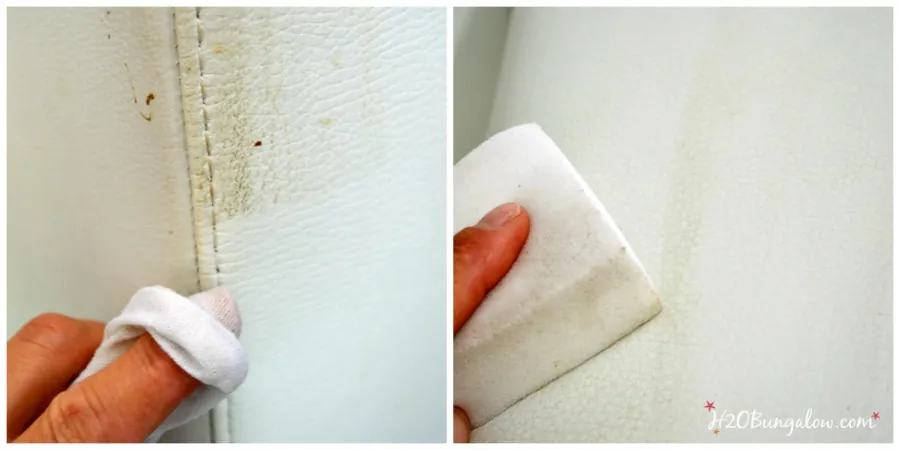
You should clean your chairs once every three months to prevent the buildup of body oils and dust. Two factors change this frequency: the amount of daily use and the humidity of your home.
If the chair sits in a high-traffic area, such as a living room, you may need to wipe it down every month to keep the surface bright. This prevents dirt from grinding into the grain, which creates permanent dark spots that no cleaner can remove.
If your home environment is very dry, you should apply leather conditioner more often to prevent the material from becoming brittle. Aim for a humidity level between 40% and 50% to maintain the natural oils.
You can determine your specific need by checking the leather for signs of stiffness. If it feels tight or squeaky, it needs conditioning immediately regardless of the last cleaning date. Many owners make the mistake of waiting for a visual crack to appear, but by then, the internal fibers are already damaged.
If you test the leather by pressing your thumb into the surface, it should feel supple and spring back instantly. If it remains indented or feels papery, increase your conditioning schedule by one month until the texture recovers.
Related guides
- How to Tighten Dining Room Chairs: A Step-by-Step Fix
- How to Clean White Bike Tires: A Simple Step-by-Step Guide
- 10 Best Bathroom Soap Dispensers for Style and Convenience in 2026
Frequently Asked Questions
Can I use baby wipes to clean white leather chairs?
You should avoid using baby wipes because they often contain alcohol or fragrances that can dry out and damage the leather finish. While they might remove surface dirt quickly, these chemicals strip the natural oils from the material over time. Always use a dedicated leather cleaner or a mild soap solution instead to ensure the long-term health of your furniture.
How long does it take for leather to dry?
The leather usually dries within 60 minutes when kept in a room with standard ventilation and moderate humidity. You can speed up the process by using a fan in the room, but never place the chair directly in front of a heater or in sunlight. Excessive heat causes the leather to shrink and crack, which is a permanent form of damage.
Is it safe to use vinegar for cleaning?
It isn’t recommended to use vinegar because its acidic nature can break down the protective topcoat of the leather. While some people suggest it for natural materials, modern leather furniture has a finish that reacts poorly to acidic liquids. Stick to a pH-neutral soap or a product specifically formulated for leather care to avoid etching the surface.
What happens if I get ink on my white leather?
Ink stains are difficult to remove and often require a professional leather specialist to treat without damaging the surrounding color. If you catch the ink immediately, you might blot it with a specialized leather ink remover, but never rub the stain. Rubbing pushes the ink deeper into the porous material, making it almost impossible to remove at home.
Does it matter if I use a colored cloth?
It matters a great deal because colored cloths can bleed their dye into the white leather, creating new stains that are harder to remove than the dirt itself. Always use a plain, white microfiber cloth for the cleaning and buffing process. This allows you to see the dirt you’re removing and prevents any unwanted color transfer onto the light surface.
How do I know if my leather is protected?
You can check for protection by placing a small drop of water on an inconspicuous area of the chair and watching how it reacts. If the water beads up on the surface, the leather is protected and in good condition. If the water soaks into the material and leaves a dark spot, the finish has worn off and requires immediate conditioning.