
You can maintain the smooth finish of your white vinyl dining chairs by using gentle cleaning methods.
What you need to clean vinyl chairs
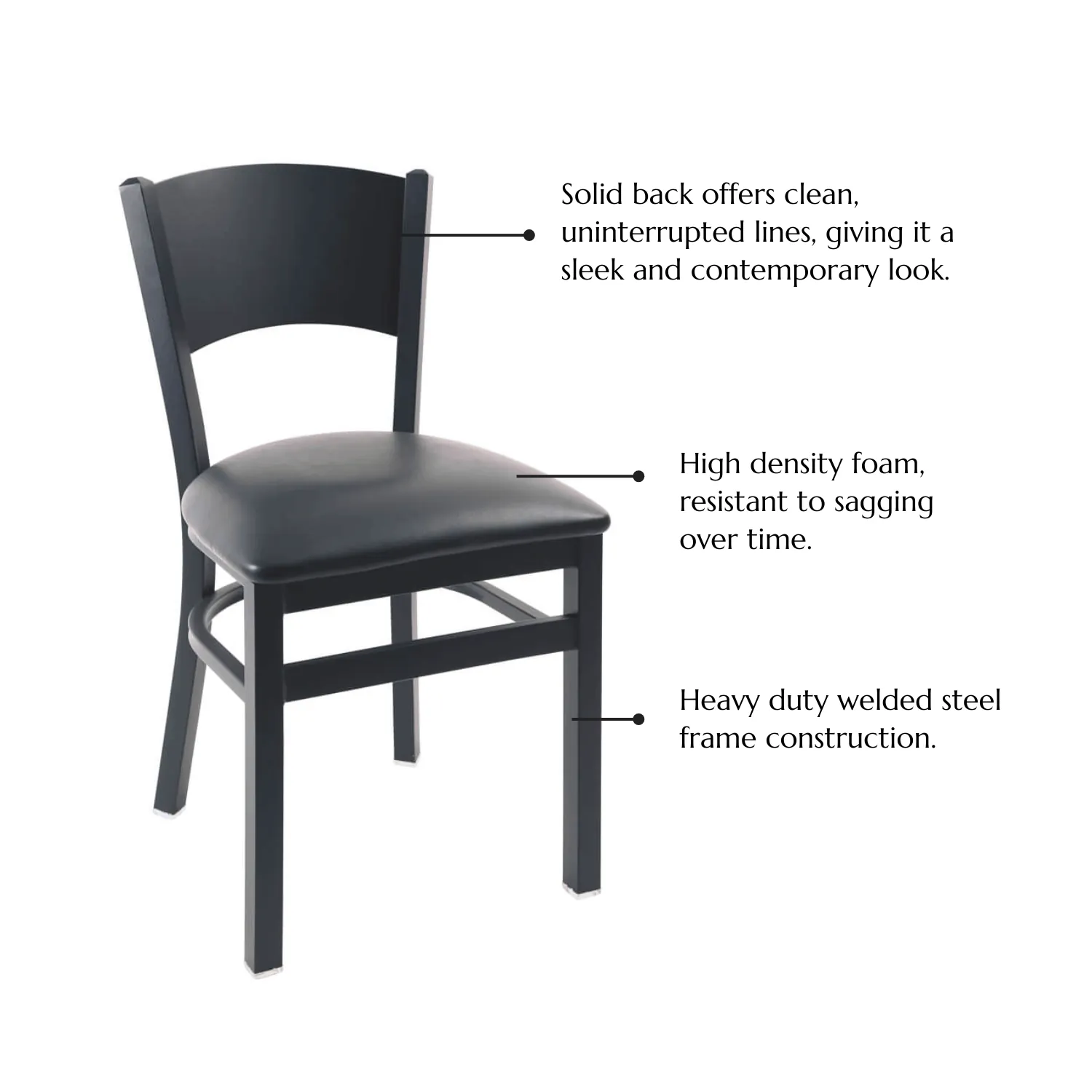
You don’t need expensive products to get white vinyl looking new again. The right tools keep the material safe while lifting dirt away. Using the wrong cleaner strips the protective coating off vinyl over time. Gather everything below before you sit down with your first chair so you won’t stop halfway through the job.
| Item | How much | Why it’s needed | A substitute |
|---|---|---|---|
| Mild dish soap | 1 teaspoon per quart | Lifts grease safely | none — don’t swap this |
| Warm water | 1 quart per chair | Mixes cleaning solution | Cool tap water works |
| Microfiber cloths | 3 per chair | Wipes without scratching | Soft cotton t-shirt pieces |
| Soft bristle brush | 1 small brush | Loosens textured dirt | Old soft toothbrush |
| White vinegar | 1/4 cup per quart | Removes hard water stains | Lemon juice, half amount |
| Vinyl protectant spray | Per label directions | Prevents future cracking | none — don’t swap this |
Before you start cleaning vinyl chairs
Clear the space around your chairs so you can reach every side easily. Rushing into scrubbing without prepping the area causes dirty water to drip onto your floor or rug, leaving stains that are harder to remove than the ones on the seat.
- Move the chairs to a well-ventilated area like a garage or patio; if you’re indoors, open two windows across from each other for airflow.
- Take off any removable cushions or fabric pads and set them aside to wash separately according to their own tags.
- Lay down an old towel beneath the chair legs to catch drips and protect hardwood or tile floors from dirty runoff.
- Dust the entire chair with a dry microfiber cloth first; skipping this dry dusting pushes loose crumbs into the vinyl grain where they scratch the surface during wet washing.
If your vinyl is cracked deeply enough to expose the foam padding underneath, stop here. Liquid reaching that foam breeds mold inside the cushion, which you can’t fix at home. A furniture repair shop handles exposed foam safely. Check the exact cleaning code printed on your chair’s manufacturer tag, usually found under the seat, before mixing anything.
Steps to wash white vinyl seats

Washing vinyl correctly keeps it flexible and bright for years. The process relies on gentle friction rather than strong chemicals. If the stain is light, use just soapy water; if it’s dark or set in, add the vinegar step before drying. Never skip the rinse, because leftover soap attracts more dirt next week.
- Mix 1 teaspoon of mild dish soap into 1 quart of warm water in a bowl. Stir until suds form on top. The water should feel comfortably warm against your wrist, not hot, as heat warps thin vinyl sheets.
- Dip one microfiber cloth into the soapy water and wring it out tightly. The cloth should be damp, not dripping. Excess water pools in the seams and weakens the glue holding the vinyl to the frame.
- Wipe the seat in straight lines from back to front. Don’t scrub in circles, because circular motions leave visible swirl marks on glossy white surfaces. You’ll see the dirt transfer onto the cloth immediately.
- For textured areas or stubborn spots, dip the soft bristle brush into your solution. Gently brush along the grain of the vinyl for 10 to 15 seconds. Stop when the spot looks lighter than before.
- Rinse your cloth in a separate bowl of plain warm water. Wring it completely dry. Wipe the entire chair again to pull off all soap residue. Soap left behind turns yellow under sunlight within a few weeks.
- Inspect the surface closely under good lighting. If stains remain, mix 1/4 cup of white vinegar into 1 quart of fresh water. Dab this onto the stain with a clean cloth and wait exactly 3 minutes.
- Wipe the vinegar solution away with another damp cloth rinsed in plain water. Don’t let vinegar sit longer than 5 minutes total, as prolonged acid exposure dulls the white finish over repeated uses.
- Dry the chair completely using your third clean microfiber cloth. Pat the surface rather than dragging the cloth across it. This prevents streaks and ensures no moisture hides in the stitching or crevices.
- Apply a vinyl protectant spray according to its bottle’s directions once the chair is fully dry. Usually, this means spraying from 6 inches away and buffing lightly after 2 minutes. It blocks UV rays that cause yellowing.
The EPA Safer Choice standard helps you identify cleaning products formulated without harsh solvents that degrade synthetic materials like vinyl. Checking for that label on your dish soap ensures you aren’t accidentally applying chemicals too aggressive for your chairs.
Signs your vinyl chairs are clean
A properly cleaned white vinyl chair reflects light evenly across its surface. Run your hand flat over the seat when it’s completely dry. It should feel smooth, slightly slick, and free of any gritty texture. If your fingers catch on rough patches, dirt is still trapped in the grain and you need to repeat the brushing step.
Look at the chair from an angle under a bright lamp. Clean white vinyl shows a consistent color without dull patches or gray shadows. Yellow rings mean the soap wasn’t rinsed thoroughly enough, or older sun damage has set into the plasticizers. Rinsing fixes the first problem, but sun damage requires a specialized vinyl restorer product instead of basic washing.
Check the seams where the vinyl wraps around the edges. No dark lines should be visible there. If you see brown or black buildup in the creases, take a dry toothbrush and gently flick the debris out. Water sometimes isn’t enough for deep seam grime. When the seams match the flat surfaces in color, the job is done.
Don’t rely on smell to judge cleanliness. Vinyl doesn’t release warning odors when it’s dirty, and adding heavy fragrances to mask smells only leaves a sticky film that collects dust faster. Your eyes and fingertips are the only reliable checks here.
Fixing common vinyl cleaning problems
Things go wrong when the wrong product meets vinyl. Bleach seems like an obvious choice for white furniture, but it breaks down the chemical bonds keeping vinyl flexible. Once that happens, the material cracks beyond repair. Here is what actually happens and how to handle it.
| What happened | Why | What to do |
|---|---|---|
| Surface feels sticky | Soap residue left behind | Rinse again with plain water |
| White turned yellowish | Bleach damaged the plasticizers | Apply vinyl restorer product |
| Small scratches appeared | Brush was too stiff | Switch to softer microfiber only |
| Stain didn’t lift | Sat too long to dissolve | Try baking soda paste gently |
| Seam started peeling | Too much water soaked in | Dry immediately, apply vinyl glue |
| Color rubbed off cloth | Harsh solvent stripped dye | Stop using that cleaner immediately |
How often to wash vinyl chairs

Wipe down your white vinyl dining chairs once a week with a dry microfiber cloth to stop dust from settling into the grain. Give them a full wet wash with soapy water once a month if you eat at them daily. Skipping the weekly dry wipe forces you into heavy scrubbing later, which wears the finish down faster than gentle maintenance ever would.
Two things change this schedule. First, direct sunlight accelerates yellowing and dries out the material. Chairs sitting in a sunny breakfast nook need the vinyl protectant spray applied every 2 months instead of twice a year. Second, households with young children or frequent spills require immediate spot cleaning whenever food hits the surface. Waiting even 24 hours lets tomato sauce or mustard dye penetrate the vinyl permanently.
If your chairs are only used for guests occasionally, a full wash every 3 months is enough. Just keep them covered or dusted between uses. The frequency always depends on how much skin contact and food exposure the seats actually get in your home.
Related guides
- How to Tighten Dining Room Chairs: A Step-by-Step Fix
- How to Clean White Bike Tires: A Simple Step-by-Step Guide
- Best Weather Resistant Patio Chairs for Lasting Comfort and Style in 2026
Frequently asked questions
Can I use bleach on white vinyl chairs?
No, bleach destroys white vinyl. It breaks down the plasticizers that keep the material soft, causing it to crack and peel within weeks. Stick to mild dish soap or diluted white vinegar for whitening. If your chairs are already stained yellow from past bleach use, a commercial vinyl restorer is the only safe option left.
Why is my white vinyl turning yellow?
Yellowing happens when UV rays break down the chemical stabilizers inside vinyl. It also occurs if soap residue bakes onto the surface in sunlight. Applying a UV-blocking vinyl protectant stops new yellowing. Existing yellow stains caused by sun damage won’t wash out with soap, so you’ll need a dedicated vinyl whitening product for those spots.
How long does it take to clean vinyl dining chairs?
A full wash takes about 20 minutes per chair, assuming standard dining size and moderate dirt levels. Heavily stained chairs might need 30 minutes due to extra soaking time for the vinegar step. This estimate assumes you’ve already gathered your supplies and prepped the area beforehand.
Is it safe to use magic erasers on vinyl?
No, melamine foam erasers act like fine sandpaper. They will remove the stain, but they also strip the glossy top layer off your vinyl. That rough patch then attracts dirt much faster than the surrounding smooth areas. Use a soft bristle brush and soapy water instead to preserve the factory finish.
What happens if water gets inside the vinyl seams?
Trapped water causes the inner foam padding to grow mold and the wooden frame to rot. Always wring your cloth until it’s barely damp, never dripping.
Does vinegar damage white vinyl surfaces?
Diluted white vinegar is safe for vinyl when used correctly. Mix no more than 1/4 cup per quart of water, and never leave it sitting for longer than 5 minutes. Undiluted vinegar is acidic enough to dull the shine over time. Always follow up with a plain water rinse to neutralize the surface completely.
Can I put vinyl chair cushions in the washing machine?
No, submerging vinyl in a washing machine tears the material and ruins the foam inside. The agitation breaks seams, and the spin cycle traps water where it can’t evaporate. Always clean vinyl covers by hand while they remain attached to the chair frame, using the damp cloth method described above.
How do I remove ink from white vinyl?
Rubbing alcohol lifts fresh ink without melting the vinyl. Dampen a cotton swab with 70% isopropyl alcohol and dab the ink spot gently for 10 seconds. Wipe immediately with a wet cloth. Don’t pour alcohol directly onto the seat, as pooling liquid can strip the color from cheaper vinyl blends.
Conclusion
Keeping white vinyl bright comes down to catching spills early and avoiding harsh bathroom or kitchen cleaners on your furniture. Gentle soap, soft cloths, and a monthly routine prevent the deep stains that ruin dining sets. Treat the material like skin rather than plastic, and your chairs will hold their color through years of daily meals.