
This complete guide on how to clean white bike tires requires 30 minutes, basic household supplies that cost a small amount, and easy effort. You’ll need a stiff-bristle nylon brush before you start. The method works on both full white rubber and vintage white walls.
Supplies for cleaning white bike tires
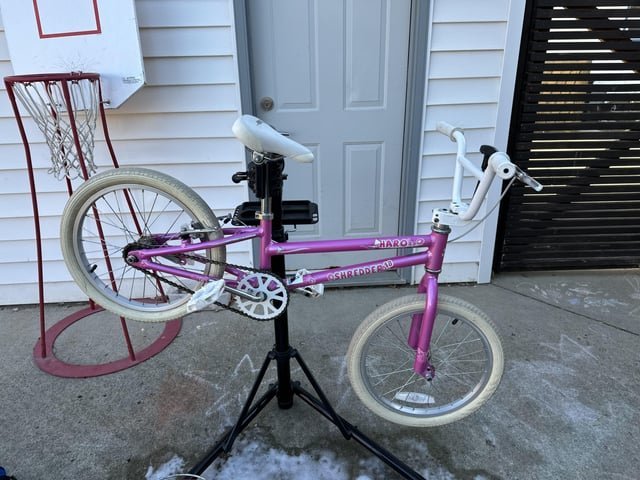
| Item | How much | Why it’s needed | A substitute |
|---|---|---|---|
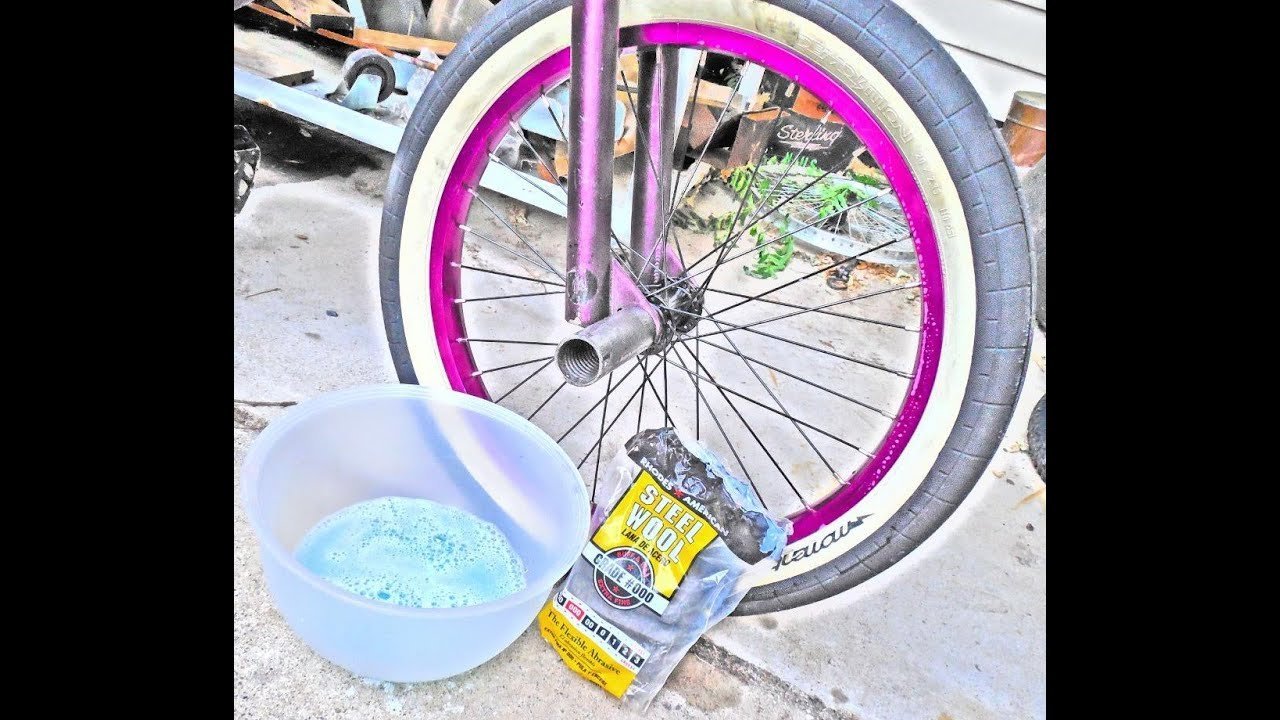
| Warm water | 1 bucket (about 2 gallons) | Rinses dirt and loosens dried mud | Cold garden hose water |
| Dish soap | 2 tablespoons | Cuts road oil without drying rubber | Castile liquid soap |
| Baking soda | 4 tablespoons | Adds mild abrasive scrub power | none — don’t swap this |
| Nylon scrub brush | 1 brush | Scours deep tire tread grooves | Firm kitchen brush |
| Magic Eraser pad | 1 pad | Lifts yellow stains from sidewalls | Melamine foam sponge |
| Microfiber cloth | 2 dry towels | Dries rubber to check clean spots | Clean cotton rag |
Before you start
- Shift your bicycle chain onto the smallest rear cog and remove both wheels if your bike has quick-release levers.
- Cover your disc brake rotors with clean plastic wrap so soapy oil never touches the braking surface.
- This process isn’t for rotten or dry-cracked tires; replace crumbling rubber immediately instead of scrubbing it.
- Move the bicycle outdoors onto grass or concrete away from dirty driveways.
- Leaving greasy road chain oil on your hands is the mistake people actually make, and it costs them fresh black smudges across newly scrubbed white rubber.
Step by step
- Fill your wash bucket with two gallons of warm tap water and stir in two tablespoons of standard liquid dish soap until suds form.
- Rinse both tires thoroughly using a low-pressure garden hose for 30 seconds to wash away loose sand and surface grit.
- Mix four tablespoons of baking soda with two tablespoons of warm water in a small plastic dish until it forms a thick paste.
- Dip your nylon brush into the soapy bucket and scrub the tire tread firmly around the entire circle for two minutes.
- Coat the white sidewalls with your baking soda paste, spreading an even layer over all stained areas using your brush tips.
- Let the baking soda paste rest on the white rubber surface for exactly five minutes to pull embedded road oils out.
- Wet your melamine foam pad in clean water and scrub the stained white sections using firm, small circular motions for three minutes.
- Rinse the entire wheel with clean water from your hose for 45 seconds until no white baking soda paste remains visible.
- Wipe the rubber tread and sidewall dry with your clean microfiber towel so you can inspect the final rubber color immediately.
How to know it worked
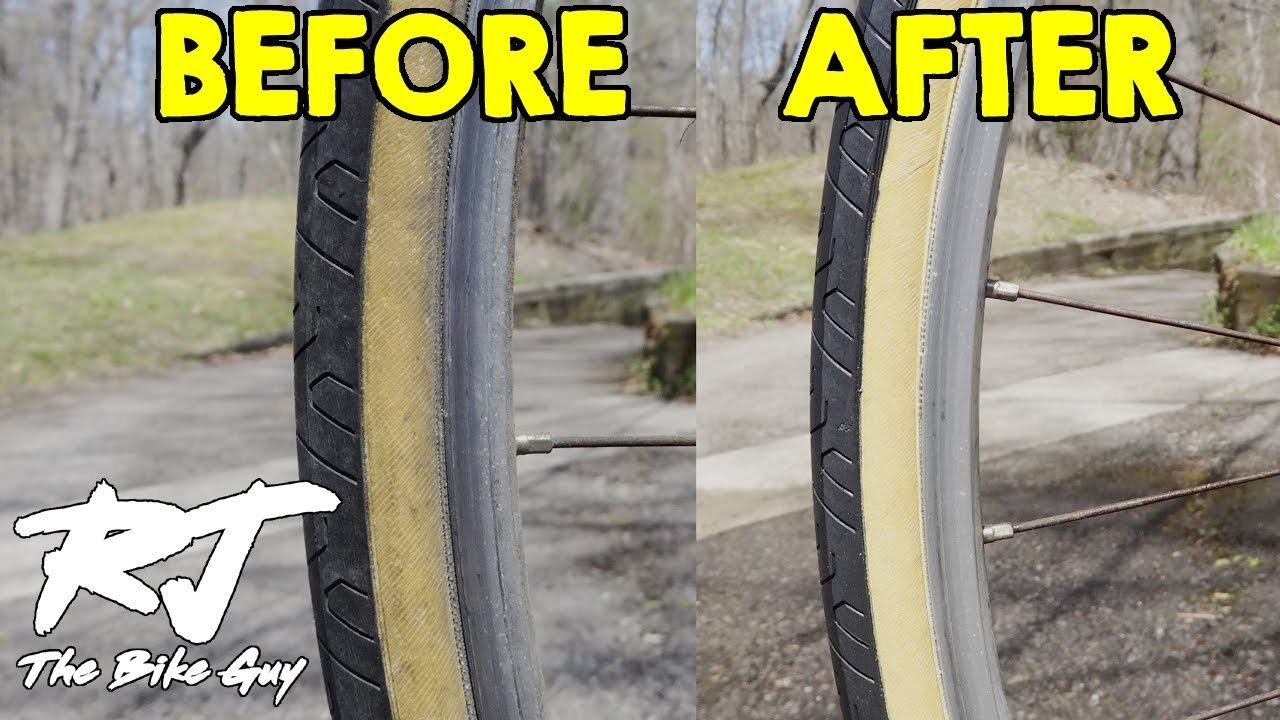
Your tires will show an even, chalk-white finish across the whole sidewall without blotchy yellow patches or dark gray smears. If the rubber looks bright white while wet but dries to a dull cream color, dirt still sits in the porous rubber. The surface must feel smooth and tack-free under your bare finger, without slippery soap residue or gritty mud dust left behind. Check the seam where the white rubber meets the black tread: a clean tire has a sharp, high-contrast line between colors. An honest limit: natural oxidation varies by tire age and compound, so older tires won’t reach factory brightness; check the tire date code stamped on the sidewall to gauge age. If yellow film remains, run one more round on the sidewall.
If something goes wrong
| What happened | Why | What to do |
|---|---|---|
| Yellow stains remain | Road grime oxidized into rubber | Scrub again using melamine sponge |
| Disc brakes squeak loudly | Soapy road grease touched rotor | Clean rotor with isopropyl alcohol |
| Rubber surface turns powdery | Cleaner stayed on too long | Rinse immediately with plain water |
| Black grease smears across white | Dirty hands touched tire | Wash hands and spot-clean rubber |
| Streaky gray water marks dry | Dirty rinse water dried slowly | Wipe dry with microfiber towel |
How often to do this
Wash your white tires regularly if you ride several times a week on paved streets. Two main conditions change this timeline: weather and storage. Wet roads kick up street grease that stains porous white rubber within 24 hours, so clean them right after rain rides. Outdoor sunlight also speeds up tire aging; the EPA ozone pollution guide explains how ground-level ozone and sunlight degrade outdoor materials, which turns pale synthetic rubber yellow over time. Here is the decision rule: if you ride only indoors on a bike trainer, clean them as part of your usual clean; if you ride daily on city roads, wash them as part of your usual clean. A simple trade-off applies here: aggressive scrubbing cleans rubber faster, but harsh cleaners shorten the lifespan of thin vintage sidewalls.
Frequently asked questions
Can you use bleach on white bike tires?
No. Bleach dries out natural and synthetic rubber compounds quickly. It causes microscopic surface cracks called dry rot within a few weeks, which weakens your tire walls. Stick to mild soap, baking soda, and a melamine foam sponge to protect the structural integrity of your casing.
Why do white bike tires turn yellow?
Chemical oxidation causes the color shift. Tire manufacturers add oils and anti-aging waxes into the rubber compound. As these oils react with sunlight, road heat, and airborne oxygen, they migrate to the outside surface. This chemical change creates an oily yellow film that regular water can’t wash away.
Is rubbing alcohol safe for white tire walls?
Yes, but only in small amounts for stubborn black scuffs. Apply 70 percent isopropyl alcohol to a clean cotton rag and wipe only the scuffed spot. Never soak the rubber in alcohol, and always wipe the area dry with a damp cloth immediately after spot cleaning.
Can a pressure washer damage white tires?
Yes. High-pressure water jets can peel the thin white rubber layer away from the tire carcass cords underneath. The intense spray can also blast protective grease straight out of your wheel hub bearings. Always use a gentle garden hose spray instead of high-pressure equipment.
How long does tire cleaning usually take?
About 30 minutes for both wheels from start to finish. If your tires have heavy, multi-year grease stains, set aside 45 minutes for a second scrub round with baking soda paste. Drying and inspecting the rubber takes another five minutes before you reinstall the wheels.
Does magic eraser ruin bike tires?
No, as long as you use it gently with water. A melamine foam sponge works like ultra-fine sandpaper to remove microscopically thin layers of oxidized grime. Use light pressure on the sidewalls, and stop scrubbing once the bright white rubber shows through to prevent excessive wear.
Final Thoughts
Once your tires are dry, apply a light coat of rubber protectant to keep them looking bright for longer. This simple extra step prevents dirt from sticking and makes your next scrub much faster. You’ll be glad you did it when you’re out enjoying a smooth, clean ride this weekend.