
You can find several ways how to cover folding chairs inexpensively by using fabric scraps, elastic bands, or simple slipcovers made from repurposed linens. These methods allow you to update the look of your seating for a fraction of the cost of buying new furniture. If you have basic sewing skills, you can create custom covers; if not, no-sew alternatives using fabric glue or ties work just as well.
Preparing your chairs for new covers
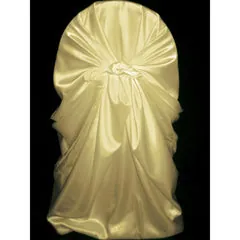
Before you begin, you must assess the current state of your folding chairs to ensure the new fabric will sit smoothly. Follow these steps to prepare your chairs quickly:
Clean the chair surface with a damp cloth and mild soap to remove dust or grease. Debris prevents fabric from sticking or laying flat, leading to unsightly bumps. If the surface feels tacky after drying, wipe it down with a light vinegar solution to strip away residual oils.
Remove any existing loose padding or old staples if you’re doing a full reupholstery job. This task usually takes about 10 minutes per chair. If you find rust on the metal frame, sand it down with fine-grit paper before applying a primer. Neglecting rust causes the new cover to tear prematurely as the metal continues to oxidize beneath the fabric.
Measure the backrest and seat dimensions precisely with a tape measure. Add 3 inches to each side to allow for folding and securing the fabric. If your chair features a curved backrest, add 5 inches instead to account for the extra tension required to prevent puckering at the corners.
Test your fabric choice by draping it over the chair. If the original pattern remains visible through the weave, you must apply a layer of white cotton batting first. This simple barrier neutralizes the base color and prevents the old design from bleeding through.
If you’re working with vinyl, avoid using spray adhesive on the metal frame. Vinyl reacts poorly to chemical solvents in many glues, causing the material to bubble or warp within a few weeks. Instead, rely on heavy-duty staples or precision-cut tension clips to hold the fabric in place.
Why fabric choice matters for folding chairs
The mechanism of a folding chair is unique because the frame must collapse without catching on the cover. If you use a fabric that’s too thick, such as heavy upholstery velvet or thick canvas, the chair won’t fold completely. This creates a mechanical failure where the hinges are stressed by the extra bulk. Always choose lightweight but durable materials like cotton blends or polyester, which are flexible enough to move with the chair frame.
Measure the thickness of your chosen fabric against the chair’s hinge clearance. Exceeding this limit forces the metal to grind against the fabric, which shreds the textile and bends the frame over time.
Tension is equally critical. Pulling fabric too tight causes the material to tear at the seams the moment the chair begins its folding arc. Conversely, fabric that’s too loose will bunch, creating unsightly folds that prevent the chair from locking securely.
Test your tension by folding the chair slowly while observing the fabric’s behavior at the joints. If the material pulls against the hinge before the chair is halfway closed, it’s too tight and will eventually snap the stitching. If the fabric ripples or catches in the metal teeth, it’s too loose.
A common mistake is covering the locking latch with fabric, which prevents the safety mechanism from fully engaging. If the latch doesn’t click audibly into place, the chair is prone to accidental collapse. Always keep the locking hardware exposed and free of obstruction.
Cheap methods to renew your chairs
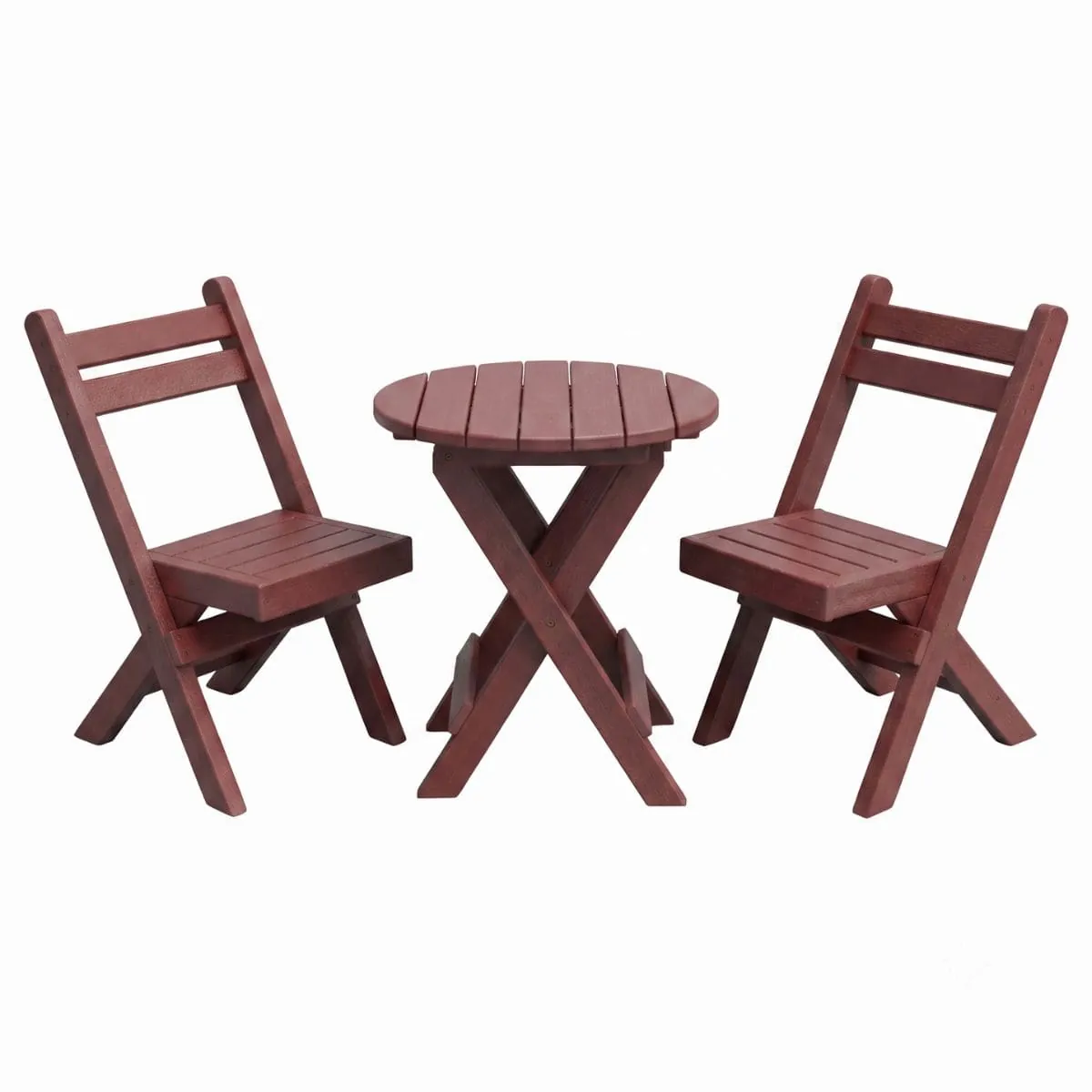
You can choose between different materials based on your budget and how much time you want to spend on the project.
Using fabric scraps
Old curtains or leftover fabric from other projects work perfectly for seat cushions. Simply wrap the fabric around the existing seat and staple it to the underside.
Elasticized slipcovers
If you prefer a removable option, sew a band of elastic into the edges of a fabric square. This creates a “shower cap” style cover that slips on and off easily.
No-sew fabric glue
For those without a machine, fabric glue provides a strong bond for hems. Apply a thin line of glue along the edges to create clean, finished seams.
Repurposed bed sheets
Old cotton bed sheets are often wide enough to cover the entire back and seat in one piece. They’re inexpensive and easy to wash if they get dirty.
Ribbon or twine ties
If you don’t want to use glue or staples, cut fabric panels and attach them using decorative ribbons. Tie these securely to the chair frame at the legs.
Reupholstering versus simple covers
The fix depends on the condition of the existing seat. If the foam is flat or crumbling, you need to replace the cushioning underneath the fabric. Buy high-density upholstery foam and cut it to the size of your chair seat using a serrated kitchen knife.
If the foam is still firm, simply layering a new piece of fabric over the top is enough to refresh the appearance. Test your foundation by pressing your palm firmly into the center of the seat. If you feel the wooden frame beneath, the foam has lost its structural integrity and requires a full replacement rather than a cosmetic cover.
A successful fix will stay taut even after ten folds. If the fabric starts to sag or pull away after only one or two uses, your attachment method isn’t strong enough. Most beginners make the mistake of using a standard office stapler, which lacks the force to penetrate hardwood frames. This error costs you hours of rework as the fabric inevitably shifts.
Instead, use a heavy-duty pneumatic or manual staple gun with 3/8-inch staples. Pull the fabric toward the center of the seat while you fire, working in a cross-pattern to maintain even tension. If you’re working with patterned fabric, align the center point of the design with the front edge of the seat before you secure the first staple. This ensures the visual symmetry holds true once the piece is under tension.
When to hire a professional
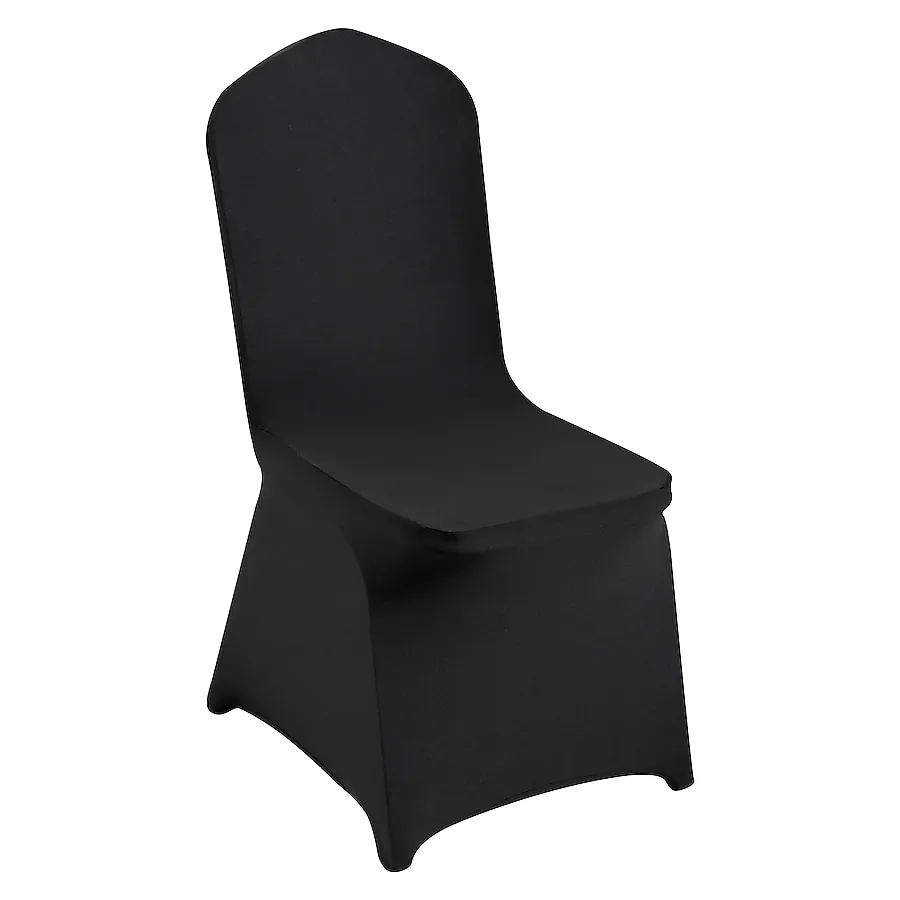
You should stop your DIY project if you find the metal frame of the chair is bent, rusted, or has loose rivets. These structural issues require a welder or a metalworker to fix safely.
If you try to force a damaged chair to fold, the metal can snap. The chair can collapse while someone is sitting on it. A professional will check the integrity of the joints first.
If the frame is compromised, they will advise you to replace the chair rather than covering it. The structural risk is too high to ignore.
Surface rust that wipes away with steel wool is fine to handle yourself. Rust that pits the metal and leaves a rough texture means the tubing has lost thickness.
A shop can use an ultrasonic thickness gauge to determine if the metal tubing has lost significant structural integrity. Reupholstering over pitted aluminum tubing hides a failure point until someone sits down hard.
Take the chair to an upholstery shop if the fabric is bonded directly to foam without a separate backing board. Pulling that foam off tears the seat base apart.
Shops have pneumatic hog ring pliers that fasten new webbing in seconds. Doing this by hand with standard pliers bends the rings before they close fully around the frame.
That gap lets the seat sag again within a few months. You end up paying twice for the same repair.
Frequently asked questions
Can I use spray paint instead of fabric?
You can use spray paint on metal chairs, but it won’t provide the comfort of a fabric cover. Use a paint specifically designed for metal surfaces to avoid peeling.
How much fabric do I need per chair?
You generally need about 1 yard of fabric per chair, assuming a standard folding chair size of 16 by 16 inches. Always buy 20% extra to account for mistakes.
Is it safe to glue fabric to plastic chairs?
It’s safe to glue fabric to plastic, but use a high-quality adhesive that’s rated for plastics. Test a small, hidden spot first to ensure the glue doesn’t melt the plastic.
How long does a no-sew cover last?
A no-sew cover usually lasts for 6 to 12 months with light use, depending on the strength of the fabric glue. High-traffic areas may cause the glue to weaken faster.
Does the chair weight limit change with covers?
The weight limit doesn’t change, but you should ensure the fabric doesn’t obstruct the locking pins. Check that the chair clicks into place firmly every time you open it.
How do I wash fabric chair covers?
You can machine wash covers if you use a removable design with elastic or ties. Use a cold water cycle and air dry to prevent the fabric from shrinking.
Conclusion
The best way to ensure your DIY covers last is to use high-quality staples or heavy-duty elastic that can withstand the tension of folding the chair. Avoid using heavy decorative trim that might get caught in the hinges, as this is the most common reason for premature wear. If your fabric begins to fray at the edges, a simple application of fray-stop liquid will keep it looking neat for much longer.