
Understanding how a dirt bike carburetor works comes down to air pressure: the engine sucks air through a narrow tube, which drops the air pressure and pulls liquid gasoline up into the stream like a spray bottle. Air rushes in from the filter, mixes with fuel mist inside the venturi, and flows directly into the cylinder. It turns liquid fuel into a burnable vapor so your bike can run smoothly.
How the dirt bike carburetor parts work
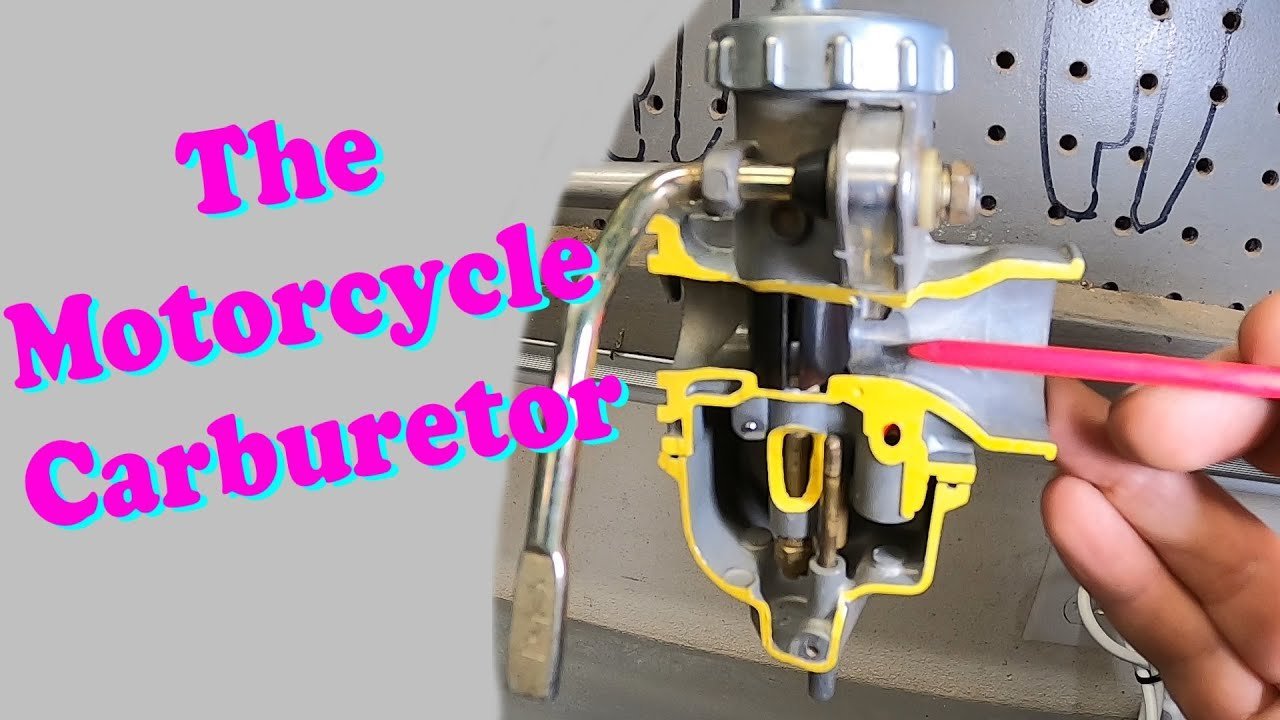
| Part or input | What it does | What you notice when it goes wrong |
|---|---|---|
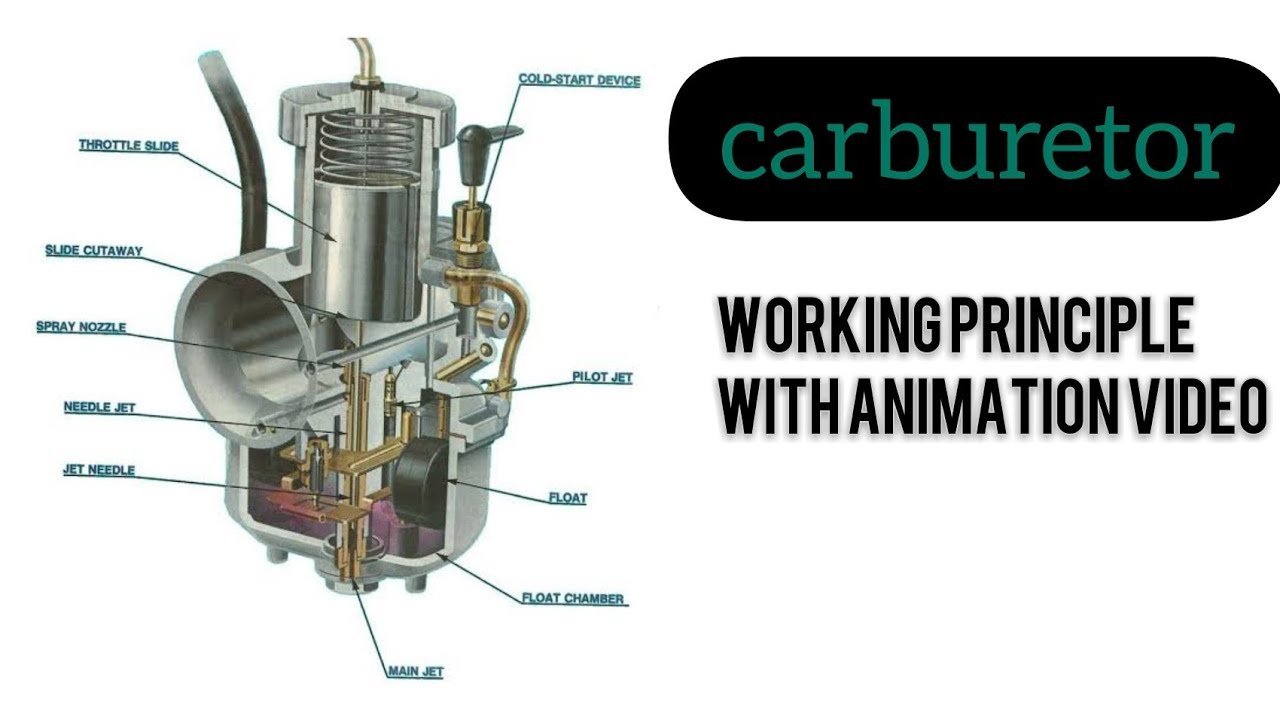
| Float and needle | Holds a steady fuel supply inside the bowl | Gas leaks out the overflow hose or engine starves |
| Pilot jet | Feeds fuel at idle and low throttle openings | Engine stalls at idle or pops when slowing down |
| Jet needle | Controls fuel delivery through mid-throttle range | Hesitation or sputtering when opening the throttle midway |
| Main jet | Meters gasoline at wide-open throttle | Bike bogs or cuts out at high speed |
| Slide valve | Regulates airflow volume directly from the throttle cable | Throttle sticks open or engine revs uncontrollably |
| Choke circuit | Adds extra fuel for starting a cold engine | Cold engine won’t start or runs rich hot |
What happens, step by step
- Air squeezes through the carburetor’s narrow middle section, called the venturi, where the constriction forces the airstream to speed up and its pressure to drop sharply.
- Higher atmospheric pressure in the float bowl pushes liquid gasoline up through the submerged brass jets into the low-pressure airstream, instantly shattering the fuel into a fine mist.
- When you twist the handlebar throttle, the cable lifts the slide valve upward between 1 and 35 millimeters, exposing more of the intake airway to increase total engine airflow.
- Lifting the slide also raises the tapered jet needle out of the needle jet, which opens a larger physical gap for extra fuel to escape during mid-throttle operation.
- At wide-open throttle, the needle pulls completely clear of the nozzle, allowing the main jet orifice to control the maximum fuel volume entering the engine at peak speeds.
- The completed air-fuel mist exits the carburetor throat, travels through the intake manifold reed valve or intake port, and fills the combustion chamber within a single intake stroke.
Why this matters when something goes wrong
A carburetor delivers fuel across three distinct throttle ranges, so where your engine stumbles tells you exactly which internal part failed. If the bike idles poorly, clean the pilot jet; if it bogs at full throttle, replace the main jet. Dirt bikes run in sand, mud, and dust, which easily plugs small brass openings. Cleaning the wrong brass part won’t fix your issue and wastes an afternoon.
People frequently make the mistake of twisting the idle speed screw when a bike refuses to start, which merely masks a clogged pilot circuit and ruins the baseline throttle setting. If you run your engine too lean with undersized jets, you risk overheating and seizing the piston. Conversely, running too rich wastes gasoline, fouls your spark plug with black carbon, and causes the engine to sputter instead of accelerating cleanly.
What you can change, and what you cannot
What you can adjust or replace
- Idle screw: turns in or out to adjust resting engine speed.
- Fuel screw: adjusts the low-speed idle mixture ratio.
- Jet needle clip: raises or lowers the needle across 5 slot positions to enrich or lean midrange throttle.
- Brass jet sizes: swap pilot and main jets for different altitudes or temperatures.
What is fixed by design
- Venturi bore diameter: casting size determines the maximum air capacity of the carb body.
- Float bowl volume: chamber size is cast permanently into the aluminum housing.
- Internal air bleed passages: tiny passages drilled inside the metal body can’t be resized.
If fuel leaks continuously onto the ground after you replace the float needle, stop riding immediately. A leaking carburetor creates a serious fire hazard over hot engine cases. Beyond standard jet cleaning and slide adjustments, rebuilding worn throttle shafts requires factory tools and trained mechanics; take the unit to a certified powersports repair shop if the internal castings are damaged.
Getting more out of it
- Clean your foam air filter after every two dusty rides because restricted airflow pulls excess gasoline, making your mixture overly rich.
- Check your spark plug color after riding at wide-open throttle: aim for a light cardboard-tan hue, while pure white means dangerously lean.
- Re-jet your carburetor if you ride 3,000 feet higher than your home elevation, since thinner mountain air requires a smaller main jet.
Frequently asked questions
Can a dirty carburetor cause a dirt bike to backfire?
Yes, a clogged pilot jet starves the engine of fuel, creating a lean condition that can cause the engine to pop or backfire during deceleration.
Why is gas leaking out of my carburetor overflow tube?
A stuck float or worn float needle valve allows incoming fuel to overfill the bowl, forcing gasoline out the safety overflow tube onto the ground.
How long does it take to clean a dirt bike carburetor?
About 45 minutes if you have basic hand tools and carburetor cleaner spray, assuming the carburetor is already removed from the motorcycle frame.
Is it safe to run a bike that runs too lean?
No, lean air-fuel mixtures generate extreme combustion heat that can burn holes through the piston crown or seize the engine cylinder within minutes.
What happens if you put the slide in backwards?
The throttle slide will jam in the wide-open position inside the carburetor bore, causing the engine to rev uncontrollably the moment you start it.
Does elevation affect how a dirt bike carburetor works?
Yes, higher elevations have lower air density, which makes your fixed fuel jets run richer because there’s less atmospheric oxygen to match the metered fuel.
Final Thoughts
Keeping your fuel system clean is the best way to ensure your engine stays responsive on the trail. If your bike starts idling poorly, don’t hesitate to pull the bowl off and check for clogs. It’s a simple job that’ll keep you riding longer without any unexpected breakdowns in the dirt.
Related guides