
You can attach a helmet to a bike frame safely in under 30 seconds by routing a lock through the helmet’s main air vent or the bike’s frame triangle.
Tools to attach your helmet
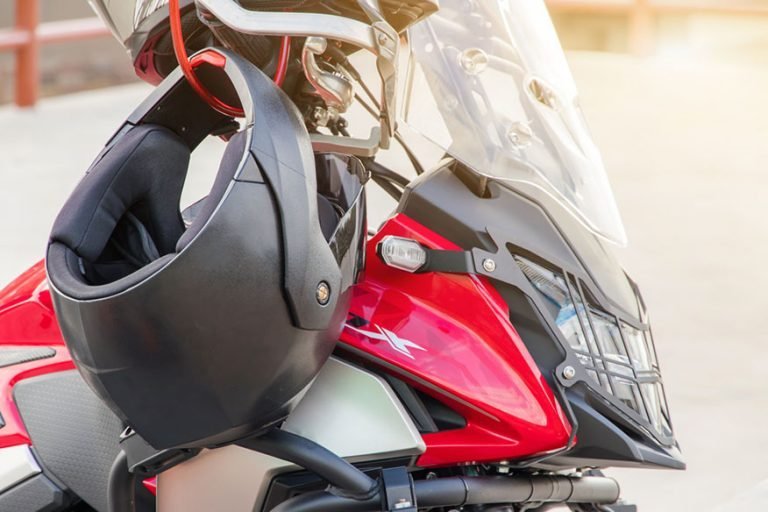
- A bike helmet with open exterior vents or an intact chin strap.
- A standard U-lock (medium shackle, around 7 to 9 inches long) or a flexible steel cable lock (at least 3 feet long to reach frame points).
- A bicycle with an open frame triangle, top tube, or rear luggage rack.
- Optional: a lightweight carabiner clip for temporary, non-security hanging while wheeling the bike.
A short cable lock combined with your main U-lock works well as a flexible substitute, but using the helmet’s nylon chin strap as the primary security connection doesn’t work because thieves cut thin webbing in seconds.
Step-by-step
- Park your bicycle and secure the bike frame to a fixed rack using your primary lock.
- Inspect the helmet shell to locate the largest reinforced cooling vent near the center.
- Thread the open shackle of your U-lock directly through that wide vent from the inside out, keeping the metal from scraping the outer graphics.
- Hook the lock shackle around your bike’s top tube or seatstay so the helmet hangs inside the bike frame triangle.
- Close the lock mechanism until the deadbolt clicks fully into place.
- Pull the helmet shell gently to ensure it can’t slide past the crossbar or touch the oily bike chain.
- Buckle the chin strap around the bike frame tube as a backup stabilizer if strong winds make the helmet swing.
Careful: Don’t loop a lock solely through the chin straps, as a thief with simple scissors can slice the fabric and take the helmet immediately.
Tip: Turn the helmet opening downward against the bike tube to prevent rain, bird droppings, and blowing dirt from collecting in the inner padding.
Methods for different parking situations
Parking setups vary depending on how long you step away and the area’s security level.
If you face high theft risks, lock through the vent; if you’re in a quiet, closed courtyard, a simple strap buckle around the handlebar keeps it off the dirty pavement. Starting with your primary frame lock and adding gear slowly prevents dropped equipment and scratches on your paint.
How to tell you did it right
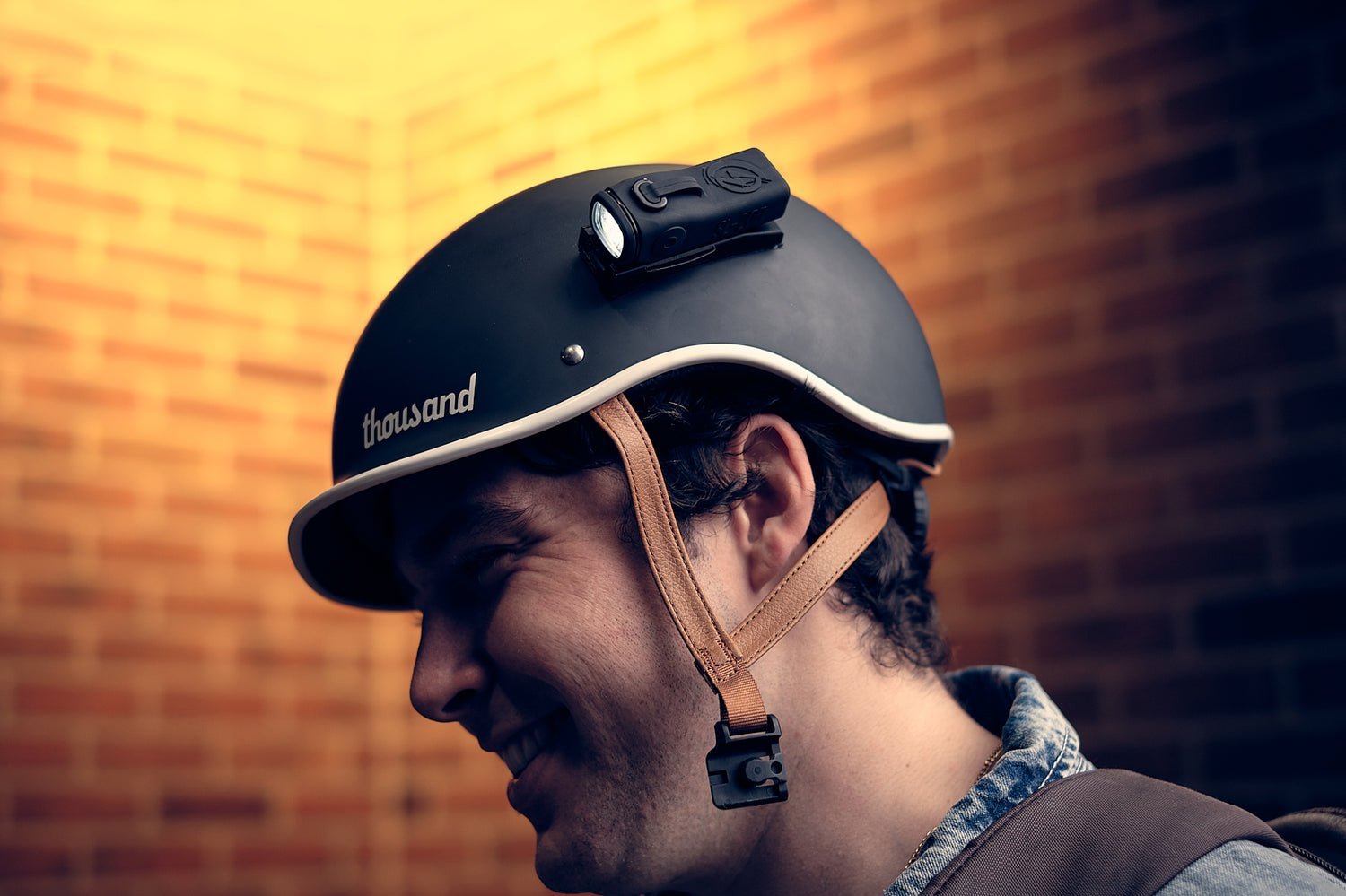
A properly secured helmet hangs snugly against the frame without touching the greasy chain, spinning spokes, or the ground. A poor result leaves the helmet swinging freely where passing pedestrians can knock it loose or where tire spray coats the inner liner. This happens because the heavy steel shackle presses hard against thin plastic edges when the bike gets jostled on a crowded rack. You can prevent this damage by wrapping a small strip of cloth around the lock shackle, facing the helmet shell toward the frame, and resting the helmet brim on a frame tube for extra support.
Helmet standards and care limits
Always handle the protective foam with care when locking up. The Consumer Product Safety Commission bicycle safety standard mandates that all bike helmets sold in the US absorb severe impact forces, but crushed or cracked foam loses this ability instantly. The trade-off with locking your helmet outside is weather exposure; rain, direct UV rays, and grease slowly break down soft liners. Once you unlock your bike, inspect the shell for cracks and wipe away any road dirt before putting it on your head. This setup varies by model—check the label inside your helmet to see if the maker forbids passing rigid locks through specific thin vents. Note that this outdoor locking method is NOT for expensive carbon-fiber racing helmets, which damage easily under pressure and belong inside an indoor gear bag.
Alternative storage methods
Cable lock through the rear triangle
Run a 4-foot steel cable through the helmet’s rear exhaust port and your back wheel. This adds minimal weight to your pocket and allows you to park farther from tight posts. It costs very little extra time, though thin cables offer less cut resistance than rigid steel.
Under-seat buckle loop
Unclip the chin strap, slide it over the saddle rails, and click the buckle shut underneath. This costs zero dollars and takes five seconds, making it ideal for brief stops. The trade-off is complete lack of theft protection against anyone walking by.
Dedicated helmet carry bag
Slip the helmet into a water-resistant cinch bag and loop the drawstring around your backpack or handlebar. This takes around 40 seconds and keeps rain off the pads entirely. It costs slightly more bulk to carry, but it protects painted finishes from heavy lock scratches.
Frequently asked questions
Can you leave a bike helmet in the rain?
Yes, rain won’t destroy the hard plastic or foam, but the soft inner fabric absorbs dirty water quickly. Wearing a soaked helmet on your ride home causes discomfort and skin irritation. Turn the opening face-down or carry a cheap waterproof cover to keep rain off the interior pads.
How do you lock a helmet without vents?
Thread a flexible steel cable through the fixed ear-strap triangles where the nylon webbing connects to the shell. Fasten that cable into your main bike lock deadbolt. While someone could still cut the strap, it prevents honest passersby from simply lifting the helmet off your bicycle.
Will locking my helmet scratch my bike frame?
Yes, a loose helmet knocks against painted metal tubes whenever the bike moves, which chips bike paint and scuffs helmet graphics. You can prevent finish damage by wrapping a rubber band, foam tube, or bandana around the lock shackle where it touches the frame.
What happens if someone cuts the chin strap to steal it?
The thief ruins the helmet completely because an unbuckled helmet can’t legally or safely protect a cyclist. Replacing cut straps on most modern helmets is impossible since the webbing anchors directly into the interior molded foam.
Is it safe to hang a helmet on handlebars while riding?
No, hanging gear from your handlebars is dangerous because the helmet swings into your front spokes or bumps your knees while pedaling. This sudden weight shift easily jerks your steering off course, causing immediate crashes. Always carry extra helmets on a secure rear rack.
Final Thoughts
Keeping your gear secure doesn’t have to be a hassle once you’ve found a spot that works for your specific setup. Just remember to double-check that your strap is tucked away so it doesn’t snag while you’re riding. You’ll feel much more relaxed grabbing a coffee when your head protection isn’t left behind.