
To make a bike helmet smaller, turn the rear tension dial and swap the interior fit pads for thicker versions. The whole job takes about 5 to 10 minutes, costs nothing if your helmet came with extra pads, and is an easy task that anyone can finish. You must have your helmet in your hands with its original padding kit before starting.
Tools to make your bike helmet smaller
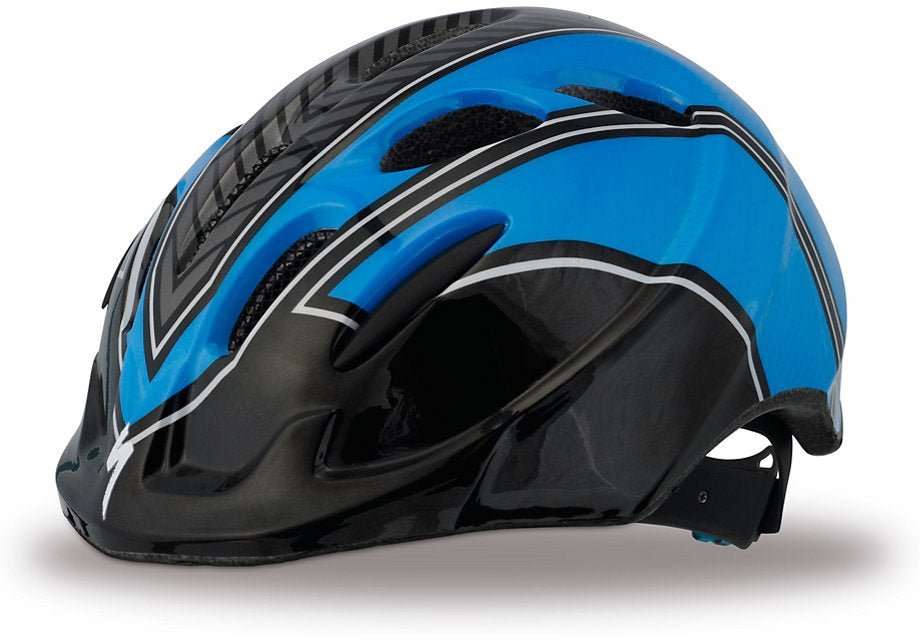
| Item | How much | Why it’s needed | A substitute |
|---|---|---|---|
| Fit pads | 1 set of thicker pads | Fills excess space inside the shell | none — don’t swap this |
| Mirror | 1 standard mirror | Lets you check helmet level on forehead | Phone front camera |
| Soft measuring tape | 1 tape tool | Measures your exact head circumference | String and a standard ruler |
| Mild soap | 1 drop on wet cloth | Cleans sweat before pad installation | Plain warm water |
| Microfiber cloth | 1 clean cloth | Dries the helmet interior surface | Clean cotton towel |
Before you start
- Unclip the chin strap and untangle any twists in the side webbing.
- Turn the rear fit wheel completely counterclockwise so the internal cage opens wide.
- Wipe any dried sweat or dust from the inner shell with a damp cloth so new hook-and-loop strips stick.
- Remove hats, headbands, or thick hair clips that artificially change your head shape.
- Stop immediately if the hard foam shell rocks loosely over your ears even at the tightest setting, because you need a smaller helmet shell size rather than fit adjustments.
Step by step
- Measure your head circumference 1 inch above your eyebrows using a flexible tape tool. Write the number down to verify it falls within the size printed on your helmet’s interior label.
- Peel the thin factory pads away from the hook-and-loop anchors inside the helmet shell. Put them aside on a clean surface so the adhesive anchors stay clean and sticky.
- Align thicker replacement pads over the empty hook-and-loop spots at the front, top, and rear. Press each pad firmly for 3 seconds to lock it onto the plastic hook tabs.
- Place the helmet straight onto your head so the front edge sits roughly two finger-widths above your eyebrows. If the rim tilts backward, your forehead remains dangerously exposed to impacts.
- Turn the rear adjustment dial clockwise until the internal retention band grips the back of your skull securely. You want snug, even pressure all around without painful pinching.
- Slide the plastic side sliders up until the straps form a clean “V” shape right beneath your earlobes. If they cover your ears, pull the strap webbing downward through the plastic clip.
- Buckle the chin strap under your jaw and tighten the loose end until only one finger fits between the strap and your throat. A loose strap lets the helmet slide off during a crash.
- Open your mouth wide in a big yawn to confirm the top of the helmet pulls down gently against your scalp.
How to know it worked
Shake your head firmly side to side and nod up and down with the chin strap buckled and tightened. The helmet should stay in place and move your scalp skin along with it, slipping less than 1 inch in any direction. If the helmet tilts down over your eyes or slides back to show your forehead, readjust the retention system or check for proper shell sizing. Check the front edge in a mirror to ensure it sits level across your brow. You’ll see a gap between the front rim and your brows of no more than two finger-widths, matching the fit standard shown in the CPSC bicycle safety guides. If the shell still shifts, remove the current pads and install the next thicker set.
If something goes wrong
| What happened | Why | What to do |
|---|---|---|
| Forehead hurts after 5 minutes | Pads are pressed too tight | Turn rear dial counterclockwise 2 clicks |
| Strap chafes the bottom of ears | Side splitters sit too high | Slide plastic dividers down 0.5 inches |
| Helmet tilts back while riding | Rear cradle sits too low | Adjust the internal vertical basket height |
| Shell wobbles after full tightening | Shell is one size too big | Buy a smaller helmet size shell |
| Buckle pinches the neck skin | Strap is pulled too tight | Loosen webbing by one finger width |
| Pads fall out when removing | Hook tabs lost their stick | Replace internal hook-and-loop adhesive dots |
How often to do this
Check your helmet fit regularly if you ride daily, or adjust it immediately whenever your hair length changes significantly. Thick winter cycling caps require opening the rear wheel 3 to 5 clicks, while a fresh haircut requires tightening the dial clockwise to remove newly created slack. Sweat and repeated friction break down the soft open-cell foam inside the pads over time. This varies by model — check the label to see how the maker handles replacement pad sets when your current foam flattens out permanently.
Frequently asked questions
Can I add extra foam from packing boxes inside my bike helmet?
No. Never use packing foam, bubble wrap, or household sponges to tighten a loose helmet. These materials react unpredictably to sweat, lack certified impact-dissipation qualities, and can cause the helmet shell to slip out of position during a hard fall. Only use genuine pads from the helmet manufacturer.
Why does my helmet still wobble when the rear dial is fully tightened?
Your helmet shell is simply too large for your skull size. The rear retention dial only pulls the thin inner plastic cradle tight; it can’t shrink a rigid outer shell. If X happens and the plastic hits its limit while the foam shifts, you must buy a smaller size.
Is it safe to wear a thick beanie to make a helmet fit smaller?
No. Thick winter beanies and baseball caps introduce slick fabric layers that allow the helmet to slide off your forehead during an impact. If you need warmth, wear a dedicated thin cycling skullcap that doesn’t alter the helmet’s tested position on your skull.
What happens if I make my bike helmet too tight?
You’ll get a tension headache, red pressure marks across your forehead, and reduced blood flow. A helmet should feel like a snug baseball cap, not a vise. Back the tension dial off by 1 or 2 clicks whenever you feel throbbing pain.
Does it matter if my bike helmet moves a little bit?
Yes. Your helmet should never shift more than 1 inch in any direction when you push it with your hand. A loose helmet exposes your forehead or the base of your neck, leaving those vulnerable skull areas completely unprotected if you hit the ground.
How long do bike helmet pads usually last?
About 1 to 2 years under regular riding conditions. Sweat salts, scalp oils, and washing degrade the soft foam, causing it to flatten out. When the pads no longer rebound to their original thickness, buy an official replacement pad kit for your specific helmet model.
Final Thoughts
Once you’ve finished these adjustments, put the helmet on and shake your head gently from side to side. It shouldn’t shift or slide around at all. If it feels snug and secure, you’re ready to head out. Don’t forget to buckle the chin strap before you start your next ride.
Related guides