Finding the right books to master computer architecture is a challenge. You’re looking for a clear path from basic circuits to complex systems. The best computer hardware design architecture books bridge the gap between abstract theory and real-world hardware. A good book keeps you focused on how software actually talks to the machine. You shouldn’t have to struggle with confusing jargon when you want to learn how a processor thinks. The difference between a great guide and a poor one is how well it explains the “why” behind the design.
As an Amazon Associate, we earn from qualifying purchases. This post contains affiliate links – if you buy through them, we may earn a commission at no extra cost to you.
1. Computer Architecture: A Quantitative Approach

Best for: Students needing a comprehensive technical reference.
This book serves as a high-level reference for those who want to understand the metrics of design. It focuses on the quantitative side, which is ideal if you’re looking to measure performance rather than just describe parts.
If you’re new to the field, this title might feel overwhelming due to its depth. It’s built for serious study, not for casual browsing.
Who it fits Serious computer science students and engineers. It suits those who need deep technical data for design projects.
Who should pass Beginners looking for a light overview. If you lack a background in basic logic, this text will feel dense and difficult to follow.
2. Computer Organization and Design RISC-V

Best for: Readers who want to learn the RISC-V interface.
This guide connects the hardware and software interface using the RISC-V architecture. It’s useful for anyone wanting to see how modern instruction sets work in practice.
The focus here is heavily on the interface, so you’ll need to be ready for some code-heavy examples. It’s a standard choice for those who prefer learning through a specific, modern architecture.
Who it fits Students following a modern curriculum. It’s perfect for those who want to see how software interacts with RISC-V hardware.
Who should pass Those who need to learn legacy architectures like MIPS or ARM exclusively. If your project relies on different hardware, this specific focus may not apply to your needs.
3. Code: The Hidden Language

Best for: Beginners wanting to understand underlying concepts.
This book explains how computers work by starting from the very basics of language and electricity. It builds up to complex hardware in a way that’s easy to visualize.
Because it focuses on conceptual foundations, it doesn’t dive into the advanced engineering specs found in textbooks. It’s a great starting point for anyone who feels intimidated by technical jargon.
Who it fits Readers who want a conceptual overview. It’s perfect for those who like a narrative style over dry technical manuals.
Who should pass Engineering professionals looking for advanced design documentation. If you already have a degree in the field, this might be too basic.
4. Digital Design and Computer Architecture
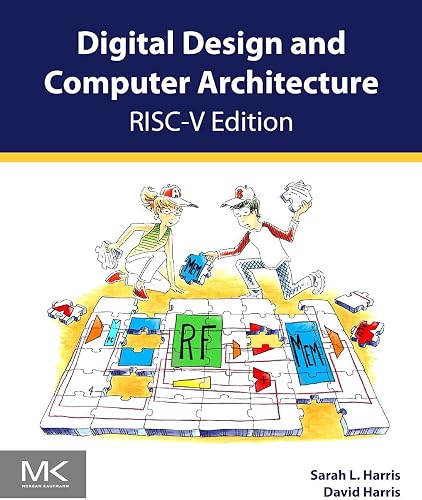
Best for: A practical textbook on digital design.
This edition uses the RISC-V architecture to teach digital logic and computer design. It’s a solid choice if you want to understand how to build hardware from the ground up.
The book is structured like a traditional classroom text. You should expect to work through problems to get the most out of the material.
Who it fits University students and self-taught learners. It’s great for those who want to combine theory with hands-on logic design.
Who should pass People who hate textbook-style reading. If you prefer a quick reference guide, this format will feel like a chore.
5. Inside the Machine

Best for: Visual learners who prefer illustrations.
This guide uses diagrams to explain how microprocessors function. It helps you see the architecture instead of just reading about it.
Because it relies on illustrations, it’s less of a reference manual for building systems. It’s best used as a supplement to other, more technical textbooks.
Who it fits Visual learners who struggle with dense text. It’s ideal for those who want to see the physical layout of processors.
Who should pass Engineers who need deep, text-heavy specifications for design work. If you need a dense manual, this book will be too light.
6. Designing Embedded Hardware

Best for: Those building their own computer devices.
This book is for the hands-on creator who wants to move beyond theory. It covers how to create new computers and devices using embedded systems.
It’s highly specific to the embedded world. If you’re only interested in PC architecture or cloud servers, the content here won’t be relevant.
What goes smoothly:
- Practical advice for hardware creation.
- Focuses on building specific devices.
- Very hands-on approach to design.
What you have to accept:
- Not useful for general-purpose PC architecture.
- Requires some existing electronics knowledge.
7. Modern Computer Architecture and Organization

Best for: A broad systems-level overview.
This book covers the spectrum from hardware foundations to AI datacenters. It’s useful if you want to understand the scale of modern computing.
It covers a lot of ground, which means some topics are touched on more briefly than others. It’s a good “big picture” book for those who want to see how it all connects.
Who it fits Systems administrators and those interested in AI infrastructure. It’s great for a wide-angle view of modern technology.
Who should pass Specialists looking for deep dives into one specific architecture. The broad scope might feel like it lacks the detail you need.
8. Architecture of Computer Hardware

Best for: IT professionals and network managers.
This book bridges the gap between hardware, systems software, and networking. It’s designed for those who work in IT infrastructure rather than hardware engineering.
Because it’s tailored for IT, it skips the deep circuit design found in pure engineering books. It’s a practical guide for those managing systems.
Who it fits IT support professionals and network administrators will find this perfect for understanding how hardware fits into an enterprise network.
Who should pass Hardware engineers who want to design processors. The content is too focused on the software-hardware interface for their specific needs.
9. Computer Organization and Design MIPS

Best for: Those working with MIPS architecture.
This book is a classic for learning the MIPS hardware-software interface. It’s a standard reference for many older systems and academic courses.
It’s very specific to MIPS. If you’re working on modern ARM or RISC-V projects, this book won’t be your primary resource.
Who it fits Students in courses that still use MIPS. It’s also great for those maintaining older systems.
Who should pass People working exclusively on modern mobile or server architecture. The MIPS focus is a significant limitation for current designs.
10. Digital Design ARM Edition

Best for: Students focused on ARM architecture.
This book teaches digital design with an emphasis on the ARM architecture. It’s useful for those who want to understand the hardware inside most modern phones.
Like other textbooks, it’s dense and requires a commitment to study the examples. It isn’t a casual read.
Who it fits Students preparing for careers in mobile or embedded design will find this perfect if they need to know how ARM chips work.
Who should pass Those who have no interest in ARM-based systems. If you’re building RISC-V or MIPS systems, this book isn’t for you.
The Decision Filter
You need to decide if you want to build hardware or just understand it. If you want to design circuits, look for textbooks with logic examples. If you want a high-level view, choose books that focus on systems and history. Most people miss this: the specific architecture (ARM vs. RISC-V vs. MIPS) matters more than the general title. Don’t buy a book for a system you aren’t using. Check your project requirements before choosing your guide.
The Essential Checklist
- Will you be using this book for a formal university class?
- Do you need to learn a specific architecture like ARM or RISC-V?
- Is your goal to design physical circuits or understand general system concepts?
- Are you comfortable with math and complex technical diagrams in your reading?
- Do you need to understand how software talks to the hardware interface?
- Will this book be a primary reference or just a secondary guide?
Three Regrets Worth Avoiding
Regret #1: Buying an architecture book for the wrong instruction set. Many students pick a MIPS book when their professor uses RISC-V, which makes the examples impossible to follow. Always check the required architecture before you buy.
Regret #2: Choosing a conceptual book when you need a technical design manual. Some readers buy introductory guides and find they lack the circuit-level detail required for engineering work. Check the table of contents to ensure the depth matches your needs.
Regret #3: Ignoring the prerequisite knowledge level. A textbook that assumes you know Boolean algebra will be useless if you’re just starting out. the listing doesn’t mention X
If You Want This, Look for That
If you want to understand how computers are built, you must understand the ISO/IEC/IEEE 24748 standards for systems engineering.
| If you want… | Look for | Avoid |
|---|---|---|
| To build circuits | Digital design textbooks | Conceptual storybooks |
| To learn mobile chips | ARM architecture focus | MIPS-only guides |
| A big picture view | Systems-level overviews | Component-level manuals |
| IT infrastructure help | Networking and software focus | Pure hardware design |
| Casual understanding | Illustrated introductions | Deep technical math |
If you’re still torn between two choices, check the publication date of each. Architecture changes fast, so the newer book is often better for modern interfaces. Pick the one that aligns with your current project, then start reading the first chapter to see if the tone suits you.
Related guides
- 10 Best Childrens Computer Hardware Robotics Books Reviewed in 2026
- 10 Best Computer Video Game Design Books for Aspiring Creators in 2026
Frequently Asked Questions
Do I need to know programming to understand these books?
You’ll need basic programming knowledge to grasp the hardware-software interface. Most books here explain how software instructions trigger hardware signals, so a foundational understanding of C or assembly will help you follow the examples.
Are these books suitable for beginners?
Some are, but many are technical textbooks intended for university students. If you’re a total beginner, start with a conceptual guide before moving to a design-heavy textbook. the listing doesn’t mention X
How often do I need to replace these books?
You don’t need to replace them unless the architecture you’re studying changes. However, hardware design evolves quickly, so newer editions of textbooks often include updated information on modern processors and AI-related hardware.
Can these books help me pass a certification exam?
These books are primarily for academic and professional reference, not specifically for exam prep. Check the syllabus for your specific course to see if these titles are listed as recommended reading for the material covered.
Do these books cover both hardware and software?
Yes, many of these titles focus on the hardware-software interface. This is the core of modern architecture design, where software commands are translated into physical operations on the silicon of the processor.
What if I can’t understand the math in the textbook?
If the math is too difficult, you may need to find a supplemental guide on digital logic. Most textbooks expect you to already have a grasp of basic logic gates and binary arithmetic before you begin.
Final Thoughts
Choosing the right resource is just the first step in your journey. Pick one book that matches your current skill level and start building your first simple circuit today. You’ll find that as you practice, the complex logic behind these machines won’t seem so intimidating. It’s time to start creating.