
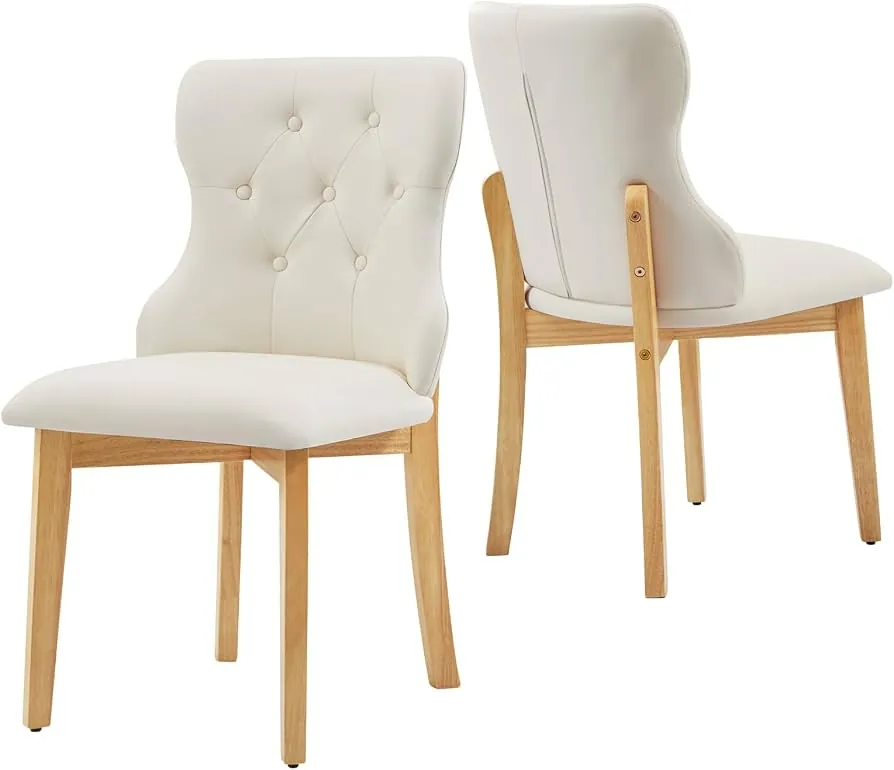
You can effectively manage how to clean white pleather chairs by using a simple solution of warm water and mild liquid soap. This process takes about 20 minutes for a standard set of four chairs, assuming you have the materials ready. It’s a medium-difficulty task because pleather requires care to avoid cracking the surface. Before you begin, ensure you have a soft microfiber cloth to prevent scratches on the material.
Required cleaning supplies and items
| Item | How much | Why it’s needed | A substitute |
|---|---|---|---|
| Mild liquid soap | 1 teaspoon | Removes dirt safely | Gentle dish soap |
| Warm water | 1 quart | Dilutes the soap | none — don’t swap |
| Microfiber cloth | 2 pieces | Wipes surface gently | Soft cotton rag |
| Dry towel | 1 piece | Absorbs excess moisture | Clean cotton cloth |
| Soft-bristle brush | 1 piece | Cleans textured areas | Old soft toothbrush |
Preparation before cleaning
Clear the area around your workspace to ensure you have enough room to move the chairs easily. A workspace smaller than four square feet per chair will force you to rush, often leading to missed spots or accidental spills.
Vacuum the chair seats and crevices using a soft brush attachment to remove loose dust and crumbs. If you skip this, you’ll grind fine grit into the pleather during the scrubbing phase, creating permanent micro-scratches that dull the material’s shine.
Check the manufacturer’s care label on the underside of the chair for specific cleaning warnings or material restrictions. If the label is missing, test your cleaning solution on a small, hidden patch near the floor-facing edge. Wait ten minutes for it to dry. If the color fades or the texture softens, don’t proceed.
Move the chairs to a well-lit area, such as near a window, so you can clearly see any stubborn stains. Avoid using harsh chemicals like bleach or ammonia. These strip the protective finish and cause the pleather to dry out or crack within months.
Steps for cleaning pleather chairs

-
Mix 1 teaspoon of mild liquid soap into 1 quart of warm water in a small plastic bowl. Stir the mixture gently until you see light suds forming on the surface of the water, which indicates the soap has fully dissolved and is ready for use on the chair.
-
Dip your microfiber cloth into the soapy water and wring it out until it’s just damp. Never soak the cloth, as excess water can seep into the chair seams and damage the underlying foam padding or the internal wooden frame, leading to mold growth or structural weakness over time.
-
Wipe the entire surface of the chair in gentle, circular motions starting from the top and moving downward. This method ensures that dirty water doesn’t drip onto areas you have already finished cleaning, allowing you to maintain a consistent finish across the entire seat and backrest of the chair.
-
Use a soft-bristle brush to gently scrub any textured areas or deep crevices where dirt tends to hide. Apply very light pressure to avoid tearing the material, and check the bristles frequently to ensure they aren’t scratching the pleather surface while you work on these harder, recessed areas.
-
Rinse your microfiber cloth in clean, plain water and wring it out thoroughly until it’s barely damp. Wipe the chair again to remove any soapy residue left behind, as leftover soap can attract new dust and grime, which makes the pleather look dull and dirty shortly after you finish cleaning it.
-
Dry the pleather immediately using a separate clean, dry towel to remove all lingering moisture from the surface.
-
Inspect the chair under bright light to see if any spots were missed during the wiping process. If you notice a stubborn stain, dip a cotton swab in a tiny amount of rubbing alcohol and gently dab the mark, but only do this if the initial soap and water mix didn’t work.
-
Allow the chairs to air dry completely for at least 60 minutes before anyone sits on them. Ensure the room has good airflow by opening a nearby window or using a fan, which helps the moisture evaporate fully from the seams and prevents any trapped water from causing long-term material damage.
How to know it worked
You’ll know the cleaning was successful when the white pleather appears uniform in color and feels smooth to the touch. The material should look matte or slightly satin, depending on the original finish, without any sticky residue or streaky soap marks. If you see dark patches or shadows in the creases, these areas still contain dirt and require a second, more focused round of cleaning.
When checking your work, look closely at the stitching and the corners where the seat meets the backrest. These areas often collect dust that isn’t visible at a distance.
If the surface feels tacky or slick after drying, you likely used too much soap; wipe it down again with a cloth dampened only with plain water to remove the excess film. Always perform this check while the chair is in a well-lit room to ensure you haven’t missed any spotty buildup that could harden over time.
Troubleshooting common cleaning issues
| What happened | Why | What to do |
|---|---|---|
| Streaks remain | Too much soap | Wipe with damp cloth |
| Stains persist | Deeply set dirt | Use diluted alcohol |
| Material feels dry | Harsh cleaner used | Apply vinyl conditioner |
| Sticky surface | Soap residue left | Rinse with water |
| Odor develops | Moisture trapped | Air dry longer |
If you see streaks, you likely used too much detergent. Reduce the amount of soap in your mixture to prevent this film from forming. Cut your soap ratio in half to prevent this film from forming.
When stains persist, test your alcohol solution on a hidden corner first. If the surface color transfers to your rag, stop immediately to avoid permanent damage.
A sticky surface often signals that you skipped the final rinse. If you fail to remove all soap residue, the surface will act like a magnet for dust and grime within forty-eight hours.
If the material feels brittle, the plasticizers in the synthetic material have likely degraded. Apply a pH-neutral conditioner once a month to restore elasticity and prevent cracking during seasonal temperature shifts.
How often to clean your chairs
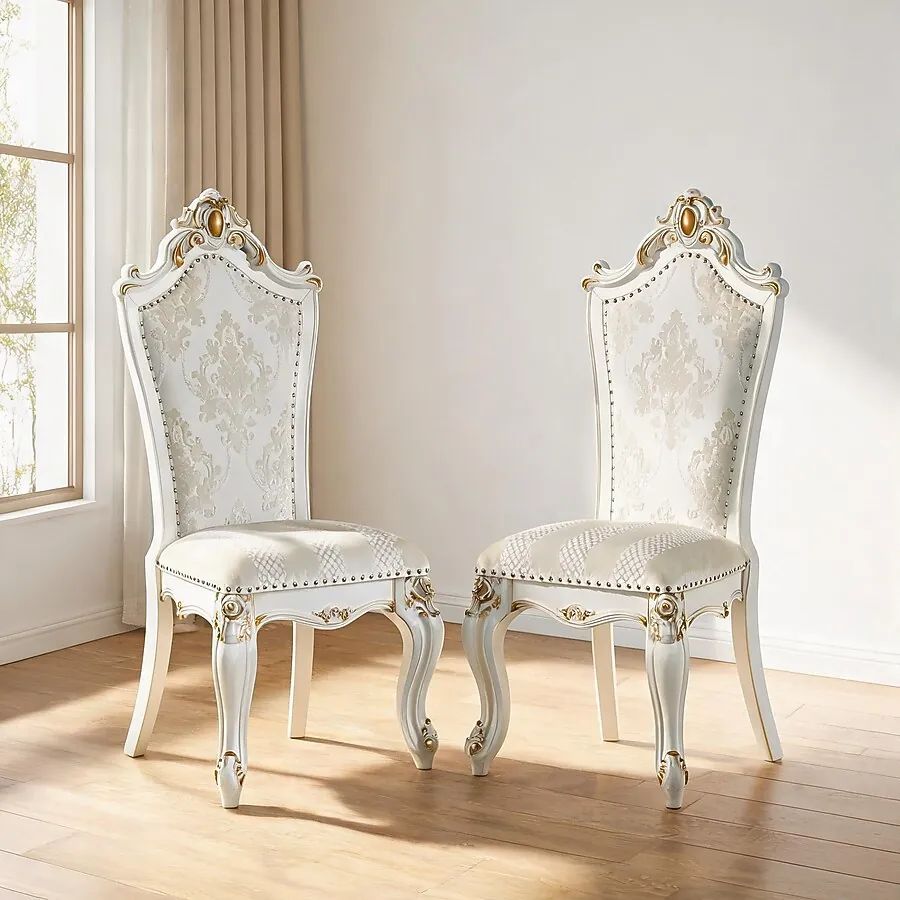
You should clean your chairs once every three months to prevent the buildup of grime and body oils. Two main factors will change this frequency: the amount of daily use and the presence of pets or children in the home. If your chairs are used daily for dining or office work, or if they’re in a household with pets that shed, you should wipe them down once a month instead.
Consistent cleaning prevents dirt from becoming embedded in the texture of the pleather, which is much harder to remove once it settles. If you notice a spill, wipe it up immediately rather than waiting for your next scheduled cleaning. By keeping to a regular schedule, you protect the material’s surface, which extends the lifespan of your furniture and keeps the white color looking bright and clean for many years.
Related guides
Frequently asked questions
Can I use vinegar to clean white pleather chairs?
You can use a very diluted vinegar solution, but it’s safer to stick with mild soap and water to avoid any risk of damaging the finish. If you choose to use vinegar, mix one part white vinegar with four parts water and test a tiny, hidden spot first to ensure it doesn’t cause discoloration or dullness on the specific material of your chairs.
How long does it take for pleather to dry?
It typically takes between 60 to 90 minutes for pleather to dry completely, assuming the room has moderate humidity and good airflow. You can speed up this process by placing the chairs near an open window or setting up a small fan to circulate air around them, which prevents moisture from sitting in the seams and causing long-term damage to the chair structure.
Is it safe to use bleach on white pleather?
It isn’t safe to use bleach on pleather because it’s a harsh chemical that will likely cause the material to yellow, crack, or peel over time. Stick to mild soap and water for regular maintenance, as these are sufficient for cleaning white surfaces without risking the integrity of the synthetic material or destroying the protective top layer of the chair.
What happens if I get water inside the seams?
If water seeps into the seams, it can cause the internal padding to stay damp, which leads to mold, mildew, or the weakening of the chair’s wooden frame. You must dry the seams immediately with a clean, absorbent towel and allow the chair to sit in a drafty area for several hours to ensure all moisture has fully evaporated from the deep crevices.
Does it matter if I use colored soap?
It doesn’t matter if the soap is colored, but you should always use a clear or white soap if possible to ensure it doesn’t leave any dye behind on the white material. If you only have colored soap, use a very small amount and ensure you rinse the surface thoroughly with a clean, damp cloth to remove every trace of the soap’s pigment.
How do I remove ink stains from white pleather?
You can remove fresh ink stains by gently dabbing the mark with a cotton swab dipped in a small amount of isopropyl alcohol. Move quickly because ink sets into the porous surface of pleather very fast; if the stain doesn’t lift after two or three gentle dabs, don’t scrub harder, as this will likely spread the ink further or damage the material surface.
Why is my white pleather turning yellow?
Your pleather is likely turning yellow due to exposure to direct sunlight, heat, or the use of harsh chemical cleaners that have stripped the protective coating. Once the material has yellowed, it’s very difficult to restore it to its original white color, so focus on keeping the chairs away from windows with harsh sun and using only mild, pH-neutral cleaners for future maintenance.
Conclusion
Regular maintenance is the most effective way to keep your chairs looking new. By wiping them down with a damp cloth every few months and avoiding harsh chemicals, you prevent the surface from cracking or yellowing. Always prioritize gentle cleaning methods to ensure the material stays soft and bright for as long as possible.