
A cracked or broken seat doesn’t mean the furniture is trash, and how to repair plastic lawn chairs comes down to choosing the right adhesive for the damage. If it’s a clean crack, two-part epoxy holds it together. If a piece is missing, you’ll need a patch. The most common cause is UV light from the sun making the surface brittle over time.
Why do plastic lawn chairs crack?
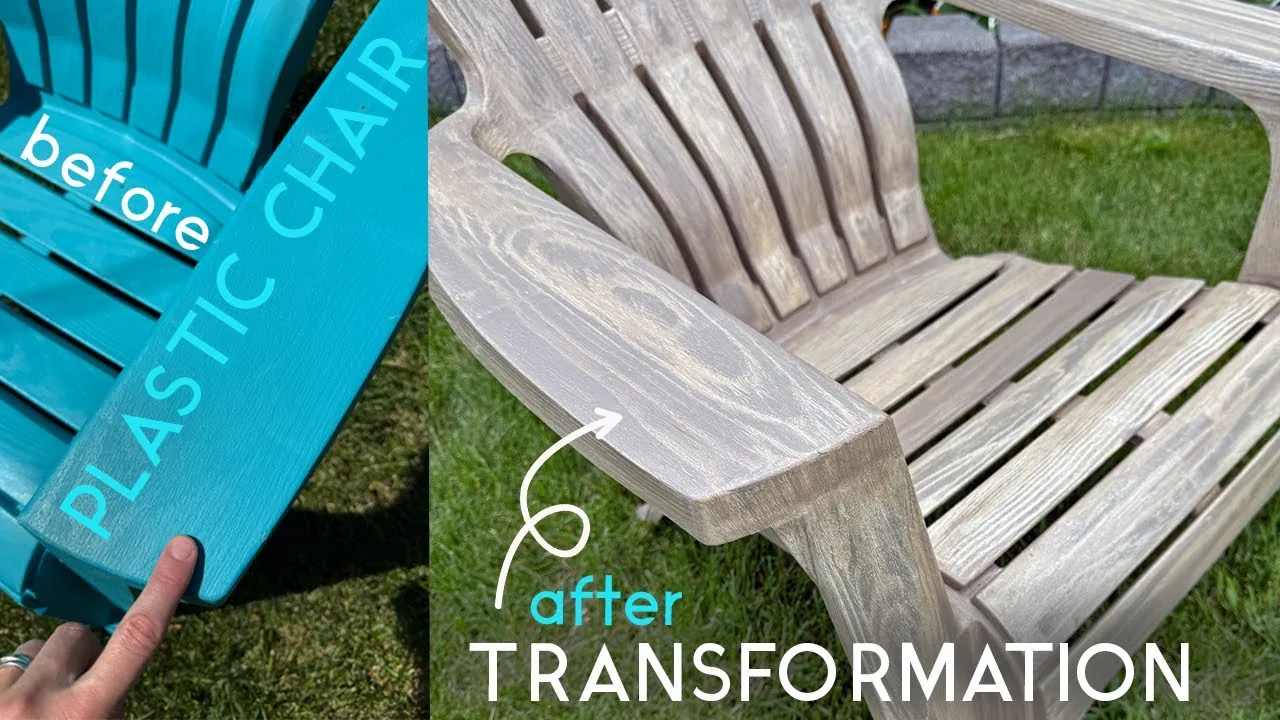
Plastic lawn chairs break because the material changes when it sits outside. Sunlight hits the surface every day, and that energy breaks the chemical bonds inside the plastic. This process is called UV degradation. The chair loses its flexibility and turns stiff. When someone sits down, the stiff material can’t bend like it used to, so it snaps instead.
Temperature swings make this worse. A chair in direct sunlight gets very hot, then cools down fast at night. The plastic expands in the heat and shrinks in the cold. Over a few seasons, this constant movement creates tiny stress lines. Those lines grow into cracks, usually starting where the chair bends the most.
The weight on the chair decides where it fails first. The front edge of the seat takes your full weight when you stand up. Armrests get pushed sideways when you shift around. If the plastic is already weak from the sun, these spots give out first.
Thin, cheap chairs fail faster than thick ones. You can check your own chair’s thickness by looking at the underside near the legs; a wall under 3 millimeters will crack much sooner than one twice that size. There isn’t one lifespan for outdoor furniture, so read the manufacturer’s care guide for the specific resin they used.
Clean and bond the cracked edges
This fix is for chairs with a clean break where the pieces still fit tightly together. Don’t use it if chunks are missing or the plastic crumbles when you touch it.
Start by washing the broken area with warm water and dish soap. Dirt and grease stop glue from sticking. Let it dry completely. Then wipe both sides of the crack with rubbing alcohol to remove any leftover oils.
Rough up the edges with 120-grit sandpaper. You don’t need to grind the plastic down, just scratch the surface so it feels dull. Wipe away the dust with a clean cloth.
Mix a two-part plastic epoxy. Follow the ratio printed on the package, which is usually equal parts from each tube. Apply a thin layer to both sides of the crack using a wooden stick. Press the pieces together firmly.
Wipe away any glue that squeezes out before it dries. Hold the pieces tight for five minutes, then wrap masking tape around the area to keep pressure on it. Leave the tape on for 24 hours at room temperature. If your workspace is below 60°F, the epoxy needs about twice as long to cure fully.
You’ll know it worked if the joint doesn’t flex when you push on it gently. Put the chair on a flat floor and press down slowly. If it holds without creaking, the bond is solid.
If the crack runs through a main leg joint or supports more than 200 pounds, epoxy alone won’t hold safely. Take those chairs to a professional plastic welder instead.
Reinforce the break with a patch
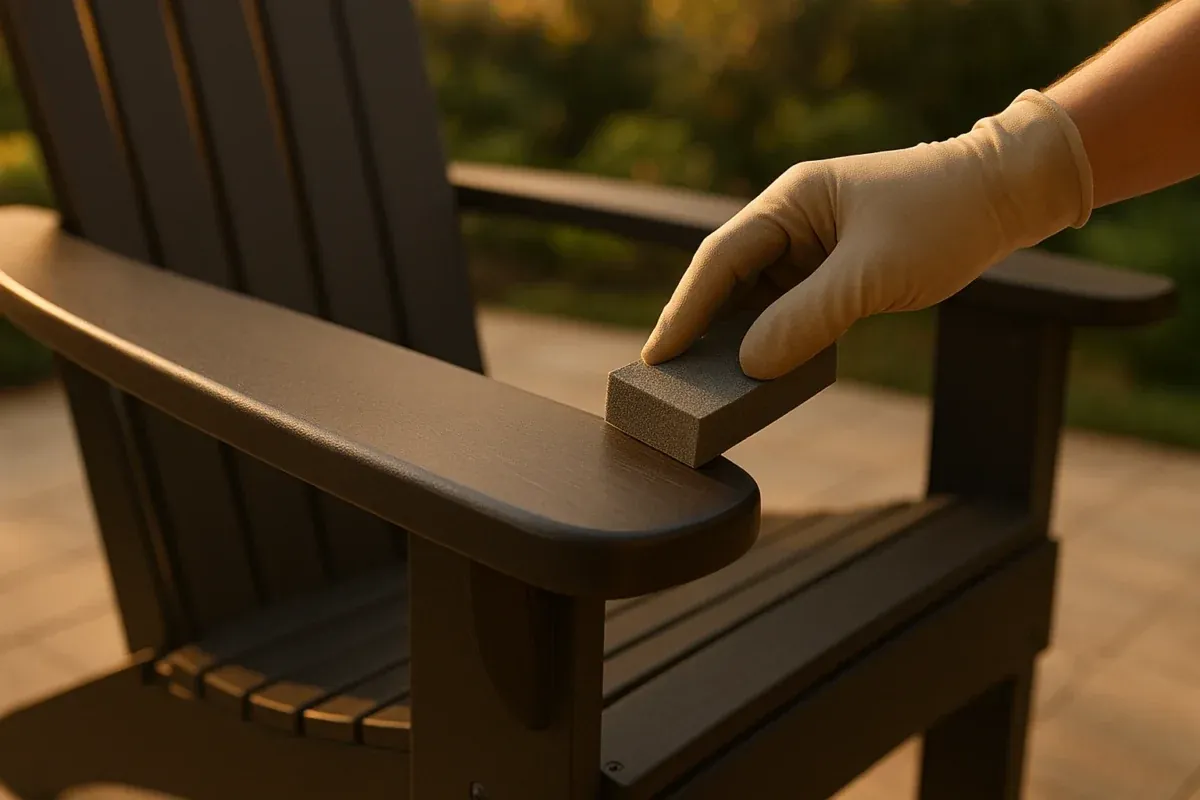
Use this method when the crack is wide, the plastic is splintered, or a small piece is gone entirely. It adds new material behind the break to carry the weight.
You’ll need a piece of fiberglass mesh or a thin sheet of high-density polyethylene (HDPE). Cut the patch so it covers the damaged area and extends at least 1 inch past the crack in every direction.
Sand the back of the chair around the break with 80-grit sandpaper. Clean it with rubbing alcohol just like the first method.
Spread a thick layer of two-part epoxy over the sanded area. Press your patch into the wet glue. Smooth it out so there are no air bubbles trapped underneath. Add another thin layer of epoxy over the top of the patch to seal the edges.
Let it cure for 48 hours before sitting on it. The patch should feel hard and sound solid when you tap it with your fingernail.
This approach trades looks for strength. You’ll see the patch on the underside, but the chair will hold weight again. If the damage is on the top of the seat where you sit, this fix isn’t for you. A rough patch against bare skin is uncomfortable, and painting over epoxy rarely lasts outdoors. For visible top-side damage, replacement is the better choice.
Melt the plastic back together
Heat welding fuses the broken plastic into one solid piece again. It’s worth the effort when the chair is expensive, thick-walled, or has a long structural crack that glue can’t handle.
You’ll need a soldering iron with a flat tip or a dedicated plastic welding tool. Set the temperature between 500°F and 575°F for HDPE, which is what most outdoor chairs are made from. If you aren’t sure what plastic you have, look for the recycling stamp molded into the bottom of the chair.
Work outside or in a garage with the doors open. Melting plastic releases fumes you shouldn’t breathe. Wear leather gloves and safety glasses.
Run the hot tip slowly along the crack. You want the plastic to turn shiny and soft, not black and smoking. Push the melted edges together as you move the iron along the line.
For extra strength, melt a strip of matching plastic—like an old milk jug for HDPE—into the crack as filler material. Press it down until it blends with the chair.
Let the welded area cool naturally for an hour. Don’t spray it with water, because cooling too fast makes the plastic brittle again.
If the crack goes all the way through a load-bearing leg, welding carries real risk. A bad weld fails without warning while you’re sitting on it. If you don’t have experience melting plastics, hire a shop that does automotive bumper repairs. They handle this exact material every day.
Bad fixes that ruin plastic chairs
Some advice sounds helpful but actually destroys the chair faster. Here’s what to avoid when working on outdoor plastic furniture.
- Using standard super glue on wide cracks. Super glue dries hard and glass-like. Outdoor chairs flex when you sit down, and rigid glue snaps immediately under that movement.
- Melting the chair with a heat gun on high. A heat gun blows hot air everywhere, warping the surrounding seat. A soldering iron puts heat exactly where you need it without ruining the shape.
- Drilling holes and zip-tying the pieces together. Holes create new stress points in brittle plastic. The zip ties pull through those holes within a few weeks of regular use.
- Wrapping the legs in duct tape. Tape adhesive melts in the summer sun and leaves a sticky mess. It also hides the crack, so you can’t see when the break gets worse.
- Painting over a crack to “seal” it. Paint doesn’t bond broken edges together. It just traps moisture inside the crack, which freezes in winter and splits the plastic wider.
Keep plastic lawn chairs from breaking
The way you treat the chair between uses decides how long it survives outside. Small habits prevent the damage you’d otherwise have to fix later.
| If you’re doing this | Do this instead | Why |
|---|---|---|
| Leaving chairs in direct sun all year | Store them in a shed or under a cover when not in use | UV rays break the chemical bonds that keep the plastic flexible |
| Stacking ten chairs high | Stack no more than four or five at a time | The bottom chair bends under the weight, causing stress marks |
| Dragging chairs across concrete patios | Lift them by the frame to move them | Scraping wears down the legs and creates weak spots that snap |
| Cleaning with bleach or harsh chemicals | Wash with mild dish soap and a soft sponge | Strong solvents eat into the plastic surface and speed up cracking |
| Standing on the armrests to reach things | Use a proper step stool | Armrests aren’t built to hold your full body weight from above |
Related guides
Frequently asked questions
Can you use Gorilla Glue on plastic lawn chairs?
No, the original polyurethane Gorilla Glue doesn’t work well here. It expands as it dries and pushes the broken pieces apart. It also needs moisture to cure, which makes the joint foam up. Their specific epoxy version works, but standard white Gorilla Glue leaves a messy, weak bond on smooth outdoor plastic.
How long does epoxy take to dry on plastic?
Two-part epoxy sets enough to hold its shape in 5 to 10 minutes at 70°F. It reaches full strength after 24 hours. If your garage is colder than 60°F, wait 48 hours before putting weight on the chair. Check the back of your specific epoxy package for its exact cure time.
Is it safe to sit on a glued plastic chair?
Yes, if you repaired a non-structural part like the seat pan or a small armrest crack. Don’t trust glue alone on the main legs or the joints where the back meets the seat. Those spots carry your whole body weight and fail suddenly. Replace the chair if the legs are snapped.
What type of plastic are lawn chairs made of?
They’re usually made of high-density polyethylene (HDPE) or polypropylene (PP). Look for a recycling triangle stamped on the bottom. HDPE is marked with a 2, and PP has a 5. Most common adhesives won’t bond to HDPE or PP; you must use a specialized plastic adhesive or welding rod specifically formulated for low-surface-energy plastics.
Why does my plastic chair keep cracking in the same spot?
That spot carries the most stress when you sit down or stand up. The front edge of the seat and the base of the armrests bend every time you move. If the plastic is already brittle from sun damage, it will split there repeatedly. You’ll need to add a backing patch to spread the load out.
How much weight can a repaired plastic chair hold?
A patched chair handles about 150 to 200 pounds for normal sitting, assuming you used fiberglass mesh and epoxy on a standard-thickness seat. It won’t hold the original factory limit anymore. Don’t lean back hard or stand on it. If you weigh over 200 pounds, buy a new heavy-duty chair instead of trusting a repair.
Does Flex Tape work on broken plastic chairs?
It stops water from getting through a crack, but it doesn’t restore the chair’s strength. The tape stretches when you sit down, so the broken plastic underneath keeps moving. It’s fine as a temporary patch to finish the summer, but the chair will fold at that spot eventually.
Conclusion
Fixing a broken seat takes less than an hour and costs only a few dollars in supplies. Match the repair to the damage: glue for clean breaks, patches for missing pieces, and heat for thick structural cracks. Keep the chairs out of the sun when you aren’t using them, and they’ll stay solid for years instead of months.