
Mixing dining chairs and tables means pairing pieces that weren’t sold as a matching set so the table and chairs differ in style, material, color, or era while still working together visually. Done well, the combination looks intentional rather than random, and it lets you build a dining room around pieces you already own or find secondhand instead of buying a factory-matched suite. The goal is contrast with cohesion: enough difference to feel collected, enough similarity to feel like one room.
Key Takeaways
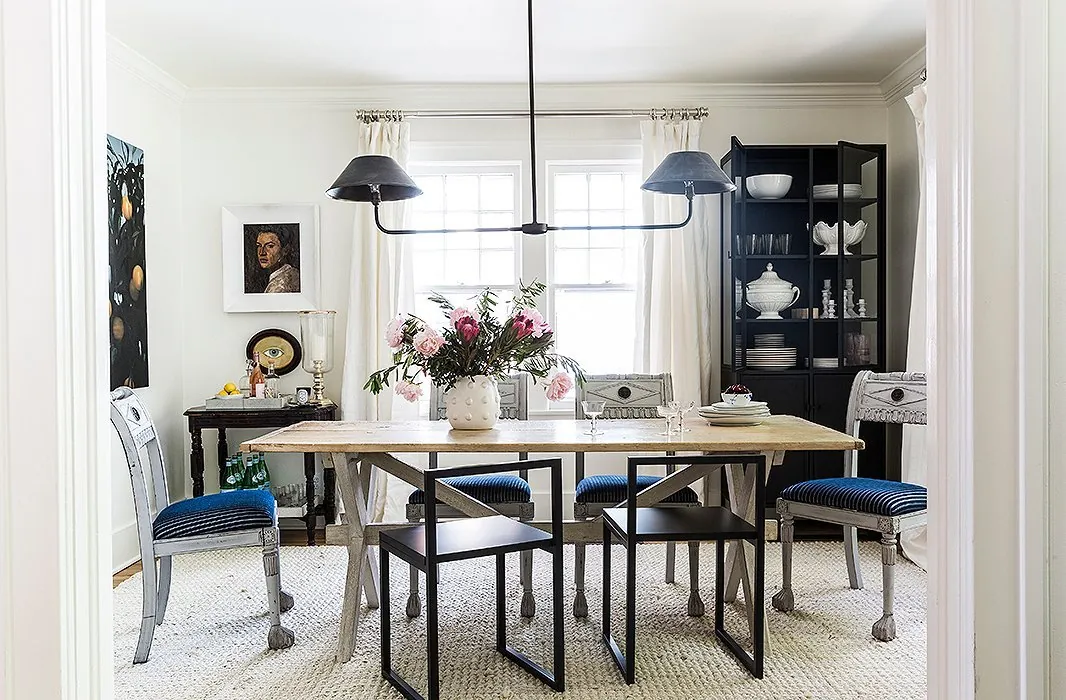
- Keep seat heights within 2 to 3 inches of the table’s apron clearance so chairs tuck in comfortably.
- Match at least one element—wood tone, finish, leg shape, or color—between table and chairs to create visual unity.
- Use a unifying rug, lighting fixture, or tabletop accessory to tie mismatched pieces together.
- Leave at least 24 inches of table edge per person and 36 inches of walking space behind pulled-out chairs.
- Test comfort and scale before buying: sit in the chairs at the table if at all possible.
Start With the Table
The dining table anchors the room, so choose it first and build the seating around it. Measure the room and leave at least 36 inches between the table edge and walls or sideboards so people can walk behind chairs that are pulled out.
A standard dining table stands about 28 to 30 inches tall, which means most dining chairs have seat heights around 17 to 19 inches. If you’re mixing bench seating with chairs, confirm the bench height matches the chair seats within an inch or two so everyone sits at the same level.
Wood tables pair naturally with wood chairs, but they also work with metal, upholstered, or plastic seats if you repeat a tone or detail elsewhere in the room. Glass or marble tables read as lighter visually, so heavier, dark wood chairs can overwhelm them unless the chair legs are slim or open. Painted tables in white, gray, or navy offer a neutral backdrop that lets colorful or patterned chairs stand out without fighting for attention.
Choose Chairs That Contrast but Connect
Good mixing relies on one shared element and one point of difference. If your table is rustic oak, pair it with mid-century modern chairs in walnut—different eras, but similar warm wood tones. If your table is a sleek white lacquer, try black metal chairs with cane seats for contrast in material while keeping the color story simple. Upholstered chairs soften a hard table, while wood or metal chairs add structure around a heavily upholstered or banquette-style table.
Leg shape matters more than people realize. Tapered legs on a table echo tapered legs on chairs, creating a quiet visual thread even when the styles differ. Turned legs on a pedestal table look best with chairs that have some curves or spindles rather than rigid, boxy frames. When in doubt, repeat a material: leather table pads or leather chair seats, brass hardware on both, or the same fabric on chair seats and dining curtains.
What Works When You Mix Dining Chairs and Tables
Not every combination succeeds, but many do when you follow a loose logic. Below are common pairings and why they tend to work.
| Table Style | Chair Styles That Pair Well | What Connects Them |
|---|---|---|
| Farmhouse or trestle wood | Windsor, spindle-back, painted wooden chairs | Shared wood material; casual, rural feeling |
| Mid-century modern teak or walnut | Eames-style molded plastic, bentwood, upholstered sling chairs | Clean lines, organic curves, similar era |
| Glass or marble top | Metal side chairs, acrylic ghost chairs, slim upholstered chairs | Light visual weight; open bases |
| Painted or distressed wood | Upholstered chairs in linen, velvet, or leather | Contrast between hard and soft surfaces |
| Industrial metal or reclaimed wood | Leather boss chairs, metal Tolix-style chairs, bench seating | Durable materials; utilitarian mood |
Avoid pairing two highly ornate pieces, such as a carved rococo table with gilded baroque chairs, unless the room is large enough that each piece can breathe. Similarly, two ultra-minimalist pieces in clashing colors—say, a high-gloss red table with neon green chairs—can feel like a showroom rather than a dining room.
Scale, Height, and Clearance
Chair height is the most practical rule in mixing. Measure from the floor to the underside of the table apron; you need at least 8 to 12 inches of lap clearance between the seat and the apron. Standard dining chairs with 17- to 19-inch seats fit most 29- to 30-inch tables. Counter-height tables (about 34 to 36 inches) need chairs or stools with 24- to 26-inch seats, while bar-height tables (40 to 42 inches) require 28- to 30-inch seats.
Width matters just as much. Allow 24 to 28 inches of table edge per person so elbows don’t collide. If you mix armchairs with side chairs, place the armchairs at the heads of the table and use slimmer side chairs along the lengths. A bench on one side can seat more people in less space, but make sure its depth matches the chairs so knees line up under the table.
Color and Finish Strategies
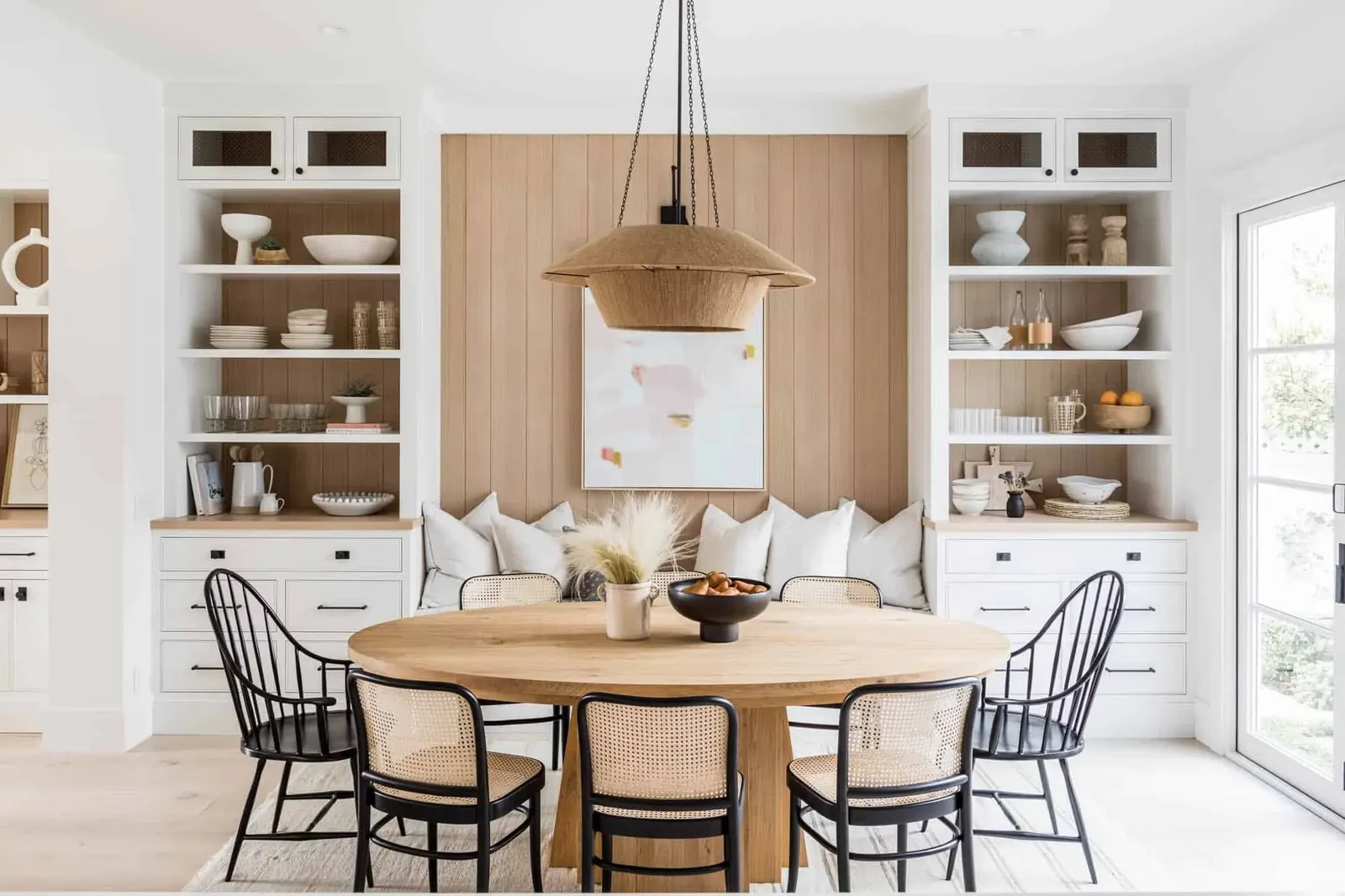
You don’t need matching finishes to make a set look coordinated. Repeating one color across the table and chairs is the simplest unifier. A black table with black chairs in different styles reads as a collection, not a mismatch. Natural wood tables look best when at least one chair repeats the wood species or stain, even if the other chairs are painted or upholstered.
For a bolder look, choose chairs in a color that appears elsewhere in the room—on a rug, artwork, or sideboard—and let the table stay neutral. White tables are especially forgiving; they pair with nearly any chair color because they don’t compete. Dark tables, by contrast, make light upholstery pop but can make dark wood chairs disappear into the base unless the chairs have light seats or slender legs.
Upholstery, Materials, and Texture
Mixing materials adds depth. A wood table with upholstered chairs feels warmer than an all-wood combination, especially in rooms with hard floors. Leather chairs wear well and age gracefully, but they can feel slippery against a polished wood table; a placemat or runner under each setting adds friction and protects both surfaces. Fabric chairs show stains more readily, so choose performance fabrics or removable, washable slipcovers if the dining table sees daily family use.
Cane, rattan, and rush seats bring texture without visual weight, making them ideal for small dining rooms. Metal chairs are durable and easy to clean, but they conduct cold in unheated rooms and can scratch some table finishes; felt glides on chair legs prevent damage. If you mix wood and upholstered chairs, consider using the upholstered chairs at the heads of the table and wood chairs along the sides for a balanced look.
Using One Room to Tie Everything Together
When chairs and tables don’t match, the surrounding decor does the heavy lifting. A rug under the dining table defines the zone and can pick up colors from both the table and the chairs. Choose a rug large enough that all chair legs stay on it even when the chairs are pulled out—typically at least 24 inches beyond the table edge on all sides.
A chandelier or pendant centered over the table draws the eye upward and away from any mismatch below. Curtains, artwork, and a sideboard or buffet in the same finish as one of the dining pieces create a triangle of repetition that makes the room feel planned. Houseplants, a table runner, or placemats in a repeated accent color further blend disparate pieces into one scene.
Shopping and Arranging Mixed Chairs
If you’re starting with a table and hunting for chairs, secondhand stores, estate sales, and online marketplaces are rich sources of single chairs that no longer have their original tables. Look for chairs with solid frames and sound joints; upholstery can be replaced, but a wobbly leg or cracked rail is harder to fix.
Brands such as IKEA, West Elm, and Article regularly sell dining chairs in multiple finishes, which makes it easier to buy the same model in two different colors or materials for a deliberate mismatch.
When you arrange the mix, symmetry helps. Place matching chairs at the heads of the table and alternate different styles along the sides, or use one style on each long side for a balanced rhythm. If you have six chairs and four are the same, put the matching four on the long sides and the two odd ones at the heads. Avoid scattering single different chairs randomly around the table; repetition reads as intentional, randomness reads as a mistake.
Common Mistakes to Avoid
- Buying chairs solely by style without checking seat height against the table apron.
- Choosing armchairs that are too wide to fit under the table or between other chairs.
- Ignoring floor protection; mismatched chair legs with different glide materials can scratch wood floors unevenly.
- Overloading a small room with visually heavy pieces, such as a dark trestle table plus high-back leather chairs.
- Forgetting that everyone needs to sit at the same height; mixing bar stools with dining chairs at a standard table is uncomfortable.
Maintenance and Longevity
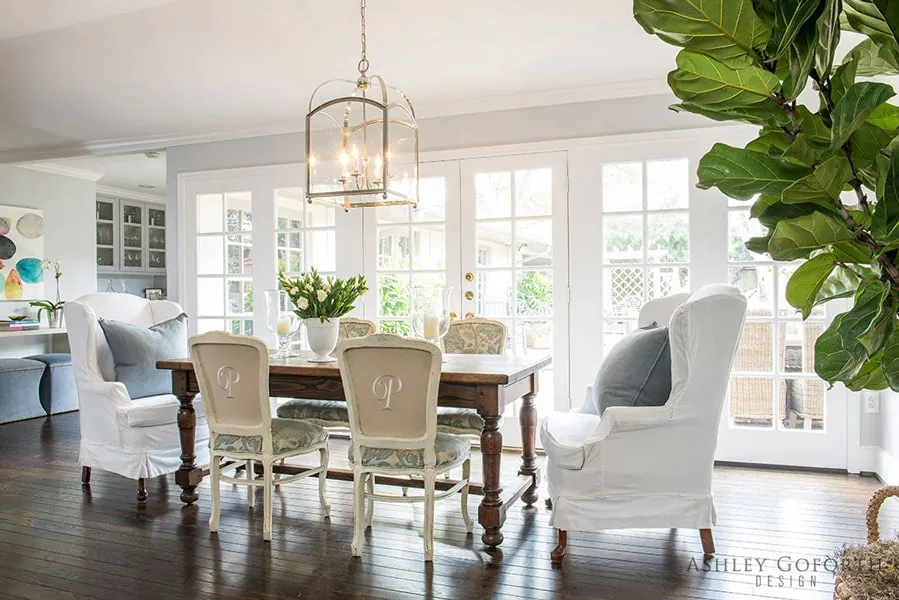
Mixed dining sets age differently. Wood chairs may need occasional tightening of bolts or re-gluing of joints, while upholstered chairs benefit from regular vacuuming and prompt stain treatment. Rotate chair positions if some seats get more sun than others, especially with fabric or leather, to prevent uneven fading. If you mix finishes, clean each material according to its needs—oil for wood, appropriate cleaner for leather, mild soap for metal—rather than treating the whole set the same way.
Pro Tip: Buy one extra chair of your most-used style so you have a replacement if damage occurs, and use it as a spare seat until needed.
Warning: Don’t place upholstered chairs directly against a radiator or heating vent; dry heat cracks leather and fades fabric over time.
Frequently Asked Questions
Can I mix wood tones?
Yes. Pair light oak tables with walnut chairs or dark mahogany tables with ash chairs, as long as you repeat one tone somewhere else in the room, such as in a sideboard, picture frame, or flooring.
How many different chair styles should I use?
Two or three styles maximum. More than that tends to look like a warehouse clearance rather than a curated dining room unless the room is very large.
Do bench seats work with mismatched chairs?
Yes, especially on one long side of the table. Match the bench height to the chair seats within an inch or two and keep the bench depth similar so everyone’s knees line up.
Will mismatched chairs lower my home’s resale value?
No. Dining furniture is personal property, not a permanent fixture, and buyers expect to bring their own. A tidy, well-proportioned mixed set presents better than a damaged matching suite.
What if I already own a table and chairs I love but they clash?
Add a unifying element: paint the chairs the same color, reupholster them in one fabric, or place them on a rug that picks up both the table and chair colors. New chair pads or slipcovers are the fastest fix.
Conclusion
Mixing dining chairs and tables is one of the easiest ways to make a dining room feel personal instead of showroom-staged. Start by measuring your table height and apron clearance, then choose chairs that share one detail—wood tone, leg shape, or color—while differing in style. Buy or borrow one chair first, test it at your table, and build the rest of the mix around what fits and feels right.