
Protecting cloth dining chairs means guarding the upholstery against spills, stains, sunlight, pet hair, and everyday wear before damage happens. Fabric absorbs liquids quickly, so a single dinner mishap can set into fibers and become permanent if you don’t act fast. The right combination of fabric protection, slipcovers, and regular cleaning habits keeps chairs looking new for years without replacing them.
Key Takeaways
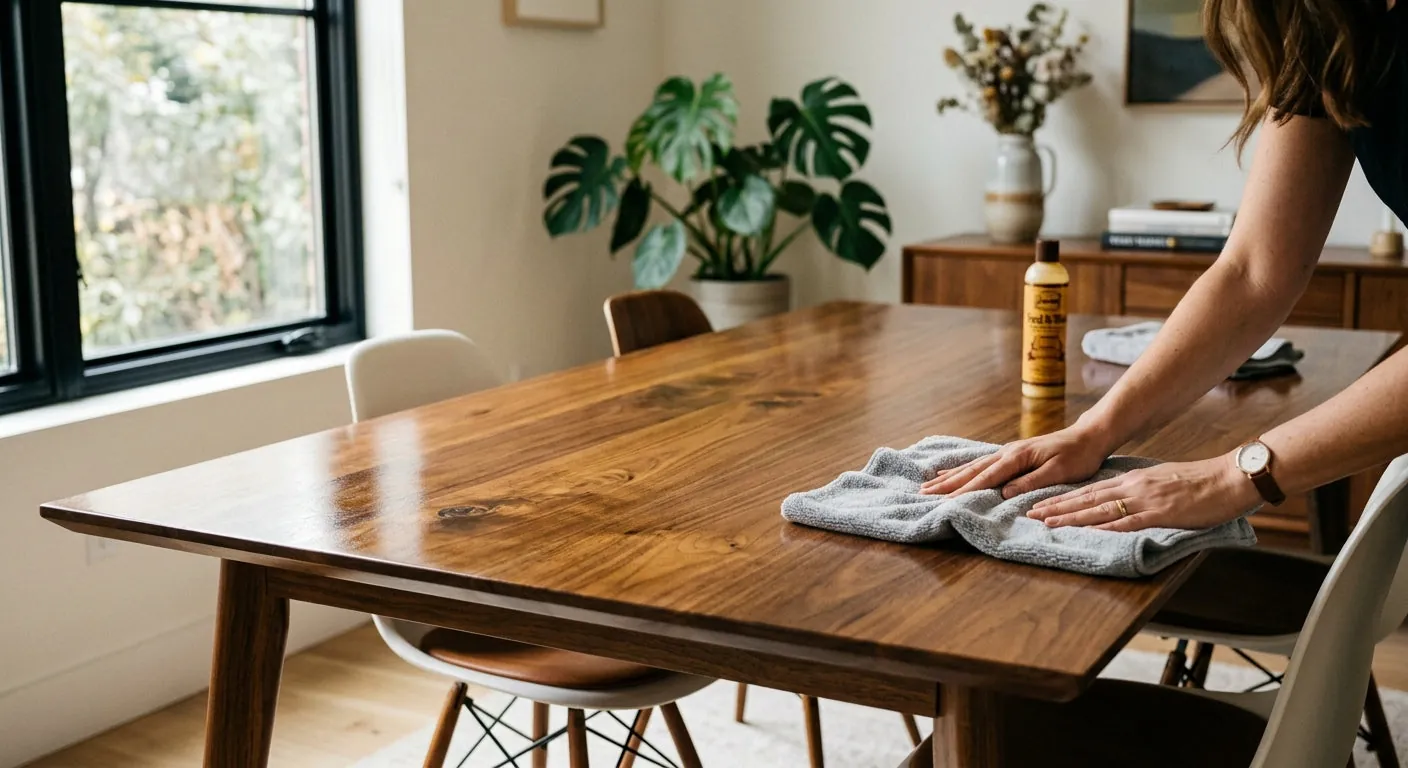
- Apply a fabric protector spray made for upholstery to create a liquid-resistant barrier on clean, dry chairs.
- Use fitted slipcovers or chair pads on high-use seats to take the brunt of spills and pet claws.
- Blot spills immediately with a clean white cloth; never rub, which pushes stains deeper into the weave.
- Vacuum weekly with an upholstery attachment to remove grit that acts like sandpaper on fabric fibers.
- Rotate chair positions around the table so sunlight and body wear are distributed evenly.
- Test any cleaner or protector on a hidden spot first to make sure it doesn’t discolor the fabric.
Choose the Right Way to Protect Cloth Dining Chairs
Start by identifying what your chairs are upholstered in. Cotton, linen, polyester, microfiber, and performance fabrics each react differently to spills and cleaners. Check the manufacturer’s care tag for cleaning codes: W means water-based cleaners are safe, S means solvent-only, WS means either, and X means vacuum only. Matching your protection method to the fabric type prevents accidental damage.
Fabric protector spray is the most common first line of defense. These sprays coat fibers so liquids bead up instead of soaking in. Look for products labeled for upholstery rather than general fabric, and choose a formula suited to your chair’s material. Apply in a well-ventilated area, hold the can about six to eight inches from the fabric, and use light, even coats. Let the chairs dry completely—usually several hours—before sitting on them.
Slipcovers offer physical protection that sprays can’t match. A fitted cover shields the entire seat and back from food, pet hair, and sunlight. Stretch-fit covers work well on chairs with simple shapes, while tailored slipcovers give a more formal look. Choose machine-washable fabrics like cotton blends or microfiber so you can toss them in the laundry after messy meals.
Chair pads and seat cushions protect the spot that gets the most abuse. Thick foam pads with washable covers absorb impact and catch crumbs before they reach the upholstery underneath. Tie them to the chair frame so they don’t slide during meals.
Pro Tip: Reapply fabric protector every six to twelve months, or after deep cleaning, because washing and wear wear the coating off over time.
Clean Spills the Right Way
Speed matters more than anything when liquid hits cloth. Blot immediately with a clean, white, absorbent cloth or paper towel. Press straight down and lift; don’t rub or scrub, which drives the spill deeper into the fibers and can fray the weave. Work from the outside of the spill toward the center to keep it from spreading.
For food solids, lift them gently with a spoon or dull knife before blotting. Once you have absorbed as much liquid as possible, treat the spot according to the cleaning code on the tag. Water-safe fabrics can handle a mild solution of dish soap and lukewarm water applied with a soft cloth. Blot again with clean water to rinse, then press dry with a towel and let the chair air dry fully before use.
Warning: Avoid using hot water on protein-based spills like milk or eggs, because heat can set the stain permanently. Also skip bleach and ammonia-based cleaners on upholstery unless the manufacturer explicitly approves them.
Build a Weekly Care Routine
Dust and crumbs act like sandpaper every time someone sits down, gradually breaking down fabric fibers. Vacuum cloth chairs once a week using the upholstery attachment on your vacuum cleaner. Go over seams, button tufting, and the underside of the seat where debris collects. If you have pets, run a rubber brush or lint roller over the fabric between vacuumings to pull up embedded hair.
Flip removable seat cushions weekly so wear distributes evenly across both sides. If your chairs aren’t cushioned, rotate their positions around the table every month or two. This prevents one chair from taking all the sunlight exposure and all the body weight, which leads to uneven fading and sagging.
Keep a small cleaning kit nearby: white microfiber cloths, a gentle upholstery cleaner suited to your fabric, and a soft-bristled brush. Treating a spot within minutes dramatically improves the odds of complete removal.
Protect from Sunlight and Heat
Direct sunlight fades and weakens cloth upholstery over time. Ultraviolet rays break down dyes and fibers, leaving chairs looking dull and worn unevenly. Position dining chairs away from windows that get strong afternoon sun, or use sheer curtains and UV-blocking window film to reduce exposure. Rotate chairs regularly so no single piece bears the full brunt of light.
Heat sources also matter. Don’t place cloth chairs directly beside radiators, heating vents, or fireplaces. Constant warmth dries out fibers and can cause fading or brittleness over years of exposure. If your dining area gets warm in summer, run a fan or air conditioner to keep humidity moderate, because damp conditions encourage mildew in fabric.
Manage Pets and Kids
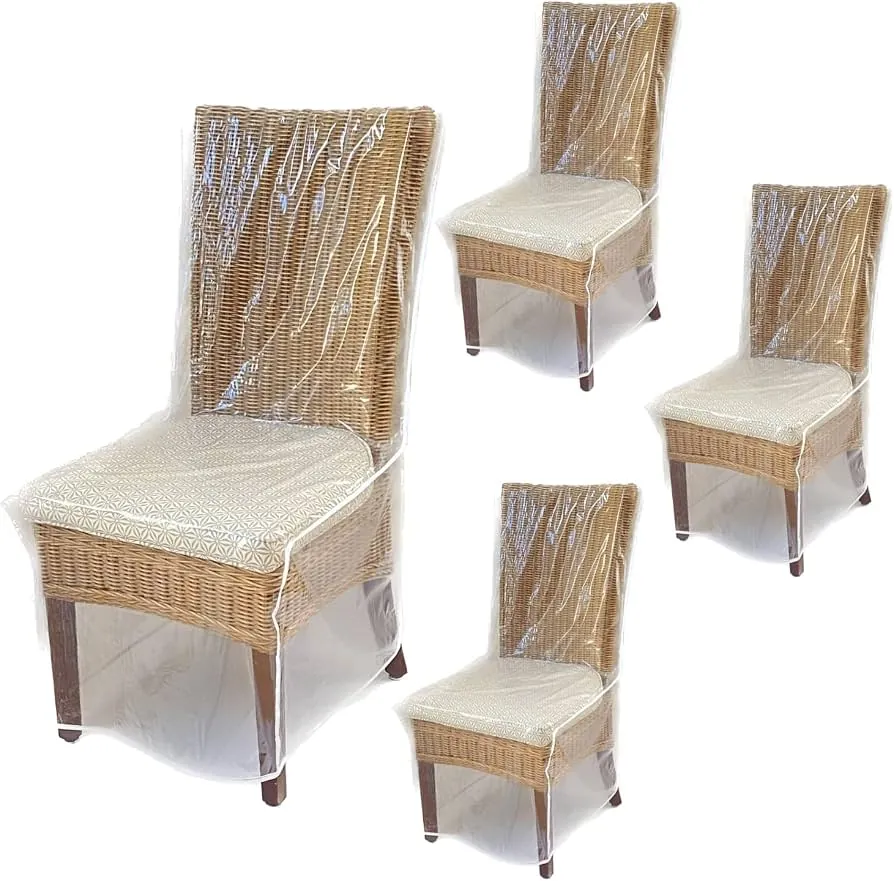
Pets and children are the hardest on cloth dining chairs. Claws snag fabric, while dropped food and spilled drinks create stains. Trim pet nails regularly to reduce snags, and consider keeping a throw blanket or washable chair cover on seats your dog or cat likes to claim. For kids, slipcovers are especially useful because they come off and go in the washing machine.
Establish a no-feet-on-furniture rule and encourage everyone to sit properly rather than sliding across seats, which abrades the fabric. High chairs and booster seats should have clean bottoms; food trapped underneath can grind into upholstery every time the seat moves.
Compare Protection Methods
The table below helps you match protection to your needs, budget, and how much effort you want to put in.
| Method | Best For | Typical Lifespan | Effort Level |
|---|---|---|---|
| Fabric protector spray | All cloth upholstery | 6–12 months per application | Low |
| Fitted slipcovers | High-use chairs, kids, pets | 2–5 years | Medium |
| Chair pads/seat cushions | Seat wear and crumbs | 1–3 years | Low |
| UV window film | Sun-exposed dining rooms | 5–10 years | Medium |
| Regular vacuuming | All fabric types | Ongoing | Low |
No single method does everything. Sprays repel liquids but don’t stop pet claws. Slipcovers block nearly everything but change the look of the chair. Combine two or three approaches for the best results.
Spot-Clean by Fabric Type
Different fabrics demand different treatments. Using the wrong cleaner can leave a ring, discolor the material, or damage the weave.
Microfiber and Microsuede
These synthetic fabrics resist stains well but show water spots if cleaned improperly. Use a solvent-based cleaner or rubbing alcohol on a white cloth for spot treatment, then fluff the nap with a soft brush while the area dries. Avoid soaking microfiber with water.
Cotton and Linen
Natural fibers absorb spills quickly. Blot immediately, then clean with a mild water-based solution if the tag allows. Linen wrinkles easily and may need professional cleaning for large stains. Both fabrics can shrink if overwet, so use minimal moisture.
Polyester and Olefin
These synthetics handle water-based cleaners well and resist fading. They’re good choices for dining chairs because spills sit on the surface longer before soaking in. Blot, clean gently, and air dry.
Velvet and Chenille
Textured fabrics show every brush mark and water spot. Clean in the direction of the nap with minimal pressure. These materials often benefit from professional upholstery cleaning rather than DIY spot treatment.
Always test cleaner on a hidden area—such as the back of the seat or underneath the chair—before treating a visible stain.
Deep Clean on a Schedule
Even with regular care, cloth dining chairs need deep cleaning once or twice a year. You can rent an upholstery cleaning machine or hire a professional service. Professional cleaners have extraction equipment that pulls out embedded dirt household vacuums can’t reach. If you DIY, use a machine made for upholstery, not carpet, and avoid overwetting the fabric. Too much moisture can lead to mildew inside the cushion foam.
Before deep cleaning, vacuum thoroughly to remove loose debris. Treat any spots first, then clean the whole chair so you don’t end up with clean patches surrounded by dull fabric. Let chairs dry completely—ideally 24 hours—before putting slipcovers back on or using them at the table.
Prevent Damage During Moves and Storage
When moving cloth dining chairs, lift them by the frame rather than dragging them across the floor. Dragging stresses seams and can tear fabric at stress points. Wrap chairs in moving blankets or old sheets to protect against scuffs and dust during transport.
If you store chairs for a season, clean them first so food residue doesn’t attract pests. Store in a dry, climate-controlled space if possible. Cover with breathable fabric—not plastic, which traps moisture and encourages mildew. Stack chairs carefully with padding between them to prevent frame damage and fabric creasing.
Troubleshooting Common Problems

| Problem | Likely Cause | Fix |
|---|---|---|
| Water ring after cleaning | Too much water, uneven drying | Re-clean lightly, blot dry, use fan to speed drying |
| Faded patches on one side | Sun exposure | Rotate chairs, add UV window film or curtains |
| Snags from pet claws | Untrimmed nails, rough fabric | Trim nails, add slipcovers or throws |
| Lingering food odor | Spill soaked into padding | Sprinkle baking soda, vacuum after 15–30 minutes |
| Pilling on fabric | Friction from regular use | Shave pills gently with a fabric shaver |
Related guides
Frequently Asked Questions
How often should I apply fabric protector spray?
Typically every six to twelve months, depending on how often the chairs are used and whether they have been deep cleaned. High-traffic dining rooms may need reapplication closer to every six months.
Can I use Scotchgard on all cloth dining chairs?
Not necessarily. Check the fabric care tag and the protector label first. Some delicate or treated fabrics don’t react well to solvent-based protectors, so test on a hidden spot before full application.
What is the best way to remove pet hair from cloth chairs?
Use a vacuum with an upholstery attachment weekly, and run a rubber brush or lint roller over the fabric between cleanings. For embedded hair, a damp rubber squeegee can pull it up before vacuuming.
Should I choose slipcovers or fabric spray?
Use both if you want maximum protection. Spray handles liquid spills, while slipcovers protect against pet claws, crumbs, and heavy wear. Slipcovers are better if you have young children or multiple pets.
How do I stop sunlight from fading my dining chairs?
Move chairs out of direct sun, install UV-blocking window film or sheer curtains, and rotate chair positions around the table every few months so fading distributes evenly.
Can I machine-wash dining chair slipcovers?
Most cotton, polyester, and microfiber slipcovers are machine-washable, but check the care label first. Use cold or warm water on a gentle cycle and tumble dry low or air dry to prevent shrinking.
Conclusion
Protecting cloth dining chairs comes down to one habit: act before damage sets in. Start this week by checking your care tags, applying a suitable fabric protector, and setting a weekly vacuuming reminder so small messes never have time to become permanent stains.