
Protecting fabric dining chairs means stopping stains before they set, guarding fibers from everyday wear, and knowing how to clean spills fast so a chair lasts years instead of months. Fabric upholstery absorbs liquids, traps crumbs, and shows pet hair more easily than leather or wood, but a combination of fabric protector spray, slipcovers, routine vacuuming, and prompt spot treatment keeps dining chairs looking new without expensive reupholstering.
Key Takeaways
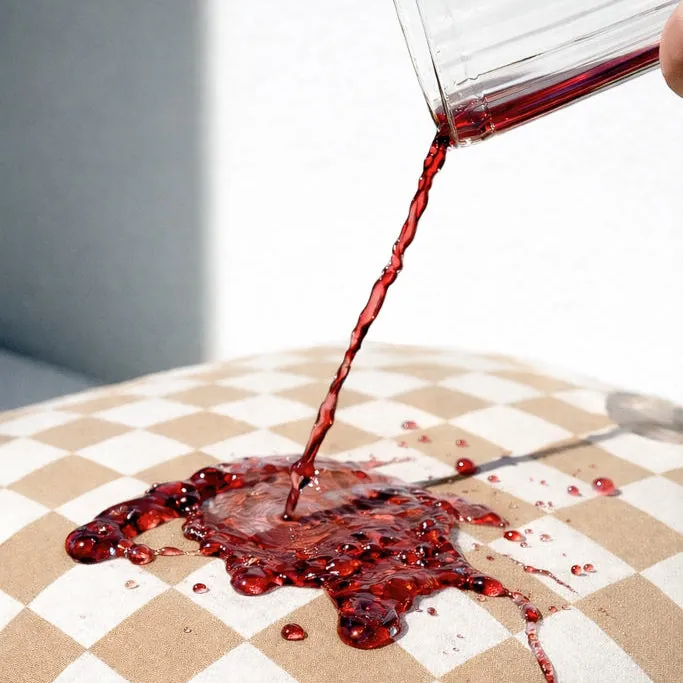
- Apply a fabric protector spray to clean, dry chairs before first use to repel liquids and block stains.
- Vacuum chairs weekly with an upholstery attachment to remove grit that abrades fabric fibers.
- Blot spills immediately with a clean white cloth; never rub, which pushes liquid deeper into the weave.
- Use washable slipcovers on chairs used by children or pets for an easily replaced barrier.
- Rotate chair positions around the table so sunlight and wear distribute evenly across all seats.
- Test any cleaner on a hidden spot first to avoid discoloration or water rings.
Choose the Right Method to Protect Fabric Dining Chairs
Not every defense works for every household. The best approach depends on who sits in the chairs, how often they’re used, and whether you want an invisible shield or a removable cover.
Fabric protector spray
A fabric protector spray creates an invisible barrier on upholstery that causes liquids to bead up instead of soaking in. It works best on tightly woven cotton, polyester, and blends, and it doesn’t change the look or feel of the chair when applied correctly. Look for sprays labeled for upholstery use, not general fabric or carpet treatments.
Slipcovers and chair covers
Slipcovers act as a sacrificial layer. They catch spills, pet hair, and crumbs before they reach the upholstery, and most can be removed and machine washed. Fitted stretch covers stay in place on standard dining chairs, while loose covers offer a more traditional look.
Arm caps and seat pads
If only the seat or arm areas show wear, fabric arm caps or padded seat cushions protect high-contact zones without covering the entire chair. These are especially useful on vintage or heirloom chairs where a full slipcover would hide the design.
Upholstery fabric selection
When buying new dining chairs, performance fabrics such as Crypton, Sunbrella, or tightly woven indoor-outdoor textiles resist stains and fading better than standard cotton or linen. Check the manufacturer’s cleanability code before purchasing.
Apply Fabric Protector Spray Correctly
Protection spray only works if the fabric is clean and dry before application. Dirt or moisture trapped under the coating can cause stains to set permanently.
- Vacuum the chair thoroughly to remove dust and crumbs.
- Check the cleaning code tag (W, S, WS, or X) to confirm the fabric can tolerate liquid treatment.
- Test the spray on a hidden area, such as the back underside, and wait 24 hours for colorfastness.
- Work in a well-ventilated room or outdoors, and wear a mask if the label recommends it.
- Hold the can 6 to 8 inches from the fabric and apply light, even coats rather than one heavy soaking.
- Allow the first coat to dry completely, usually 1 to 2 hours, then apply a second coat for full coverage.
- Let the chairs cure for 24 to 48 hours before using them at the table.
Warning: Don’t spray fabric protector near open flames, pilot lights, or while the oven is running, because many sprays contain flammable propellants.
Clean Spills and Stains the Right Way
Fast action determines whether a spill becomes a permanent stain. Blotting lifts liquid; rubbing grinds it into the fibers.
Immediate spill response
- Blot with a clean, white, absorbent cloth or paper towel. Press straight down and lift.
- Work from the outside edge of the spill toward the center to prevent spreading.
- Continue blotting with dry sections of the cloth until no more color transfers.
- Avoid scrubbing with a brush or sponge, which can fray the weave and leave a fuzzy patch.
Water-safe fabrics (W or WS code)
Mix a few drops of mild dish soap with cool water. Dampen a clean cloth—don’t soak it—and blot the stain. Rinse by blotting with a cloth dampened in plain water, then blot dry. Press a stack of paper towels on the spot and place a heavy book on top for an hour to draw out remaining moisture.
Solvent-safe fabrics (S code)
Use a dry-cleaning solvent or upholstery cleaner made for solvent-safe fabrics. Apply to a cloth, not directly to the chair, and blot gently. Ventilate the room well during and after cleaning.
Don’t clean (X code)
Fabrics marked X should only be vacuumed or brushed. Any liquid, including water, can stain or shrink the material. Call a professional upholstery cleaner for spills on X-code fabric.
Set Up a Regular Maintenance Schedule
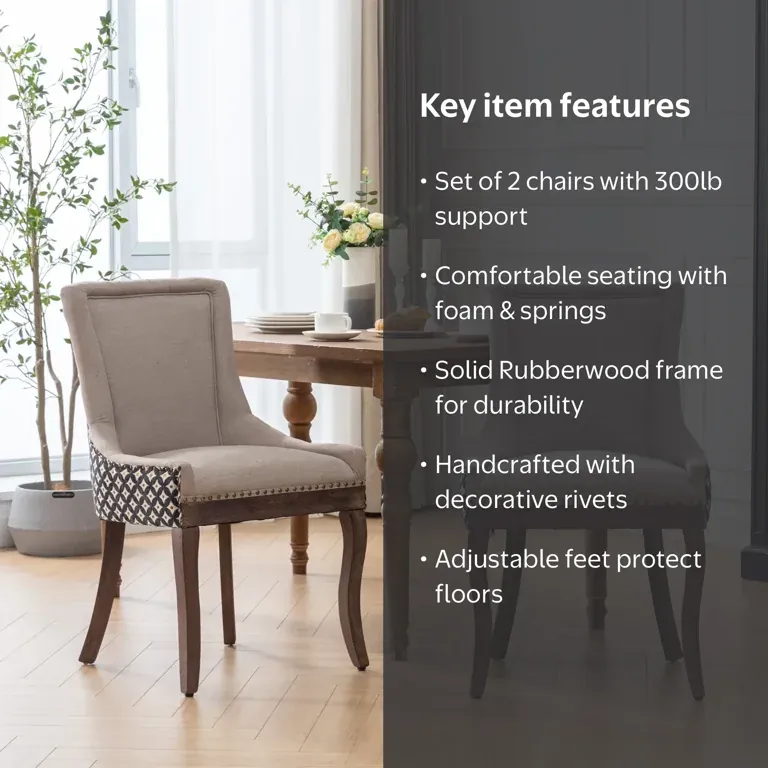
Dining chairs collect invisible abrasives—dust, crumbs, and skin cells—that wear down fabric every time someone sits down. A simple schedule slows that wear.
| Task | Frequency | Tools Needed |
|---|---|---|
| Vacuum seats and backs | Weekly | Upholstery attachment, crevice tool |
| Spot-clean visible stains | As needed | White cloths, mild detergent, solvent cleaner |
| Rotate chairs around table | Monthly | None |
| Reapply fabric protector | Every 6–12 months | Protector spray, ventilation |
| Wash slipcovers | Every 1–3 months | Washing machine, mild detergent |
| Deep clean all chairs | Once a year | Steam cleaner or professional service |
Pro Tip: Vacuum with the nap of the fabric, not against it, to avoid pushing debris deeper into the weave.
Protect Against Sunlight and Pets
Sunlight fades fabric unevenly, and pet claws snag threads. Both problems are easier to prevent than to repair.
Sun damage prevention
Position dining chairs away from direct sunlight whenever possible. Use UV-filtering window film or sheer curtains during peak hours. Rotate chairs monthly so no single seat bears the brunt of fading. If one side of a chair is already noticeably lighter, swap it with a chair on the opposite side of the table.
Pet hair and claw protection
- Choose tightly woven fabrics that resist snagging over loose weaves or chenille.
- Keep pet nails trimmed to reduce pulls and runs.
- Use a rubber pet-hair brush or lint roller between vacuuming sessions.
- Place a washable throw over the seat of a favorite pet chair.
Handle Common Fabric Chair Problems
Even protected chairs develop issues. Knowing the cause helps you fix it without damaging the upholstery.
| Problem | Likely Cause | Fix |
|---|---|---|
| Water ring after cleaning | Too much moisture, not blotted dry | Blot with dry towels, weight overnight, then brush nap |
| Fading on one side | Direct sunlight exposure | Rotate chairs, add window film or curtains |
| Snags or pulled threads | Pet claws, jewelry, sharp objects | Trim the loose thread; don’t pull it |
| Lingering odor | Spill soaked into padding | Sprinkle baking soda, vacuum after 15–30 minutes |
| Pilling on fabric | Friction from regular use | Use a fabric shaver on low setting |
Compare Protection Options
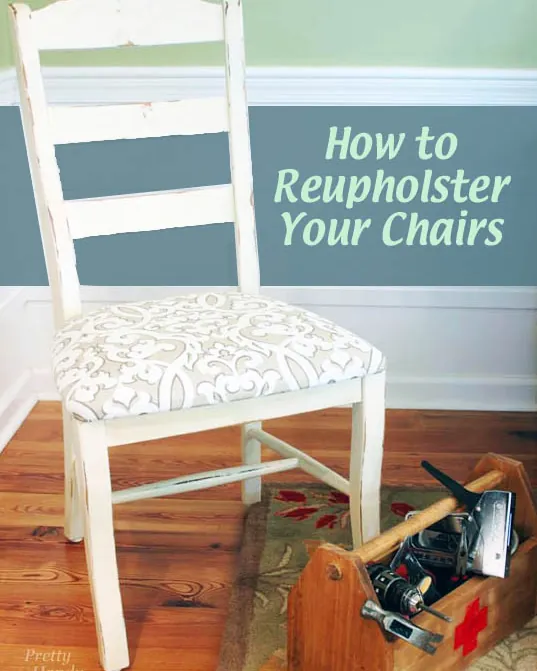
The table below helps you choose based on cost, effort, and how much of the chair you want to cover.
| Method | Typical Cost | Effort | Best For |
|---|---|---|---|
| Fabric protector spray | $10–$25 per can | Low | Invisible protection, all fabric types |
| Stretch slipcovers | $20–$60 per chair | Low | Kids, pets, frequent spills |
| Custom slipcovers | $100–$300 per chair | Medium | Heirloom chairs, exact fit |
| Seat pads or arm caps | $15–$40 each | Low | High-contact wear zones |
| Professional upholstery cleaning | $75–$150 per chair | Low (hired out) | Annual deep refresh |
Related guides
Frequently Asked Questions
How often should I reapply fabric protector?
Reapply every 6 to 12 months, or sooner if liquids stop beading on the surface. Heavy use and frequent washing of slipcovers can wear the coating faster.
Can I use fabric protector on a vintage chair?
Yes, but test a hidden area first and confirm the fabric isn’t marked X. Older fabrics may be more delicate, so apply light coats and allow extra drying time.
Will slipcovers fit my dining chairs?
Stretch slipcovers fit most standard dining chairs with seat widths of 16 to 20 inches. Measure your chair’s seat, back height, and leg spacing before ordering.
What does the cleaning code on my chair mean?
W means water-based cleaners are safe; S means solvent-only; WS means either; X means vacuum only, no liquids. The tag is usually under the seat or on the back underside.
How do I remove pet hair from fabric chairs?
Use a vacuum with an upholstery attachment, a rubber brush, or a lint roller. Vacuuming weekly prevents hair from embedding into the weave.
Is steam cleaning safe for fabric dining chairs?
Only on W or WS-coded fabrics, and only if the chair can dry completely. Avoid steam on X-code fabric or on chairs with wooden frames that could warp from moisture.
Conclusion
Protecting fabric dining chairs starts with one habit: treat spills immediately, vacuum weekly, and reapply protector before the old coating wears off. Pick the method that fits your household, test any product on a hidden spot first, and your chairs will stay comfortable and presentable for years.