
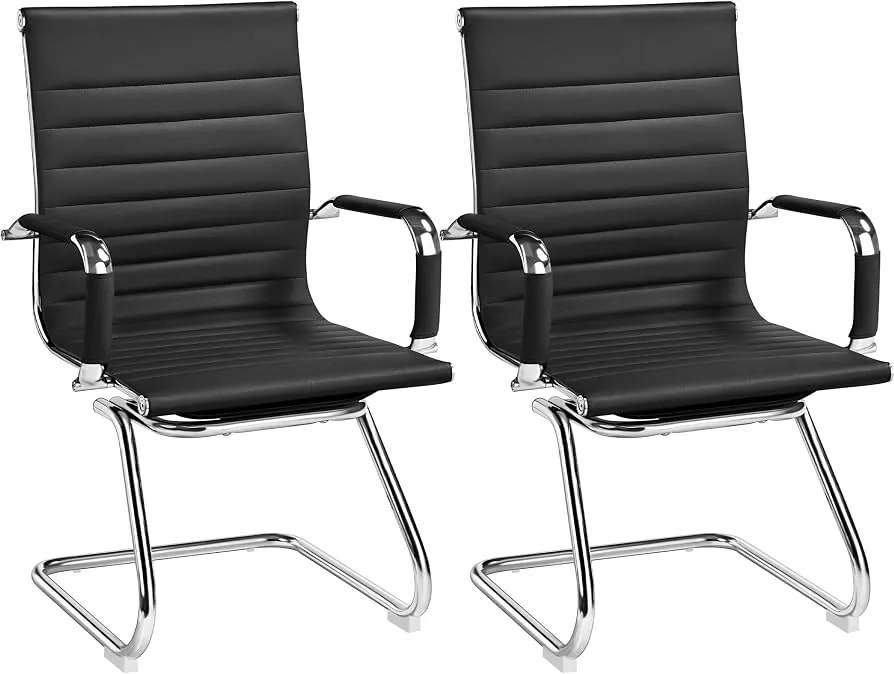
Cleaning faux leather chairs means wiping away everyday dirt with a soft cloth and a gentle cleaner, then conditioning the surface so it doesn’t crack or peel.
Key Takeaways
- Wipe chairs weekly with a dry microfiber cloth to stop grit from scratching the surface.
- Test any cleaner on a hidden spot before using it on the whole chair.
- Use mild dish soap and warm water for most spills; avoid alcohol, bleach, and ammonia.
- Blot stains immediately instead of rubbing, which can push liquid into the material.
- Condition faux leather every few months to keep it supple and help prevent cracking.
- Keep chairs out of direct sunlight and away from heat vents to slow fading and peeling.
What You Need
Gather these supplies before you start. Nothing on this list is expensive or hard to find.
- Microfiber cloths (two or three)
- Soft sponge
- Mild dish soap
- White vinegar
- Baking soda
- Distilled water
- Spray bottle
- Soft-bristled brush
- Faux leather conditioner or a small amount of plain petroleum jelly
How to Clean Faux Leather Chairs
Follow these steps in order. Rushing through them or skipping the test spot is the most common way people damage the material.
- Dust the chair. Wipe the entire surface with a dry microfiber cloth. Pay attention to seams, creases, and the underside of the seat where dust collects.
- Mix your cleaning solution. Combine a few drops of mild dish soap with two cups of warm distilled water in a bowl or spray bottle.
- Test in a hidden area. Dab the solution on the back or underside of the chair. Wait five minutes. If there’s no discoloration or stickiness, proceed.
- Wipe the surface. Dampen a microfiber cloth with the solution. Wring it out until it’s barely moist. Wipe the chair gently, working in small sections.
- Rinse. Dampen a second cloth with plain distilled water and wipe away any soap residue. Soap left behind can attract dirt and leave a film.
- Dry immediately. Use a clean, dry microfiber cloth to remove moisture. Don’t let the chair air-dry, as water spots can form.
- Condition. Once the chair is completely dry, apply a faux leather conditioner according to the product directions. This restores suppleness and helps prevent cracking.
Pro Tip: Distilled water leaves no mineral residue, which matters if you have hard water. Tap water can leave faint white spots on dark faux leather.
Cleaning Solutions and When to Use Them
Not every mess calls for the same cleaner. Match the product to the problem.
| Solution | Best For | How to Mix | Caution |
|---|---|---|---|
| Mild dish soap and water | General cleaning, light spills | A few drops soap per 2 cups warm water | Don’t soak the material |
| White vinegar and water | Deodorizing, mild disinfecting | Equal parts white vinegar and water | Test first; vinegar smell fades as it dries |
| Baking soda paste | Grease spots, set-in stains | Mix baking soda with a little water | Rub gently; rinse thoroughly |
| Rubbing alcohol | Ink, marker, dye transfer | Apply directly to a cotton swab | Can dry out and crack the surface; condition after |
Never use bleach, ammonia, acetone, nail polish remover, abrasive powders, or furniture polish meant for real wood. These break down the polyurethane or PVC coating and can cause permanent peeling.
Spot Cleaning Common Stains
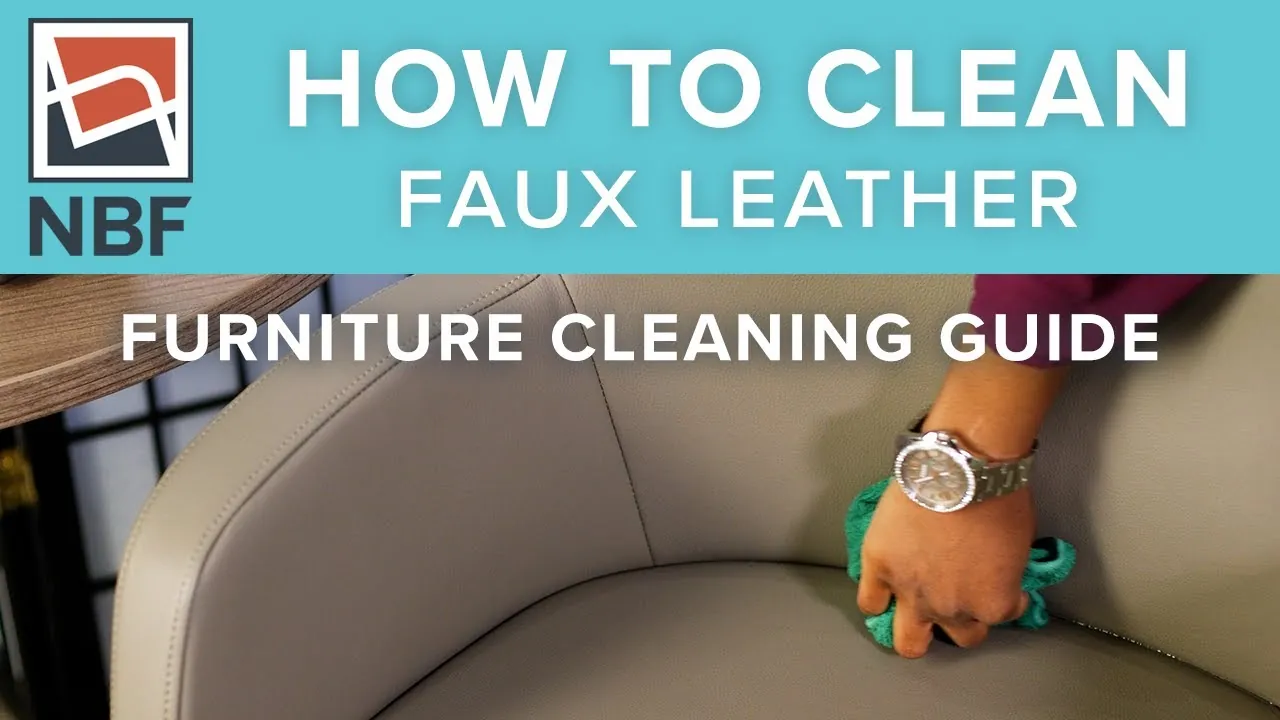
Act quickly. The longer a spill sits, the more likely it’s to bond with the surface.
Food and Drink Spills
Blot the spill with a dry paper towel or cloth. Don’t rub. Dampen a cloth with your soap-and-water solution and wipe outward from the center of the spill. Rinse with a water-dampened cloth and dry immediately.
Ink and Pen Marks
Dab a cotton swab with a small amount of rubbing alcohol. Touch only the ink, working from the outside of the mark inward. Wipe the area with a damp cloth right away, then dry and condition. Alcohol can strip the finish, so use it sparingly.
Grease and Oil
Sprinkle baking soda over the spot and let it sit for 15 to 30 minutes to absorb the oil. Brush it away with a soft-bristled brush. Wipe the area with a damp cloth and a drop of dish soap, then rinse and dry.
Denim Dye Transfer
Blue jeans can leave a blue tint on light-colored faux leather. Dampen a cloth with a mix of equal parts white vinegar and water and wipe the area gently. If the dye remains, stop and contact a professional upholstery cleaner rather than scrubbing harder.
Warning: Don’t scrub dye transfer aggressively. You can remove the top coat of the faux leather, leaving a dull patch that can’t be repaired.
Deep Cleaning a Faux Leather Chair
Every few months, or after heavy use, give the chair a deeper clean.
- Remove loose debris with a vacuum cleaner’s brush attachment.
- Wipe the entire chair with the mild soap solution, section by section.
- Use a soft-bristled brush dipped in the solution to clean seams and crevices where grime builds up.
- Rinse with a clean, water-dampened cloth.
- Dry thoroughly with a microfiber towel.
- Apply conditioner once the surface is fully dry.
Avoid steam cleaners. High heat and moisture can warp or delaminate faux leather.
Conditioning and Protecting Faux Leather
Faux leather doesn’t breathe like genuine leather, but it still benefits from occasional conditioning. A conditioner made for faux leather keeps the material flexible and reduces the chance of cracks forming along seat edges and armrests.
Apply conditioner with a soft cloth using circular motions. Let it absorb for the time recommended on the label, then buff off any excess with a clean cloth. Don’t over-apply; a greasy film attracts dust.
If you don’t have a dedicated conditioner, a very thin layer of plain petroleum jelly can work as a short-term substitute. Rub it in thoroughly and buff away the excess.
What Damages Faux Leather
Knowing what to avoid is half the job.
- Direct sunlight causes fading and makes the material brittle.
- Heat vents and radiators dry out the surface and speed up cracking.
- Sharp objects, including pet claws and jewelry, can puncture or scratch the coating.
- Harsh chemicals strip the protective finish.
- Excess water left to soak in can cause the layers to separate.
Place chairs away from windows with strong afternoon sun, or use curtains or blinds. Keep pets’ nails trimmed, and consider a throw blanket if the chair sees heavy daily use.
Cleaning Schedule
Regular care takes minutes and prevents bigger problems later.
| Task | Frequency |
|---|---|
| Dust with dry microfiber cloth | Weekly |
| Wipe with soap-and-water solution | Monthly |
| Spot clean spills | Immediately |
| Condition the surface | Every 3–6 months |
| Vacuum seams and crevices | Every 2–3 months |
Related guides
- 10 Best Whole House Water Filters for Clean Home Water in 2026
- How to Clean White Bike Tires: A Simple Step-by-Step Guide
Frequently Asked Questions
Can I use leather cleaner on faux leather?
No. Cleaners made for genuine leather often contain oils and waxes that can leave a residue on faux leather or break down its coating. Use products labeled for faux leather, vinyl, or polyurethane, or stick to mild dish soap and water.
How do I get a bad smell out of a faux leather chair?
Wipe the surface with a solution of equal parts white vinegar and water, then rinse with a damp cloth and dry thoroughly. Let the chair air out in a well-ventilated room. The vinegar smell disappears as it dries. Avoid perfumes or strong air fresheners sprayed directly on the material.
Why is my faux leather chair peeling?
Peeling usually happens from sun exposure, heat, harsh cleaners, or simple wear over time. Once the top layer begins to separate, it can’t be fully reversed. Clean gently, condition regularly, and keep the chair out of direct sunlight to slow further damage.
Can I put a faux leather chair in the washing machine?
No. Faux leather chairs are upholstered furniture, not removable fabric covers. Submerging or machine-washing them will ruin the padding, the backing, and the surface coating. Clean them in place with a damp cloth.
Is vinegar safe on all faux leather?
Vinegar is generally safe when diluted with equal parts water, but some lower-quality finishes can react. Always test on a hidden area first, and don’t use undiluted vinegar.
Conclusion
A little routine care goes a long way. Start this week by dusting your chairs with a microfiber cloth and checking the manufacturer’s care tag for any product restrictions.