
How to make cushions for chairs is a weekend job: cut the foam to size, wrap it in batting, cover it with fabric, and secure the cover so it stays put. Most chairs need one to two hours each, plus drying time if you use glue. You need basic sewing skills or a staple gun, fabric, foam, and scissors. The one thing you must have before starting is a chair seat to measure — nothing else works without it.
What you need for chair cushions
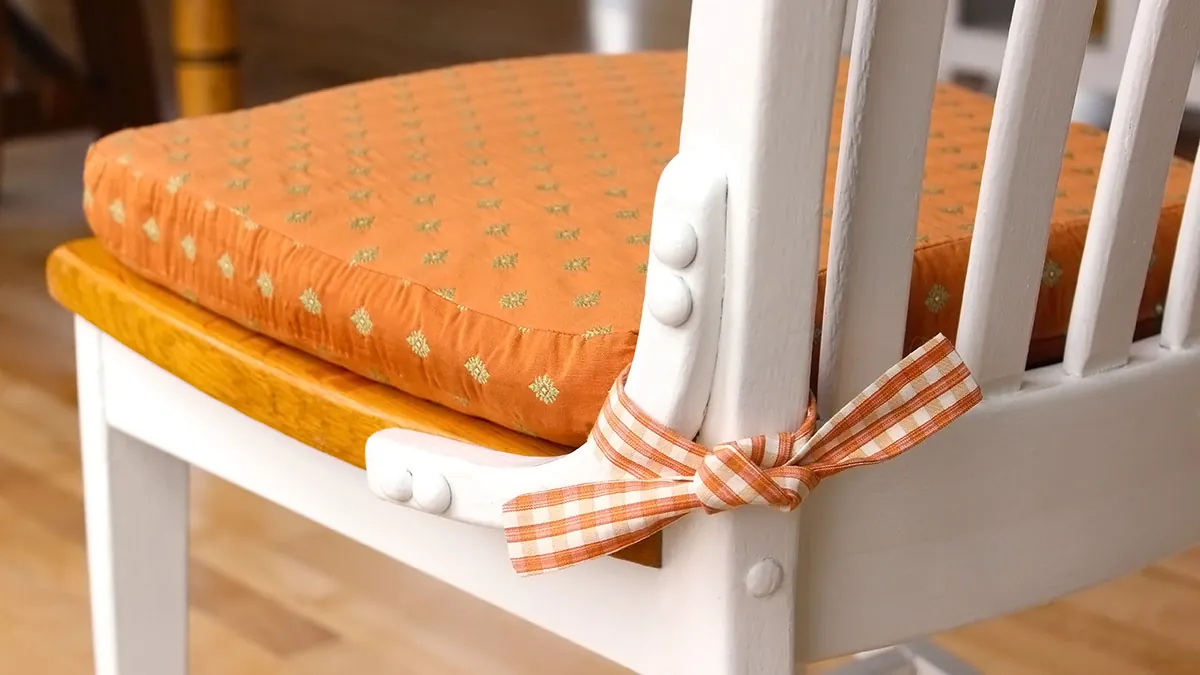
You need fabric, foam, batting, and a way to fasten the cover. Sewing the cover is the neater finish. Stapling it to a wooden seat is faster but leaves staples visible underneath unless you add a dust cover.
If your chair has a solid plywood seat pan, staple directly into the wood. If the seat is woven cane or a thin metal frame, you must sew a full envelope cover instead. Staples will pull right through those materials under body weight.
| Item | How much | Why it’s needed | A substitute |
|---|---|---|---|
| Upholstery fabric | 1 yard per chair seat | Covers the foam and takes daily wear | none — don’t swap this |
| High-density foam | 1 to 2 inches thick, cut to seat size | Gives the cushion its shape and support | none — don’t swap this |
| Polyester batting | 1 yard | Smooths foam edges and softens the look | thick felt |
| Scissors | one pair | Cuts fabric and foam cleanly | rotary cutter |
| Staple gun or needle and thread | one | Fastens the cover to the seat or closes seams | upholstery tacks |
| Measuring tape | one | Measures the seat before you cut anything | ruler |
Measure your seat before you buy foam or fabric. Foam thickness changes how high the finished cushion sits, so check the chair height first.
When you measure for fabric, wrap the tape over the foam and down the sides. Add three extra inches all around for the fold-under. People who cut fabric exactly to the top dimensions end up with bare foam showing at the edges.
Buy upholstery-weight fabric rated for at least fifteen thousand double rubs. Standard quilting cotton wears through in months on a dining chair. You can find the rating printed on the bolt tag at fabric stores.
Use an electric carving knife to cut the foam. Regular scissors compress the material and leave wavy edges that show right through the fabric. Let the blade do the work without pressing down.
Get the chair ready before you make cushions for chairs
Take the seat off the chair if it lifts out. Wipe it clean and let it dry. Remove old fabric and staples if you’re reupholstering. Move everything to a flat table with good light.
The preparation people skip is checking that the seat is square. Use a carpenter’s square to verify every corner. An out-of-square seat makes a cushion that rocks, and no amount of neat fabric fixes that. If the seat is uneven, you must trim the foam base to match the frame’s actual geometry rather than relying on a perfect rectangle.
If your chair has a broken frame or loose joints, fix those first or stop and ask a carpenter. A wobbly base will eventually tear the new fabric at the tension points. If the joints move more than an eighth of an inch when you apply pressure, stop immediately.
You can test this by pushing firmly on the backrest while the seat is removed. If the frame flexes, the new cushion will only accelerate the structural failure. This article doesn’t cover frame repairs, but ignoring these mechanical issues is a mistake that costs you the entire cost of your materials.
Make cushions for chairs step by step
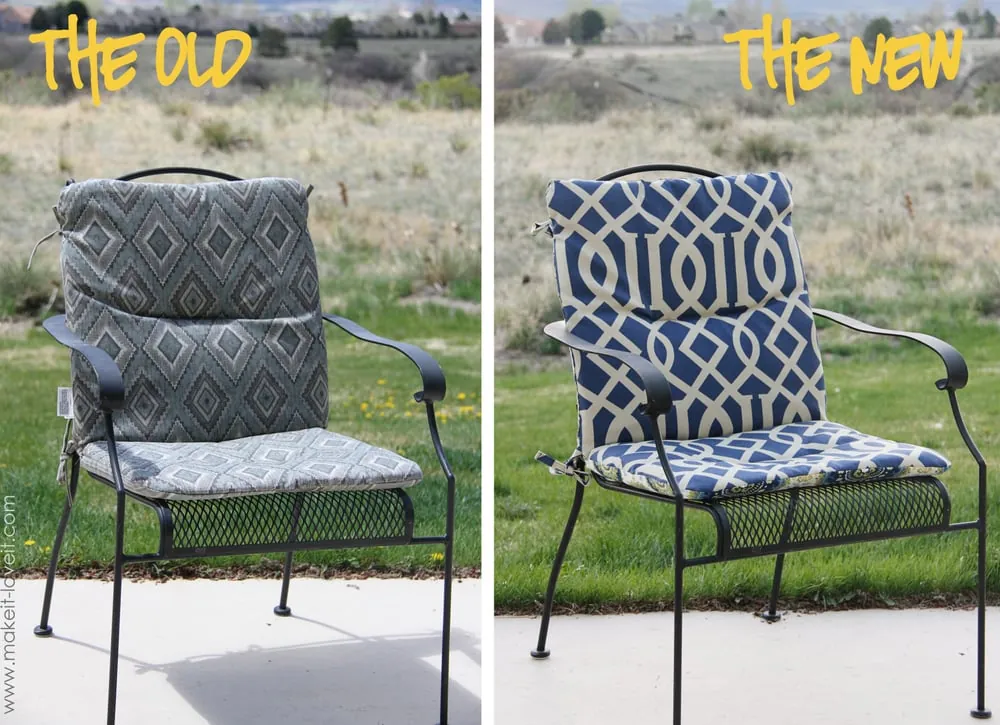
- Measure the seat width and depth with a tape measure, then add one inch to each side for seam allowance. Write the numbers down before you cut anything, because guessing wastes fabric.
- Cut the foam to the seat size using sharp scissors or an electric knife. Press down on the cut piece — it should spring back without crumbling at the edges.
- Lay the foam on the batting and cut the batting about two inches larger on every side. Wrap the batting around the foam and pull it snug so no foam shows through.
- Cut two fabric pieces to the seat size plus seam allowance. Place them right sides together and pin along three edges, leaving one side open for inserting the foam.
- Sew the pinned edges with a half-inch seam, then turn the cover right side out. Push the foam inside and push the corners out so they sit sharp.
- Fold the open edge inward by half an inch and pin it closed. Sew it shut by hand or machine, or use fabric glue if you don’t sew.
- If you’re stapling instead of sewing, wrap the fabric-covered foam around the seat and staple the fabric to the underside, pulling tight as you go. Add a dust cover over the staples so they don’t snag clothes.
- Press the finished cushion firmly with your hands. It should hold its shape and not sag in the middle after ten seconds.
- Place the cushion on the chair and sit on it. It should feel even and stay centered without sliding.
How to tell your chair cushions worked
A finished cushion sits flat on the seat with no foam edges showing through the fabric. The corners should look full, not empty, and the cover shouldn’t bag or wrinkle when you press it.
Sit on it for a minute and stand up. The foam should spring back within three seconds. If the indentation lingers, the density of the foam is too low to support your weight long-term.
If the cushion slides off the chair when you sit, it needs non-slip backing or ties. If it feels hard or uneven, the batting wasn’t pulled snug and you should redo that layer.
Many people mistake a tight cover for a firm cushion, but this creates internal pressure that tears seams. If you see white stress lines near the zipper, loosen the batting immediately.
Never judge safety by smell or appearance alone. Foam and fabric can hide structural wear that only a press test reveals. If the cushion feels bottomed out after ten minutes of use, replace the core before the frame takes the damage.
If something goes wrong with chair cushions
| What happened | Why | What to do |
|---|---|---|
| Foam crumbles | Cut with dull scissors | Cut again with sharp scissors or an electric knife |
| Cover bags or wrinkles | Fabric cut too large | Trim the seam allowance and resew |
| Cushion slides on seat | No grip underneath | Add non-slip fabric or chair ties |
| Staples show underneath | No dust cover | Staple a plain fabric piece over them |
| Foam edges show | Batting too thin or loose | Rewrap with batting pulled tighter |
If your foam crumbles even after a clean cut, the density is likely too low for the intended load. Replace it with high-resiliency foam rated at 1.8 pounds per cubic foot or higher to prevent premature breakdown.
When fabric wrinkles persist after resizing, the grainline is likely skewed. Align the fabric grain with the cushion edge before pinning to ensure the tension remains even across the surface.
If the cushion slides despite non-slip pads, check the chair surface for residual furniture polish. Wipe the wood with a mild degreaser, as silicone-based sprays create a slick barrier that prevents grip.
For exposed staples, use a staple gun with a shorter leg length to avoid piercing through the frame. If the frame is hardwood, use 3/8-inch staples to ensure they seat flush without cracking the wood.
If batting shifts, spray a light coat of upholstery adhesive onto the foam before wrapping. This prevents the batting from migrating during daily use, which is the most common cause of lumpy, uneven cushion edges.
How often to replace chair cushions
Replace chair cushions regularly, assuming daily use in a home with normal light and weight. Heavy daily use shortens that duration, while occasional guest chairs can last much longer. Sunlight fades fabric and breaks down foam faster, so chairs in bright rooms need replacement sooner.
Two things move this interval most: how many hours a day the chair is used, and whether the cushion sits in direct sunlight. Press the cushion once a season; if it doesn’t spring back within a few seconds, it’s time for a new one regardless of age.
Many people ignore the “bottoming out” test, which is a mistake. If you feel the hard frame of the chair through the foam while sitting, you’re already damaging your posture. This lack of support forces your spine to compensate, often leading to lower back pain.
If you weigh over 200 pounds, rotate your seat cushions monthly to distribute wear evenly. This simple habit can add six months to the lifespan of high-density foam. If the fabric shows visible thinning or fraying, the internal structure has likely already lost its integrity.
Related guides
- How to Tighten Dining Room Chairs: A Step-by-Step Fix
- 10 Best Interior Upholstery Fabric Design Books for Projects in 2026
- 10 Best Gardening Knee Pads and Kneeling Cushions for Comfort in 2026
Frequently asked questions
How long does it take to make cushions for chairs
One to two hours per chair seat, assuming you already have the fabric, foam, and tools cut and ready. Sewing takes longer than stapling, and drying time adds a few hours if you use fabric glue.
How much fabric do I need for chair cushions
About one yard per standard chair seat, assuming the seat is under twenty inches wide and you want plain fabric without pattern matching. Measure your seat first and buy extra if the fabric has a large pattern.
Can I make cushions for chairs without sewing
Yes — wrap the foam in batting and fabric, then staple the fabric to the underside of a wooden seat. Add a dust cover over the staples so they don’t catch on clothing.
Is it safe to use old foam for chair cushions
Only if the foam still springs back when pressed and shows no crumbling, dust, or odd smell. Old foam that breaks apart can shed particles you shouldn’t inhale, so replace it when in doubt.
What happens if I skip the batting
The foam edges will show through the fabric and the cushion will look flat and worn. Batting smooths the shape and makes the cover fit neatly.
Does cushion thickness matter for chair cushions
Yes — one to two inches works for most dining chairs, while office or lounge chairs often need three to four inches for comfort. Thicker foam raises the seat, so check that your feet still rest flat on the floor.
Conclusion
Take your time measuring before you cut, because a cushion that fits the seat is the difference between one that lasts and one that slides off the first time someone sits down.