
You can make covers for dining chairs by cutting fabric to fit each chair, sewing the pieces together, and pulling the finished cover over the seat. The whole job takes about two to three hours for four chairs, and one yard of medium-weight cotton or linen per chair is enough for most standard seats. This method suits anyone with a basic sewing machine and a chair that keeps its shape when you sit on it.
What you’ll need for dining chair covers
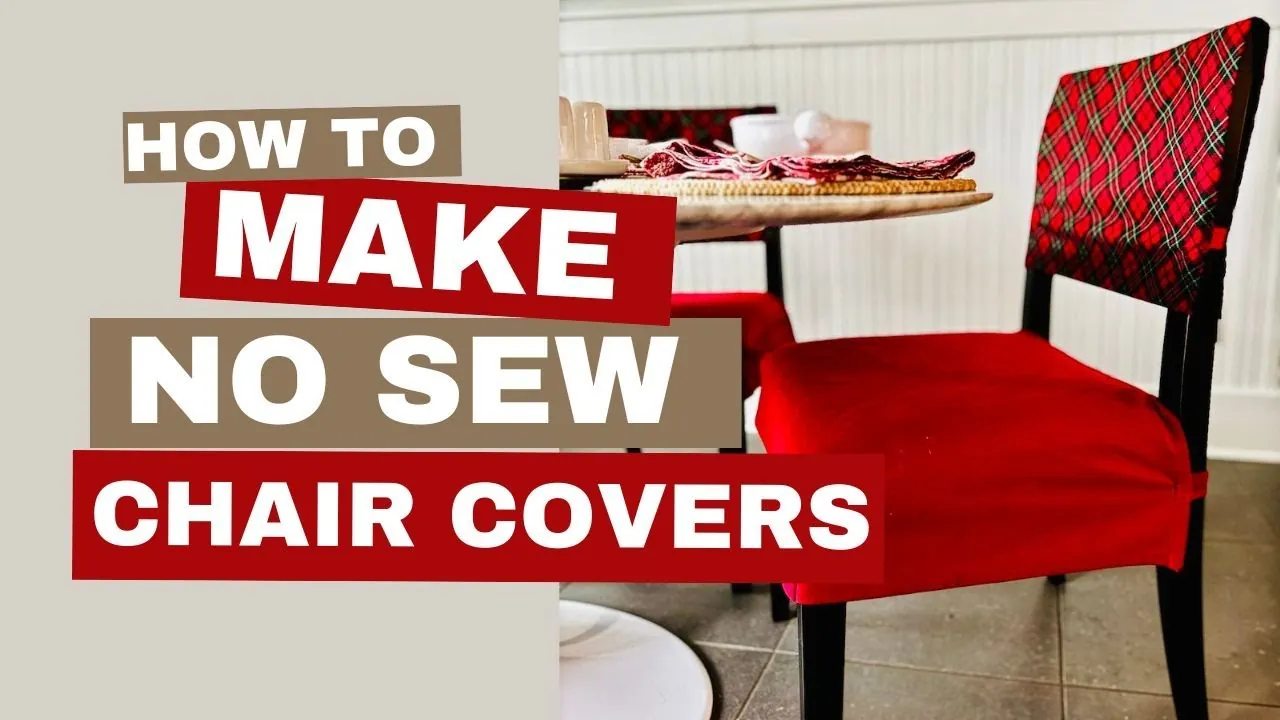
You need four things before you start: fabric, a measuring tape, scissors or a rotary cutter, and a sewing machine with matching thread. Choose a medium-weight cotton, cotton blend, or linen that won’t stretch out of shape. Avoid velvet or slippery synthetics for your first try. They slide under the presser foot and pull at the seams.
Buy your fabric after washing a test swatch to check for shrinkage. Cotton duck shrinks about five percent in its first hot wash. If you skip this step, your finished cover will be too tight after one laundry cycle. You’ll also need straight pins or fabric clips, an iron, and a seam ripper.
- Cotton or linen fabric, one yard per chair, 44 to 54 inches wide
- Measuring tape, flexible, at least 60 inches long
- Fabric scissors or rotary cutter with a cutting mat
- Straight pins or fabric clips
- Sewing machine with a universal needle and matching all-purpose thread
- Iron and ironing board
- Seam ripper
If you don’t own a sewing machine, a tailor or alteration shop can sew the pieces for you. Hand-sewing is the one substitution that doesn’t work well here. The seams on a chair cover take real strain every time someone sits down.
Match your needle size to the fabric weight rather than leaving a default needle in the machine. A size 90/14 needle works for heavy canvas but leaves visible holes in standard cotton. Switch to an 80/12 for medium-weight upholstery fabrics.
Make dining chair covers step by step
- Measure the seat width, seat depth, and the distance from the seat frame to the floor. Add two inches to each measurement for seam allowances, and write the numbers down.
- Cut the fabric for the seat panel to the width and depth you just recorded, plus the seam allowance.
- Cut four side panels: two the width of the seat, two the depth of the seat, each cut to the drop length plus two inches for hems.
- Pin the side panels to the seat panel with right sides together, matching the corners, and sew a half-inch seam around all four sides.
- Hem the bottom edge of each side panel by folding up half an inch, then another half inch, and stitching close to the inner fold.
- Turn the cover right side out and slip it over the chair seat, adjusting the corners so they sit snug.
Tip: Press each seam flat with the iron before you sew the next one; it keeps the corners sharp and the cover from twisting on the chair.
Careful: Don’t cut the fabric until you have measured the same chair twice; chairs that look identical often differ by an inch or two, and a panel cut too short can’t be let back out.
If your chair has a curved back or loose cushions, the flat panels above won’t fit properly; a tailor or upholstery shop can make a shaped cover instead.
How the job changes by chair type
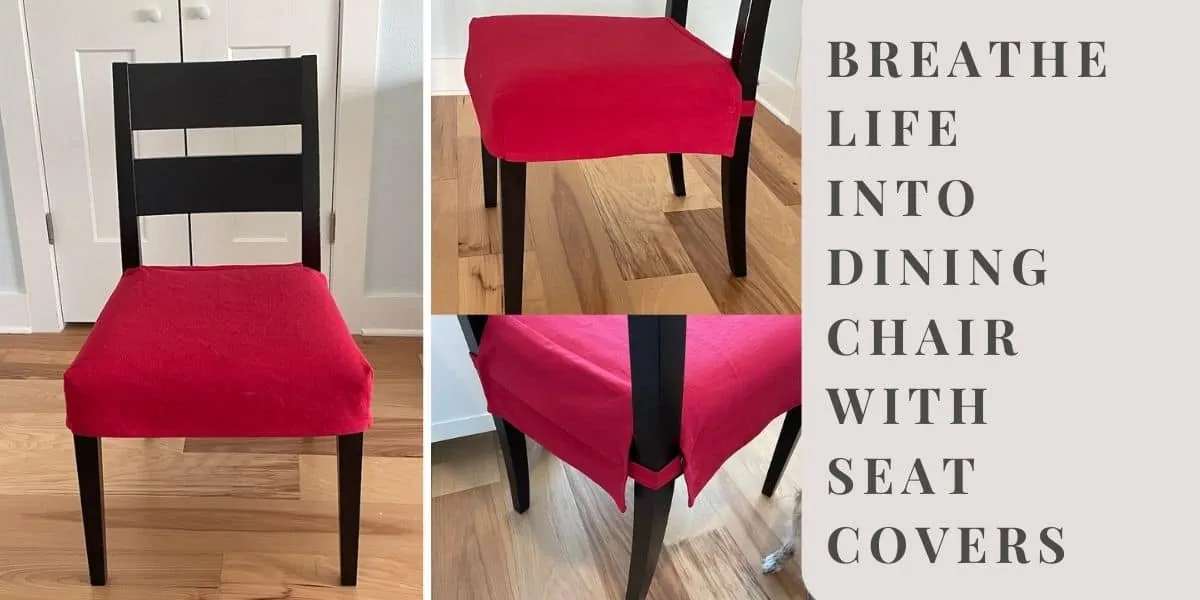
One lead sentence sets up the breakdown below: the time and fabric you need depend on whether your dining chairs have solid seats, drop-in cushions, or high backs.
| Chair type | Time and fabric per chair | What is different | Watch for |
|---|---|---|---|
| Solid wood seat | About 45 minutes, one yard | Flat panels wrap the frame | Corners pulling loose |
| Drop-in cushion | About 30 minutes, three-quarter yard | Cover fits the cushion only | Cushion sliding inside |
| High-back chair | About 90 minutes, one and a half yards | Extra panels for the back | Back panel sagging |
| Armchair dining chair | About two hours, two yards | Arm panels add seams | Bulky seams at the arms |
Start with one chair before you cut fabric for the whole set; it’s safer to add fabric on the second try than to overshoot and have panels too short to use.
How to tell your cover fits right
A good cover sits flat on the seat with no baggy fabric underneath, and the corners hug the chair legs without gaping. A poor cover bunches up when someone sits down, or the hem rides up and leaves the frame showing.
The most common quality problem is sagging at the back, which happens because the side panels were cut too long for the drop. Prevent it by measuring the drop from the floor up while the chair sits on a level surface, and by pressing every seam before you move to the next step.
If the cover pulls at the corners when you put it on, take it off and trim half an inch from the side panels before you re-sew. Most beginners make the mistake of pulling the fabric tight while pinning, which creates hidden tension that causes the material to ripple once the chair is in use.
If your fabric has a high synthetic content, it won’t stretch to hide these errors. In that case, you must add a gusset at the corner to relieve the stress. If the fabric is natural linen or cotton, a simple steam press will usually resolve minor bunching.
Care and how long the cover lasts
The cover should be removed and washed in cool water on a gentle cycle, then tumble dried on low or line dried. The Federal Trade Commission publishes general textile care guidance that applies to home fabrics you wash yourself.
Shake out crumbs, wipe spills right away, and store the covers flat or rolled, not folded in a damp place. Moisture trapped in creases causes mildew, which ruins synthetic fibers within weeks.
A well-made cover eventually shows wear at the seams or fabric with weekly use.
If your chairs are in a restaurant or other commercial setting, a professional upholsterer should handle the recovery. Commercial spaces require fire-retardant fabrics that meet local building codes. Using home-grade textiles in these environments creates a liability risk and often fails fire inspections. If the fabric tag lacks a flame-spread rating, assume it’s for residential use only.
Other ways to cover your chairs
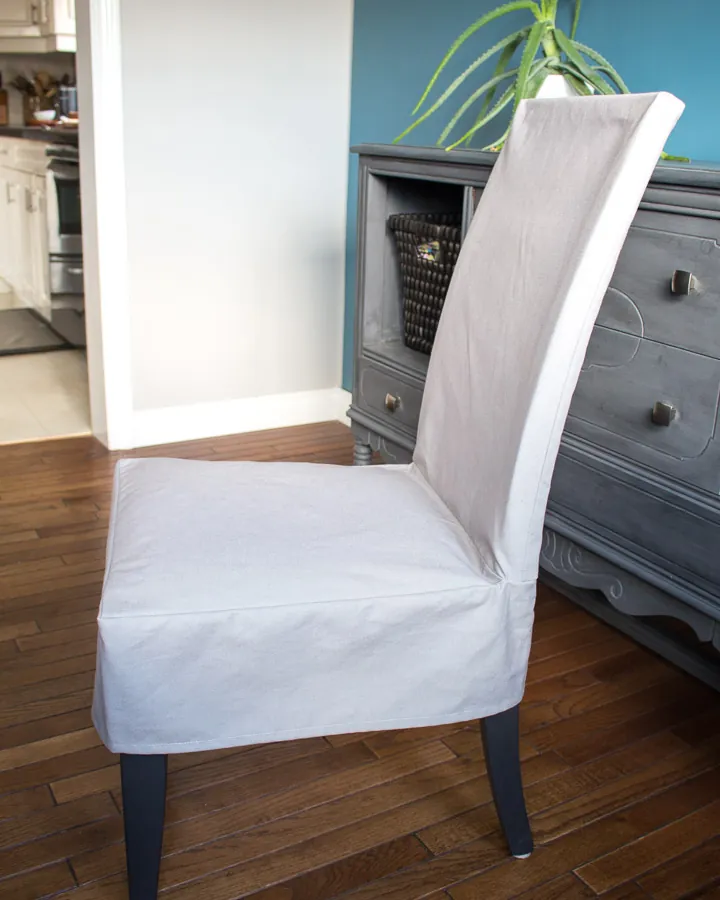
No-sew slipcover
You drape a large piece of fabric over the chair and tuck it into the seat crease, securing it with fabric ties or hook-and-loop tape. This takes about twenty minutes per chair and no sewing machine, but the cover shifts whenever someone sits down and needs straightening after every meal.
Use medium-weight cotton canvas or upholstery-weight linen for this method. Lightweight quilting cotton wrinkles instantly and slides off the seat back within minutes. Cut the fabric at least twelve inches wider than your chair on every side. That extra length gives you enough material to tuck deeply into the crevices.
People often skip the hook-and-loop tape to save time. Without it, the fabric bunches around the legs and looks messy. Apply two-inch strips of self-adhesive hook-and-loop tape along the underside of the seat frame. Press the matching side directly onto the tucked fabric edges.
Stretch fitted cover
You buy a ready-made spandex blend cover sized to your chair dimensions and pull it on like a sock. It costs more per chair than fabric and thread, and it fits snug without any sewing, but thin fabric can show the frame underneath and the elastic loses its grip after a year or two.
Check the polyester-to-spandex ratio before you buy. Covers with less than ten percent spandex will bag out at the knees quickly. Look for a blend containing at least fifteen percent spandex if your chairs get daily use.
Measure the back height from the seat base to the top edge. If your chair back is taller than thirty inches, standard covers will ride up and expose the bottom rail. Buy tall-back versions specifically labeled for your exact measurements.
Professional upholstery
You take the chair to an upholstery shop, which strips the old fabric, pads the seat if needed, and staples new fabric directly to the frame. This is the most expensive route and takes the longest, often a week or more, but it’s the only option that works for chairs with curved backs, loose springs, or broken frames.
Ask the shop whether they reuse the existing foam or replace it. Old foam crumbles into dust and compresses unevenly under new fabric. Replacing the padding adds cost but prevents the seat from feeling hollow again in six months.
Bring a physical fabric swatch rather than choosing from their sample books alone. Shop lighting distorts colors heavily. A navy velvet that looked perfect under fluorescent tubes might read as black in your dining room.
Related guides
- How to Tighten Dining Room Chairs: A Step-by-Step Fix
- 10 Best Outdoor Faucet Covers for Winter: Our Top Picks in 2026
- 10 Best Performance Engine Valve Cover Bolts for a Perfect Seal in 2026
Frequently asked questions
How long does it take to make dining chair covers?
About two to three hours for four chairs with solid seats, assuming you already have the fabric cut and the machine threaded. High-back or armchairs take longer, roughly double the time per chair.
Can I make dining chair covers without a sewing machine?
No, not durably; the seams take strain every time someone sits down, and hand stitches won’t hold that weight over time. A tailor can sew the pieces if you cut and pin them first.
How much fabric do I need for one dining chair cover?
One yard of 44- to 54-inch wide medium-weight fabric for a standard solid seat, assuming a drop of fifteen inches or less. Measure your chair first, because a deeper seat or high back needs more.
Is it safe to wash dining chair covers in a washing machine?
Yes, if the fabric is cotton or linen and you use cool water on a gentle cycle; check the fabric bolt or the manufacturer’s care label before the first wash, since some blends shrink or bleed color.
What happens if the cover is too loose?
It bunches under the diner and the hem rides up, exposing the chair frame. Take the cover off, trim half an inch from each side panel, re-sew the seams, and try it on again.
Can I use this method for outdoor dining chairs?
Only if you use outdoor-rated fabric and thread. Indoor cotton will mildew, fade, and its seams can’t withstand weather exposure, making an outdoor furniture cover maker the better choice for patio chairs.
Conclusion
Once your new covers are in place, you’ll see how much brighter your dining room feels. If you want to keep them looking fresh, consider treating the fabric with a protective spray to guard against accidental spills. You’ve done a great job, and it’s time to enjoy your updated space with friends.