
To clean dirt bike rims, you need about 20 minutes per wheel, a standard garden hose, and a mild, pH-neutral bike wash. Spray the metal down, brush the hubs and spokes with soapy water, rinse thoroughly, and wipe dry with a clean microfiber cloth. This basic method suits trail riders with standard aluminum wheels best.
Supplies for cleaning your dirt bike rims
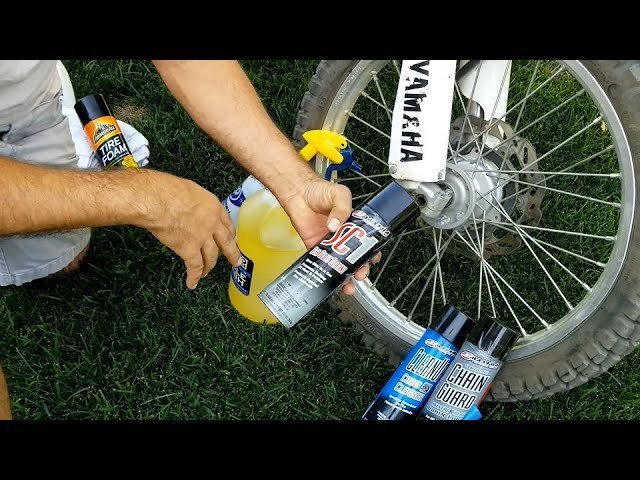
- Mild wash soap: 2 ounces of bike-specific soap or pH-balanced car wash; harsh degreasers will stain bare alloy.
- Soft wheel brush: A flagged-bristle brush shaped to reach between spokes.
- Nylon detailing brush: A narrow 1-inch brush for spoke nipples and hub crevices; never use brass wire.
- Clean bucket: One 5-gallon plastic wash bucket filled with clean tap water.
- Garden hose: A standard hose with an adjustable thumb nozzle set to shower mode.
- Microfiber towels: 3 clean, lint-free towels reserved only for metal surfaces.
- Center stand: A sturdy dirt bike stand to keep wheels off the ground so you can spin them freely.
A soft wash mitt works fine if you don’t have a wheel brush, but household dish soaps don’t work because they strip protective seals and leave a dull film on raw aluminum.
Step-by-step
- Place the bike on a solid stand. Lift the machine so both wheels spin without touching the ground, ensuring the bike won’t tip while you work.
- Rinse away loose mud with low pressure. Spray the entire wheel using a gentle shower setting for 60 seconds to wash off thick grit without forcing dirt into the hub seals. Careful: Don’t aim high-pressure water directly at the wheel bearings, or you’ll wash away the internal grease and ruin the bearings within a few rides.
- Mix your wash solution in the bucket. Add 2 ounces of cleaner into 3 gallons of warm water until rich suds form.
- Scrub the outer rim hoop. Dip your soft wheel brush into the suds and scrub the rim edge, moving around the full circle for 2 minutes to remove stuck chain lube and mud.
- Clean each spoke and nipple. Use the 1-inch nylon brush to stroke each spoke from the hub outward, spending roughly 3 minutes per side to lift dirt from the nipples.
- Rinse the soap off immediately. Flush the entire wheel with low-pressure water for 45 seconds, making sure no soap dries on the warm metal. Tip: If you’re working outside on a warm day, wash and rinse one side of the rim completely before moving to the other side to prevent chemical spotting.
- Dry the hoop and spokes completely. Wipe the metal down with two dry microfiber towels for 2 minutes to stop hard water spots from forming on bare metal.
- Check the rim for loose spokes. Tap each spoke lightly with a metal object; a tight spoke sounds like a clear ring, while a loose spoke produces a dull thud.
If several spokes feel loose or the rim wobbles noticeably when spun, you’ll need a calibrated spoke torque wrench or professional truing service from a local motorcycle shop.
Wheel Condition and Cleaning Effort
How you treat your wheels changes depending on the surface finish and how dirty the bike got during your ride.
It’s much safer to start with gentle soap and repeat the wash than to spray harsh acid that strips your rim finish on the first attempt.
How to tell you did it right
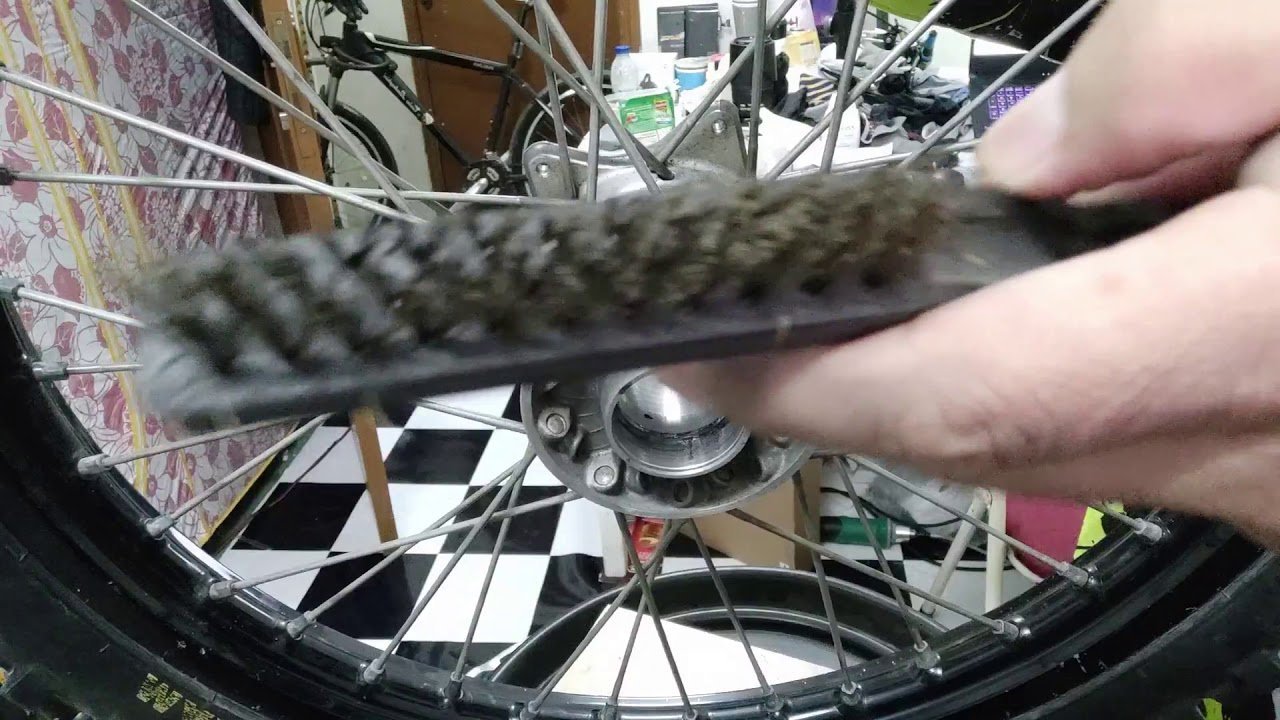
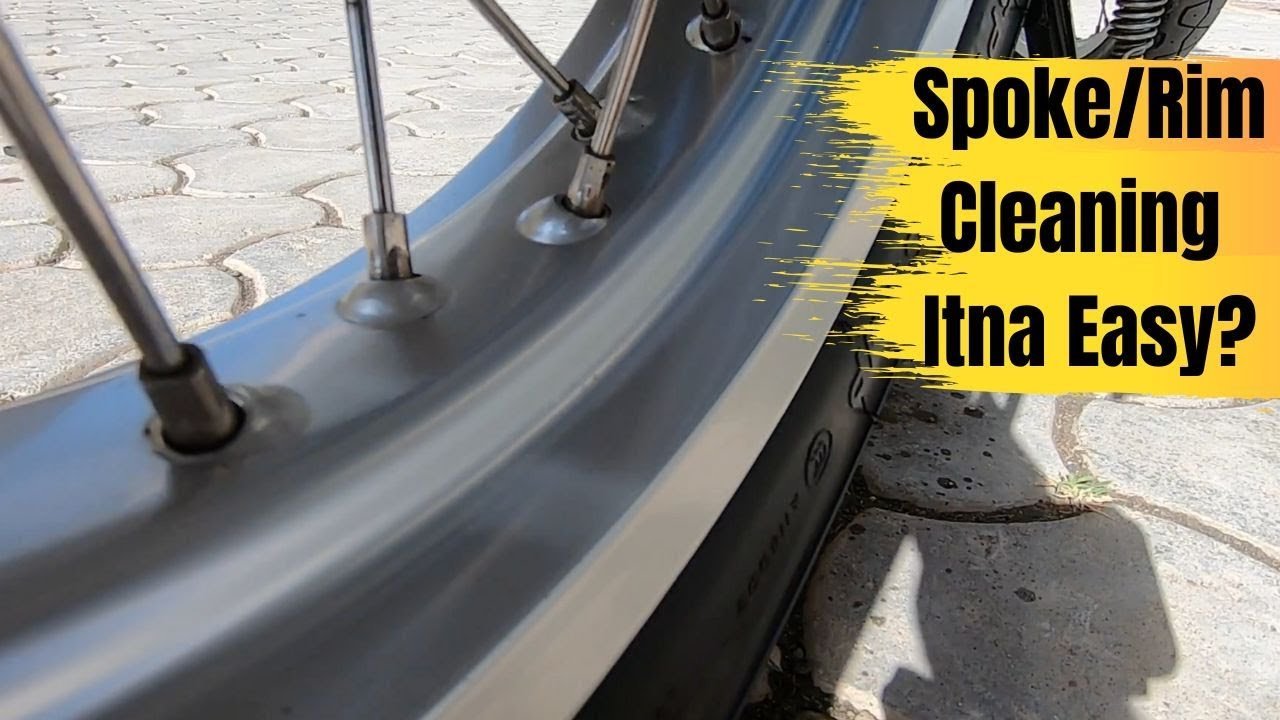
A clean rim shows a bright, uniform surface with no dark oil rings around the spoke nipples. The aluminum feels smooth to the touch, and spinning the wheel reveals no leftover mud clumps inside the drop center. A poor job leaves chalky white streaks along the rim wall and gritty dirt packed behind the brake disc.
White staining happens when soapy water dries under direct sunlight before you rinse it away. Using cool water in a shaded spot and drying the rim with a fresh towel prevents this film from binding to the alloy.
Safe handling and rim care
Keep your wash runoff away from open storm drains to follow local water protection standards. The EPA National Pollutant Discharge Elimination System provides guidelines to stop oily wash water and grime from entering public waterways.
Wipe down your brake discs with isopropyl alcohol immediately after washing to clear off any stray soap mist. Inspect the rim bead area for cracks or rock dents before parking the machine. A standard cleaning lasts until your next off-road ride, but riders on coastal sand tracks must wash salt off the alloy within 24 hours to stop metal pitting.
Alternative cleaning methods
Pressure washer rinse
Keep the spray nozzle at least 24 inches away from the rim surface and use a wide 40-degree tip. This cuts washing time to 5 minutes, but the trade-off is a high risk of blasting water past bearing seals if you point the stream too close.
Chemical wheel cleaners
Automotive wheel sprays dissolve road grime rapidly without much brushing, cutting your total time in half. However, this varies by model — check the label on your rims, because strong acid sprays will permanently whiten colored anodized wheels. This aggressive method isn’t for riders with custom aftermarket finishes.
Fine steel wool restoration
Rubbing oxidized raw aluminum with 0000-grade steel wool and metal polish lifts years of heavy tarnish in 45 minutes. A common mistake is using coarse steel wool on colored wheels, which scratches off the top layer and costs hundreds of dollars in wheel replacements.
Frequently asked questions
Can you use WD-40 to clean dirt bike rims?
Yes, WD-40 removes stubborn chain lube and tar spots from bare aluminum rims quickly. Spray a small splash onto a clean rag rather than directly onto the wheel, keeping the liquid completely away from your brake pads and rotors.
Will simple green damage aluminum dirt bike rims?
Yes, standard Simple Green can corrode and stain raw aluminum if left on the metal for more than a few minutes. If you use it, pick the aircraft-grade formula or dilute the standard solution with water and rinse it off immediately.
How long does it take to clean both wheels?
About 30 to 40 minutes for a complete set under normal trail riding conditions. Wheels caked in thick, dried clay require roughly an hour because you must soak the mud before scrubbing.
Is it safe to clean rims with brake cleaner?
No, brake cleaner can dry out rubber valve stem seals and dull the finish on anodized colored rims. Use isopropyl alcohol instead to strip stubborn grease off the metal hoop without harming surrounding rubber parts.
What happens if you leave dirt on aluminum rims?
Trapped mud holds moisture against the aluminum and steel spoke nipples, which leads to galvanic corrosion over several months. This makes the spoke nipples seize up, preventing you from truing or tightening your wheels properly.
Final Thoughts
Once your wheels are sparkling, take a moment to check your tire pressure and inspect the spokes for any loose tension. Keeping up with this routine prevents long-term corrosion and keeps your bike ready for the next ride. You’ll find that a well-maintained machine just performs better when you’re out on the trails.
Related guides