
How often to check bike tire pressure depends on your tire width, though weekly checks are standard for commuters and pre-ride checks are vital for skinny road tires. Tires naturally lose a small amount of pressure over time due to the permeability of the inner tube material. Neglecting them for two weeks causes drag, poor handling, and pinch flats.
Check your bike tire pressure based on usage
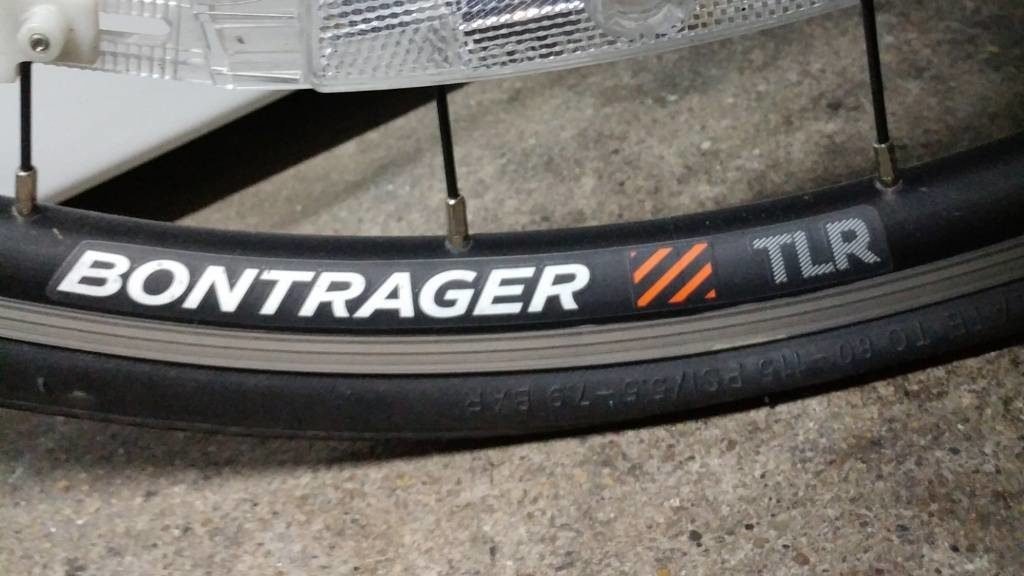
| How you use it | How often | What tells you it’s due |
|---|---|---|
| Daily road cycling | Before every ride | Tire sidewall gives when pushed by thumb |
| Daily city commuting | Once a week | Rolling feels sluggish on smooth pavement |
| Weekend trail riding | Before each outing | Gauge shows five PSI under target |
What happens if you skip it
Low pressure starts to cause problems the moment you roll down the street. First, the contact patch widens, which makes pedaling take noticeably more effort because rolling resistance increases immediately. Your steering will also feel mushy when taking corners.
After several weeks of riding on low air, you risk getting pinch flats, also known as snakebites. When an underinflated tire hits a pothole or curb, the inner tube gets crushed between the hard rim and the ground, puncturing two small parallel holes. A common mistake people actually make is pumping tires purely by hand feel without a gauge; this usually leaves them twenty PSI too low, which destroys tubes and ruins rims over time.
Eventually, riding on flat or nearly empty tires bends the aluminum wheel rim against the asphalt. Replacing a damaged wheel or cracked rim costs far more than maintaining air, and cracked sidewalls from riding under-inflated rubber can cause a sudden blowout.
The signs it’s overdue
- The rubber gives more than a quarter-inch when you press hard with your thumb.
- Pedaling feels sluggish and heavy on smooth, flat roads you usually ride easily.
- The tire squishes noticeably toward the metal rim when you sit on the saddle.
- Steering pulls sideways or feels slow when you lean into a gentle turn.
- Your pump gauge reads five or more PSI below the lower number stamped on the tire sidewall.
- You hear a dull rim tap when rolling over small sidewalk cracks or driveway lips.
What it takes each time
Checking your tires takes about two minutes and requires only a floor pump with an integrated pressure gauge. You don’t need to buy expensive equipment or spare parts for routine top-offs. This routine isn’t for people using solid, airless foam tires, which never lose pressure or need pumping.
If your gauge matches your target, you can ride immediately; if the pressure dropped, pump three to ten strokes until it hits the target mark. You balance speed against precision here: a quick squeeze test saves thirty seconds before heading out, but only a pressure gauge prevents pinch flats. Remember that exact target pressure varies by model and rider weight — check the label on your tire’s side to see its allowed PSI range.
How to go longer between times
- Store your bike off cold concrete, because chilling the air inside temporarily drops your tire pressure.
- Switch from lightweight latex tubes to standard butyl rubber inner tubes, which hold air molecules twice as long.
- Check your tubeless sealant levels periodically according to the manufacturer’s recommendations, as it dries out over time.
- Screw your valve dust caps on snugly to shield the small inner valve core from grit and road debris.
Frequently asked questions
Can I check bike tire pressure without a gauge?
No, you can’t reliably measure pressure just by squeezing the rubber with your fingers. Modern tire casings are stiff enough to feel firm to your hand even when they sit twenty PSI below the minimum safe level for your body weight.
Why do bike tires lose air when not riding?
All inner tubes lose air because rubber is slightly porous at a microscopic level. Air molecules slowly seep through the tube walls and valve stem seals constantly, dropping your tire pressure by a few pounds every single week even while parked.
Is it safe to ride with low tire pressure?
No, riding with low pressure reduces your braking traction and makes cornering unstable on wet or loose surfaces. It also exposes you to sudden flats if your wheel hits a sharp rock or square curb edge at normal riding speeds.
How long does a bike tire stay pumped up?
Thinner road tires drop below their safe limit in a few days, while wide cruiser tires often hold enough air for nearly a month.
What happens if bike tire pressure is too high?
Overinflating a tire gives you a harsh, rattling ride and lowers your grip on rough road surfaces. In extreme cases, pumping past the maximum sidewall rating can blow the tire bead straight off the wheel rim with a loud pop.
Does temperature change bike tire pressure?
Yes, tire pressure shifts by roughly one PSI for every ten-degree Fahrenheit change in outdoor temperature. Moving your bicycle from a heated indoor apartment out into freezing winter air quickly reduces your effective tire pressure before you even begin pedaling.
What to do next
Check your tire sidewall for the recommended PSI range and use a gauge before every ride. If your pressure drops to zero shortly after inflation, visit a local bike shop to address a puncture or faulty valve. Maintaining proper pressure ensures a smooth ride and prevents rim damage.