
You can fix old wooden chairs by tightening loose joints, re-gluing split parts, and replacing damaged hardware. The most common cause of a wobbly chair is dried-out wood glue that has lost its grip over time. Check the connection points between the legs and the seat frame first.
Reasons why wooden chairs become unstable
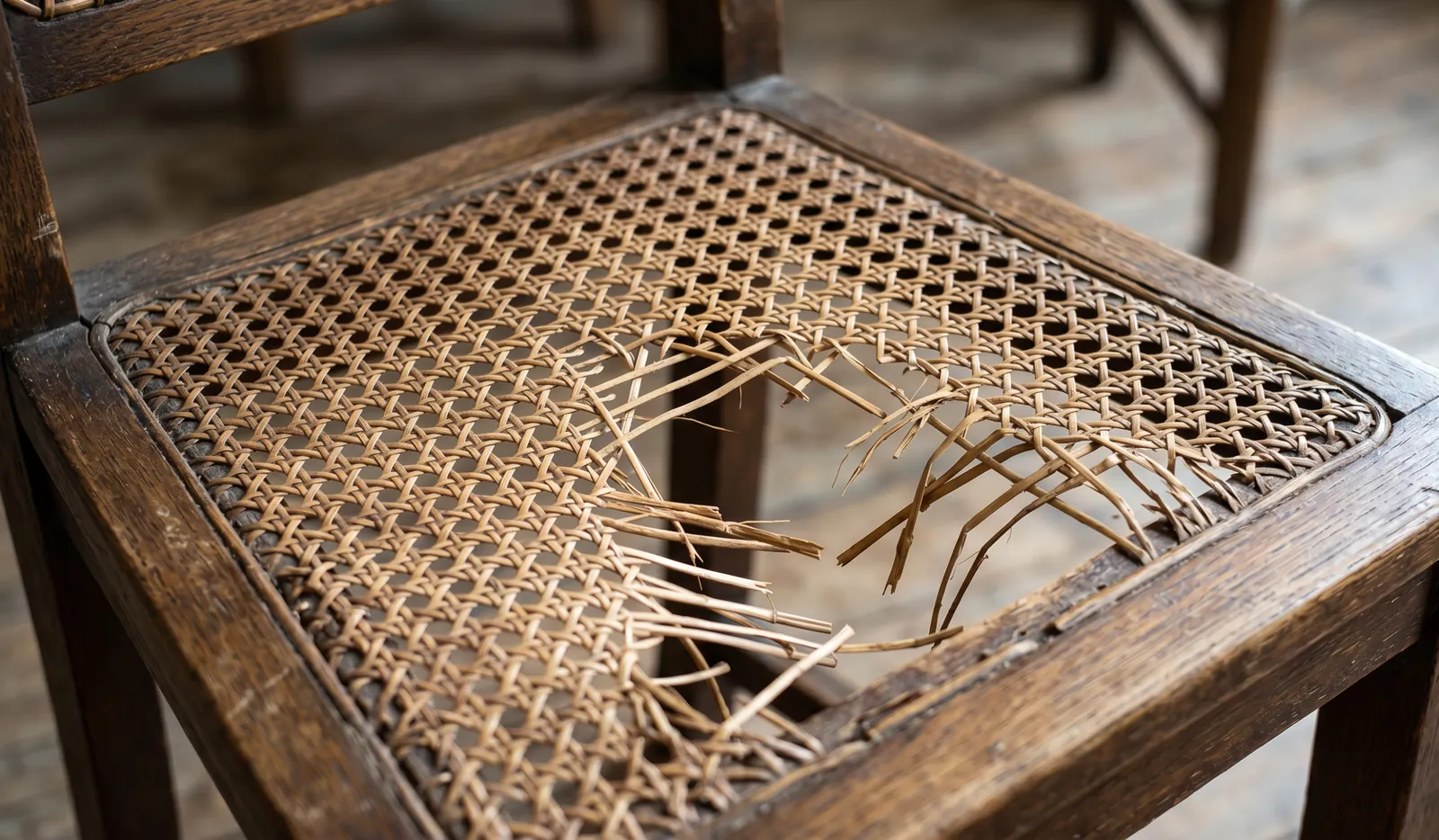
Wooden chairs lose their strength because wood is a hygroscopic material. It absorbs and releases moisture from the air, causing it to expand and contract repeatedly. This constant movement eventually breaks the bond of old adhesives, leading to gaps in the joints.
If you live in a climate where indoor humidity swings significantly between seasons, expect these joints to loosen periodically. You can test for this by placing the chair on a perfectly level floor. If one leg hovers off the ground, the frame has already racked out of square.
Fasteners also fail over time. Metal screws can rust or strip the wood fibers they’re meant to grip. When the holes become too large, the hardware no longer holds the frame tightly.
Many people mistakenly try to fix this by simply tightening the screw. This is a mistake; if the screw spins without resistance, the wood fibers are already pulverized. You must instead glue a hardwood dowel into the hole, let it cure for 24 hours, trim it flush, and drive the screw directly into the filled hole.
When a chair rocks, one joint has failed, forcing the other legs to carry weight they weren’t designed to support. This creates a cycle of damage that accelerates quickly. If you continue to use the piece, the stress will eventually snap the rails, turning a simple glue repair into a total structural failure.
How to fix loose joints on old wooden chairs
This fix is for chairs where the wood is still solid but the joints have separated. You’ll need a rubber mallet, a wood chisel, and a bottle of yellow aliphatic resin wood glue. First, carefully pull the loose joint apart.
Use your chisel to gently scrape away the old, crusty glue from both the tenon and the mortise. If you leave the old glue behind, the new adhesive won’t bond to the wood fibers, and the joint will fail again within months.
Test the bare wood with a drop of water before applying any fresh adhesive. If the water beads up instead of soaking in, old finish or glue remains inside the joint. Keep scraping until that water soaks directly into the grain.
Once the surfaces are clean, apply a thin, even layer of fresh glue to both parts. Push the pieces back together firmly. If the fit feels too loose, you can wrap a small piece of thin wood veneer around the tenon to take up the extra space. Cut the veneer strip just wide enough to cover the gap without bunching up at the bottom of the mortise.
Use a clamp to hold the joint in place for at least 24 hours while the glue cures. Wipe away squeezed-out glue immediately with a damp rag. Dried yellow glue resists stain and leaves an obvious pale ring on finished wood.
If you don’t have a clamp, you can use a heavy-duty strap or a piece of rope twisted tight to apply pressure. You’ll know the repair is successful when the joint feels rigid and shows no movement when you apply pressure by hand.
Replace damaged hardware and fasteners
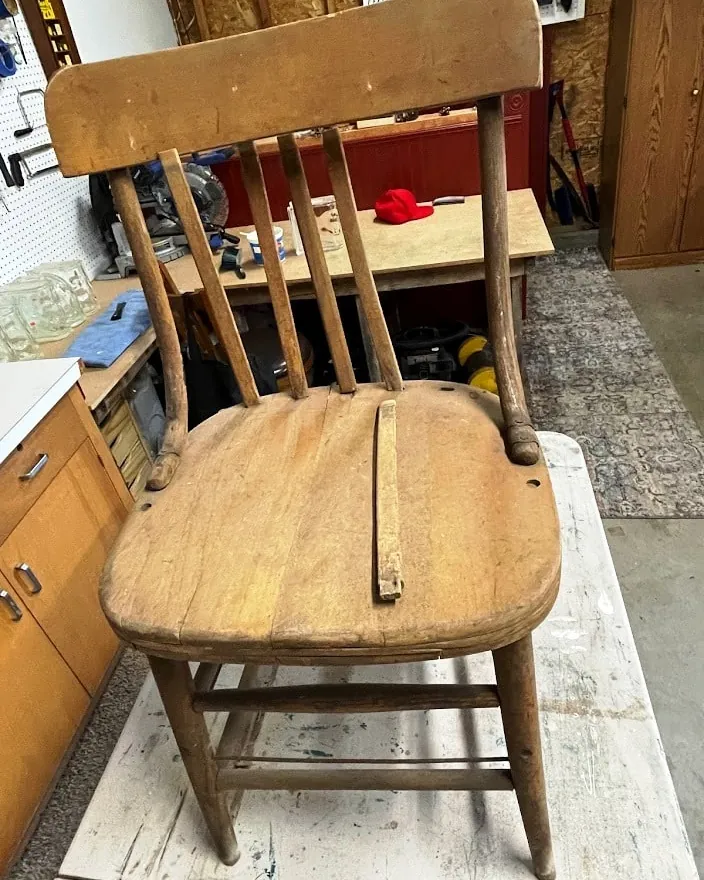
This method works when the wood around a screw hole has become stripped or soft, preventing the screw from biting. You need a drill, wooden toothpicks or dowels, and wood glue. Remove the loose screw and clean out any debris from the hole.
Apply glue to the toothpicks or a small wooden dowel, then tap them into the hole until it’s completely filled. Let the glue dry for several hours, then trim the excess wood flush with the surface of the chair.
Once the filler is dry, drill a small pilot hole through the center of the wooden plug. Now, drive your screw back into the new, solid wood. This creates a fresh surface for the threads to grip, which is much stronger than trying to force a larger screw into damaged, crumbling wood.
This fix isn’t for structural cracks that run through the center of a leg or seat board; those require professional-grade epoxy or a complete replacement of the part. If the wood is splintering or feels soft like a sponge, the structural integrity is compromised, and you should consult a professional furniture restorer before attempting to sit on the chair again.
Reinforce cracked frame sections safely
Use this approach when you find a split running along the grain of the wood. You need a syringe or a fine-tipped applicator to get the glue deep into the crack. Open the crack as wide as you safely can without snapping the piece in two, then inject wood glue into the opening. Use a clamp to pull the crack completely shut, wiping away any excess glue with a damp cloth before it hardens.
It wicks deep into tight cracks by capillary action without forcing them open first.
This is a delicate task because applying too much force can snap the wood entirely. If the split is in a weight-bearing leg, don’t rely on glue alone. You may need to add a metal mending plate or a steel corner brace to the underside of the seat to take the pressure off the crack. These braces are available at most hardware stores.
Place the brace so its screws bite into solid wood at least two inches past each end of the split. Screws driven into the cracked section itself will only wedge the fibers further apart. Pre-drill every hole to prevent new splits from forming around the fastener threads.
If the crack is longer than six inches or follows a diagonal path across the wood grain, the board has lost its tension and will likely split again. In these cases, it’s often safer to have a professional replace the entire wooden component to avoid a collapse while in use.
Common mistakes that ruin repairs
- Using nails instead of screws: Nails pull out of old, dry wood very easily. They damage the surrounding fibers further. Use coarse-thread screws designed for softwood.
- Applying too much pressure: A clamp that’s too tight crushes the soft wood fibers. This weakens the joint instead of strengthening it. Tighten until a thin bead of glue squeezes out evenly. Stop immediately after that.
- Ignoring the old glue: Adding more glue on top of old residue prevents a proper bond. The repair becomes temporary. Scrape or sand the joint down to bare wood first. If water beads up on the surface instead of soaking in, old finish or glue remains.
- Using wood filler for structural holes: Wood filler handles cosmetic surface scratches. It fails completely when screws need to hold weight. For stripped screw holes, pack the void with wooden toothpicks coated in wood glue. Let them cure before driving the screw back in.
- Skipping the drying time: Putting weight on a joint before the glue cures leaves the bond unstable. Standard PVA glue needs twenty-four hours at room temperature. Cold or humid shops require twice that long.
Prevent future chair damage
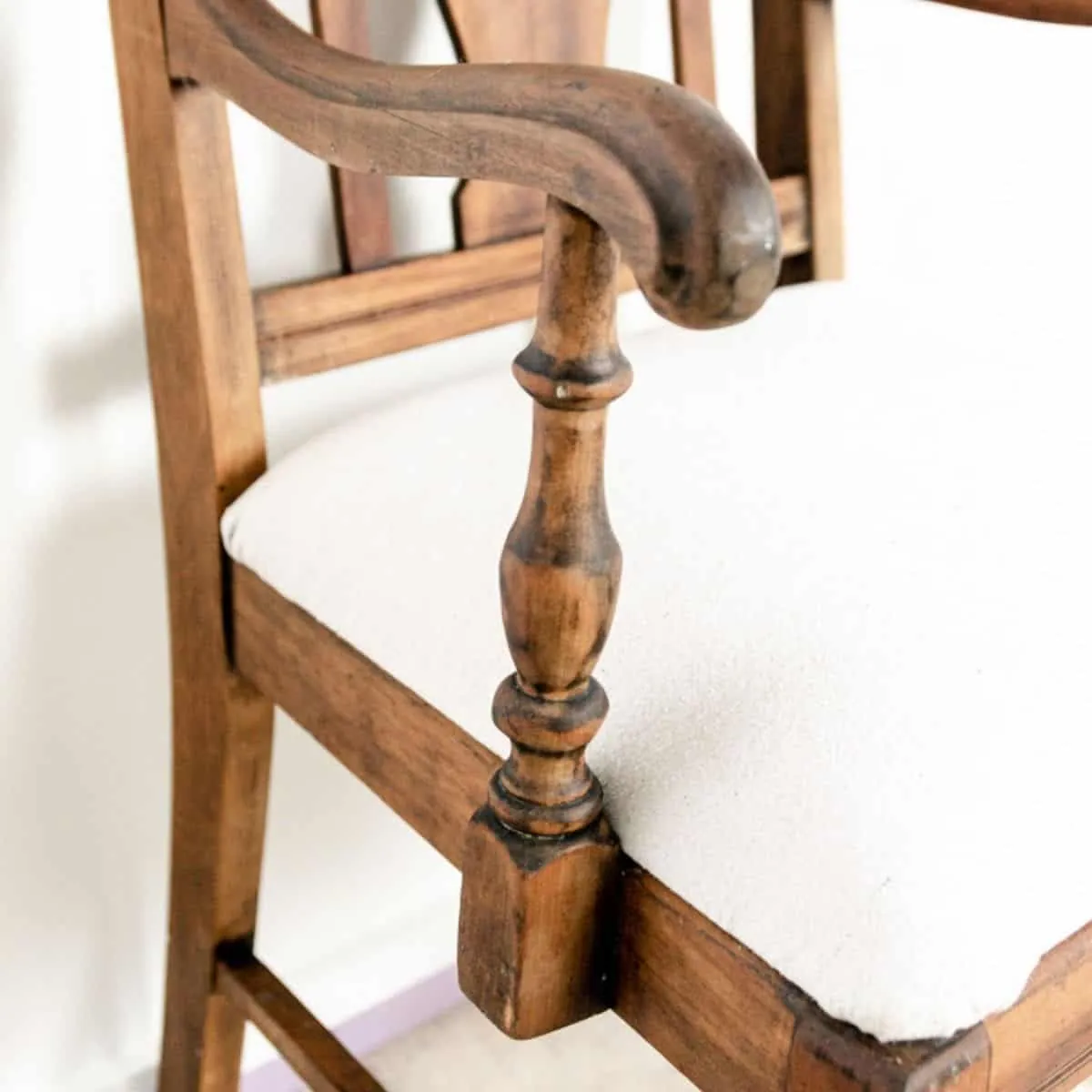
The best way to keep your chairs in good condition is to manage the environment and catch small issues early. A chair that stays in a dry, climate-controlled room will last much longer than one near a heater or in a damp basement.
| If you’re doing this | Do this instead | Why |
|---|---|---|
| Leaving chairs in the sun | Move them to the shade | UV light makes wood brittle |
| Dragging chairs across floors | Use felt pads on feet | Dragging puts stress on legs |
| Tightening screws every week | Re-glue the joint once | Loose screws indicate failed glue |
| Using chairs on uneven floors | Level the legs | Uneven weight cracks the frame |
Related guides
- How to Fix Bike Rack to Car: Simple Steps to Stop Wobbling | Your Site Name
- How to Fix Cracked Bike Tire Problems: Repair or Replace Guide
Frequently asked questions
How long does wood glue take to dry?
Most wood glue reaches full strength in 24 hours, though it feels solid after one hour. Keep the chair clamped for the full duration to ensure a permanent bond. If you live in a humid environment, wait 48 hours before applying weight.
Is it safe to use metal brackets on antique chairs?
It’s safe to use metal brackets if they’re hidden on the underside of the seat or frame. These provide essential support that glue alone can’t offer on older, dried-out wood. Avoid using brackets on visible exterior surfaces to preserve the piece’s value.
Can I use wood filler to fix a loose leg?
No, you can’t use wood filler to fix a loose leg because it lacks the strength to hold a joint together. Wood filler is designed to hide small holes and scratches on the surface of the wood. It will crumble under the weight and movement of a chair. Always use high-strength wood adhesive and wooden dowels or shims to fill gaps in a joint to ensure the chair remains safe to use.
Why does my chair still wobble after gluing?
The chair likely wobbles because the legs are uneven or the frame is twisted. Gluing a joint fixes the connection but doesn’t correct the chair’s geometry. You may need to sand the longest leg or add a glide to the shorter ones.
How do I know if a chair is too damaged to fix?
A chair is too damaged to fix if the wood is rotting, splitting along the grain, or missing large chunks. Test this by pressing your thumbnail into the wood; if it sinks easily, the material won’t hold a screw or glue.
Conclusion
Once your chair feels sturdy again, you’ll want to protect that hard work. Apply a fresh coat of furniture wax or oil to nourish the wood and bring back its natural glow. You’ll be surprised how a simple polish makes your refreshed piece look like a brand-new addition to your home.