
Replacing the sling on a patio chair takes about 45 minutes per seat when you use pre-cut replacement fabric and a spline tool. You’ll pull out the old vinyl cord, slide the new panel into the frame rails, and lock it down with fresh spline. That’s how to change fabric on patio chairs without welding or sewing anything yourself. This method fits anyone with a standard aluminum or steel-framed outdoor set that uses a groove-and-spline system.
Tools for changing patio chair fabric
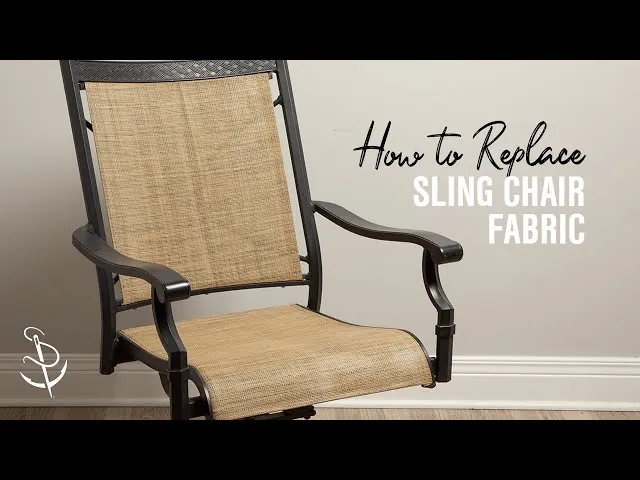
You don’t need a workshop full of gear to swap out worn slings. The job relies on a few specific hand tools and the right replacement parts. Gather everything before you take the first chair apart so you aren’t stuck halfway through with missing pieces.
- Replacement sling fabric: Pre-hemmed panels with the vinyl spline rod already sewn inside the edges. Order these custom-cut from the chair’s manufacturer or a dedicated sling supplier using your exact model number.
- Spline roller tool: A small hand tool with a convex wheel on one end. It pushes the vinyl cord deep into the frame’s groove.
- Needle-nose pliers: For gripping and pulling the old, brittle spline out of the metal rails.
- Flathead screwdriver: To pry up stubborn bits of old plastic stuck in the channel.
- Rubber mallet: Taps the fabric ends into tight corners without scratching the paint.
- Masking tape: Protects the frame finish while you work the new material into place.
- Measuring tape: Confirms your frame dimensions if you’re ordering uncut yardage instead of pre-made panels.
If your frame has a solid rail, a pre-hemmed panel works perfectly; if the frame uses individual screws or rivets at each corner to hold the tension, this groove method won’t fit and you’ll need a professional upholsterer to drill them out.
Steps to replace the sling fabric
Taking the old material off is usually faster than putting the new one on. Work on a flat surface like a driveway or a large table so the frame doesn’t twist while you push the new cord into the rails.
- Lay the chair face down on a soft towel to protect the armrests from scratching against the concrete.
- Pull the old spline out of the frame’s groove using needle-nose pliers. Grip the vinyl cord at one corner and drag it steadily along the channel until the whole side releases. If the plastic crumbles, dig the pieces out with a flathead screwdriver.
- Slide the old fabric out of the rails completely once both sides are free. Throw away the old spline because reusing stretched plastic will let the new seat pop loose in a few weeks.
- Clean the empty grooves with an old toothbrush and soapy water. Dirt left inside the channel stops the new cord from sitting flush, which creates a wavy edge later.
- Line up the new pre-hemmed sling panel with the frame. Match the top edge of the fabric to the top rail of the chair so the pattern sits straight.
- Insert the sewn-in vinyl rod into the groove on one long side. Start at the top corner and press it down an inch at a time with your thumbs.
- Push the spline deeper using the roller tool. Roll firmly down the entire length of the rail until the cord sits below the metal lip.
Careful: Don’t force the roller sideways. Pushing at an angle tears the hem stitching right off the mesh, ruining the panel.
- Stretch the fabric across the seat and repeat the insertion process on the opposite rail. Pull the material taut with both hands before rolling the second cord into its groove.
Tip: If the fabric bunches near the bottom, tap it flat with a rubber mallet while holding the top edge tight.
- Tuck any loose threads at the corners under the end caps using the flathead screwdriver. Wipe the frame down to remove fingerprints before flipping the chair upright.
The exact tension you need depends on the mesh type; heavy PVC-coated polyester requires a firm pull across the frame, while lighter textilene stretches easily and needs less force. If you’re replacing slings on a welded commercial lounger rather than a standard residential dining chair, the frame tension can exceed what hand tools safely manage, and a certified outdoor furniture repair shop should handle the press work.
What changes by frame and fabric
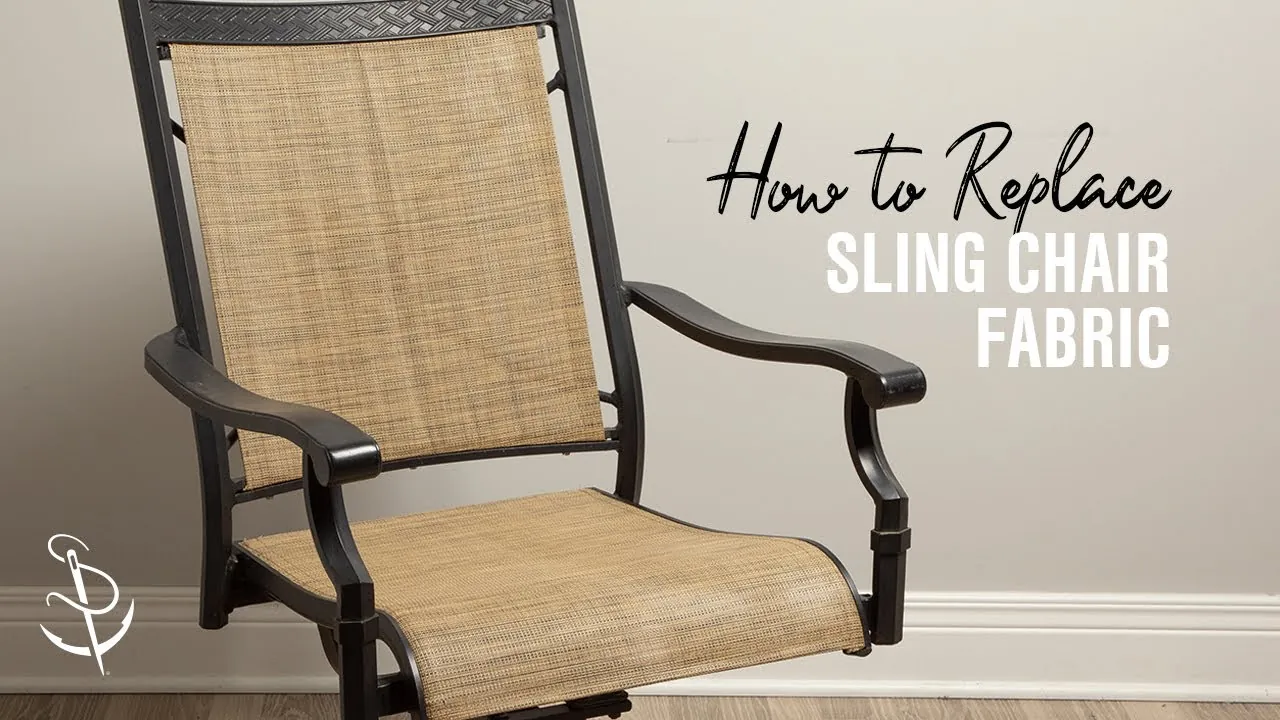
Different frames and materials change how much effort the job takes. A lightweight folding chair handles differently than a heavy-duty poolside lounger.
| Chair style | Time per seat | Main difference | Watch for this |
|---|---|---|---|
| Standard dining chair | 30–45 minutes | Straight rails, easy access | Fabric bunching at bottom corners |
| Chaise lounge | 60–90 minutes | Longer span, needs more tension | Sagging in the middle section |
| Stacking bistro chair | 20–30 minutes | Thin frame, narrow grooves | Roller slipping out of shallow channel |
| Rocker or glider | 45–60 minutes | Curved top rail | Wrinkles along the curved edge |
| Reclining lounger | 90+ minutes | Moving joints block the groove | Pinching the fabric in the hinge |
Starting with the easiest chair in your set saves frustration. You’ll learn the appropriate tension for the mesh before moving to the longer lounges. It’s always safer to leave the fabric slightly loose and redo one side than to overstretch it and tear the hem on the first try.
Signs your new patio chair sling fits right
A good replacement sits completely flat across the frame. There shouldn’t be any ripples along the edges or sagging in the middle when you press down with your hand. The vinyl cord stays hidden entirely inside the metal groove.
A poor result shows up as diagonal wrinkles pointing toward the corners. The fabric might also slip out of the rail when you sit down, which means the spline didn’t go deep enough.
The biggest quality problem here is uneven tension between the left and right sides. This happens because pulling one side tight after the other is locked shifts the whole panel off-center.
To prevent that, insert the first cord only halfway down the rail before starting the opposite side. Alternate sides every few inches until both are fully seated. Keep your roller tool perpendicular to the frame so the pressure goes straight down. Finally, check the manufacturer’s spec sheet for the recommended spline diameter, since a cord that’s even one millimeter too thin won’t grip the channel walls.
Safety limits and cleanup steps
After finishing, throw away all scraps of old vinyl cord immediately. Small pets and birds mistake the colorful plastic strips for nesting material or food. Wipe down the aluminum rails with a damp cloth to remove any soap residue that attracts dirt. Store your roller tool and pliers in a dry drawer so they don’t rust before the next repair.
A properly installed sling made from UV-stabilized polyester typically lasts for a significant period in direct sunlight before fading or fraying. If your chairs sit under a covered patio year-round, expect them to last even longer. Write the installation date on a piece of masking tape and stick it under the seat so you know when to order replacements again.
Other ways to fix a torn sling
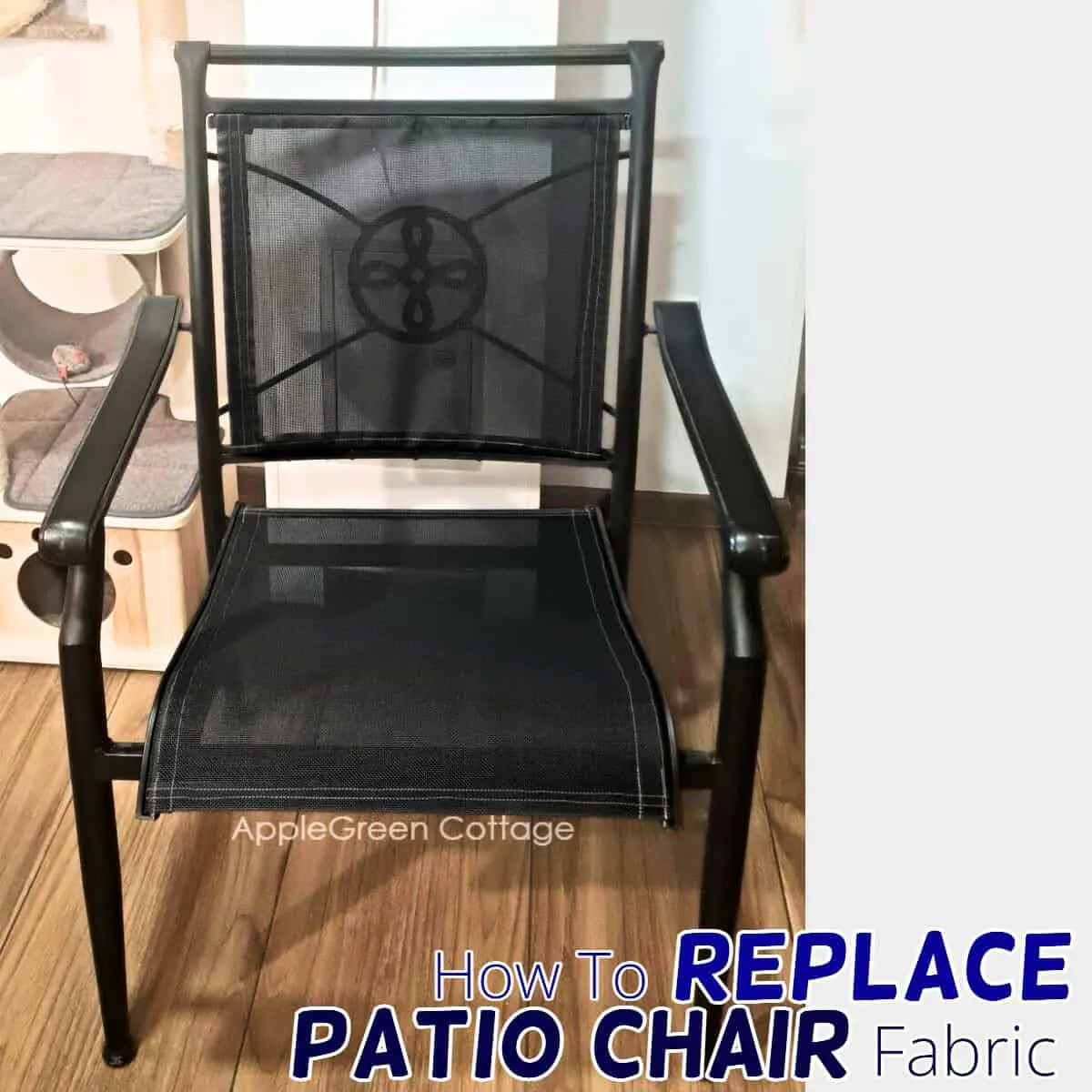
Sewing a patch over the tear
This works for small holes near the edge where the frame hides the stitches. You’ll need heavy-duty outdoor thread and a sailmaker’s needle. It takes about 20 minutes but leaves a visible bump that catches on clothing.
Use a zigzag stitch instead of a straight line across the patch edges. A straight stitch concentrates stress at two points and tears through vinyl in weeks. The zigzag spreads the load across the whole seam.
Skip this method if the tear runs along a fold line where you sit. The fabric flexes there every time someone stands up. No hand-sewn patch survives that repeated bending.
Using adhesive repair tape
Peel-and-stick mesh patches cover rips in the middle of the seat without removing the frame. Clean the area with rubbing alcohol first so the glue bonds. It holds for one season at best before sun exposure dries out the adhesive.
Cut your patch as an oval rather than a square or rectangle. Sharp corners peel up when thighs slide across them. Rounded edges stay flat because nothing catches to lift them.
Apply the tape only when the chair has sat in full shade for several hours. Heat softens the sling material and prevents the adhesive from gripping the fibers tightly.
Hiring a local upholstery shop
Shops with industrial sewing machines build custom slings from raw yardage. They charge per chair and usually need a week to finish. This route makes sense for expensive teak frames where a DIY mistake costs more than the labor fee.
Bring the old sling with you even if it’s falling apart. The shop needs the exact dimensions and grommet spacing to cut the new fabric correctly. Guessing those measurements from the bare frame almost always produces a seat that sags.
Ask whether they use double-needle stitching on the load-bearing seams. Single rows of thread fail under body weight within a year. Double stitching distributes the tension and keeps the sling tight.
Frequently asked questions
Can I reuse the old spline cord?
No, you shouldn’t reuse the old vinyl cord. Once it’s pulled out of the groove, the plastic stretches and loses its round shape. A flattened spline won’t grip the new fabric tightly, causing the seat to slip out within a few days of use. Always buy fresh spline matched to your frame’s groove width.
How long does replacement sling fabric last outdoors?
Pre-hemmed replacement slings made from PVC-coated polyester usually last for a significant period in full sun. Chairs kept under a roof or umbrella often remain in good condition for a longer duration before the mesh fades or frays. The exact lifespan depends on your local UV index and how often the seats get wet.
Why does my new fabric look wrinkled?
Wrinkles happen when the left and right sides aren’t pulled with equal tension during installation. If you locked one side completely into the rail before stretching the other, the panel shifted off-center. Pull the looser side out and reseat it, alternating a few inches at a time.
Is it safe to use indoor fabric outside?
No, indoor upholstery lacks UV inhibitors and mildew resistance. Sunlight breaks down cotton and standard polyester fibers in a single season, leaving the seat weak enough to tear under body weight. Only use mesh rated specifically for outdoor furniture to ensure it handles rain and sun.
What happens if the groove is bent?
A bent rail prevents the spline from seating evenly, leaving gaps where the fabric pulls loose. You can gently bend thin aluminum back into shape with adjustable pliers, but thick steel frames need a professional. Forcing a cord into a crushed channel just snaps the plastic.
How much does custom replacement fabric cost?
Prices depend entirely on your chair’s dimensions and the mesh brand you choose. A standard dining chair panel runs less than a wide chaise lounger cut from premium textiline. Check directly with the original furniture manufacturer or a dedicated sling supplier for a quote based on your exact model number.
Conclusion
Swapping out worn mesh gives an old set another few seasons without buying new furniture. Take your time lining up the hems, keep the roller tool straight, and don’t rush the tension. A steady pull makes the difference between a seat that sags by July and one that holds firm for years.