
You can fix tears in fabric patio chairs by using a heavy-duty outdoor repair tape or a vinyl patch kit, depending on the material of your seat. The most common cause of these rips is prolonged exposure to ultraviolet light, which makes synthetic fabrics like PVC or polyester brittle over time. If you notice small holes or fraying seams, act fast to stop the damage from spreading across the entire chair surface.
Repair ripped patio chairs by understanding why fabric tears
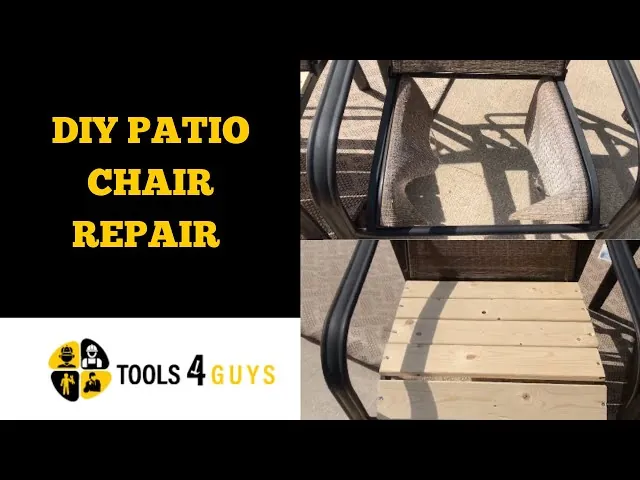
Patio furniture faces harsh conditions that lead to structural failure. The primary cause is long-term sun exposure, which breaks down the chemical bonds in synthetic fibers. As the fabric loses its flexibility, it becomes stiff and eventually snaps under the weight of a person sitting down.
If you can flick the fabric with your finger and it makes a sharp, dry cracking sound rather than a soft thud, the polymers are already brittle. At this stage, the material has lost its structural integrity and will fail regardless of how well you clean it. Replace the covers immediately to avoid an injury from a sudden collapse.
Another major cause is moisture accumulation. If you live in a humid area or leave chairs uncovered during rain, mildew can weaken the fibers from the inside. When the fabric remains damp for days, the seams lose their grip and start to pull apart.
This happens most often at the points where the fabric connects to the metal frame, as these areas hold the most tension. If you see the fabric pulling away from the frame, check the fasteners immediately. If the metal underneath shows orange oxidation, the rust is likely sawing through the fabric from the inside out. In this case, replacing the fabric alone won’t work; you must sand and seal the frame first.
Apply waterproof outdoor repair tape
If you have a small, clean tear in a synthetic mesh or vinyl sling, using a high-strength outdoor repair tape is the fastest solution. This fix is for tears under 6 inches long; if the tear spans the entire width of the seat, the fabric has lost too much structural integrity to be patched safely and needs a full replacement.
Clean the area around the rip with mild soap and water to remove dirt or oils. Let the fabric dry completely, as moisture will prevent the adhesive from bonding. If the surface remains oily, wipe it with a small amount of isopropyl alcohol to ensure a clean substrate for the glue.
Cut two pieces of tape that are 2 inches longer than the tear. Apply one piece to the top of the fabric and one directly underneath, aligning them perfectly. Press down firmly from the center toward the edges to remove air bubbles. This “sandwich” method distributes the weight of the sitter across the patch.
Rounding the corners of the tape before application is recommended to prevent the edges from catching on clothing and peeling. If you leave the corners square, they will catch on clothing and peel within weeks. Trim the corners into a soft arc with scissors to prevent premature lifting.
You’ll know it’s secure if the edges stay flush when you pull on them gently. If you’re unsure about the strength of your tape, check the label to ensure it’s specifically rated for UV resistance and high-heat environments. Avoid standard duct tape, as the adhesive will liquefy in the sun and leave a permanent, sticky mess on your furniture.
Sew with heavy-duty outdoor thread
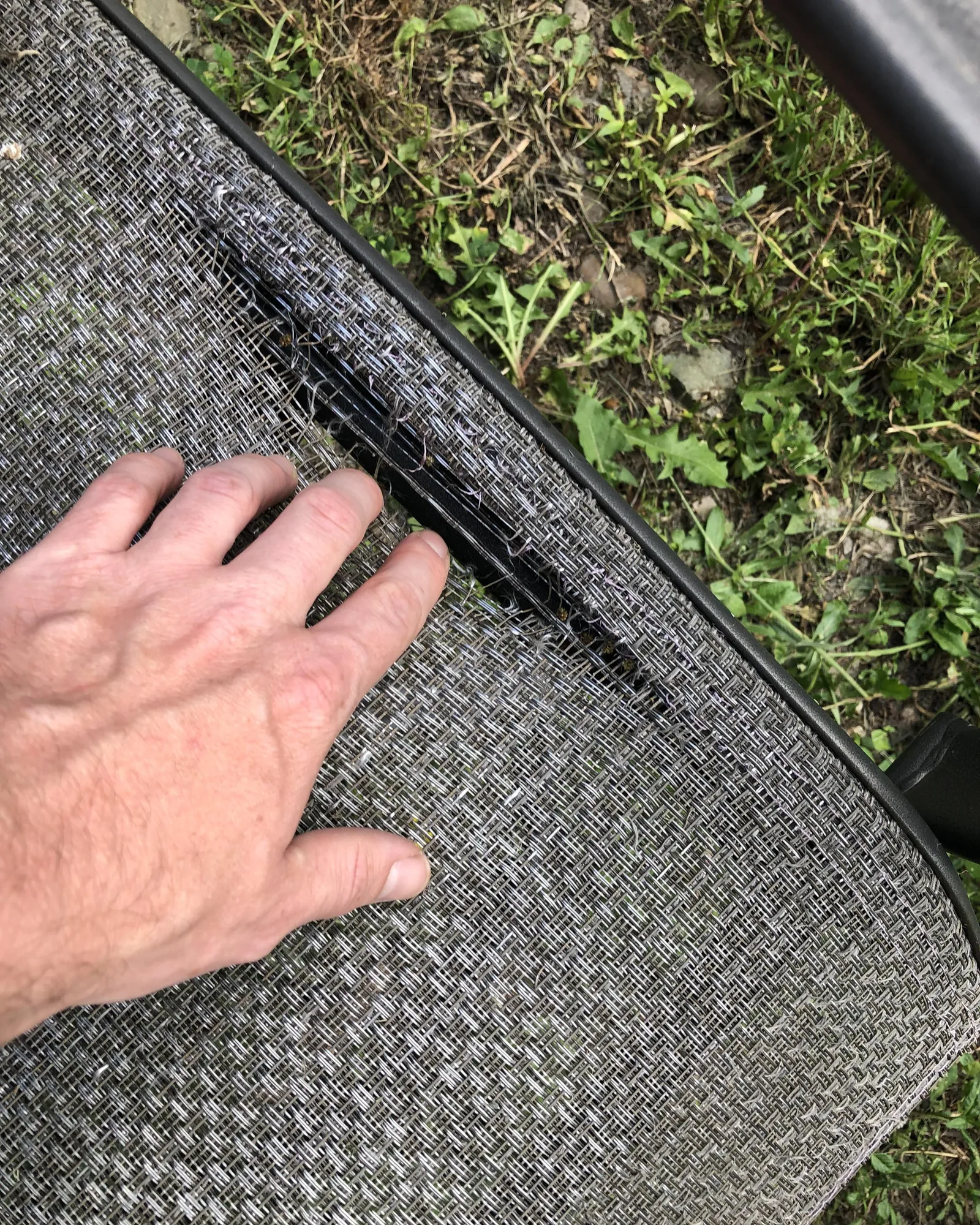
For fabric that has ripped at the seam, stitching it back together with UV-resistant polyester thread is the best way to maintain the chair’s original look. This repair is for chairs where the main material is still in good condition, but the factory stitching has failed. You’ll need a curved upholstery needle and heavy-duty bonded polyester thread, which you can find at most craft or hardware stores.
Start by securing the thread with a double knot at the beginning of the tear. Use a whip stitch to pull the two edges of the fabric together, keeping your stitches about 1/4 inch apart. If you pull the thread too tight, you might cause the surrounding fabric to pucker, which creates a new weak point.
Test the fabric before you begin. If you can push a fingernail into the material and it leaves a permanent mark or crumbles, the fibers have suffered UV degradation. In this case, a new seam will only pull through the brittle weave within weeks. You must patch the area with a backing fabric rather than stitching the edges directly.
Once you reach the end of the rip, tie off the thread with several tight knots and trim the excess. This fix isn’t for chairs with deep, dry-rotted cracks, as the needle will simply tear through the brittle material. If your hands aren’t steady or the fabric is extremely thick, consider taking the cover to a professional upholstery shop to avoid injury from the needle.
Use a heat-activated vinyl patch
If your chair is made of solid vinyl, a heat-activated patch kit creates a near-invisible bond that holds up well in hot weather. This approach works best for punctures or small circular rips that aren’t under high tension. Avoid this method for tears along seams, where the fabric is constantly pulled taut; these will inevitably peel away regardless of the adhesive strength.
Prepare the surface by sanding the edges of the rip so they’re flat against the frame. Apply the vinyl adhesive provided in the kit, then place the patch over the hole. Use the heating tool included in the kit or a household iron on a low, non-steam setting to melt the patch into the surrounding material. Don’t leave the iron in one place for more than 5 seconds, or you’ll melt the chair fabric itself.
If the patch remains tacky after cooling for 15 minutes, the heat wasn’t applied long enough. In this case, repeat the heating process for an additional 3 seconds. Never attempt this on mesh or woven fabrics, as the adhesive will fail to bridge the gaps between the threads.
If you can see light through the material, the fabric is too porous for a patch and requires a full reupholstery or a replacement cover. Always test the iron on a hidden section of the underside to ensure the material doesn’t warp or discolor before you commit to the repair.
What to avoid when fixing chairs
- Using duct tape: This is a temporary fix that will melt in the sun. It leaves a sticky, impossible-to-remove residue on your furniture. That gummy layer blocks any real adhesive from bonding later. You end up replacing the whole panel instead of patching it.
- Over-tightening seams: If you pull the fabric too hard while sewing, you create extra tension. The chair will rip again within a few weeks. Leave enough slack for someone to sit down and shift their weight. A good test is pinching the sewn edge; you should feel slight give.
- Ignoring the frame: Don’t patch a rip if the metal frame underneath is bent or jagged. The sharp metal will cut through your new repair immediately. Run your fingers along the inside before cutting any fabric. File down burrs with a metal file or wrap the joint in thin leather.
- Using standard cotton thread: Cotton thread rots quickly when exposed to outdoor moisture and UV light. Your repair will fail shortly after you finish. Use bonded polyester or nylon thread instead. It resists mildew and holds its strength in direct sunlight.
- Applying glue to mesh: Liquid glues harden and become brittle. They crack and fall out the moment someone sits on the chair. Mesh needs to flex under body weight. Sew patches on, or use a heat-welded vinyl strip designed for flexible surfaces.
Prevent future fabric damage
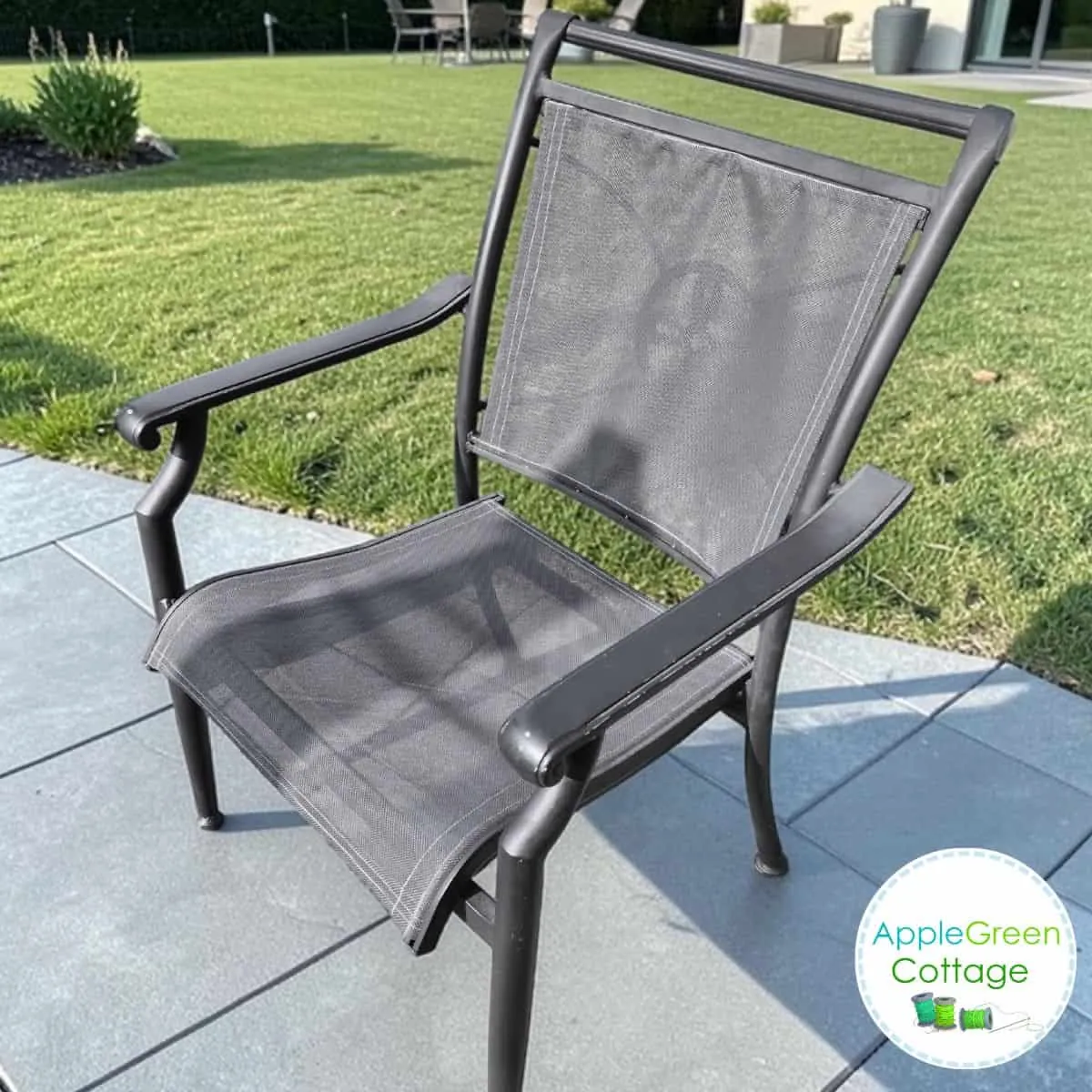
The best way to keep your chairs in good shape is to limit their exposure to the elements when they aren’t in use. If you’re storing your chairs, keep them in a garage or shed; if you must leave them outside, use a breathable furniture cover.
| If you’re doing this | Do this instead | Why |
|---|---|---|
| Leaving chairs in direct sun | Use a UV-rated cover | UV rays destroy plastic fibers |
| Leaving chairs in the rain | Tilt them forward | Prevents water pooling on seams |
| Using chairs when brittle | Replace the fabric | Avoids sudden, dangerous failure |
| Ignoring small loose threads | Trim and seal with glue | Prevents the seam from unraveling |
Related guides
Frequently Asked Questions
Can I fix a rip in a mesh chair with glue?
No, glue isn’t suitable for mesh chairs because the liquid will dry into a hard, brittle lump that snaps under weight. Mesh fabric needs to flex when you sit down, and glue doesn’t have the elasticity required to move with the chair. Use outdoor-rated repair tape instead, as it’s designed to flex with the material while maintaining a strong grip.
How long does an outdoor repair tape fix last?
Most high-quality outdoor repair tapes last for a few seasons depending on how much sun your patio gets. If your chairs are in a shaded area, the tape may hold for an extended period before the adhesive begins to degrade. You’ll know it’s time to replace the tape when the edges start to curl or the color begins to fade significantly.
Is it safe to sit on a chair I just patched?
Yes, you can safely sit on the chair once the adhesive has fully cured, which usually takes about 24 hours. If you used a heat-activated patch, wait until the material is completely cool to the touch before putting any weight on it. If you hear any popping or tearing sounds when you first sit down, get off the chair immediately and check if the patch has shifted.
Why does my chair keep ripping in the same spot?
The chair is likely ripping in the same spot because the underlying metal frame is bent or has a sharp, rough edge that cuts the fabric. Check the frame for burrs or jagged paint chips that could be acting like a knife against the fabric. If the frame is bent, the fabric is under too much tension, and no patch will hold for long.
What is the best thread for outdoor repairs?
Bonded polyester thread is the best choice because it’s naturally resistant to UV light and moisture. Avoid nylon thread, as it breaks down quickly in sunlight, and avoid cotton, which absorbs water and rots. You can find this thread specifically labeled as “outdoor” or “upholstery” thread at most fabric stores, and it’s usually thicker than standard sewing thread.
How do I know if the fabric is too old to fix?
The fabric is too old to fix if it feels like paper or crumbles when you rub a small section between your fingers. This is called dry rot, and it means the chemical structure of the plastic has completely failed. If your chairs reach this stage, patching them is a waste of time, as the fabric will simply rip in a new spot as soon as you sit down.
Conclusion
Once your patches are secure, consider applying a UV-protectant spray to the rest of the fabric. This simple extra layer won’t just keep your chairs looking fresh; it’ll also help them withstand the summer sun for seasons to come. You’ll be glad you took that small step when you’re relaxing outside later.