
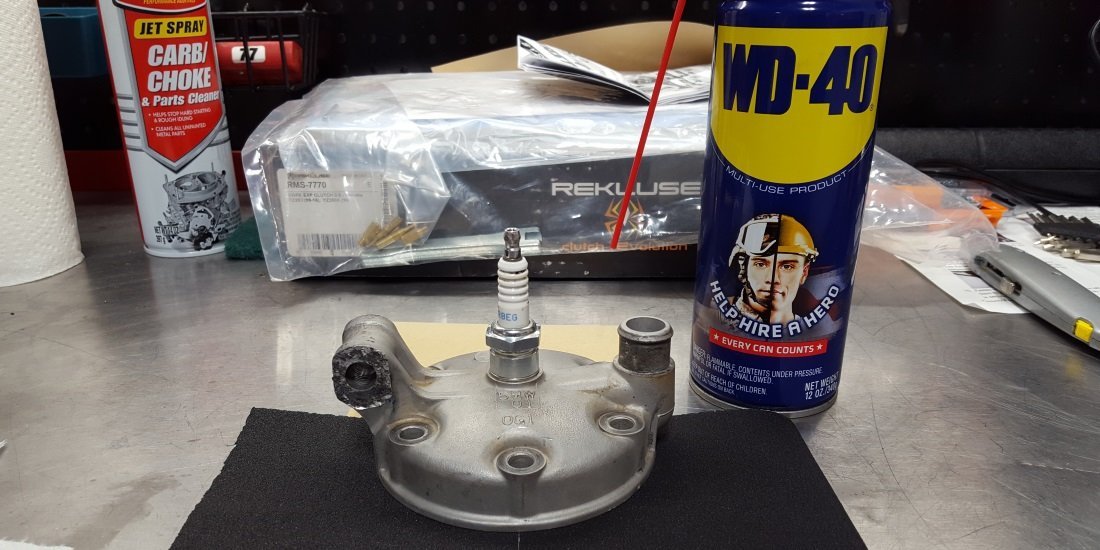
The best method for how to clean dirt bike cylinder head carbon deposits is soaking the metal in a dedicated parts cleaner and scraping the dome gently with a brass wire brush. It costs a small amount in supplies, and the difficulty level needs care because soft aluminum scratches easily. You’ll need a plastic gasket scraper ready before you begin to avoid gouging the flat mating deck.
Cleaning supplies for your cylinder head
| Item | How much | Why it’s needed | A substitute |
|---|---|---|---|
| Parts cleaner spray | 1 standard spray can | Breaks down baked oil | Carburetor cleaner spray |
| Brass wire brush | 1 hand brush | Scrubs carbon off metal | Nylon detail brush |
| Plastic scraper | 1 flat tool | Cleans old gasket material | Soft wooden craft stick |
| Lint-free shop towels | 4 to 6 rags | Wipes away dissolved sludge | Clean cotton rags |
| Nitrile gloves | 1 fresh pair | Protects skin from solvents | Neoprene work gloves |
| Safety glasses | 1 clean pair | Shields eyes from splatter | none — don’t swap this |
Before you start
- Disconnect the spark plug cap, take out the spark plug, and set it aside safely.
- Drain your engine coolant completely so liquid doesn’t spill inside the combustion chamber during teardown.
- Stuff clean shop rags into the exposed cylinder bore to keep falling debris off your piston and crank.
- The mistake people actually make is rushing to scrape gasket surfaces with steel utility blades; that gouge ruins your seal and costs you a costly head resurfacing trip to a machine shop.
- This guide isn’t for cracked castings or severely warped heads. Check your maker’s service manual, and if the mating face exceeds the flatness service limit, take the piece to a professional automotive machine shop.
Step by step
- Lay the bare cylinder head on your flat, clean bench with the dome chamber facing up toward you.
- Spray a heavy coat of solvent across the entire black carbon area until the surface is thoroughly saturated.
- Wait 10 minutes for the solvent chemicals to soften the hard, baked-on crust.
- Scrub the dome using small, circular motions with your brass wire brush to lift the top crust.
- Wipe the dirty solvent paste away with a lint-free shop towel so you can see the bare metal below.
- Scrape the stubborn burnt spots lightly using the brass brush bristles held at a low 30-degree angle.
- Flip the head over and remove old baked gasket material from the deck using only your flat plastic scraper.
- Flush the coolant passages and combustion area thoroughly using fresh cleaner until the runoff stream pours out completely clear.
- Dry the entire metal part right away using clean compressed air or dry towels to prevent solvent residue build-up.
How to know it worked

You’ll know the work is finished when the aluminum inside the combustion dome shows its dull silver color across the entire curve. A thin tan tint can stay behind, but you must not feel any rough, raised carbon patches when you slide a gloved fingertip across the dome. If the deck surface still holds black speckles or old sealant crust, run a second cleaning round with your plastic scraper. Also, look closely at the flat sealing surface under good light. It should show zero scratches or bright gouges. Chemical safety matters during this job, so review the OSHA personal protective equipment standards if you’re spraying chemical solvents in an enclosed home garage.
If something goes wrong
| What happened | Why | What to do |
|---|---|---|
| Metal surface has scratches | Wire brush bristles were steel | Polish out marks with Scotch-Brite |
| Black deposits stay rock-hard | Cleaner didn’t soak long | Apply solvent again for 15 minutes |
| White powdery film appears | Harsh degreaser etched aluminum alloy | Wash with water and dry immediately |
| New head gasket leaks fluid | Deck surface is warped or scratched | Check flatness using a straight edge |
| Solvent burns bare skin | Splatter got past thin gloves | Wash skin with soap right away |
How often to do this
Clean the head according to the maintenance intervals specified in your owner’s manual. This interval changes mostly based on your fuel-to-oil mix ratio and your riding style. A two-stroke bike run rich on premix oil builds a thick carbon layer much faster than normal. In contrast, four-stroke engines keep the combustion space clean longer unless the valve stem seals start leaking oil. The trade-off is simple: cleaning parts often takes an hour of shop time, but leaving heavy carbon in place raises your engine’s compression and risks dangerous engine knock. This varies by model — check the label or manual for exact torque settings when bolting parts back together.
Frequently asked questions
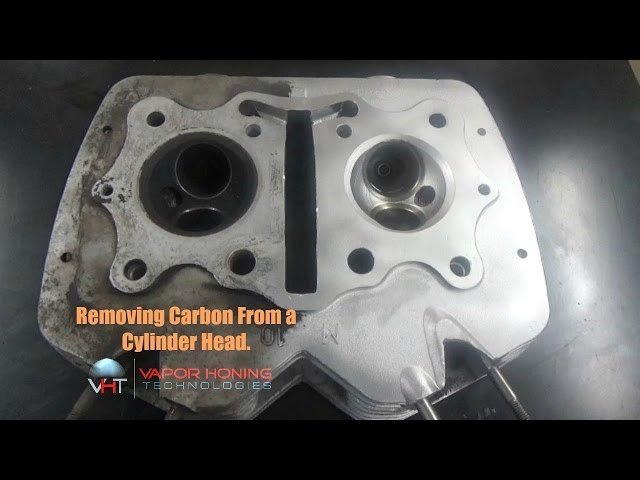
Can you clean a cylinder head without removing it?
No. You can’t clean the head correctly while it sits bolted onto the bike frame. Scraping deposits in place drops abrasive carbon flakes down between the cylinder wall and piston rings. That debris scratches the cylinder walls within minutes of starting the motor.
Is oven cleaner safe for aluminum bike parts?
No. Standard oven cleaners contain sodium hydroxide, which reacts with bare aluminum and eats the metal quickly. The chemical turns the part dark gray and creates tiny surface pits. Use dedicated carburetor cleaner, mineral spirits, or an aluminum-safe parts wash instead.
What happens if you scratch the head mating surface?
A scratched deck allows burning combustion gas or pressurized coolant to leak past your new gasket. If you nick the surface with a tool, you’ll need to check it with a precision straightedge; deep gouges mean sending the head out for professional machine resurfacing.
Does a carbon layer hurt engine power?
Yes. Thick carbon holds extra heat inside your motor, which creates hot spots that ignite fuel too early. That pre-ignition causes pinging, robs horsepower at high throttle, and can eventually melt a hole through the top of your dirt bike’s piston.
How long can aluminum sit in cleaning solvent?
Follow the dwell time instructions provided on the specific solvent container. If the solvent dries, the loosened carbon turns back into a hard paste that sticks to the metal. Wash the part promptly, and wipe it dry with fresh shop rags right after scrubbing.
Why does my dirt bike head build carbon so fast?
Rich carburetor jetting and poor-quality premix oil cause fast carbon build-up. If the engine receives too much fuel or unburnt oil, the leftover mixture bakes directly onto the hot metal. Fix your jetting to stop the chamber from crusting over so quickly.
Final Thoughts
Once everything is spotless and dry, take a moment to inspect the valve seats for any tiny pits or wear. If the surface looks smooth and clean, you’re ready to reassemble the engine. You’ll feel much better knowing your bike’s top end is finally clear and running at its best again.
Related guides