Selecting the best school-age parenting books depends on your specific goals, such as improving communication or managing emotions. These guides offer frameworks for children aged five to twelve, with options ranging from broad references like Caring for Your School-Age Child to specialized resources like The Explosive Child for intense behavioral patterns.
As an Amazon Associate, we earn from qualifying purchases. This post contains affiliate links – if you buy through them, we may earn a commission at no extra cost to you.
1. Caring for Your School-Age Child

Best for: Parents seeking a comprehensive, all-in-one manual for child development.
This book serves as a broad reference guide for the physical and emotional changes that occur throughout the elementary school years. It covers a wide age range, helping parents understand what is typical for their child as they grow.
It’s a useful resource for those who want a foundational understanding of child development without focusing on one single parenting technique. This book may not be the right choice if you’re looking for specialized advice on resolving specific, chronic behavioral problems.
Good if:
- You want a general overview of development.
- You prefer a resource that covers ages 5-12.
- You need a broad reference for common questions.
Skip it if:
- You need help with a specific behavioral crisis.
- You prefer a book focused on a single psychological method.
2. How to Talk So Kids

Best for: Parents who want to improve daily communication and listening skills.
Effective communication is the cornerstone of a healthy parent-child relationship. This book provides practical strategies to help parents speak in a way that encourages cooperation and active listening.
It’s ideal for families who struggle with frequent arguments or misunderstandings during daily routines. It may not suit parents who are looking for structural advice on setting rules or managing physical safety and health.
Good if:
- You want to stop constant power struggles.
- You need tools to help your child express feelings.
- You value clear, actionable communication techniques.
Skip it if:
- You’re looking for medical or physical health advice.
- You prefer a book that focuses on setting firm boundaries.
3. The Whole-Brain Child
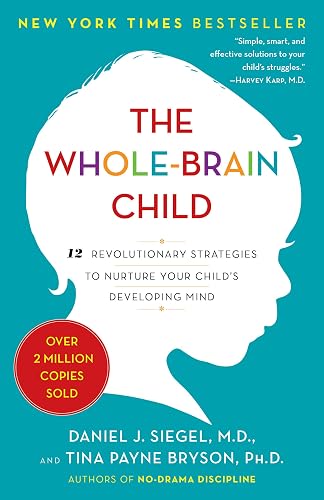
Best for: Parents interested in the science behind child brain development.
This book explains how a child’s brain develops and how that impacts their behavior and emotions. It offers strategies to help parents nurture their child’s mind during difficult moments.
It works well for parents who want to understand the “why” behind their child’s reactions. It might not be the best choice if you prefer a book that avoids scientific explanations in favor of simple, rule-based instructions.
Good if:
- You want to connect better during emotional outbursts.
- You’re curious about how the brain influences behavior.
- You want long-term strategies for emotional intelligence.
Skip it if:
- You want a quick list of rules to follow.
- You find scientific explanations distracting.
4. The Self-Driven Child

Best for: Parents who want to encourage more independence and internal motivation.
This book explores the importance of giving children more control over their own lives. It focuses on reducing anxiety and fostering a sense of responsibility in school-age kids.
It’s a great choice for parents who worry they’re being too overbearing or “helicopter” parents. It isn’t ideal for those who prefer a more directive approach to managing their child’s daily school and personal life.
Good if:
- You want your child to take ownership of tasks.
- You’re trying to reduce stress in the household.
- You want to build your child’s confidence.
Skip it if:
- You prefer to tightly manage every aspect of your child’s day.
- You’re looking for a behavioral modification system.
5. The Gift of Failure
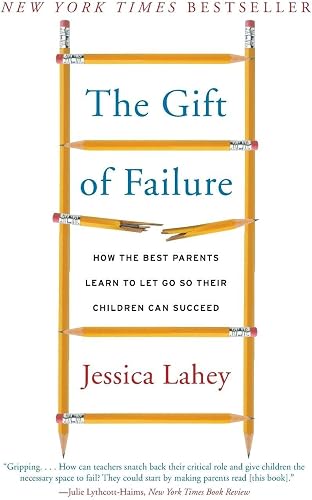
Best for: Parents who want to help their children build resilience.
This guide encourages parents to step back and allow their children to experience setbacks. It aims to show how these experiences can lead to greater success and maturity later on.
It’s perfect for parents who feel the need to solve every problem their child encounters. This book isn’t for parents who prioritize immediate academic perfection or who are uncomfortable with their child experiencing temporary struggle.
Good if:
- You want to raise a resilient, independent child.
- You feel you might be over-managing your child’s life.
- You want to shift your focus from grades to character.
Skip it if:
- You feel anxious when your child makes mistakes.
- You’re looking for ways to prevent all conflict.
6. Parenting with Love and Logic

Best for: Parents who want to teach responsibility through natural consequences.
This approach focuses on allowing children to make choices and experience the results of those choices in a safe way. It emphasizes teaching responsibility rather than just imposing authority.
It’s helpful for parents who find themselves constantly nagging or lecturing their children. It may not be for parents who prefer a more traditional, command-and-control style of discipline.
Good if:
- You want to stop lecturing your children.
- You want your child to learn from natural consequences.
- You prefer a structured approach to discipline.
Skip it if:
- You prefer to enforce rules through strict parental authority.
- You want an approach that focuses on emotional connection over logic.
7. Raising Good Humans
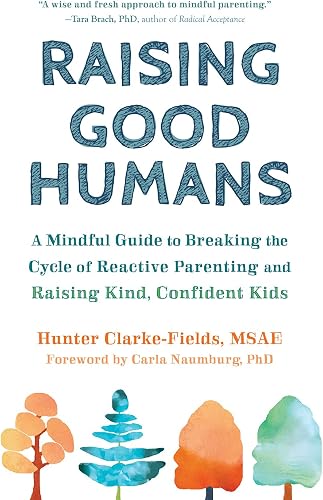
Best for: Parents who want to practice mindfulness and reduce reactive parenting.
This book provides a mindful guide to help parents break cycles of frustration. It focuses on staying calm and raising children to be kind and confident individuals.
It’s suited for parents who feel they often overreact to their child’s behavior. This guide might not be the best fit if you’re looking for a book that focuses solely on the child’s development rather than the parent’s own emotional state.
Good if:
- You want to stay calm during high-stress moments.
- You’re interested in mindful parenting techniques.
- You want to break negative patterns from your own upbringing.
Skip it if:
- You want a book that focuses only on the child’s actions.
- You prefer a more traditional, top-down discipline approach.
8. The Collapse of Parenting

Best for: Parents who want to re-establish clear boundaries and authority.
This book argues that parents have lost their role as the primary guide for their children. It focuses on the importance of setting clear expectations and teaching children to respect adults.
It’s a strong choice for parents who feel that their children are becoming too demanding or acting beyond their years. It isn’t for parents who want a more egalitarian or permissive approach to parenting.
Good if:
- You feel your children need more structure and boundaries.
- You want to reclaim your role as an authority figure.
- You worry about the influence of peer culture on your kids.
Skip it if:
- You prefer a parenting style based on negotiation and consensus.
- You’re looking for a softer, more emotional approach.
9. The Explosive Child

Best for: Parents dealing with children who have intense, challenging behaviors.
This book introduces a specific framework for understanding why some children struggle to meet expectations. It focuses on collaborative problem-solving to reduce outbursts and conflict.
It’s designed for parents whose children have chronic difficulty with flexibility and frustration. This book may be more intensive than what is needed for a child with typical, mild behavioral challenges.
Good if:
- Your child has frequent, intense meltdowns.
- You want a collaborative way to solve problems.
- You need a structured plan for managing challenging behaviors.
Skip it if:
- Your child’s behavior is generally predictable and calm.
- You’re looking for a general guide to parenting.
10. Raising Your Spirited Child

Best for: Parents of high-energy, sensitive, or intense children.
This book provides insight into the “spirited” temperament. It helps parents understand their child’s energy and intensity while offering strategies to manage these traits positively.
It’s ideal for parents who feel their child is “more” of everything than other kids. It might not be relevant for parents whose children have a more easygoing or reserved temperament.
Good if:
- Your child is very energetic or intense.
- You want to work with your child’s temperament, not against it.
- You need advice on managing a highly sensitive child.
Skip it if:
- Your child is naturally quiet and easy to manage.
- You’re looking for a general, one-size-fits-all parenting guide.
Where These Overlap
Many of these books share the common goal of building a respectful relationship between parent and child. Titles like The Whole-Brain Child and No-Drama Discipline both emphasize understanding the child’s internal state to improve behavior. Others, such as The Self-Driven Child and The Gift of Failure, overlap in their focus on fostering independence and letting children learn from their own experiences. If you’re choosing between these, consider whether you want a focus on the parent’s emotional regulation, such as in Raising Good Humans, or a focus on the child’s behavioral systems, like those found in Parenting with Love and Logic.
Still Not Sure?
How often will I really use this book?
If you want a reference you can keep on your shelf for years, Caring for Your School-Age Child is a reliable choice that covers a long developmental span. For day-to-day challenges that require specific scripts or immediate communication tools, look at How to Talk So Kids.
What am I trying to change in my home?
If you’re struggling with daily power struggles and behavioral intensity, The Explosive Child offers a very specific, structured method for problem-solving. If you feel your parenting has become too reactive and you want to focus on your own emotional growth, Raising Good Humans is a better starting point.
What am I most likely to regret choosing?
Regret often comes from buying a book that’s too technical when you wanted something practical, or vice versa. If you want simple, actionable steps for discipline, avoid books that focus heavily on brain science or complex psychological theories. For a balanced approach to discipline, Parenting with Love and Logic is a clear favorite.
Closing
Choosing between these books often comes down to your current family dynamic. If you need help with daily communication, How to Talk So Kids is an excellent resource. If your child struggles with intense behavior and you need a structured problem-solving system, look at The Explosive Child. Start by identifying your primary goal and picking one book to begin your journey.
Related guides
- Best Native American Aboriginal Biographies Books in 2026
- 10 Best Business Pricing Books for Actionable Strategy in 2026
- 7 Best General South Africa Travel Books for Your Next Trip in 2026
Frequently Asked Questions
What does it take to apply these methods week to week?
Most of these books require consistent practice and patience. You’ll need to set aside time to read the strategies and then apply them during calm moments before trying them during a crisis.
What happens when my child outgrows the advice?
Most of these parenting books are designed to teach you a framework rather than a temporary fix. As your child grows, the core principles—such as empathy, clear communication, and collaborative problem-solving—remain relevant. You’ll likely find yourself applying the same basic lessons in new ways as your child matures.
Could a more capable book have suited me better?
It’s easy to wonder if a different book would have been more effective, but the “best” book is the one that matches your current parenting style. If you find a book too complex or too basic, it simply isn’t the right fit for your current needs; switching to another title is often helpful.
Final Thoughts
Finding the right guide is just the first step toward a more peaceful home. Pick one book that resonates with your current challenges and leave it on your nightstand to read a few pages each night. You’ll find that even small changes in your approach can make a world of difference.