
Choosing the right blinds can completely change the look and feel of your room. But when it comes to 1 inch vs 2 inch blinds, which one is truly better for your space?
You might be wondering which size offers the perfect balance of style, light control, and privacy. This simple choice can make a big difference in how your windows look and function. Keep reading to discover the key differences that will help you pick the blinds that match your needs perfectly.
Your home deserves the best, and understanding these options is the first step.
Differences Between 1 Inch And 2 Inch Blinds
Choosing between 1 inch and 2 inch blinds depends on several factors. These include how they look, how strong they are, and how much light they block. Understanding these differences helps you pick the right blinds for your space.
Material And Durability
1 inch blinds are usually made from lightweight materials like aluminum or thin wood. They offer decent strength but may bend or break more easily. 2 inch blinds use thicker materials. They tend to be stronger and last longer. This makes them a good choice for busy areas or large windows.
Light Control And Privacy
Smaller 1 inch slats allow more precise control of light. You can adjust them to let in soft light or block it almost completely. 2 inch blinds have wider slats. They block more light when closed but may let more in when tilted. For privacy, 2 inch blinds offer better coverage with fewer gaps.
Aesthetic Appeal
1 inch blinds look slim and delicate. They fit well in small rooms or modern spaces. 2 inch blinds appear bolder and more traditional. They add a strong visual element to large windows. Both styles can match different decors, but the choice affects the room’s feel.

Credit: www.amazon.ae
Room Types And Blind Sizes
Choosing the right blind size depends on the room type. Different rooms have unique needs. Blind slat width affects light control, style, and space perception. Picking between 1 inch and 2 inch blinds helps match the room’s size and function.
Small Rooms And 1 Inch Blinds
Small rooms benefit from 1 inch blinds. Their narrow slats create a delicate look. They do not overwhelm tight spaces. These blinds allow more light to filter softly. This makes the room feel open and airy. They also offer better control of light and privacy in small areas.
Large Rooms And 2 Inch Blinds
Large rooms suit 2 inch blinds well. Wider slats cover more window area quickly. They add bold style to wide windows. These blinds create a clean, modern look. They help block more light when closed. The bigger slats balance large wall spaces effectively.
Bathrooms And Kitchens
Bathrooms and kitchens need blinds resistant to moisture. Both 1 inch and 2 inch blinds can work here. Choose materials like faux wood or vinyl for durability. Smaller 1 inch blinds fit small bathroom windows nicely. Larger 2 inch blinds suit kitchen windows with more space. Easy cleaning is important in these rooms.
Installation And Maintenance
Installing and maintaining blinds can affect how long they last and how good they look. Choosing between 1 inch and 2 inch blinds also affects these factors. This section explains what to expect during installation and how to care for each type.
Ease Of Installation
1 inch blinds are lighter and easier to handle during setup. They fit well in small windows and tight spaces. Their slim design requires fewer tools and less effort to install.
2 inch blinds are heavier and need stronger support brackets. They work better for larger windows but take more time to set up. Installation might need extra help to hold the blinds steady.
Cleaning Tips
Both 1 inch and 2 inch blinds collect dust and dirt over time. Use a soft cloth or vacuum with a brush attachment to clean them. For deeper cleaning, wipe each slat with a damp cloth and mild soap.
1 inch blinds need gentle cleaning to avoid bending the thin slats. 2 inch blinds are easier to clean because their wider slats hold less dust and are sturdier.
Longevity And Wear
1 inch blinds may wear out faster due to their delicate slats. They can bend or break if handled roughly. These blinds are best for low-traffic areas.
2 inch blinds last longer because their wider slats are stronger. They resist damage better and suit busy rooms. Regular maintenance helps both types stay in good shape longer.
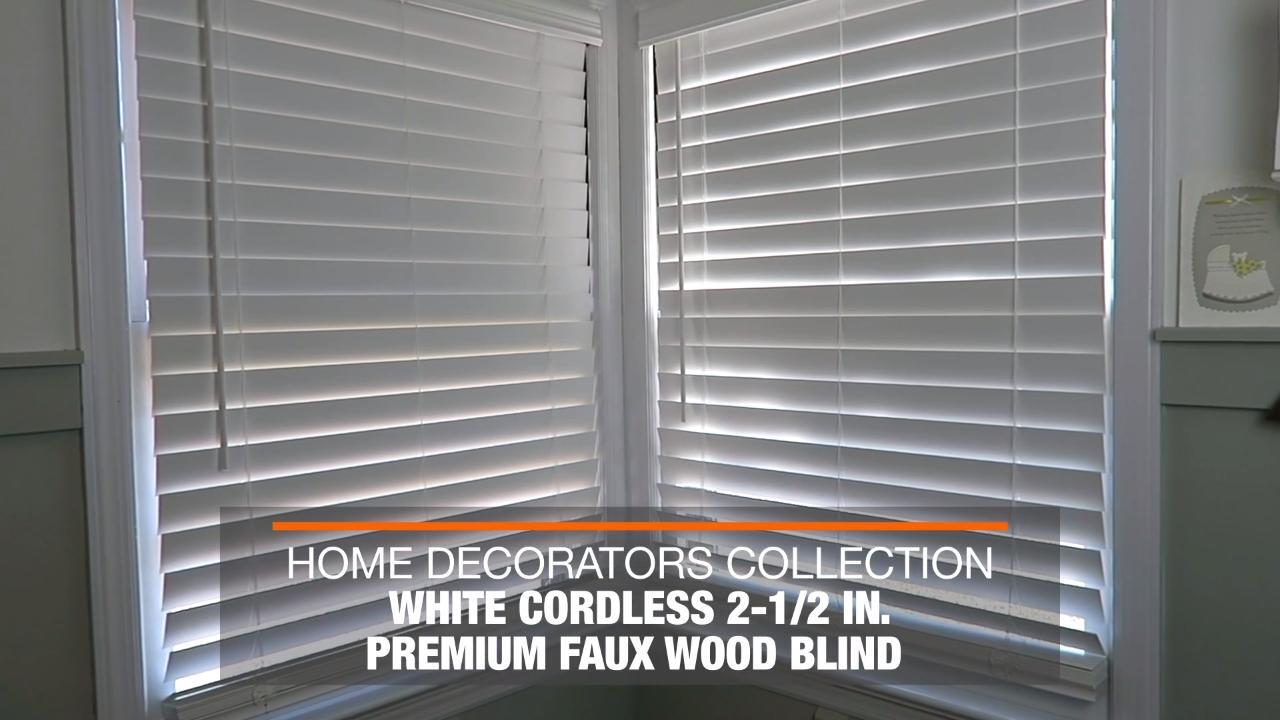
Credit: www.homedepot.com
Cost Comparison
Choosing between 1 inch and 2 inch blinds often comes down to cost. Understanding the price differences helps you make a smart choice. It also lets you see what fits your budget and needs best.
Cost is not just about the initial price. Think about how much value and durability you get from each option. This section breaks down the cost factors clearly.
Price Differences
1 inch blinds usually cost less upfront than 2 inch blinds. The smaller slats require less material and simpler manufacturing. This lowers the price per blind.
2 inch blinds tend to be pricier because they use more material. Their wider slats also need stronger hardware to support the weight. This adds to the cost.
The price gap varies by brand and style. Still, expect to pay about 10% to 30% more for 2 inch blinds.
Value For Money
1 inch blinds offer good value for small windows or tight spaces. They provide a neat, delicate look. Their cost suits tighter budgets.
2 inch blinds give better light control and durability. Their wider slats block light more effectively. This can save money on heating and cooling.
Choosing based on room needs helps you get the best value. Sometimes spending a bit more upfront pays off later.
Long-term Investment
Durability matters for long-term savings. 2 inch blinds often last longer because of their sturdy design. They handle wear and tear better.
1 inch blinds may need replacing sooner in busy areas. Their thinner slats can bend or break more easily.
Think about how long you want your blinds to last. Spending more now might reduce future costs.
Style And Design Options
Choosing between 1 inch and 2 inch blinds affects more than just size. Style and design options also play a big role. Both types offer a variety of looks to fit different tastes and rooms. Understanding these options helps pick the best blinds for your space.
Color Choices
Both 1 inch and 2 inch blinds come in many colors. Light shades create a bright, airy feel. Dark colors add depth and drama. Neutral tones blend well with most decors. Bold colors make a strong style statement. The variety allows easy matching with walls and furniture.
Texture And Finish
Blinds offer smooth or textured finishes. Matte finishes reduce glare and look soft. Glossy finishes reflect light and add shine. Wood blinds show natural grain and warmth. Faux wood blinds mimic wood but resist moisture. Fabric blinds feel soft and cozy. Choices affect the room’s mood and comfort.
Matching Interior Themes
1 inch blinds suit modern and minimalist rooms well. Their slim look fits small or narrow windows. 2 inch blinds match traditional and rustic styles better. They create a bold, sturdy appearance. Both styles work with casual or formal rooms. Choose blinds that blend with your furniture and decor style.
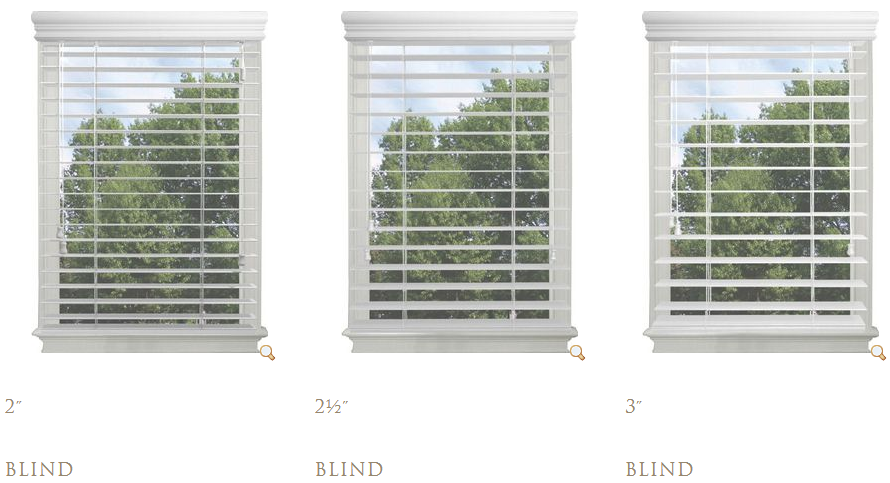
Credit: www.chiproducts.com
Energy Efficiency And Light Management
Energy efficiency and light management are key factors in choosing between 1 inch and 2 inch blinds. Both types affect how much heat stays inside and how light enters a room. Understanding these differences helps pick blinds that fit your home’s comfort and style needs.
Heat Insulation
Blinds help keep heat out in summer and inside during winter. The thickness of the slats plays a role. Two-inch blinds usually provide better insulation. Their wider slats cover more window space. This reduces heat loss and gain. One-inch blinds offer less coverage but still help with basic insulation.
Uv Protection
UV rays can fade furniture and floors. Blinds block some of these harmful rays. Two-inch blinds offer stronger UV protection. Their wider slats block more sunlight from entering. One-inch blinds let in more light, which means more UV exposure. Choose the right blinds to protect your interiors.
Light Filtering Capabilities
Control over light is important for comfort and privacy. Two-inch blinds allow better light control because their larger slats adjust more easily. One-inch blinds create a softer light effect but may let more light through gaps. Both types can filter light, but two-inch blinds give more precise control.
Frequently Asked Questions
What Are The Main Differences Between 1 Inch And 2 Inch Blinds?
1 inch blinds have narrower slats, offering a sleek look, while 2 inch blinds have wider slats for better light control. The size affects style, privacy, and ease of cleaning.
Which Blinds Offer Better Light Control: 1 Inch Or 2 Inch?
2 inch blinds provide better light control due to wider slats that block or let in more light. 1 inch blinds allow softer, more diffused light.
Are 1 Inch Blinds Easier To Clean Than 2 Inch Blinds?
1 inch blinds are slightly harder to clean because of their narrow slats. Wider 2 inch slats are easier to wipe and dust.
Which Blind Size Is Best For Small Windows?
1 inch blinds suit small windows well, as their slim slats look neat and less overwhelming. 2 inch blinds may look bulky on small windows.
Do 2 Inch Blinds Offer More Privacy Than 1 Inch Blinds?
Yes, 2 inch blinds provide more privacy because their wider slats cover windows better when closed. 1 inch blinds have more gaps.
Which Blinds Style Fits Modern Home Decor Better?
1 inch blinds tend to fit modern and minimalist decor due to their slim profile. 2 inch blinds suit traditional or rustic styles more.
Are 1 Inch Blinds More Affordable Than 2 Inch Blinds?
Generally, 1 inch blinds can be less expensive because they use less material. Pricing varies by brand, material, and features.
Conclusion
Choosing between 1 inch and 2 inch blinds depends on your space and style. Smaller blinds fit well in compact rooms. Larger blinds offer better light control and a modern look. Think about how much light you want and the room’s size.
Both types can improve your home’s comfort and appearance. Take your time to pick what feels right for you. Simple choices can make a big difference in your space.