
When it comes to protecting your plumbing system, understanding the difference between an anti siphon valve and a vacuum breaker is crucial. You might think they do the same job, but choosing the right one can save you from costly repairs and water contamination.
You’ll discover how each device works, why they matter for your home or business, and which one fits your needs best. Keep reading to make sure your water stays safe and your system runs smoothly.
What Is An Anti Siphon Valve
An anti siphon valve is a device used in irrigation systems. It stops water from flowing backward. This backward flow can cause contamination of the clean water supply. The valve makes sure water only moves in one direction. It prevents harmful chemicals or dirt from entering the main water line.
Design And Function
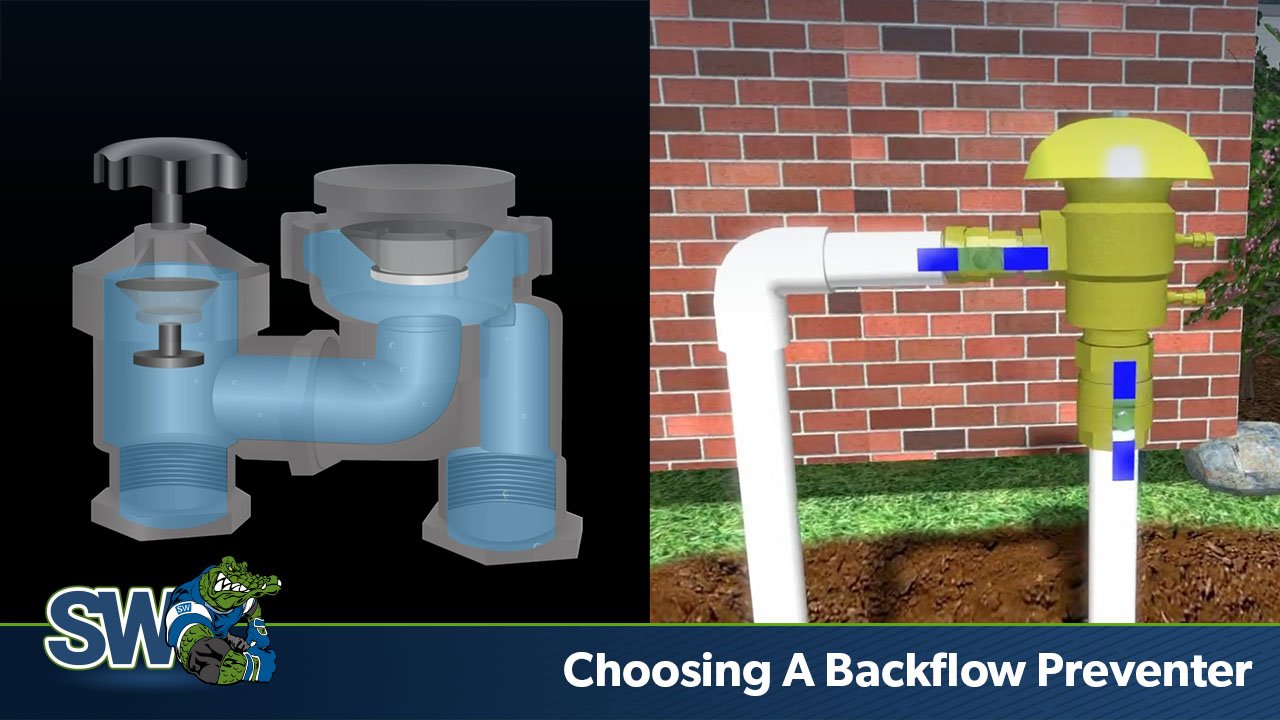
The anti siphon valve has a built-in vacuum breaker. This part stops water from being sucked back. It opens to let air in if pressure drops. This breaks the siphon effect. The valve also controls water flow like a regular valve. It closes automatically when the water stops.
Common Applications
Anti siphon valves are common in garden irrigation. They protect home water supplies from lawn chemicals. They are also used in sprinkler systems. These valves are found in residential and light commercial setups. They help keep water safe and clean.
Advantages And Limitations
Anti siphon valves are easy to install and maintain. They provide reliable protection against backflow. These valves are cost-effective for small systems. They must be installed above ground level. They are not suitable for underground or high-pressure systems. Regular checks are needed to ensure they work properly.

Credit: www.youtube.com
What Is A Vacuum Breaker
A vacuum breaker is a simple device that stops water from flowing backward. It protects clean water from contamination by stopping dirty water from siphoning back. This device is important in plumbing systems to keep water safe and clean.
Vacuum breakers work by allowing air to enter the pipe if the water flow stops suddenly. This breaks the vacuum and stops backflow. They are easy to install and need little maintenance.
Design And Function
A vacuum breaker has a small valve or air inlet. When water flows normally, the valve stays closed. If water flow stops, the valve opens to let air in. This air breaks the suction or vacuum in the pipe.
This simple action prevents water from being pulled backward. It keeps the water supply clean and safe.
Common Applications
Vacuum breakers are used in irrigation systems to stop dirty water from flowing back. They are also found in outdoor faucets and hose bibs. Many commercial and residential buildings use them to protect water lines.
They are common in places where water could be contaminated by chemicals or dirt.
Advantages And Limitations
Vacuum breakers are easy to install and low cost. They work without electricity or complex parts. They need little maintenance and last long.
They cannot stop all types of backflow, like high pressure backflow. They work best with low hazard situations. Some types cannot be used where water pressure changes often.
Key Differences Between Anti Siphon Valve And Vacuum Breaker
Understanding the key differences between an anti siphon valve and a vacuum breaker helps in choosing the right device. Both devices prevent backflow, but they work differently. This affects where and how they are used in plumbing systems. Knowing their differences improves safety and water quality.
Operational Mechanisms
An anti siphon valve stops water from flowing backward by creating a break in the water flow. It uses a built-in air gap to stop siphoning. This valve works automatically when water flow stops.
A vacuum breaker allows air to enter the system, breaking any vacuum that could cause backflow. It opens a small valve to let air in when water pressure drops. This prevents water from being sucked back into the main supply.
Installation Requirements
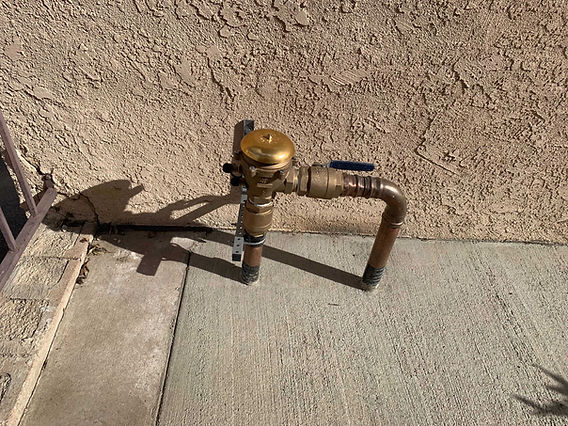
Anti siphon valves must be installed above the highest water outlet. This prevents water from flowing back into the supply. They usually connect directly to irrigation systems or outdoor faucets.
Vacuum breakers can be installed at various points in the plumbing system. They often attach near hose bibs or sprinkler heads. Placement depends on the risk of back-siphoning in the system.
Maintenance Needs
Anti siphon valves require regular checks to ensure the air gap is clear. Dirt or debris can block the valve, reducing effectiveness. Cleaning or replacing parts may be needed.
Vacuum breakers need less maintenance but should be inspected for leaks or damage. Over time, seals can wear out and cause failure. Replacing worn parts keeps the system safe and functioning.
Credit: www.atlasbackflow.com
Protection Against Backflow Contamination
Protection against backflow contamination is vital for safe water systems. Backflow occurs when water flows backward into the clean water supply. This can bring harmful substances into the drinking water. Devices like anti siphon valves and vacuum breakers help stop this problem. Each has a unique way to keep water safe.
Understanding how these devices work helps in choosing the right one. Both prevent backflow but suit different situations. Knowing their strengths ensures water stays clean and safe.
How Each Device Prevents Backflow
An anti siphon valve stops water from being pulled backward through the system. It has a built-in air gap that breaks any suction. This prevents dirty water from entering the clean water line. The valve opens only when water flows forward.
A vacuum breaker works by letting air into the pipe when negative pressure occurs. This air breaks the vacuum that could pull contaminants back. It is often used with irrigation systems and outdoor faucets. It does not allow water to flow backward.
Effectiveness In Various Scenarios
Anti siphon valves are best for systems under constant pressure. They work well in lawn irrigation and drip systems. These valves also handle small debris better.
Vacuum breakers perform well in systems with intermittent pressure changes. They are common in outdoor faucets and hose connections. These devices are simple and reliable in many home settings.
Choosing the right device depends on water pressure and system design. Both help keep water safe and clean from backflow contamination.
Choosing The Right Device For Your System
Choosing the right device for your system is important to keep water safe and avoid damage. Both anti siphon valves and vacuum breakers stop unwanted backflow. Each device works differently and fits different needs. Knowing the differences helps you pick the best one.
System Compatibility
Check your system type before choosing a device. Anti siphon valves work well with irrigation systems. They prevent water from flowing backward into the main supply. Vacuum breakers fit systems with higher pressure. They stop air from entering pipes and causing contamination. Match the device to your system’s design and water pressure.
Cost Considerations
Costs vary between anti siphon valves and vacuum breakers. Anti siphon valves often cost more because they have more parts. Vacuum breakers are usually simpler and cheaper. Consider long-term costs like maintenance and repairs. Choose a device that fits your budget but still protects your water.
Local Regulations And Codes
Follow local rules when selecting a backflow prevention device. Some areas require specific types for safety reasons. Check plumbing codes and water authority guidelines. Using the correct device avoids fines and ensures safe water. Stay informed to keep your system legal and secure.
Credit: school.sprinklerwarehouse.com
Common Issues And Troubleshooting
Both anti siphon valves and vacuum breakers help prevent backflow in plumbing. They stop dirty water from flowing back into clean water supplies. These devices face common problems that affect their performance. Knowing these issues helps keep your water safe. Troubleshooting can save time and money.
Signs Of Failure
Leaks near the valve or breaker show a problem. Water flowing backward or slow drainage can signal failure. Strange noises during water flow also indicate an issue. A valve or breaker stuck open or closed needs attention. Water pressure changes may mean the device is blocked.
Maintenance Tips
Clean valves and breakers regularly to avoid dirt buildup. Check for cracks or damage on the device surface. Replace worn-out washers and seals for proper function. Test the device periodically to ensure it works well. Use only manufacturer-approved parts for repairs.
When To Replace
Replace if leaks do not stop after maintenance. If the device is cracked, broken, or corroded, change it. Frequent failures suggest the valve or breaker is old. Upgrade to a newer model for better protection. Always follow local plumbing codes for replacements.
Installation Best Practices
Installing an anti siphon valve or a vacuum breaker properly ensures your water system stays safe and efficient. Correct installation prevents backflow and protects your water supply from contamination. Following best practices helps avoid leaks, damage, and costly repairs.
Proper Positioning
Place the valve above the highest water point in the system. This stops water from flowing backward into the main supply. Avoid installing the valve too close to the faucet or sprinkler head. Leave some space for maintenance and inspection. Position the valve where it is easy to reach and see.
Avoiding Common Mistakes
Do not install the valve upside down or sideways. Check the flow direction marked on the valve before fitting it. Avoid using old or damaged parts during installation. Tighten connections but do not overtighten them. Over-tightening can crack the valve or pipes. Ensure the valve is not exposed to freezing temperatures.
Professional Vs Diy Installation
DIY installation saves money but requires careful attention to detail. Read instructions and use the right tools. Incorrect installation can cause leaks or system failure. A professional plumber has experience and tools for a secure fit. Professionals can inspect your system for other issues. Choose a professional if unsure about the installation process.
Real-world Examples And Case Studies
Understanding the difference between an anti siphon valve and a vacuum breaker becomes clearer through real-world examples. These devices protect water systems from contamination. Each has unique benefits depending on the setting. Below are practical cases showing how they perform in different environments.
Residential Applications
In homes, anti siphon valves prevent garden irrigation systems from pulling dirty water back into clean water lines. They are often installed on sprinkler heads. This stops chemicals or fertilizers from contaminating drinking water.
Vacuum breakers appear on outdoor faucets and hose bibs. They stop water from flowing backward if pressure drops. This simple device protects homes from potential health risks caused by water backflow.
Commercial Applications
Businesses use both devices to maintain safe water supplies. Anti siphon valves are common in large irrigation systems for parks and golf courses. They ensure no polluted water returns to the main supply.
Vacuum breakers are found in commercial kitchens and hospitals. They prevent cross-contamination by stopping backflow during pressure changes. These devices are crucial in places with strict hygiene rules.
Lessons Learned
Choosing the right device depends on water system complexity and risk level. Anti siphon valves work best where backflow could carry harmful substances. Vacuum breakers are suitable for simpler systems needing basic protection.
Proper installation and maintenance ensure both devices work correctly. Neglect can lead to costly repairs and health hazards. Regular checks and timely replacements protect water quality effectively.
Frequently Asked Questions
What Is The Main Function Of An Anti Siphon Valve?
An anti siphon valve stops water from flowing backward into the main supply. It protects drinking water from contamination. This valve is common in irrigation systems.
How Does A Vacuum Breaker Prevent Backflow?
A vacuum breaker lets air into pipes to stop water from being sucked back. It keeps water moving in the right direction. This helps avoid pollution of clean water.
What Are The Key Differences Between Anti Siphon Valves And Vacuum Breakers?
Anti siphon valves block backward flow using a valve mechanism. Vacuum breakers allow air to enter to stop backflow. Their designs and uses differ in plumbing and irrigation.
Where Are Anti Siphon Valves Typically Used?
Anti siphon valves are mostly found in garden irrigation systems. They prevent dirty water from re-entering the clean water supply. These valves are easy to install outdoors.
Can Vacuum Breakers Be Used Indoors?
Yes, vacuum breakers are often used inside buildings. They protect water supplies in toilets and sinks. They are small and fit into plumbing systems easily.
Which Device Is Better For Preventing Water Contamination?
Both devices stop water contamination but work differently. Anti siphon valves are better for outdoor irrigation. Vacuum breakers work well in indoor plumbing.
How Do Maintenance Needs Differ For Anti Siphon Valves And Vacuum Breakers?
Anti siphon valves need regular cleaning to avoid clogging. Vacuum breakers require less maintenance but should be checked yearly. Proper care ensures both work well.
Conclusion
Choosing between an anti siphon valve and a vacuum breaker depends on your needs. Both stop water from flowing backward, protecting your system. An anti siphon valve prevents siphoning, while a vacuum breaker stops vacuum pressure. Each has its best use in plumbing or irrigation.
Understand your system’s risks and pick the right device. This choice helps keep water clean and safe. Keep your setup working well with the proper valve. Simple steps lead to smart protection.