
When it comes to air fittings, choosing the right type can make a huge difference in how well your equipment performs. You might think all air fittings are the same, but industrial and automotive fittings have important differences that affect safety, efficiency, and durability.
If you want to avoid costly mistakes and keep your systems running smoothly, understanding these differences is key. This guide will help you spot the distinctions and pick the perfect air fittings for your needs. Keep reading to make smarter, more confident decisions for your air systems.
Types Of Air Fittings
Air fittings connect hoses, tubes, and pipes in systems that use compressed air. They come in different shapes and sizes. Each type serves a specific purpose. Industrial and automotive air fittings have distinct designs. Understanding these types helps choose the right fitting for the job.
Industrial air fittings handle high pressure and tough conditions. Automotive air fittings focus on flexibility and quick connections. Both types must ensure airtight seals to avoid leaks. Below, common types of fittings for each sector are explained.
Common Industrial Air Fittings
Industrial air fittings include couplers, plugs, and elbows. Couplers connect two hoses securely. Plugs fit into couplers to stop airflow. Elbows change the air direction without kinking hoses. Tees split air flow into two paths. Industrial fittings often use metal for strength. They must resist heat, pressure, and chemicals.
Popular Automotive Air Fittings
Automotive air fittings focus on speed and ease. Quick-connect fittings allow fast hose changes. Push-to-connect fittings simplify installation and removal. Barbed fittings grip flexible tubing tightly. Automotive fittings often use plastic or lightweight metals. They fit small spaces and handle lower pressure. These fittings help mechanics work quickly and safely.
Material And Durability
Material and durability play a key role in the performance of air fittings. These factors decide how well fittings hold up under pressure and tough conditions. Choosing the right material ensures longer life and fewer leaks. Different industries have different needs for strength and flexibility in their fittings.
Materials Used In Industrial Fittings
Industrial air fittings often use brass, stainless steel, and aluminum. Brass is popular for its corrosion resistance and strength. Stainless steel fits high-pressure and harsh environments. Aluminum is lightweight and resists rust but suits lower pressure systems. These materials help fittings last in factories and heavy machines.
Materials Used In Automotive Fittings
Automotive fittings mainly use steel, plastic, and sometimes brass. Steel is strong and handles vibrations well. Plastic is cheaper and lighter but less durable. Brass appears in some brake and fuel lines for its sealing ability. These materials must withstand heat, oil, and constant movement in vehicles.
Resistance To Wear And Tear
Industrial fittings face constant pressure and chemical exposure. Their materials resist corrosion, cracking, and deformation. Automotive fittings deal with heat, friction, and road shocks. Steel and brass offer good wear resistance here. Plastic fittings wear faster but work for less demanding tasks. Durable materials reduce maintenance and improve safety.
Design And Size Variations
Design and size play a big role in choosing air fittings for industrial and automotive uses. Each sector needs fittings that fit perfectly and work well under different conditions. Understanding these variations helps in selecting the right fitting for the right job. This section explains the key differences in design and size between industrial and automotive air fittings.
Standard Sizes In Industrial Fittings
Industrial air fittings follow set standards to fit many machines and systems. Common sizes include 1/4 inch, 3/8 inch, and 1/2 inch. These sizes suit heavy-duty tools and large air compressors. Standard sizes make it easy to replace or connect parts quickly. Consistency in size also supports high air pressure and volume in factories.
Size Requirements In Automotive Fittings
Automotive air fittings are usually smaller and more compact. Typical sizes are around 1/8 inch to 3/8 inch. Cars need fittings that fit tight spaces under the hood. Smaller sizes help avoid leaks and ensure quick air flow to brakes and suspension systems. These fittings must handle vibrations and temperature changes well.
Impact Of Design On Performance
Design affects how well air fittings work in real conditions. Industrial fittings often have thicker walls and stronger materials. This helps them resist wear and tear. Automotive fittings focus on lightweight and flexible designs. They must connect easily and stay sealed during movement. Good design improves air flow, reduces leaks, and boosts safety in both fields.
Credit: www.lumberjocks.com
Pressure And Temperature Ratings
Pressure and temperature ratings are key factors in choosing the right air fittings. These ratings tell you how much force and heat the fittings can handle safely. Using fittings beyond these limits can cause leaks or failures. Both industrial and automotive fittings have specific ratings designed for their unique needs. Understanding these limits helps ensure safety and efficiency in different applications.
Industrial Fittings Pressure Capacities
Industrial air fittings often face high-pressure environments. Their pressure ratings usually range from 150 to 300 psi or more. Heavy machinery and manufacturing tools need these strong fittings. The materials used, like steel or brass, help withstand high pressure. These fittings must maintain tight seals to avoid air loss. Safety standards require them to handle pressure surges without damage.
Automotive Fittings Pressure Limits
Automotive air fittings generally operate at lower pressures than industrial ones. Their ratings usually fall between 50 and 150 psi. Car air systems, like brakes or suspension, use these fittings. They need to be reliable but handle less force. Many automotive fittings are made from lighter materials like aluminum or plastic. These materials balance strength and weight for vehicle efficiency.
Temperature Range Considerations
Temperature ratings show the heat levels fittings can tolerate. Industrial fittings often face hot environments and can handle temperatures from -40°F to 250°F. This range suits factories and outdoor sites. Automotive fittings usually have a narrower temperature range. They handle roughly -20°F to 200°F, matching engine and weather conditions. Choosing fittings with the correct temperature rating prevents damage and keeps systems working well.
Installation And Compatibility
Installation and compatibility are key factors in choosing the right air fittings. The process and fit differ between industrial and automotive uses. Understanding these differences helps ensure better performance and safety.
Ease Of Installation In Industrial Settings
Industrial air fittings often use standardized sizes. This makes installation faster and simpler. Workers can connect fittings without special tools. The systems are designed for quick repairs and replacements. Large factories benefit from this efficiency. The fittings also handle high pressure well. This reduces leaks and downtime.
Automotive Fitting Installation Challenges
Automotive air fittings are smaller and more complex. They require precise alignment during installation. Space in vehicles is limited, making access tough. Mechanics must use specific tools for tight spaces. Incorrect installation can cause air leaks or system failure. Careful attention to detail is necessary to avoid issues.
Compatibility With Different Systems
Industrial fittings must match a wide range of pipe sizes. They connect with various machines and tools. Compatibility is essential for smooth operation. Automotive fittings need to fit unique vehicle systems. Different car models may use different fitting types. Choosing the right fitting avoids costly replacements. Proper matching improves system efficiency and lifespan.
Cost And Maintenance
Cost and maintenance play a big role in choosing air fittings for industrial or automotive use. Both types serve different purposes and come with distinct expenses and care routines. Understanding these factors helps in picking the right fitting for your needs.
Price Differences
Industrial air fittings usually cost more than automotive ones. They are built to handle higher pressures and tougher conditions. This makes their materials and designs more expensive. Automotive fittings are cheaper because they work under lower pressure and simpler conditions. The price gap reflects the durability and strength required for each use.
Maintenance Needs For Industrial Fittings
Industrial fittings need regular checks to avoid leaks and failures. Dirt and debris can cause damage if not cleaned. These fittings often require lubrication to keep seals tight. Frequent inspection is important to prevent costly breakdowns. Maintenance can take more time due to the complexity of industrial systems.
Maintenance Needs For Automotive Fittings
Automotive fittings require less frequent maintenance than industrial ones. They usually need a quick visual check and occasional cleaning. The lower pressure means less wear on seals and joints. Still, ignoring maintenance can lead to leaks and poor performance. Basic care helps keep automotive fittings reliable and long-lasting.
Safety And Regulatory Standards
Safety and regulatory standards guide the design and use of air fittings. These rules protect workers and ensure equipment works well. Both industrial and automotive air fittings follow strict safety guidelines. Each industry has its own set of rules based on risks and environments. Understanding these standards helps choose the right air fittings for each task.
Industrial Compliance Requirements
Industrial air fittings must meet standards set by organizations like OSHA and ANSI. These rules focus on pressure limits, material strength, and leak prevention. Industrial fittings often handle high pressure and harsh conditions. Compliance ensures fittings do not fail and cause accidents. Regular inspections and certifications verify these fittings remain safe over time.
Automotive Safety Standards
Automotive air fittings follow standards from bodies like SAE and ISO. These focus on vibration resistance, temperature changes, and chemical exposure. Automotive fittings must fit tightly to avoid leaks on moving parts. Safety rules also cover easy disconnection to protect technicians. These standards help prevent failures on roads and in repair shops.
Impact On Usage And Performance
Safety rules affect how air fittings perform in real life. Industrial fittings prioritize durability and pressure resistance. Automotive fittings focus on flexibility and quick connections. Choosing fittings without proper standards can lead to leaks or breaks. Meeting safety and regulatory standards improves reliability and protects users.

Credit: longweiairtools.com
Applications And Use Cases
Air fittings are essential in many industries and vehicles. They connect hoses and tubes to control air flow. Different environments need different fittings. Understanding their applications helps choose the right type.
Typical Industrial Environments
Factories and plants often use air fittings. These fittings handle compressed air for tools and machines. They must resist dust, oil, and vibrations. Common spots include assembly lines and packaging stations. Heavy-duty materials are preferred for durability. Safety and efficiency depend on proper fitting choice.
Common Automotive Applications
In vehicles, air fittings manage air brakes and suspension systems. They also connect air tools in repair shops. Automotive fittings need to handle heat and movement. Small leaks can cause big problems. They must be easy to install and replace. Reliable fittings keep vehicles running smoothly.
Choosing The Right Fitting For The Job
Select fittings based on pressure and environment. Check compatibility with hose size and type. Look for corrosion resistance in harsh conditions. Consider ease of connection and disconnection. Proper fittings reduce maintenance and downtime. Always match fittings to specific needs for best results.
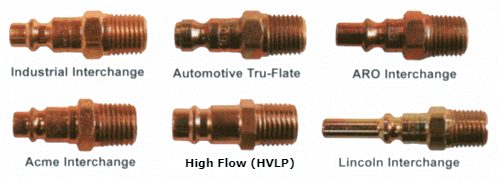
Credit: fittingsandadapters.com
Frequently Asked Questions
What Are The Main Differences Between Industrial And Automotive Air Fittings?
Industrial air fittings are designed for heavy-duty use and higher pressure. Automotive fittings focus on quick connection and flexibility for vehicles.
Which Materials Are Commonly Used In Industrial Air Fittings?
Industrial fittings often use brass, steel, or stainless steel for strength. These materials resist corrosion and wear in tough environments.
Why Do Automotive Air Fittings Need To Be More Flexible?
Vehicles require fittings that can handle vibration and movement. Flexibility helps prevent leaks and fitting damage while driving.
Can Industrial Air Fittings Be Used In Automotive Applications?
Industrial fittings can work in some automotive cases but may be too bulky. Automotive fittings are usually better suited for vehicle needs.
How Does Pressure Rating Differ Between Industrial And Automotive Fittings?
Industrial fittings handle higher pressures, often over 300 PSI. Automotive fittings usually operate at lower pressures around 100-150 PSI.
What Types Of Connections Are Common In Automotive Air Fittings?
Quick-connect and push-to-connect types are popular in automotive fittings. They allow fast and easy hose changes without tools.
How Do I Choose The Right Air Fitting For My Application?
Consider pressure needs, environment, and connection type. Match the fitting to your machine or vehicle requirements for best results.
Conclusion
Choosing the right air fittings depends on your specific needs. Industrial fittings handle higher pressure and larger systems. Automotive fittings fit smaller, fast-moving parts and tight spaces. Both types ensure safe and efficient air flow. Know your equipment and environment before picking fittings.
Proper choice saves time and prevents leaks or damage. Understanding these basics helps you maintain good performance. Keep your system running smooth with the right fittings. Simple but smart decisions matter most.