
To fix a bike tire valve, tighten a loose valve core or clean away trapped dirt from the seal to stop escaping air. A loose internal core causes most leaks on modern tires. If your valve stem has torn away from the rubber tube, the part can’t be repaired.
Causes of bike tire valve leaks
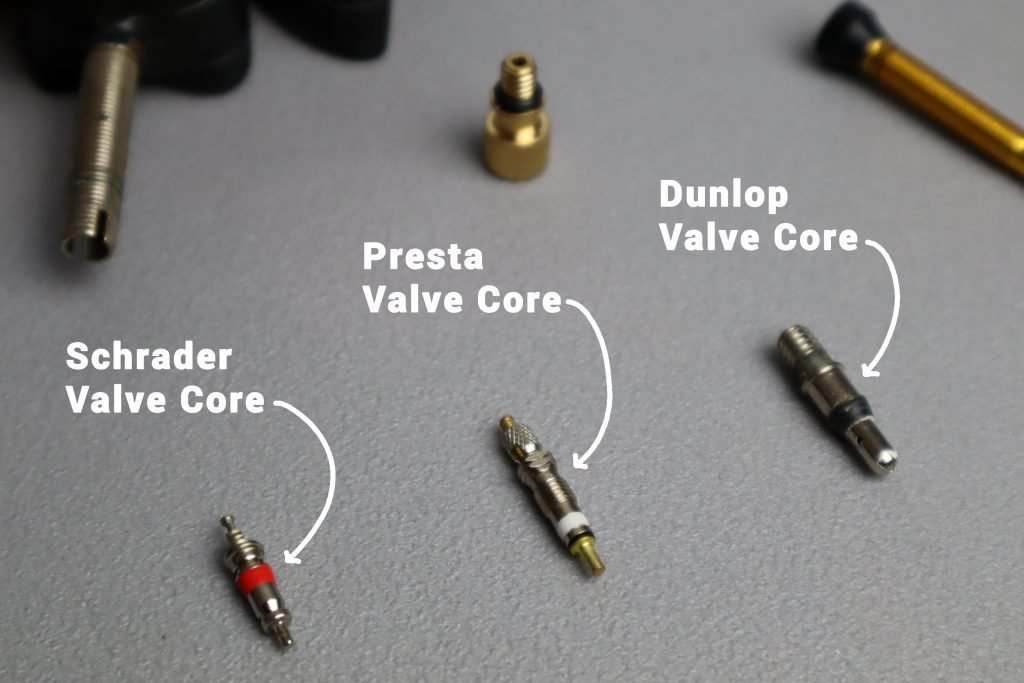
Bicycle valves leak for three main reasons: loose parts, road debris, or torn rubber. A Schraeder valve (common on hybrid and mountain bikes) uses a spring-loaded pin, while a Presta valve (found on road bikes) uses a threaded brass tip. Both styles rely on a tiny threaded core sitting tight inside the metal stem. Normal road vibration slowly loosens this core over time.
Dirt and grit also cause problems. Riding without a cap lets sand wedge into the rubber seal, holding it slightly open. Finally, low tire pressure makes the tire slip along the rim during hard braking. This motion pulls the metal stem sideways, cutting the rubber base. This varies by model — check the label on your inner tube or rim for maximum air limits.
Tighten the loose valve core
This quick fix is for valves that hiss immediately after you take the pump off. If you have a Presta valve with flat sides on its upper threads, screw it clockwise with a valve core tool or small pliers. Schraeder valves use a two-pronged tool inserted straight into the stem.
Turn the core clockwise until it stops turning with light finger pressure. Don’t force it, because overtightening strips the fine brass threads. Wet your fingertip with water, touch the open valve, and watch for escaping bubbles. If no bubbles appear, you solved the problem. However, this isn’t for riders whose valve stems are bent sideways or cracked at the wheel rim.
Flush debris from the seal
This step is for valves that leak slowly over several days despite being tightened. Road grime often settles right on the inner rubber seal. To clear it, press the valve pin briefly using your fingernail or a small key to release two or three quick blasts of air.
This rushing air blows out trapped dust. Screw a clean valve cap on immediately afterward to keep grit out. If air keeps hissing out, you must swap the dirty core for an identical new one. The trade-off is clear: buying a multi-pack of replacement cores takes an extra trip to a bike shop, but it saves you the work of removing the entire wheel.
Replace the tube or stem assembly
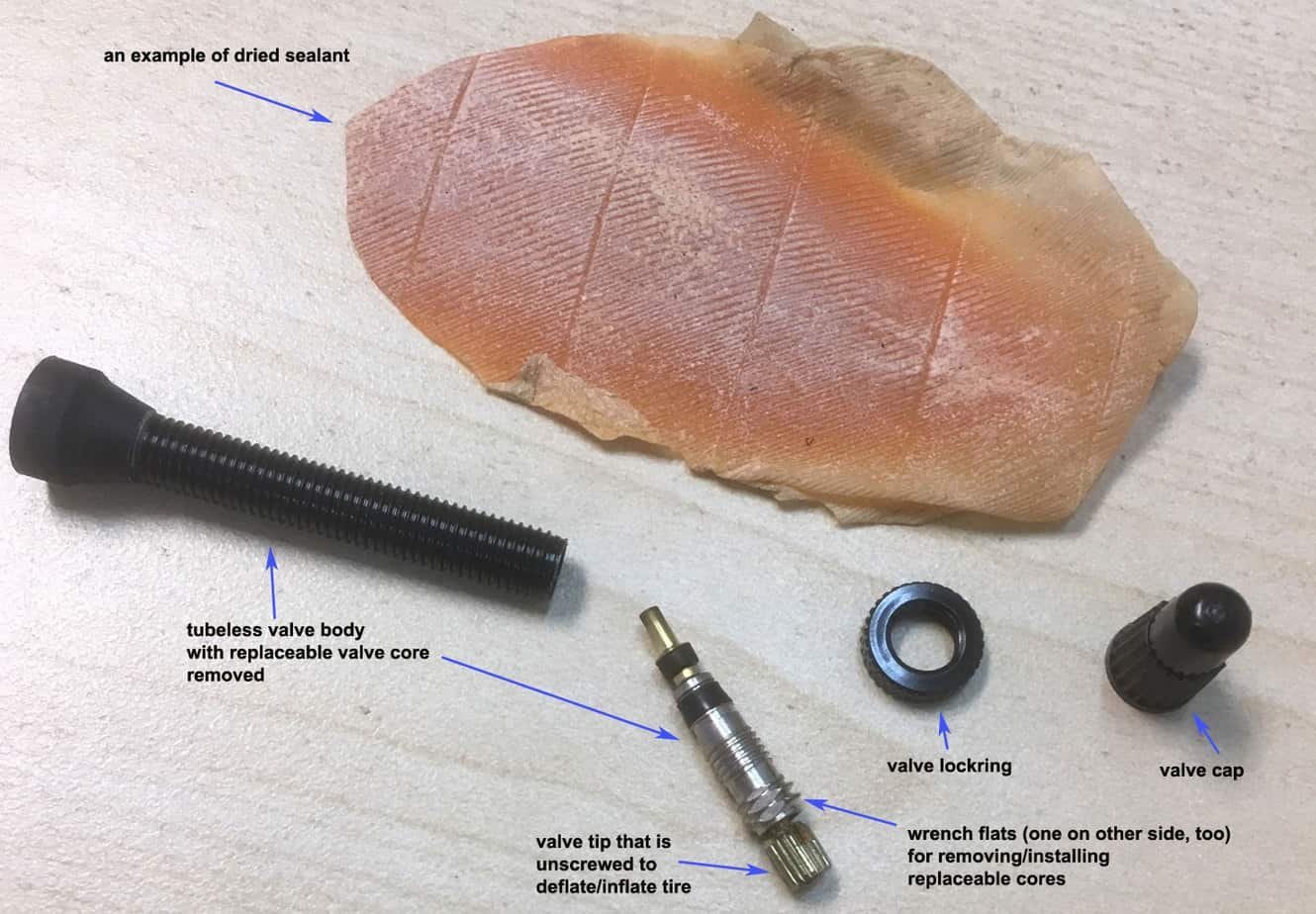
This fix is for cracked rubber bases or tubeless wheels with torn base grommets. When a valve stem tears at the rim joint, glue and patches won’t hold the air pressure safely.
For standard tube setups, unseat the tire and install a brand-new inner tube. If you run tubeless tires, remove the tire bead, unscrew the outer locknut, and install an entirely new tubeless valve stem with fresh rubber seals. If you aren’t comfortable reseating a tight road tire bead, let your local bike shop technician handle it.
What not to do
- Never use heavy pliers to tighten the tiny brass locknut on a Presta valve; you’ll snap the thin threaded rod instantly.
- Don’t inject superglue or liquid sealants directly into the stem opening to plug a leak, because it glues the moving pin shut permanently.
- Never ride with a completely flat tire to the repair shop, which pinches the valve stem against the metal rim hole and ruins both the tube and the wheel rim.
How to stop it happening again
Proper wheel care stops valve failure before your tire loses pressure on the road.
| If you’re doing this | Do this instead | Why |
|---|---|---|
| Leaving valve caps off | Screw plastic caps on every stem | Caps keep street dust and grit out of the seal |
| Pushing pump heads at an angle | Press pump heads on straight and firm | Side pressure bends thin brass Presta pins |
| Riding on soft tires | Pump tires to the recommended pressure before every ride | Low pressure lets the tire slip and tear the valve base |
| Over-tightening rim locknuts | Thread rim nuts finger-tight only | Wrenching them down pulls the rubber valve base into rim holes |
Frequently asked questions
Can a leaking bike valve be repaired without tools?
Yes, if the pin is stuck open by dirt. Depress the center pin a few times with a stick or key to clear the debris. If the inner core has backed out loose, you’ll need a small core tool or pliers to screw it back down.
Why does my bike tire lose air only when riding?
Your valve stem moves when the wheel turns. Weight shifts cause a cracked valve base to flex and open tiny tears against the rim hole. If air stays in while parked but drops during a trip, replace the tube immediately to avoid a sudden blowout.
Is it safe to ride on a bent Presta valve?
Yes, as long as it still threads closed and seals air. If the thin brass rod bends, straighten it gently with your fingers. Don’t bend it repeatedly or it will snap off, leaving you unable to add air on your next ride.
How long does a bicycle valve core last?
Five years or more under normal conditions. The small rubber O-ring inside the core eventually dries out, cracks, or rots from liquid tire sealants. When the rubber hardens, the core fails to hold pressure and requires an inexpensive replacement.
What happens if I overtighten the valve core?
You’ll strip the soft brass threads inside the valve stem. Once these fine metal threads strip, the stem can never seal properly again. When this happens, you must replace the entire inner tube or the whole tubeless stem assembly.
Final Thoughts
Once you’ve finished the repair, give your tire a quick pump and listen closely for any hissing sounds. If the air stays inside, you’re ready to head out for a ride. Don’t forget to keep a spare tube in your bag, as it’ll save your day if you run into trouble again.
1 thought on “How to Fix a Bike Tire Valve: Simple Steps to Stop Leaks”