
Ever looked at your walls and seen unsightly bubbles or peeling paint? It’s frustrating, right?
You spent time and money making your home look beautiful, only for the paint to start failing. Don’t worry, you’re not alone. This common problem can be a real eyesore, but understanding why it happens is the first step to fixing it.
In this post, we’ll dive into the most common reasons your wall paint might be bubbling and peeling, so you can finally get the smooth, lasting finish you deserve.
The Unseen Culprits
Paint problems often happen for hidden reasons. You might not see the cause right away. These issues sneak up on your walls. They lead to ugly bubbles and peeling paint. Let’s uncover these silent saboteurs.
Moisture’s Silent Attack
Water is paint’s worst enemy. It seeps in slowly. This moisture gets behind the paint. It loosens the paint’s grip. Even small leaks cause big problems. Humidity is also a factor. Bathrooms and kitchens get damp. This dampness can lift paint. Check for any water sources. Fix them fast.
Heat’s Harsh Hand
Too much heat damages paint. Direct sunlight bakes walls. It dries paint too quickly. This can cause it to bubble. Extreme temperature changes hurt paint. They make it expand and contract. This stress makes paint crack. It then peels away. Consider shading sunny walls. Regulate indoor temperatures.
Surface Prep’s Crucial Role
A clean surface is vital. Dirt sticks to walls. Grease is also a problem. Paint does not stick well. It will bubble and peel later. Always clean walls first. Wash off any grime. Scrape off old, loose paint. A smooth surface helps paint stick. Proper prep prevents future issues.
Paint Quality Matters
Not all paint is the same. Cheap paint often fails. It has fewer binders. Binders hold paint together. Lower quality paint cracks. It does not last long. It is more likely to bubble. Use good quality paint. It adheres better. It resists damage longer. Invest in better paint.
Age And Wear
Paint does not last forever. It gets old. It wears down over time. Sunlight fades paint color. Daily life causes scuffs. These stresses weaken paint. Eventually, it starts to fail. Bubbles form. Paint begins to peel. Old paint needs refreshing. Repainting is the solution.
Credit: randalls.ca
Spotting The Signs
Wall paint bubbles and peels? This often signals moisture issues. Look for damp spots or peeling paint. These are clear signs of underlying problems.
Paint problems are obvious. You can see them. They often start small. Catching them early helps. It saves you work. It saves you money.The Tell-tale Bubbles
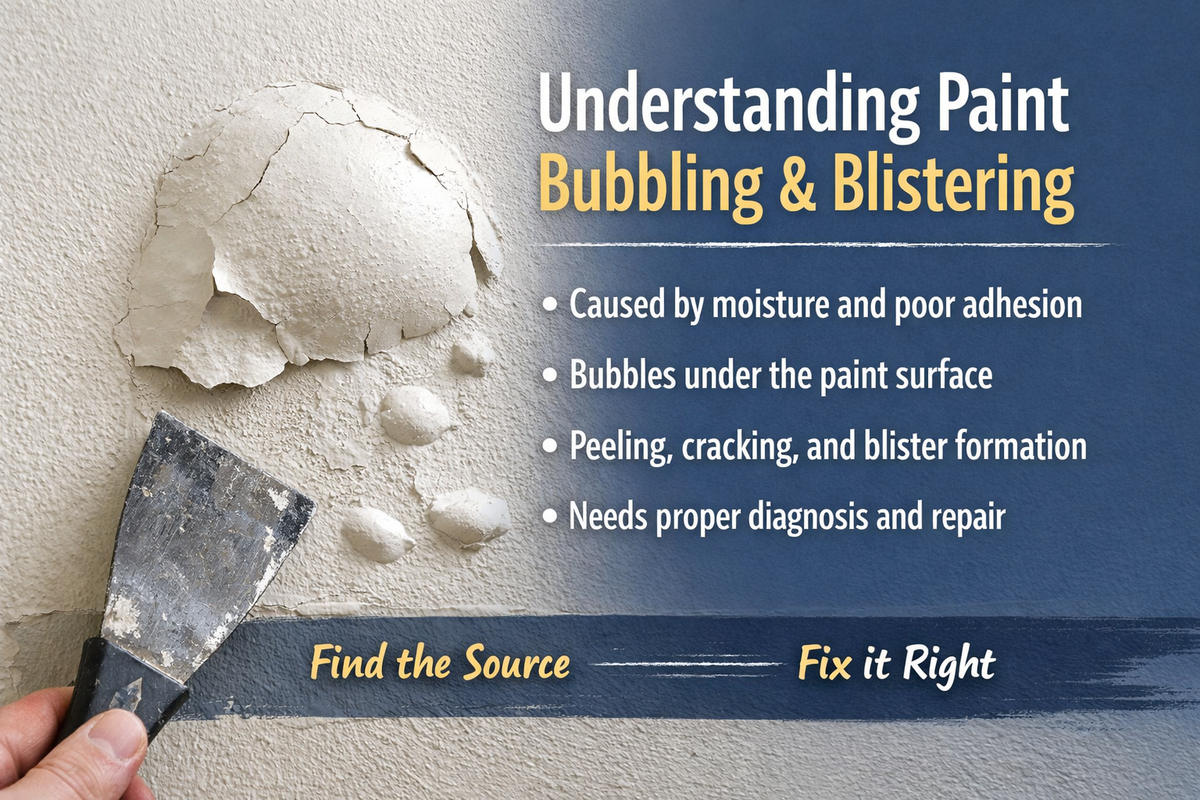
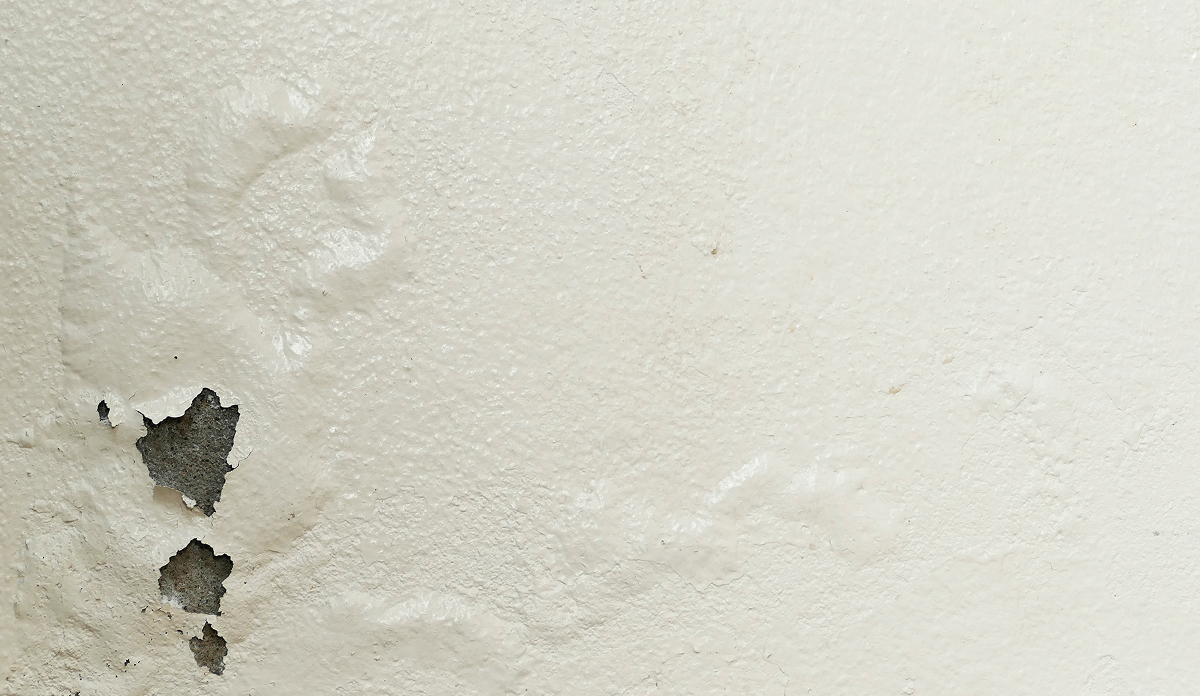
See small bumps? They look like blisters. This is trapped moisture. Or maybe trapped air. The paint lifts from the wall. It forms a bubble. These bubbles grow larger. They can pop. This leaves bare spots.Flaking And Peeling Edges
Paint edges curl up. They look like dry skin. This is peeling paint. It flakes off the wall. Small pieces break away. Large sections can fall. This exposes the primer. It might show the drywall.Discoloration Hints
Paint color changes. It looks dirty. It might turn yellow. Or it could turn brown. This is often moisture. Water stains appear. They seep through the paint. These are warning signs. They signal deeper issues.The Fix-it Arsenal
Wall paint bubbles and peels for many reasons. Moisture trapped behind the paint is a common culprit. Poor surface preparation also causes issues.
Bubbling and peeling paint is frustrating. But you can fix it. You just need the right tools. This section shows you how. Get ready to repair your walls.Gathering Your Tools
You need a few things. Get a putty knife. A scraper is also useful. You’ll need sandpaper. Fine-grit is best. A stiff brush helps too. Don’t forget cleaning supplies. Sponges and buckets are good. Mild soap works well. New paint is essential. Primer is also needed.Scraping Away The Damage
Start with the loose paint. Use your putty knife. Gently lift the peeling areas. Work slowly and carefully. Avoid digging into the wall. Remove all flaking paint. This creates a smooth surface. A scraper can help here. It removes larger sections.Cleaning The Canvas
Now the wall is bare. Wash it thoroughly. Use a damp sponge. Add a little mild soap. Wipe away dust and debris. Rinse the sponge often. Let the wall dry completely. A clean surface is crucial. Paint sticks best to clean walls.Patching And Priming
Fill any holes or cracks. Use a good quality spackle. Apply it with your putty knife. Smooth it flat against the wall. Let the spackle dry fully. Then, sand it smooth. Use fine-grit sandpaper. This makes the wall even. Apply a coat of primer. Primer seals the patched areas. It creates a uniform base. Your new paint will look great.
Credit: www.fladerplumbing.com
Applying The Cure
Paint bubbles and peels for many reasons. Moisture trapped behind the paint causes this. Poor surface preparation is another common culprit.
Applying the cure stops paint problems. It fixes bubbling and peeling. Proper steps prevent future issues. Your walls will look great. This section guides you.Choosing The Right Paint
Select quality paint. Good paint adheres well. It resists moisture. Cheap paint fails quickly. It causes more work later. Use paint for your wall type. Interior paint is not for exterior.Technique For A Smooth Finish
Prepare walls first. Clean all dust. Scrape loose paint. Sand rough spots smooth. Apply thin paint coats. Avoid thick layers. Use a good roller. A good brush helps edges. Work steadily. Don’t rush the process.Drying And Curing Times
Paint needs time to dry. It also needs time to cure. Drying is surface touchable. Curing is hardening. Respect these times. Avoid touching wet paint. Don’t hang pictures too soon. Curing takes longer than drying. Patience is important here.Prevention Is Key
Wall paint bubbles and peels. This is a common problem. It ruins your walls. It looks bad. It costs money to fix. Prevention stops this. Fixing is harder. It takes more time. It uses more paint. It makes more mess. Stop the problem before it starts. Prevention is key for nice walls. It saves you trouble. It keeps your home looking good.
Ventilation Strategies
Good airflow is important. Open windows and doors. Use fans when painting. This removes moisture. Moisture causes paint to fail. Dry air helps paint stick. It helps paint cure faster. Good ventilation is a must. It prevents future issues.
Temperature Control
Paint needs right temperatures. Avoid extreme heat or cold. Too hot makes paint dry fast. This traps moisture. Too cold slows drying. It can make paint weak. Keep rooms at moderate temps. Check paint can for advice. Right temperature helps paint adhere.
Proper Surface Preparation For New Paint
Clean walls are essential. Remove old, peeling paint. Scrape loose bits away. Wash walls with soap. Rinse them thoroughly. Dry walls completely. Fill any holes or cracks. Sand smooth any rough spots. Prime the surface next. This creates a good base. A clean surface helps paint stick. It prevents future bubbling.
Selecting Quality Paint
Use good quality paint. Cheap paint often fails. It does not stick well. It is less durable. High-quality paint adheres better. It resists moisture. It lasts much longer. Invest in good paint. It is worth the cost. Your walls will thank you.
Credit: www.ringsend.com
Frequently Asked Questions
Why Does My New Paint Bubble?
Bubbles can form if the surface wasn’t clean. Moisture trapped underneath is another common cause. This traps air and creates the problem.
What Causes Paint To Peel Off Walls?
Paint may peel due to poor surface preparation. Applying paint over dust or grease is a mistake. Moisture issues also lead to peeling paint.
Can I Paint Over Peeling Paint?
Painting over peeling paint is not recommended. It will likely peel again soon. You must remove the loose paint first.
How Do I Prevent Paint From Bubbling?
Ensure the wall is completely dry and clean. Use a primer for better adhesion. Apply thin, even coats of paint.
What Is The Role Of Primer In Painting?
Primer helps paint stick better to the wall. It creates a smooth surface for the paint. This prevents bubbles and peeling later.
Is Moisture The Main Cause Of Paint Issues?
Moisture is a frequent culprit. It can come from leaks or humidity. Always fix moisture problems before painting.
How To Fix Bubbling Paint On Walls?
Scrape away the loose, bubbled paint. Sand the area smooth. Re-prime and then repaint the spot.
Conclusion
Bubbles and peeling paint are common problems. Understanding causes helps prevent them. Proper surface preparation is key. Use quality paint for best results. Good ventilation also plays a role. These steps ensure a lasting finish. Enjoy your beautiful, smooth walls.