
When you’re fixing pipes or tackling any plumbing job, choosing the right sealant is key to avoiding leaks and headaches. You might be wondering whether Teflon tape or pipe dope is the better choice for your project.
Both have their fans, but which one will give you a stronger, longer-lasting seal? You’ll discover the differences, benefits, and best uses of Teflon tape versus pipe dope. By the end, you’ll know exactly which option fits your needs and how to use it like a pro.
Let’s dive in and make sure your pipes stay leak-free for good.
Teflon Tape Basics
Teflon tape is a common item in plumbing and pipe fitting. It helps seal pipe threads to stop leaks. Understanding its basics helps decide when to use it over other sealants.
This tape is thin and easy to apply. It wraps around pipe threads to create a tight seal. Knowing its material, uses, and pros and cons guides proper use.
Material And Composition
Teflon tape is made from polytetrafluoroethylene (PTFE). This material is slippery and heat resistant. It does not react with many chemicals. The tape is thin, white, and flexible.
Common Uses
Teflon tape seals threaded joints in plumbing systems. It is ideal for water pipes and gas lines. The tape prevents leaks by filling gaps between threads. It also helps threads tighten smoothly.
Advantages And Limitations
Teflon tape is easy to use and clean. It resists water, chemicals, and heat well. The tape is affordable and widely available. It does not harden or crack over time.
It may not work well on larger fittings. Overuse can cause poor sealing or thread damage. The tape does not fill big gaps or cracks. It is not suitable for all pipe materials.
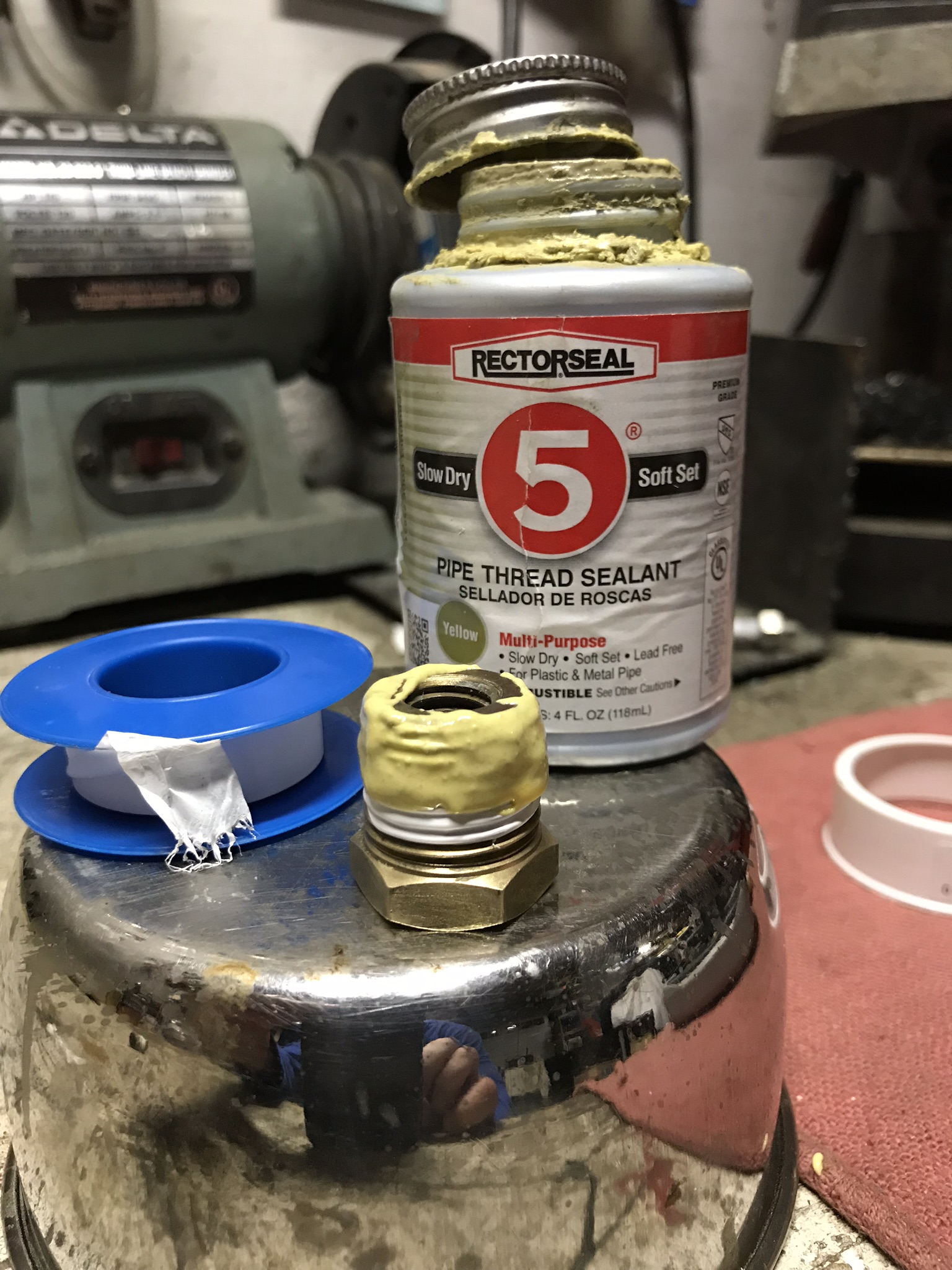
Credit: www.sbmar.com
Pipe Dope Essentials
Understanding pipe dope is key for plumbing projects. It helps seal pipe threads tightly. This prevents leaks and keeps joints secure. Pipe dope is a popular choice among plumbers. It works well with various pipe materials. Let’s explore what pipe dope is made of, its uses, and its pros and cons.
What Is Pipe Dope Made Of
Pipe dope is a thick paste. It usually contains a mix of oils, fillers, and solvents. Some formulas have clay or talc to add grip. Others include graphite for heat resistance. The exact mix depends on the brand and purpose. The paste sticks to pipe threads well. It creates a water-tight and gas-tight seal.
Typical Applications
Pipe dope works best on metal pipes. It is common for iron, steel, and brass fittings. It suits plumbing, gas lines, and hydraulic systems. The paste helps fill gaps between threads. It also lubricates threads for easier tightening. Pipe dope suits high-pressure and high-temperature uses. It is less common on plastic pipes.
Pros And Cons
Pipe dope seals leaks reliably. It stays in place under pressure. It also resists heat and chemicals well. The paste works on rough or damaged threads. But pipe dope can be messy to apply. It takes time to dry before testing. Overuse can cause excess paste inside pipes. Some types are not safe for drinking water pipes.
Comparing Sealing Performance
Sealing performance is key when choosing between Teflon tape and pipe dope. Both materials help stop leaks in pipe connections. Each has strengths and weaknesses that affect how well they seal.
Understanding their sealing qualities can guide your decision. Let’s compare their leak resistance, durability under pressure, and temperature tolerance.
Leak Resistance
Teflon tape creates a tight seal by filling gaps on pipe threads. It works best on metal pipes and fittings. The tape prevents water or gas from escaping.
Pipe dope also seals by filling gaps, but it sticks to threads with a paste-like texture. It covers threads more completely, which can stop leaks better in some cases.
Pipe dope often provides stronger leak resistance on uneven threads. Teflon tape needs careful wrapping to avoid leaks.
Durability Under Pressure
Teflon tape holds up well under normal water pressure. It may slip or tear if pressure spikes suddenly.
Pipe dope hardens after application and stays in place. This makes it more durable under high pressure or vibration.
For high-pressure systems, pipe dope usually lasts longer without failing.
Temperature Tolerance
Teflon tape can handle temperatures up to about 500°F. It works well in most household plumbing and heating systems.
Pipe dope varies but some types resist much higher temperatures, up to 600°F or more.
For very hot pipes, pipe dope often provides better protection.
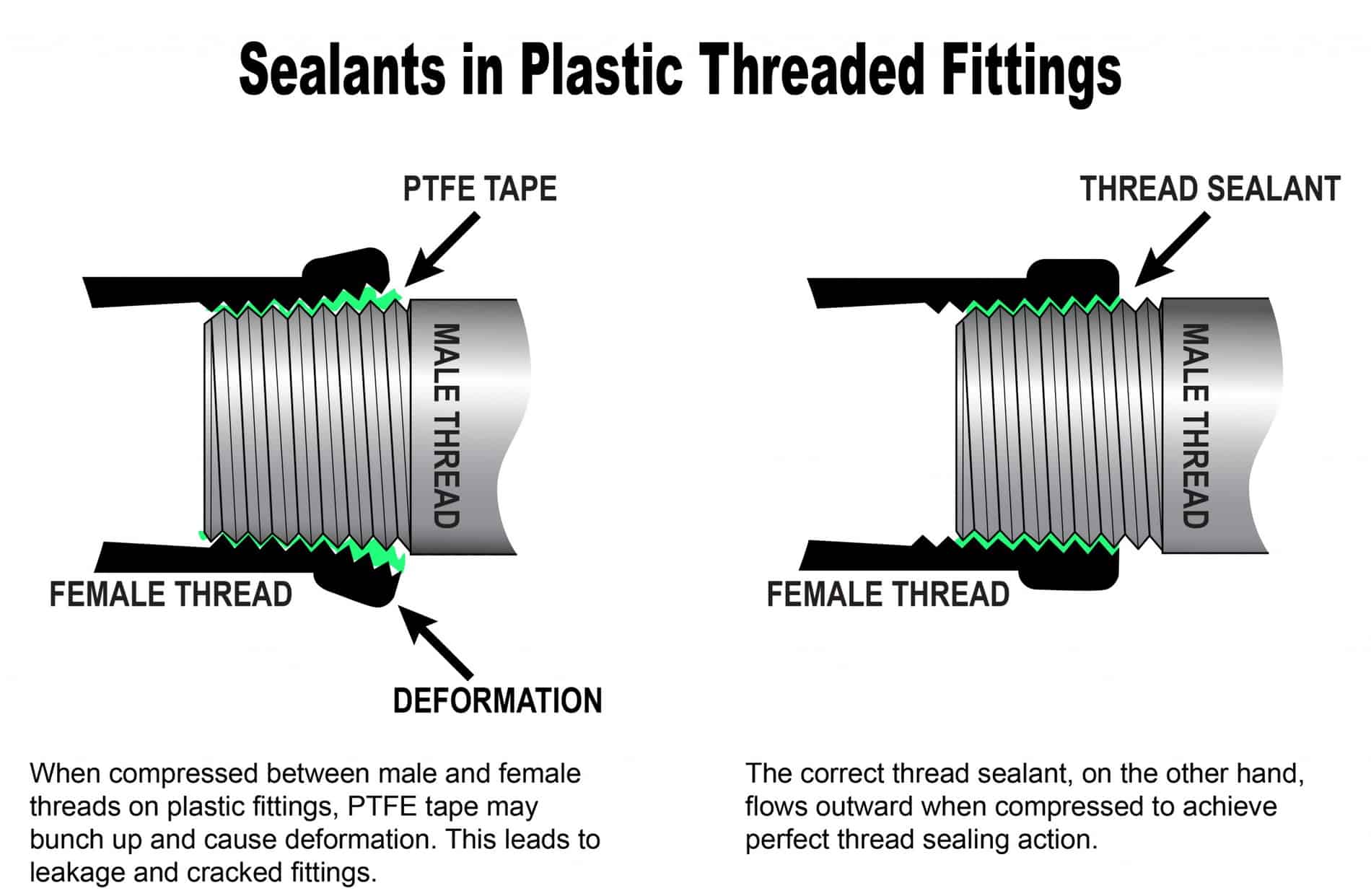
Credit: www.fluoramics.com
Ease Of Application
Ease of application is a key factor when choosing between Teflon tape and pipe dope. Both help seal pipe threads but differ in how you use them. Understanding their application process can save time and reduce errors.
Preparation Steps
Start by cleaning the pipe threads. Remove dirt, grease, and old sealant. Dry the threads completely before applying either product. For Teflon tape, wrap only clean and dry threads. Pipe dope also requires clean threads for proper adhesion.
Application Techniques
Wrap Teflon tape around the pipe threads in a clockwise direction. Use two to three layers for a tight seal. Press the tape firmly to avoid wrinkles. Pipe dope comes in a paste form. Apply it evenly with a brush or finger. Cover all threads but avoid excess that could squeeze out inside the pipe.
Cleanup And Maintenance
Teflon tape leaves no mess. Just discard the used tape after assembly. Pipe dope can be sticky and hard to remove. Use a cloth and solvent to clean spills quickly. Check joints periodically for leaks, especially if pipe dope was used.
Suitability For Different Materials
Choosing the right sealant depends on the material of the pipes. Teflon tape and pipe dope each work better on some materials than others. Knowing which one fits your pipe type helps prevent leaks and damage. The next sections explain how these sealants perform on metal, plastic, and specialty pipes.
Metal Pipes
Metal pipes often require a strong, durable seal. Pipe dope sticks well to metal threads. It fills small gaps and resists vibration. Teflon tape also works on metal pipes. It creates a tight seal and prevents metal parts from sticking. For heavy-duty metal pipes, pipe dope often lasts longer and seals better.
Plastic Pipes
Plastic pipes need a gentle but effective seal. Teflon tape suits plastic threads better than pipe dope. It does not crack or harm the plastic. Pipe dope can sometimes cause plastic to crack or swell. Using Teflon tape on plastic pipes avoids damage and ensures a good seal. Always check the pipe dope label for plastic safety.
Specialty Materials
Specialty pipes include materials like PVC, CPVC, and copper. Teflon tape works well on most specialty materials. It does not react with the pipe surface. Some pipe dopes are made for specialty pipes and offer chemical resistance. Always use pipe dope designed for the specific pipe type. Testing on a small area can prevent problems.
Environmental And Safety Considerations
Choosing between Teflon tape and pipe dope involves thinking about safety and the environment. Both products help seal pipes, but they have different effects on health and nature. Understanding these differences helps you pick the safer, eco-friendly option.
Chemical Safety
Teflon tape contains polytetrafluoroethylene (PTFE), which is stable and non-toxic. It does not release harmful fumes during normal use. Pipe dope, a type of paste, may contain solvents and chemicals. These chemicals can irritate skin and lungs if inhaled or touched. Always wear gloves and work in a well-ventilated area with pipe dope.
Environmental Impact
Teflon tape is plastic-based and does not break down easily in nature. It can add to plastic waste if not disposed of properly. Pipe dope may have petroleum-based ingredients that can harm soil and water. Avoid pouring leftover pipe dope down drains. Choose products labeled as environmentally safe to reduce harm.
Storage And Shelf Life
Teflon tape has a long shelf life and stays effective if kept dry. Store it in a cool, dry place away from sunlight. Pipe dope can dry out or separate over time, losing its sealing power. Keep pipe dope tightly sealed and store it in a cool place to extend its use.
Cost And Availability
Cost and availability play a big role in choosing between Teflon tape and pipe dope. Both products help seal pipe threads, but their prices and how easy they are to find differ. Understanding these differences can save money and time on plumbing projects.
Price Comparison
Teflon tape usually costs less than pipe dope. A roll of Teflon tape can cost just a few dollars. Pipe dope often comes in small cans or tubes and tends to be pricier. The price depends on the brand and size. For small jobs, Teflon tape is often the cheaper choice.
Where To Buy
Teflon tape and pipe dope are available at hardware stores and online shops. Most home improvement stores stock both items. Teflon tape is also common in automotive shops. Pipe dope might be harder to find in general stores but is available in plumbing supply stores. Online shopping offers many options for both.
Bulk Vs Small Quantity
Buying in bulk lowers the cost per unit for both products. Contractors often buy large quantities of pipe dope. Teflon tape is also sold in multi-roll packs that are cheaper than single rolls. For small repairs, single rolls or tubes work best. Bulk purchases suit frequent use or big projects.

Credit: www.youtube.com
Tips For Leak-proof Seals
Creating leak-proof seals is crucial for plumbing success. Choosing the right materials and techniques stops water damage and costly repairs. Both Teflon tape and pipe dope have strengths. Using them correctly ensures tight, lasting seals on threaded pipe connections.
Choosing The Right Sealant
Teflon tape works well on metal pipes and fittings. It wraps around threads to fill gaps. Pipe dope is a paste that seals and lubricates threads. Use it on plastic or metal pipes. Check product labels for compatibility with your pipe type. Some sealants resist chemicals or high temperatures better.
Common Mistakes To Avoid
Do not use both Teflon tape and pipe dope together. It can cause leaks or damage threads. Avoid overwrapping tape; two to three layers are enough. Do not apply pipe dope too thickly. Excess sealant can clog pipes or valves. Always clean threads before applying any sealant. Dirt and old sealant prevent proper sealing.
Best Practices For Long-term Sealing
Wrap Teflon tape clockwise around the threads. This matches the direction of tightening. Apply pipe dope evenly with a brush or finger. Let it dry slightly before assembly. Tighten connections firmly but avoid overtightening. Check seals after installation for leaks. Reapply sealant during maintenance for lasting protection.
Frequently Asked Questions
What Is The Main Difference Between Teflon Tape And Pipe Dope?
Teflon tape is a thin plastic tape used to seal pipe threads. Pipe dope is a paste that seals and lubricates pipes for a tight fit.
Which Is Better For Sealing Water Pipes, Teflon Tape Or Pipe Dope?
Teflon tape works well for water pipes because it resists water and prevents leaks. Pipe dope also seals well but is better for metal pipes.
Can Teflon Tape And Pipe Dope Be Used Together?
Yes, they can be used together for extra sealing strength. Apply pipe dope over the Teflon tape for a stronger seal.
How Easy Is It To Apply Teflon Tape Compared To Pipe Dope?
Teflon tape is quick and easy to wrap around threads. Pipe dope needs careful spreading and can be messier to apply.
Does Pipe Dope Provide A Better Seal For Gas Lines Than Teflon Tape?
Pipe dope often provides a more reliable seal for gas lines. It resists gas leaks better than Teflon tape in many cases.
Is Teflon Tape Reusable After Removing It From Pipes?
No, Teflon tape should not be reused once removed. It loses its sealing ability and can cause leaks if reused.
Which One Lasts Longer, Teflon Tape Or Pipe Dope?
Pipe dope usually lasts longer because it sticks better and does not dry out quickly. Teflon tape can wear down with time.
Conclusion
Both Teflon tape and pipe dope help seal pipe threads well. Teflon tape is clean and easy to use. Pipe dope works better on some metal pipes. Each product has its own best use. Choose based on your pipe type and job needs.
Proper sealing stops leaks and saves money. Remember, a good seal keeps water flowing right. This small step makes a big difference in plumbing work.