
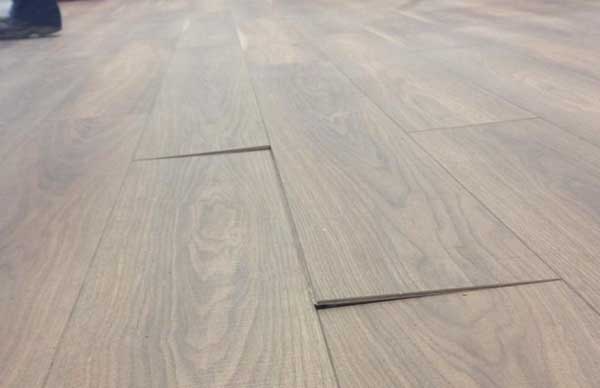
Is your laminate flooring starting to lift and worry you? You’re not alone, and the good news is that this problem is often easy to fix.
When your floor lifts, it can make your whole room feel off and even cause damage if left unattended. But don’t panic—this guide will walk you through simple steps to get your floor back to looking smooth and solid. Keep reading to learn exactly what causes your laminate to lift and how you can fix it quickly, saving time and money.
Your beautiful floor is just a few easy fixes away!
Common Causes Of Lifting Laminate Flooring
Lifting laminate flooring is a common problem in many homes. It can cause uneven surfaces and damage the overall look of your floor. Knowing the reasons behind this issue helps you fix it properly and avoid future problems.
Several factors can cause laminate flooring to lift. Most of these relate to the environment, installation, or the base below the floor. Understanding these causes makes repair easier.
Moisture And Humidity Issues
Moisture is one of the main reasons laminate flooring lifts. Water spills, leaks, or high humidity levels cause the boards to swell. Laminate is sensitive to water because it is made with wood fibers. When wet, the fibers expand and push the boards up.
Humidity inside the house also affects the floor. In damp rooms, like bathrooms or basements, moisture can build up under the flooring. This trapped moisture causes the laminate to warp or lift over time.
Improper Installation
Incorrect installation can lead to lifting floors. If the laminate pieces are not locked tightly, gaps may form. These gaps allow movement and cause the boards to rise.
Not leaving enough space for expansion around the room’s edges is another mistake. Laminate needs room to expand and contract. Without this, the boards press against walls and lift up.
Subfloor Problems
The subfloor is the surface beneath your laminate flooring. An uneven or damaged subfloor causes the laminate to lift. If the subfloor has bumps or moisture issues, it affects the laminate’s stability.
Weak or soft spots in the subfloor can make the laminate shift. This movement leads to lifting and uneven surfaces.
Temperature Fluctuations
Changes in temperature affect laminate flooring. Heat causes the boards to expand while cold makes them contract. Extreme changes stress the material and cause lifting.
Rooms with poor temperature control, like sunrooms, often face this problem. The constant expansion and contraction can make the floor separate and lift over time.
Tools And Materials Needed
Fixing laminate flooring that is lifting needs the right tools and materials. Having these ready makes the repair easier and faster. Each item serves a specific purpose in the process.
Gathering all necessary supplies before starting helps avoid interruptions. It also ensures the repair lasts longer and looks better.
Basic Repair Tools
Start with simple tools like a flat pry bar to lift planks gently. A rubber mallet helps tap planks back in place without damage. Use a tape measure to check plank sizes accurately. A utility knife comes in handy for trimming or cutting damaged sections. A putty knife works well to apply glue in tight spots.
Adhesives And Sealants
Choose a wood glue or laminate adhesive made for flooring. These adhesives bond planks firmly to the subfloor. Use a waterproof sealant to protect edges from moisture. Sealants keep water from causing future lifting or warping. Make sure adhesives dry clear to keep the floor looking neat.
Replacement Planks
Keep extra laminate planks of the same style and color. Replacement planks fill in damaged or badly lifted areas. Match the thickness and finish for a smooth repair. Cut planks to fit snugly into the gap left by removed pieces. Store spare planks in a dry place to avoid damage.
Cleaning Supplies
Clean the floor before and after repairs. Use a soft broom or vacuum to remove dust and debris. A damp cloth helps wipe away glue residue and dirt. Avoid harsh chemicals that can damage laminate surfaces. Clean surfaces improve glue bonding and final appearance.
Preparing The Area For Repair
Preparing the area for repair is the first step to fix laminate flooring that is lifting. A clean and organized workspace helps you work safely and efficiently. Taking time to prepare prevents extra damage and makes the repair easier.
Clearing The Floor Space
Remove all furniture and rugs from the area. This creates enough room to move and work freely. Clear small objects like toys or tools to avoid tripping. A clean floor helps you see the damaged sections clearly.
Inspecting The Damage
Look closely at the lifting laminate planks. Check if the damage is small or spread over a large area. Note any cracks, gaps, or warping. Understanding the damage helps you decide the best repair method. Take pictures for reference before starting work.
Removing Baseboards And Moldings
Carefully remove baseboards and moldings near the damaged flooring. Use a pry bar or flat tool to avoid breaking them. Removing these trims gives access to edges of the laminate. Keep the baseboards safe for reinstallation after repair.

Credit: www.reddit.com
Fixing Small Lifts And Bubbles
Small lifts and bubbles in laminate flooring often happen due to moisture or poor installation. These issues can cause the floor to look uneven and feel uncomfortable underfoot. Fixing these minor problems early can stop them from becoming worse. Simple tools and steps can bring the floor back to smoothness without replacing the entire plank.
Using Weights To Flatten The Floor
Place heavy objects on the lifted areas to press them down. Use books, bricks, or cans wrapped in cloth to avoid damage. Leave the weights for 24 to 48 hours. This method helps flatten the floor by applying steady pressure. Check if the lift reduces after removing the weights.
Applying Adhesive Under The Planks
Lift the affected plank carefully using a flat tool. Inject a small amount of laminate adhesive underneath the lifted area. Use a syringe or a small brush for precision. Press the plank down firmly and wipe away any excess glue. Allow the adhesive to dry according to the product’s instructions. This step secures the plank and stops it from lifting again.
Sealing Edges To Prevent Moisture
Moisture often causes bubbles and lifts in laminate flooring. Seal the edges of the planks with a waterproof sealant. Use a silicone-based sealant for best results. Apply a thin line along the seams where water could enter. This creates a barrier to protect the floor from moisture damage. Let the sealant dry completely before walking on the floor.
Repairing Larger Lifts And Gaps
Repairing larger lifts and gaps in laminate flooring takes more effort than fixing small issues. These problems often mean that the floor’s structure has been disturbed. The planks may not fit tightly together anymore, creating visible spaces. Fixing this requires careful removal and replacement of parts. You may also need to check the floor underneath for damage. The goal is to restore a flat, even surface that looks good and feels stable.
Removing And Reinstalling Planks
Start by carefully removing the lifted planks. Use a flat tool to pry them up without breaking the edges. Keep the planks in good condition for reuse. Clear any debris or old glue from the area. Align the planks back in place, ensuring they fit snugly. Tap them gently with a rubber mallet to lock the seams. This step closes the gaps and restores a smooth finish.
Fixing Subfloor Issues
Check the subfloor for moisture or uneven spots. Moisture causes planks to lift and warp over time. Use a moisture meter to test the area under the floor. Sand down any high spots or bumps on the subfloor. Fill low areas with a leveling compound to create a flat base. Make sure the subfloor is dry and clean before reinstalling planks. A stable subfloor prevents future lifting and gaps.
Replacing Damaged Planks
Damaged planks cannot be reused and must be replaced. Remove the broken plank by unlocking its joints carefully. Measure the plank size and buy an exact match. Place the new plank in the empty space, aligning edges precisely. Press it firmly to connect with surrounding planks. Use a tapping block to avoid damaging the new plank. Replacing damaged pieces keeps the floor strong and attractive.

Credit: flooringking.co.uk
Preventing Future Lifting Problems
Preventing future lifting problems is key to keeping your laminate floor looking great. Lifting often happens due to moisture and poor installation. Taking steps to avoid these issues will save time and money. Follow simple tips to protect your floor and ensure it stays flat and smooth.
Controlling Humidity Levels
Humidity affects laminate floors a lot. Too much moisture causes the boards to swell and lift. Use a dehumidifier in damp rooms. Keep indoor humidity between 30% and 50%. Open windows to air out rooms on dry days. Avoid wet mopping; use a damp cloth instead. Proper ventilation helps reduce moisture build-up under the floor.
Proper Installation Tips
Correct installation prevents many lifting problems. Leave a small gap around the room edges for expansion. Do not fix the boards tightly against walls or furniture. Use the right underlayment to absorb minor moisture. Follow the manufacturer’s guidelines carefully. Ensure the subfloor is clean, dry, and level before installation. This foundation keeps the laminate stable and secure.
Routine Maintenance Practices
Regular care keeps your floor healthy and strong. Sweep or vacuum often to remove dirt and grit. Clean spills quickly to avoid water damage. Use floor protectors under heavy furniture. Avoid dragging items across the floor to prevent scratches. Check for signs of lifting or damage regularly. Early repair stops small problems from growing bigger.
Credit: www.factory-direct-flooring.co.uk
Frequently Asked Questions
What Causes Laminate Flooring To Lift Or Buckle?
Moisture is the main cause of laminate flooring lifting. Water seeps under the floor, causing swelling. Poor installation and temperature changes also contribute.
How Can I Fix Laminate Flooring That Is Lifting?
Remove the affected boards and dry the subfloor. Replace damaged boards and use spacers for proper gaps. Ensure the floor is clean and dry before reinstalling.
Can Humidity Affect Laminate Flooring Lifting?
Yes, high humidity causes wood fibers to swell. This leads to lifting or warping. Use a dehumidifier to control indoor moisture levels.
Is It Possible To Fix Lifting Laminate Without Replacing Boards?
Minor lifting can be fixed by adjusting expansion gaps. Press the boards back into place carefully. Larger damage usually requires board replacement.
How Long Does It Take To Fix Lifted Laminate Flooring?
Small repairs can take a few hours. Larger fixes may need a full day. Time depends on the extent of damage and drying time.
Should I Use Glue To Fix Lifting Laminate Flooring?
Glue is not recommended for floating laminate floors. It can prevent natural expansion and cause more damage. Use proper installation methods instead.
Can Uneven Subfloor Cause Laminate Flooring To Lift?
Yes, an uneven subfloor can create pressure points. This pressure causes boards to lift or separate. Level the subfloor before installing laminate.
How To Prevent Laminate Flooring From Lifting In The Future?
Keep humidity between 35%-65%. Use a vapor barrier under the flooring. Leave expansion gaps around the room edges.
Is Lifting Laminate Flooring Covered By Warranty?
Warranty coverage depends on the manufacturer and installation. Most warranties do not cover moisture damage. Check your warranty terms for specific details.
Can I Repair Laminate Flooring Lifting By Myself?
Yes, simple repairs are possible for DIYers. Follow repair steps carefully and use the right tools. Call a professional for extensive damage or unsure repairs.
Conclusion
Fixing laminate flooring that lifts can save you money and stress. Start by finding the cause, like moisture or poor installation. Carefully lift and reattach the boards to keep them flat. Keep your floors dry and clean to avoid future problems.
Regular checks help catch issues early. With simple steps, your floor can look smooth and last longer. Don’t let lifting boards ruin your home’s look or comfort. Take action soon to keep your laminate flooring strong and neat.