
Just bought your dream home? Congratulations!
But as you start unpacking, you might notice something a little… unsettling. Small cracks appearing in your walls or ceilings? Maybe your doors aren’t closing quite right anymore? Don’t panic! It’s a common question for new homeowners: Is it normal for a new house to settle and crack?
We’ll dive deep into what’s really going on with your new house, why these changes happen, and when you should actually be concerned. You’ll get the clear answers you need to feel confident about your home.
New House Settling: What To Expect
Building a new house is exciting. You move in, ready to make memories. Then you see it. Small cracks. Is this normal? We explore what to expect. New house settling is a common process. It is a natural part of your home’s life.
The Science Of Settling
Houses are heavy. They rest on the ground. The ground is not always solid. It shifts and changes. This movement affects the house. Materials expand and contract. This causes stress. The house finds its equilibrium. It settles into place.
Common Signs Of Settling
You might see small cracks. They often appear in drywall. Look near door frames. Window frames can also show them. Some doors may stick. Floors might feel uneven. You may hear creaking sounds. These are typical signs.
Why Does It Happen?
Construction materials are wet. They dry out over time. This drying causes shrinkage. The soil beneath the foundation also changes. It compacts. Water content varies too. These factors cause the house to move. It is a natural settling process. Your home is adjusting.
Cracks: The Visible Evidence
New houses settle. This settling causes changes. Cracks are a common sign. They show the house is adjusting. Don’t panic immediately. Many cracks are normal. They are part of the process.
Hairline Cracks: Usually Harmless
See tiny cracks? They are often hairline cracks. These are very thin. They are usually not a problem. They form as materials dry. Wood shrinks. Plaster can shrink too. These small cracks are normal.
Where Cracks Appear Most Often
Certain areas show cracks first. Look around windows and doors. These are common spots. Walls near corners can crack. Ceilings might show them too. These are areas with stress.
The Role Of Materials
Building materials matter. Different materials behave differently. Wood expands and contracts. Concrete can shrink as it cures. Plaster and drywall also change. These material properties cause cracks. It is a natural reaction.
When Settling Becomes A Concern
New houses often settle. This can cause small cracks. These are usually normal. They happen as the house adjusts.
When settling becomes a concern, it’s time to pay closer attention. Most new homes settle a bit. This is normal. But some signs show a bigger problem. Your home’s foundation is key. Watch for specific changes. These can signal trouble. Don’t ignore these warnings. They protect your home’s value.Identifying Problematic Cracks
Look closely at cracks. Hairline cracks are often fine. They are usually cosmetic. Wide cracks are different. Cracks wider than a dime need review. Cracks that run diagonally are also concerning. Diagonal cracks often follow stress lines. Check cracks for straightness. Jagged cracks are a red flag. Do cracks go through mortar? This is a bad sign.Signs Of Foundation Issues
Your foundation supports everything. Look for leaning walls. Walls that bow inward are bad. Doors that stick often signal issues. Windows that won’t open are another clue. Floors that slope are a warning. Gaps around door frames appear. Gaps around window frames appear. These all point to foundation shifts.Water Damage Clues
Water is a home’s enemy. Look for damp spots. Check for musty smells. Mold can grow in wet areas. Efflorescence is a white powder. It shows up on concrete walls. Water stains on walls are bad. Water pooling near the foundation is serious. It can weaken the ground. This impacts the foundation.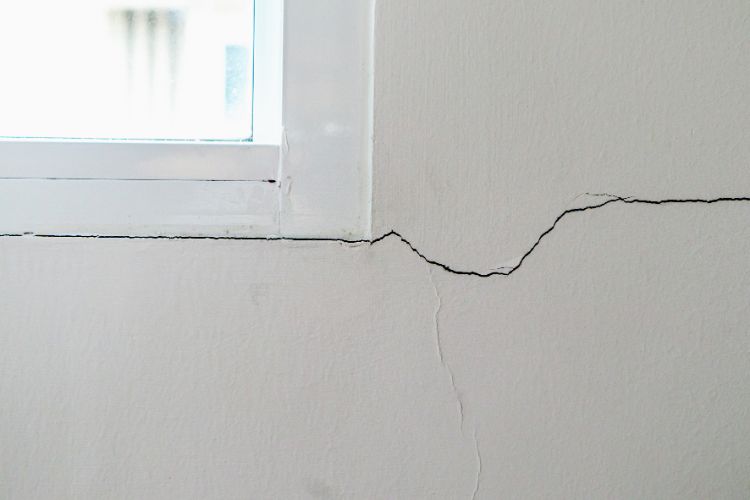
Credit: edensstructural.com
Red Flags To Watch For
While some settling is normal, certain signs signal bigger problems. Watch for these red flags. They can indicate serious structural issues. Ignoring them can lead to costly repairs. Pay close attention to your new home.
Large Or Widening Cracks
Hairline cracks are common. They often result from drying materials. Look for cracks wider than a dime. Watch them closely. Do they grow bigger over time? This is a major concern. It suggests movement. The foundation may be shifting. This requires professional assessment.
Doors And Windows Sticking
Do doors no longer close easily? Do windows become difficult to open? This can be a sign. The house frame might be warping. Settling can cause this. The house structure is changing shape. This can put pressure on openings. Check multiple doors and windows. Consistent sticking is a warning.
Uneven Floors
Walk across your floors. Do you feel slopes? Do floors feel bouncy? This indicates uneven settling. The foundation is not level. This can happen in older homes. It is more concerning in new ones. Uneven floors affect stability. It is a serious structural issue.
Cracks Near Structural Elements
Focus on critical areas. Look around door frames. Inspect window corners. Check where walls meet ceilings. Observe areas near the foundation. Cracks here are more serious. They can compromise the home’s integrity. These cracks need immediate attention. Do not delay getting help.
Addressing Potential Problems
New houses settle. This is normal. Some cracks may appear. Do not panic. Addressing potential problems early is wise. It saves you stress. It also saves you money.
Documenting Your Observations
Take clear photos. Note the date. Record the crack’s size. Measure its length. Note its width. Keep a detailed log. This helps track changes. It provides evidence. This is crucial information.
Contacting Your Builder
Your builder has a warranty. Report any issues. Show them your log. Explain your concerns clearly. They can assess the cracks. They may offer repairs. This is part of their service. Early contact is best.
When To Call A Professional
Builder is unresponsive? Cracks are large? Cracks are widening fast? These are warning signs. You might need an expert. A structural engineer can help. They offer an unbiased opinion. They ensure your home’s safety. Your peace of mind matters.
Preventative Measures
Taking steps now can help. Preventative measures are wise. They reduce future issues. Your new house will thank you. Small actions make a big difference.
Proper Drainage
Water is a house’s enemy. Keep water away from foundations. Ensure gutters work well. Downspouts should direct water far. Sloping the ground helps. This directs water from your home. Good drainage is essential. It protects your investment.
Landscaping Considerations
Trees are beautiful. Their roots can cause problems. Plant trees at a safe distance. Avoid planting large shrubs near walls. Mulch can retain moisture. Use it wisely around the house. Keep mulch beds shallow. They should not touch siding. Proper landscaping protects your foundation.
Regular Inspections
Check your house often. Look for new cracks. Inspect walls inside and out. Monitor windows and doors. Do they open and close easily? Small issues are easier to fix. Early detection saves money. Regular checks are smart. They ensure home integrity.
Frequently Asked Questions
Why Does My New House Make Noise?
New homes often settle as they dry out. This causes materials to shift and timbers to creak. It’s a normal part of a house finding its balance.
Are Small Cracks In New Homes Common?
Yes, tiny cracks are quite normal. Wood and concrete shrink as they dry. This can create hairline cracks in walls.
How Long Does New House Settling Last?
Settling typically happens in the first year. You might notice more changes in extreme weather. The intensity usually fades over time.
What Kind Of Cracks Are Serious?
Watch for cracks that are wide or long. Stair-step cracks in brickwork can be a concern. Diagonal cracks across walls also need checking.
Can I Fix Settling Cracks Myself?
Minor cracks can often be patched. Use a good quality filler for small gaps. For larger issues, consult a professional builder.
Is My New House Unsafe Due To Cracks?
Most settling cracks are not a safety risk. They are usually cosmetic. Serious cracks might need a builder’s opinion.
What Causes A New House To Shift?
Construction materials, like wood, dry out. They contract and expand with temperature. This natural movement causes the house to shift.
Conclusion
New homes do settle. It is a normal process. Small cracks may appear. These are often harmless. They show your house is adapting. Keep an eye on them. Major issues need attention. Consult a professional builder. They can assess any concerns.
Enjoy your new home.