
When it comes to keeping your space clean and dry, choosing the right drain matters more than you might think. You’ve probably heard about hub drains and floor drains, but do you really know how they differ?
Picking the wrong one can lead to costly repairs and constant headaches. You’ll discover the key differences between hub drains and floor drains, so you can make the best choice for your home or business. Keep reading to avoid common mistakes and ensure your drainage system works perfectly every time.
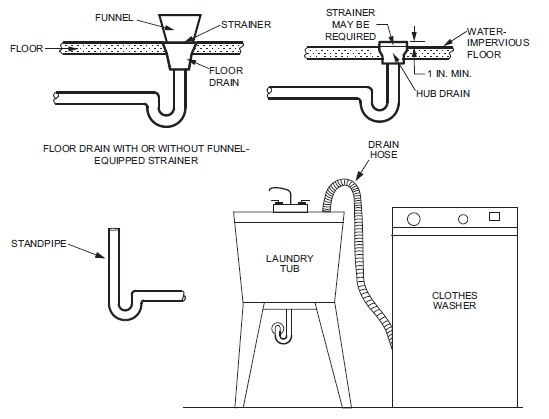
Credit: codes.iccsafe.org
Hub Drain Basics
Understanding hub drains is key to choosing the right drainage system. Hub drains have unique features that set them apart from floor drains. They offer specific benefits based on their design and use. This section explains the basics of hub drains to help you make an informed decision.
Design And Function
Hub drains feature a circular hub or collar that connects to drain pipes. This hub forms a tight seal with the plumbing system. The design helps prevent leaks and directs water efficiently. Hub drains often include a grate or cover to keep debris out. They serve to collect water from sinks or other fixtures and channel it away.
Common Applications
Hub drains are common in commercial kitchens and industrial areas. They handle water from sinks, dishwashers, and floor washing stations. These drains suit places with heavy water use and grease. Hub drains also appear in laundry rooms and utility spaces. Their robust design makes them reliable in busy settings.
Installation Process
Installing a hub drain requires precise connection to drain pipes. The hub must fit snugly to avoid leaks. It usually involves soldering, gluing, or mechanical fastening. Proper alignment with the drainage system ensures smooth water flow. Installation should comply with local plumbing codes for safety and function.
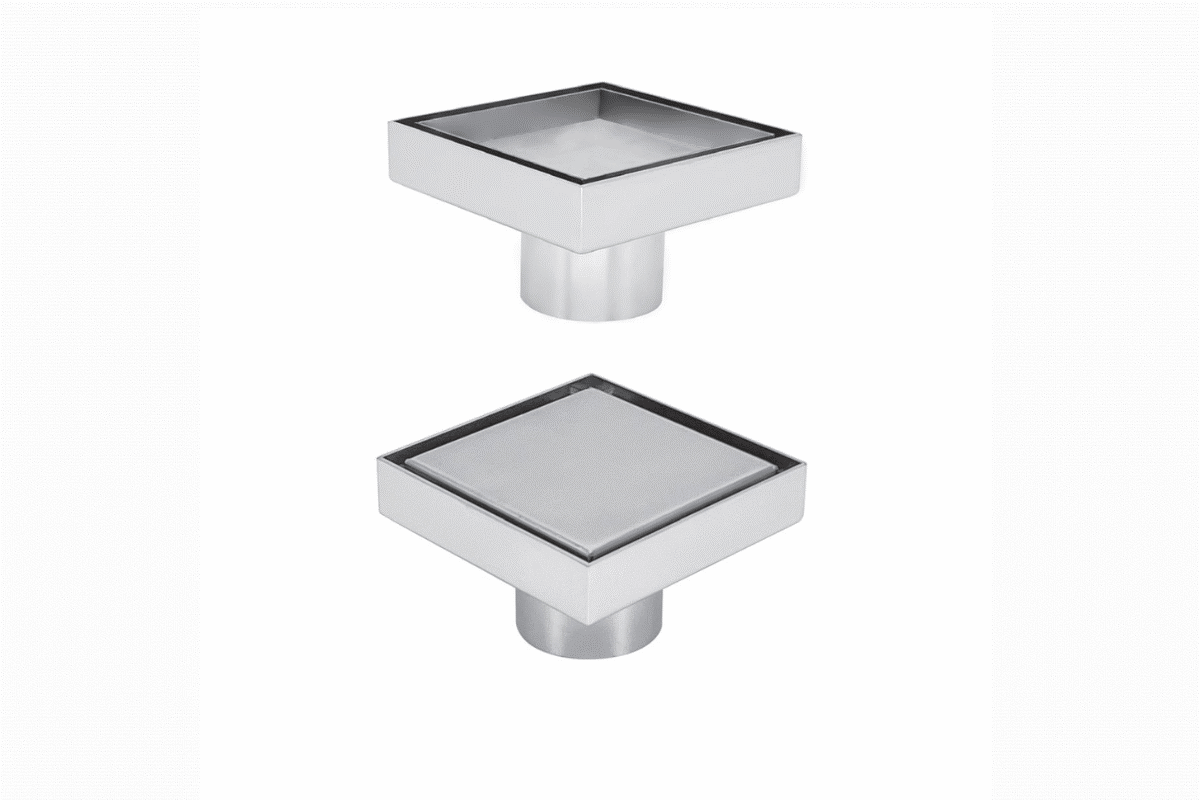
Credit: tapsmore.com
Floor Drain Essentials
Floor drains are common fixtures in many buildings. They help remove water from floors quickly and safely. Understanding the basics of floor drains helps you know their role in keeping spaces dry. This section covers the structure, uses, and installation of floor drains.
Structure And Operation
Floor drains have a simple design. They consist of a grate, a drain body, and a trap. The grate sits flush with the floor and lets water pass through. The drain body connects to the plumbing system below. The trap holds water to block sewer gases from coming up.
Water flows through the grate into the drain body. It then moves into the plumbing pipes. The trap’s water seal stops odors and harmful gases.
Typical Uses
Floor drains are used in places where water spills often. Common areas include basements, laundry rooms, and commercial kitchens. They help prevent water damage and slippery floors. Floor drains also appear in garages and showers to manage water flow.
Installation Techniques
Installing floor drains requires careful planning. The drain must sit at the lowest point of the floor. Proper slope ensures water flows toward the drain. The plumbing must connect securely to the drain body. Sealants and gaskets prevent leaks. Professionals check the trap to ensure it holds water.
Correct installation avoids flooding and foul smells. It also extends the drain’s lifespan and keeps the area safe.
Key Differences
Hub drains and floor drains serve similar purposes but differ in design and use. Understanding their key differences helps choose the right drain for your needs. These differences affect installation, function, and upkeep.
Material And Build
Hub drains usually have a cast iron or PVC body. They feature a hub connection to join pipes securely. Floor drains often use stainless steel or plastic. Their design includes a grate to catch debris and allow water flow.
Placement And Accessibility
Hub drains install inside walls or floors where pipes connect. They stay hidden and are less accessible. Floor drains sit on the surface of floors in basements or showers. Their grates make them easy to access for cleaning.
Maintenance Requirements
Hub drains require less frequent cleaning. Their sealed design prevents debris buildup. Floor drains need regular cleaning to avoid clogs. Grates must be removed and cleaned often to keep water flowing.
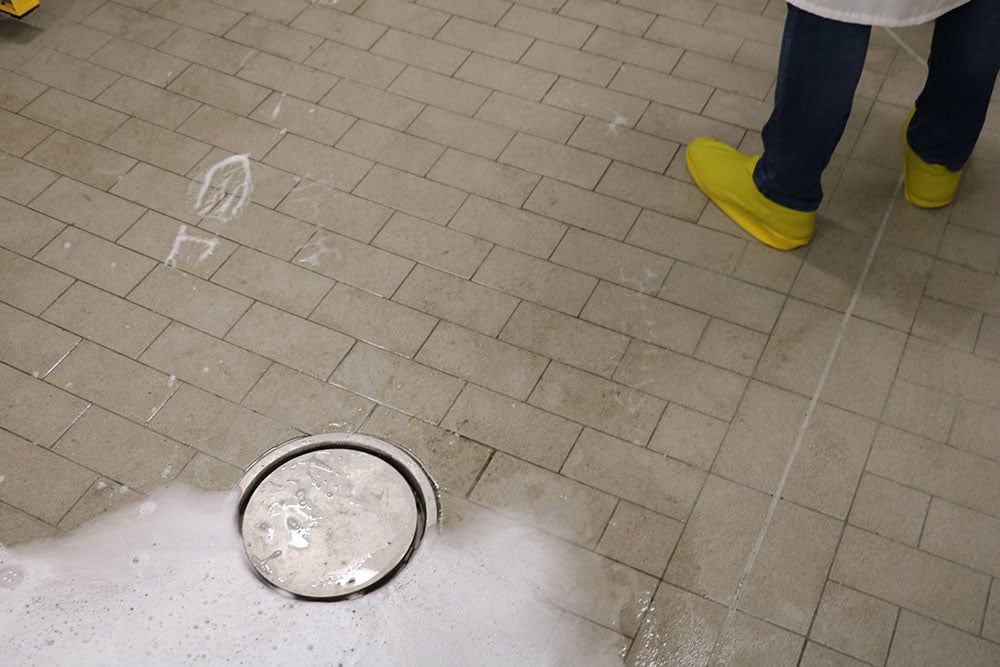
Credit: blog.foodsafedrains.com
Choosing The Right Drain
Choosing the right drain is important for any space with water flow. The choice between a hub drain and a floor drain affects how well the area handles water. This decision impacts safety, maintenance, and water management. Understanding the differences helps in selecting the best fit for your needs.
Assessing Your Space
Measure the area where the drain will go. Consider the size and shape of the room. Think about how water moves in the space. A hub drain fits well under sinks or tubs. Floor drains work best in larger, open areas like basements or garages. Check if the drain location matches plumbing access.
Load And Flow Considerations
Estimate how much water the drain must handle. Hub drains handle small, steady flows. Floor drains manage heavy water flow and spills. Think about peak water use times. Heavy use needs a drain with higher capacity. Choose a drain that prevents backups and flooding.
Budget And Long-term Costs
Compare initial costs of hub drains and floor drains. Hub drains usually cost less upfront. Floor drains may require more installation work and parts. Consider maintenance costs over time. Floor drains often need more cleaning and checks. A higher upfront cost might save money later on repairs.
Common Mistakes To Avoid
Choosing between a hub drain and a floor drain can be tricky. Many make mistakes that cause problems later. Knowing the common errors helps you avoid costly fixes. Below are key mistakes to watch out for with both drain types.
Incorrect Sizing
Picking the wrong drain size causes water to back up. A drain too small clogs easily. A drain too large wastes space and money. Measure the water flow needs carefully. Match the drain size to the room’s use. Proper sizing keeps water flowing smoothly.
Poor Installation Practices
Installing drains without care leads to leaks and damage. Avoid using wrong materials or tools. Make sure the drain slopes correctly toward the pipe. Tight seals prevent water from escaping. Proper installation saves headaches and repairs.
Neglecting Maintenance
Ignoring drain cleaning causes blockages and odors. Remove debris regularly to keep drains clear. Check for cracks or rust often. Routine maintenance extends the drain’s life. Clean drains work better and last longer.
Tips For Effective Drain Management
Proper drain management keeps your plumbing working well and avoids costly repairs. Both hub drains and floor drains need care to stay clear and functional. Follow simple tips to manage your drains effectively.
Regular Cleaning
Clean drains often to stop blockages. Remove hair, dirt, and debris from drain covers. Flush drains with hot water to clear grease and soap build-up. Use a drain snake or plunger for stuck clogs. Regular cleaning prevents slow drainage and bad smells.
Preventive Measures
Put strainers over drains to catch solids. Avoid pouring grease or oil down drains; they harden and block pipes. Dispose of food scraps in the trash, not the drain. Check for leaks or cracks in drain pipes. Fix small problems early to avoid bigger damage.
When To Call A Professional
Call a plumber if drains drain slowly after cleaning. Contact an expert if you smell strong odors or see water pooling. Professionals can inspect with cameras and clear deep clogs. Don’t ignore repeated drainage problems or water damage signs.
Frequently Asked Questions
What Is The Main Difference Between Hub Drain And Floor Drain?
A hub drain connects to a pipe with a hub fitting. A floor drain sits flush with the floor to remove water.
Where Are Hub Drains Commonly Used?
Hub drains are common in basements and utility rooms. They handle heavy water flow from appliances or floors.
Why Choose A Floor Drain For A Bathroom?
Floor drains help remove water from showers or spills. They prevent water buildup and reduce slips.
Can A Hub Drain Handle More Water Than A Floor Drain?
Yes, hub drains handle larger water volumes. Floor drains are better for small, frequent water drainage.
How Easy Is It To Install A Hub Drain?
Hub drains need pipe fitting skills and tools. Floor drains are simpler and usually installed during flooring.
What Maintenance Does A Floor Drain Need?
Floor drains need regular cleaning to avoid clogging. Removing debris keeps water flowing smoothly.
Are Hub Drains More Durable Than Floor Drains?
Hub drains are made from strong materials for heavy use. Floor drains focus on surface water removal and look.
Conclusion
Choosing between a hub drain and a floor drain depends on your needs. Hub drains connect to pipes inside walls or floors. Floor drains sit flush with the floor surface. Both help remove water and prevent flooding. Think about where water collects and how easy it is to clean.
Proper drain choice keeps your space safe and dry. Remember, installing the right drain saves time and money later. Simple steps now avoid big problems later. Choose wisely for a smooth, dry environment.