
Have you ever felt your car hesitate just as you press the gas pedal? That sudden pause during acceleration can be frustrating and even dangerous.
If your engine hesitates when you try to speed up, you’re not alone—and the good news is, you don’t have to live with it. You’ll discover simple, effective ways to fix your engine hesitation and get your car running smoothly again.
Keep reading, because understanding the cause and solution could save you time, money, and stress on the road.
Credit: autopartswd.com
Common Causes Of Engine Hesitation
Engine hesitation during acceleration can be frustrating and unsafe. It makes your car feel slow and unresponsive. Understanding the common causes helps you fix the problem faster. Many issues can lead to hesitation, from fuel to sensors. Identifying the root cause is key to smooth driving.
Fuel System Issues
The fuel system delivers gas to the engine. Problems like clogged fuel filters or weak fuel pumps can reduce fuel flow. Dirty fuel injectors may spray unevenly. Low fuel pressure causes hesitation. Regular checks help keep fuel system parts clean and working well.
Ignition System Problems
The ignition system creates sparks to burn fuel. Faulty spark plugs or worn ignition coils cause weak sparks. This leads to poor combustion and hesitation. Bad wiring or damaged distributor caps also disrupt ignition. Replacing old parts improves engine response.
Air Intake Blockages
The engine needs clean air to mix with fuel. A dirty air filter blocks airflow. Cracks or leaks in the intake hose let unfiltered air in. These issues affect the air-fuel mix and cause hesitation. Keep air filters clean and inspect hoses regularly.
Exhaust Restrictions
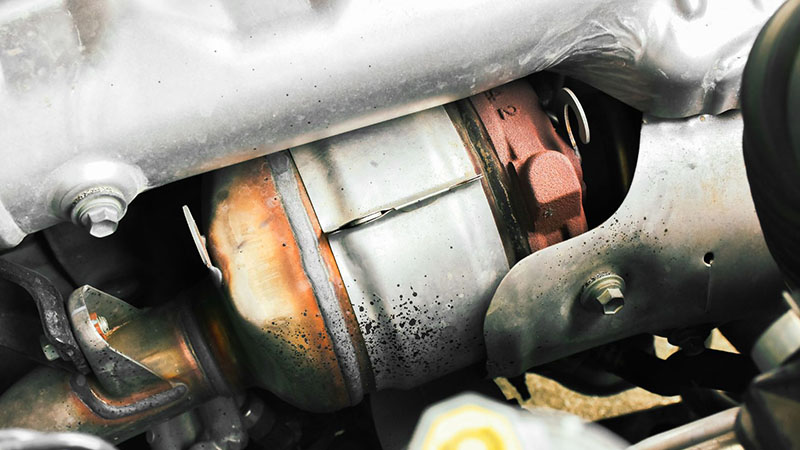
The exhaust system removes gases from the engine. A clogged catalytic converter or damaged muffler restricts flow. This backpressure makes the engine work harder and hesitate. Examining the exhaust helps spot blockages or damage early.
Sensor Malfunctions
Sensors tell the engine how to run smoothly. Faulty oxygen sensors, mass airflow sensors, or throttle position sensors give wrong data. The engine may hesitate or stall. Scanning for sensor errors guides repairs and restores performance.
Credit: www.yourmechanic.com
Diagnosing Engine Hesitation
Engine hesitation during acceleration can be frustrating and unsafe. Finding the cause helps fix the problem quickly. Diagnosing engine hesitation involves checking key parts of your car’s system. Each step reveals clues about what may be wrong.
Checking For Error Codes
Start by scanning the car’s computer for error codes. Use an OBD-II scanner to read stored codes. These codes point to specific issues in the engine or sensors. Clear codes and test drive to see if they return. This step saves time by narrowing down problems.
Inspecting Spark Plugs And Wires
Worn spark plugs cause poor ignition and hesitation. Remove plugs and check for dirt or damage. Replace plugs if they look worn or blackened. Also, check spark plug wires for cracks or corrosion. Good spark delivery keeps the engine running smooth.
Testing Fuel Pressure
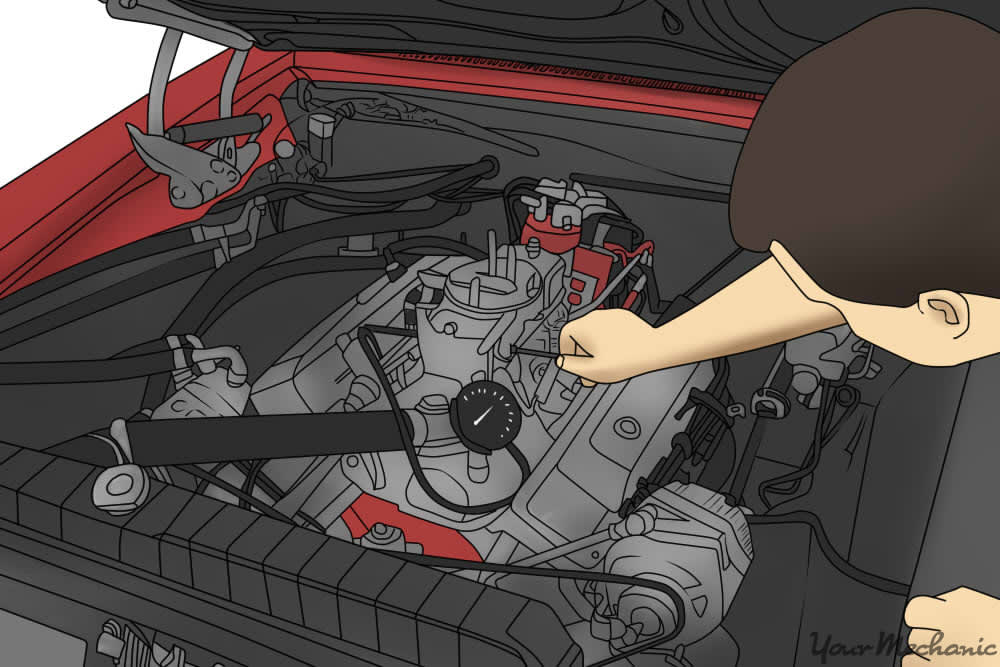
Low fuel pressure can cause hesitation during acceleration. Connect a fuel pressure gauge to the fuel rail. Compare readings to the car’s specifications. A weak fuel pump or clogged filter may cause low pressure. Fixing fuel delivery restores steady engine power.
Examining Air Filters
A dirty air filter limits airflow to the engine. Remove the filter and look for dust or debris. Replace the filter if it looks clogged or dark. Clean air supports better fuel combustion and smooth acceleration. Regular air filter checks improve engine health.
Evaluating Throttle Position Sensor
The throttle position sensor (TPS) tells the engine how much to accelerate. A faulty TPS causes delayed or uneven acceleration. Test the sensor with a multimeter or scan tool. Replace the TPS if readings are off or erratic. Proper sensor function ensures quick engine response.
Quick Fixes For Fuel System Problems
Engine hesitation during acceleration often links to fuel system issues. Quick fixes can restore smooth performance. These steps help improve fuel flow and engine response fast. Understanding simple fuel system fixes saves time and money.
Focus on cleaning, replacing, and enhancing fuel delivery parts. Each fix targets common causes of hesitation. These actions keep your engine running strong and steady.
Cleaning Fuel Injectors
Fuel injectors spray fuel into the engine. Dirt or buildup can block fuel flow. Cleaning injectors removes deposits and improves spray patterns. Use a fuel injector cleaner or have a professional clean them. Clean injectors help the engine get the right fuel amount.
Replacing Fuel Filters
Fuel filters catch dirt and debris before fuel reaches the engine. Over time, filters get clogged and reduce fuel flow. Replace fuel filters regularly to avoid hesitation. A clean filter keeps fuel flowing smoothly. This simple step prevents engine sputtering during acceleration.
Using Fuel Additives
Fuel additives clean fuel lines and improve combustion. Additives break down deposits in injectors and valves. Use fuel additives designed for cleaning and performance. Regular use can stop hesitation and boost engine power. These products are easy to add during refueling.
Ignition System Repairs
The ignition system plays a key role in your engine’s performance. It creates the spark needed to start and run the engine. Problems in this system often cause hesitation during acceleration. Fixing ignition system parts can solve this issue and improve engine response.
Here are simple steps to check and repair the ignition system parts.
Replacing Spark Plugs
Spark plugs ignite the air-fuel mix in the engine. Old or worn plugs cause weak sparks. This leads to poor acceleration and hesitation. Remove old spark plugs and replace them with new ones. Choose the right type for your vehicle. Make sure they fit well and are tightened properly. Regular replacement keeps your engine running smooth.
Checking Ignition Coils
Ignition coils send power to spark plugs. A bad coil means no strong spark. This causes engine misfires and hesitation. Test ignition coils with a multimeter for proper resistance. Replace any coil that shows faults or damage. Good coils help the engine run steady and respond quickly.
Repairing Wiring Issues
Wiring connects ignition parts to the battery and control systems. Damaged wires cause poor spark signals. Check wires for breaks, corrosion, or loose connections. Fix or replace damaged wiring immediately. Clean connectors to ensure solid contact. Proper wiring keeps the ignition system working without interruption.
Airflow And Exhaust Solutions
Engine hesitation during acceleration often links to problems with airflow and exhaust. The engine needs a smooth flow of air to burn fuel correctly. Any block in this airflow or in the exhaust system can cause the engine to hesitate or lose power. Fixing these issues can bring back your engine’s smooth performance.
Cleaning Or Replacing Air Filters
The air filter stops dust and dirt from entering the engine. A dirty or clogged filter reduces airflow. This makes the engine work harder and hesitate during acceleration. Check the air filter regularly and clean or replace it if it looks dirty. A clean air filter helps the engine breathe better and run smoothly.
Clearing Exhaust Blockages
The exhaust system carries gases out of the engine. Blockages in the exhaust, like a clogged catalytic converter, slow down this flow. This creates back pressure and causes hesitation. Look for signs like a strong smell or reduced power. Clearing blockages or fixing damaged parts can restore proper exhaust flow and improve acceleration.
Inspecting The Mass Air Flow Sensor
The Mass Air Flow (MAF) sensor measures the air entering the engine. If it gets dirty or fails, it sends wrong data to the engine control unit. This can cause poor fuel mixture and hesitation. Clean the MAF sensor gently with a special cleaner or replace it if needed. A well-functioning MAF sensor helps the engine get the right air-fuel mix for smooth acceleration.
Sensor And Computer Troubleshooting
Engine hesitation during acceleration can often trace back to sensor or computer issues. Modern engines rely on sensors and the Engine Control Unit (ECU) to perform smoothly. Problems in these parts can cause poor performance and hesitation. Troubleshooting these components can help restore engine power and smooth driving.
Working through sensor and computer issues requires careful steps. Start by resetting the ECU, then check and replace faulty sensors if needed. Updating the engine software can also fix hidden glitches. Each step can improve engine response and reduce hesitation.
Resetting The Engine Control Unit
The ECU controls many engine functions. Resetting it can clear error codes and temporary faults. Disconnect the car battery for about 15 minutes to reset the ECU. After reconnecting, the system will restart fresh. This simple step may solve hesitation by removing stored errors.
Replacing Faulty Sensors
Common sensors causing hesitation include the oxygen sensor and throttle position sensor. Faulty sensors send wrong data to the ECU. This leads to poor fuel and air mixture decisions. Use a scanner to identify bad sensors. Replace any sensor that shows errors or poor performance.
Updating Engine Software
Manufacturers release software updates to fix engine control problems. Updating your engine software can improve response and fix bugs. Visit your dealer or use a trusted mechanic for updates. This step can smooth acceleration and reduce hesitation issues.
Preventive Maintenance Tips
Preventive maintenance helps avoid engine hesitation during acceleration. It keeps your engine healthy and running smoothly. Small steps now save costly repairs later.
Follow these simple tips to maintain your engine and prevent hesitation problems.
Regular Tune-ups
Schedule tune-ups as recommended by your vehicle’s manual. Mechanics check spark plugs, filters, and other key parts. This keeps your engine firing correctly. A well-tuned engine runs without hesitation.
Using Quality Fuel
Choose good quality fuel from trusted stations. Poor fuel can clog injectors and reduce engine power. Clean fuel burns better and helps smooth acceleration. Avoid cheap gas with unknown additives.
Keeping The Air Intake Clean
Check the air filter regularly. A dirty filter blocks airflow and starves the engine. Replace it on time to ensure proper air supply. Clean air helps fuel burn fully and prevents hesitation.
Monitoring Engine Performance
Watch for warning lights and unusual sounds. Use a scanner to check engine codes if needed. Early detection of issues prevents bigger problems. Track your engine’s health to keep acceleration steady.

Credit: www.youtube.com
Frequently Asked Questions
What Causes Engine Hesitation During Acceleration?
Engine hesitation often happens due to dirty fuel injectors, bad spark plugs, or a clogged air filter. These parts affect engine performance and fuel flow.
How Can I Fix Engine Hesitation Myself?
Try cleaning or replacing spark plugs, fuel injectors, and air filters. Check for vacuum leaks or faulty sensors too.
Can Bad Fuel Cause Engine Hesitation?
Yes, poor-quality or contaminated fuel can cause rough engine performance and hesitation during acceleration.
Does A Dirty Air Filter Affect Acceleration?
A dirty air filter limits air flow to the engine, causing it to hesitate or lose power when accelerating.
How Do Spark Plugs Affect Engine Hesitation?
Worn or fouled spark plugs cause weak or inconsistent sparks, leading to engine hesitation and poor acceleration.
Can A Faulty Oxygen Sensor Cause Hesitation?
Yes, a bad oxygen sensor sends wrong data to the engine, leading to poor fuel mixture and hesitation.
Is Engine Hesitation Related To Transmission Issues?
Sometimes. Transmission problems like slipping gears can cause hesitation, but engine issues are more common causes.
How Often Should I Replace My Fuel Filter?
Replacing the fuel filter every 20,000 to 40,000 miles helps keep fuel clean and prevents engine hesitation.
Can Using The Wrong Engine Oil Cause Hesitation?
Using the wrong oil type can affect engine parts and performance, potentially causing hesitation during acceleration.
When Should I See A Mechanic For Engine Hesitation?
See a mechanic if hesitation worsens, engine warning lights appear, or basic fixes do not improve performance.
Conclusion
Engine hesitation can make driving unsafe and frustrating. Fixing the problem helps your car run smoothly again. Check your spark plugs, fuel system, and air filters first. Keep your engine well-maintained to avoid future issues. Small fixes often save big repair costs later.
Stay patient and follow these steps carefully. Your car will respond better and feel more reliable. Enjoy a smoother drive with less hesitation every time.