
Turning the choke on for a dirt bike takes seconds: pull the black or brass knob straight out from the carburetor side until it clicks, or push the handlebar-mounted lever down fully before you kick-start a cold engine. This restricts air flow so your engine gets more fuel while cold.
The choke fixes a simple physical problem: cold gasoline doesn’t vaporize easily inside a cold metal cylinder, so the engine needs extra fuel to catch fire. A choke plate blocks incoming air, creating high vacuum that draws heavy fuel into the air stream.
Opening the throttle while trying to choke a cold bike is the most common error because it destroys that vacuum instantly. Keep your hand completely off the twist grip so the air intake stays narrow.
How to turn the choke on
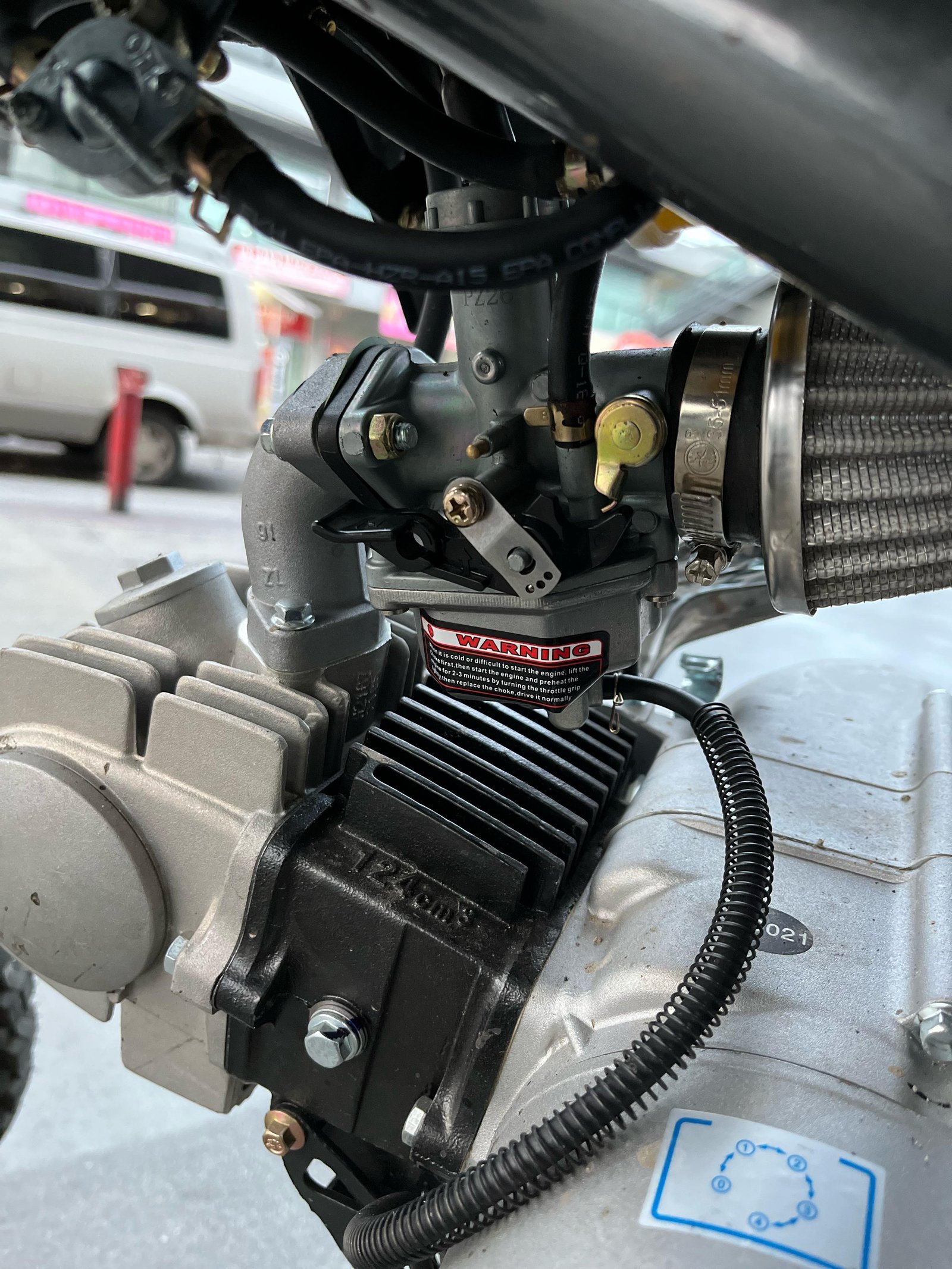
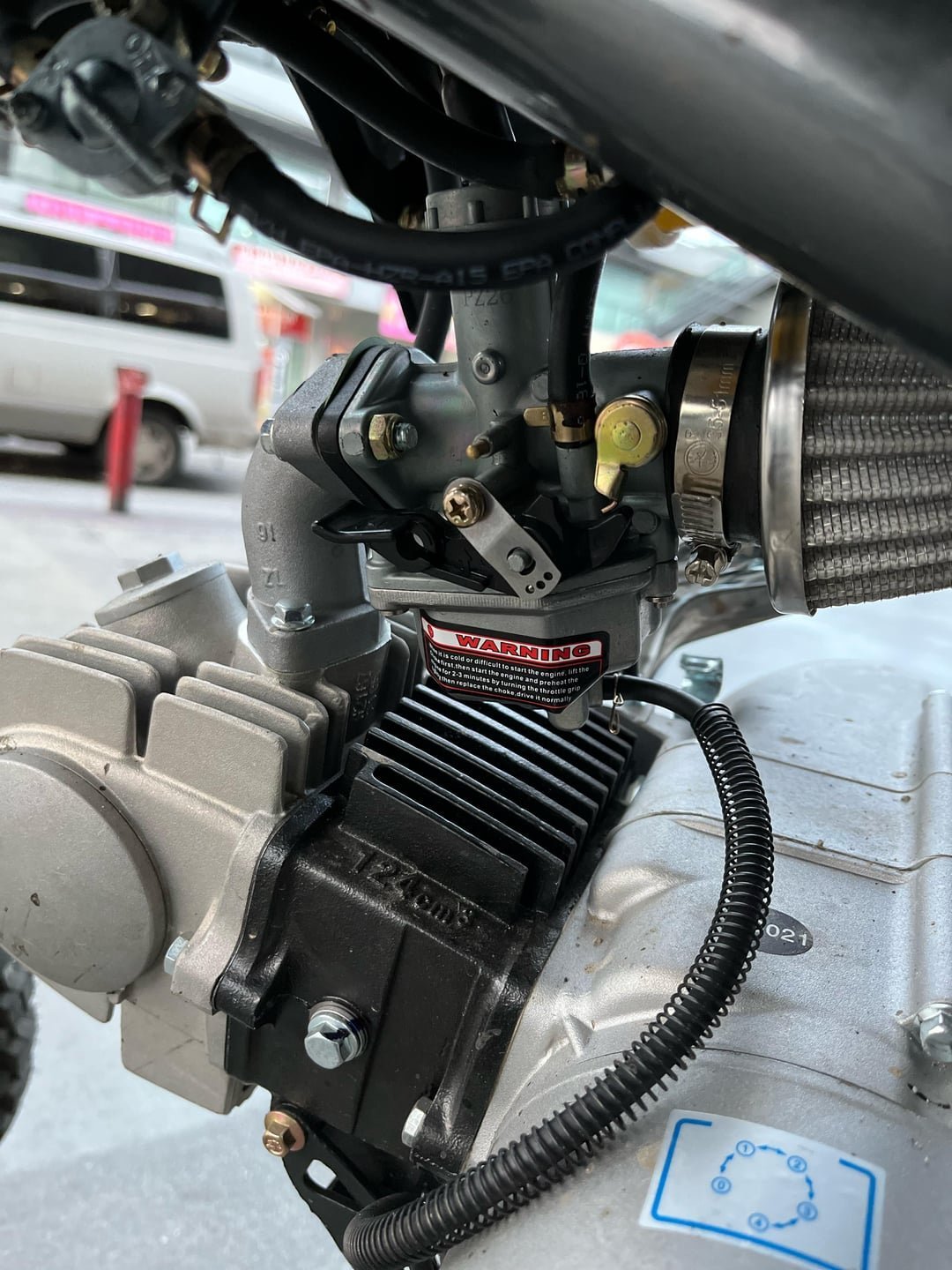
- Locate the choke control on the left side of your carburetor, or check near the left grip for a thumb lever. This varies by model — check the label on your frame or carb body if you can’t spot it.
- Pull the plunger knob straight out until it clicks into its open detent, or flip the lever all the way to “CHOKE” or “ON”.
- Turn your fuel petcock valve to “ON” and switch the ignition key or red kill switch to “RUN”.
- Kick-start the bike or push the electric starter button without touching the throttle grip at all. Tip: If the engine coughs once and dies, leave the choke engaged and kick it once more; don’t touch the throttle.
- Let the motor idle for 15 to 30 seconds until the engine speed climbs to a fast, smooth buzz.
- Push the choke plunger completely back in, or move the bar lever back to “OFF” or “RUN”. Tip: If the engine starts sputtering when you push it in, pull it halfway out for another 20 seconds.
- Blip the throttle gently twice to confirm the engine responds without stalling. If the bike refuses to idle even after carb adjustments, take the carburetor to a certified motorcycle technician for a chemical sonic cleaning.
How long it takes
Warm-up time depends on air temperature and whether the bike has been sitting overnight or running recently.
| Situation | How long | What changes it | What to watch for |
|---|---|---|---|
| Cold day (under 50°F) | 60 to 90 seconds | Engine displacement and oil thickness | Engine sputtering if closed too early |
| Mild day (65°F to 80°F) | 15 to 30 seconds | Pilot jet size and humidity | Smooth, rising idle speed |
| Warm restart (engine hot) | 0 seconds (no choke) | Time parked since last ride | Instant flooding if choke is pulled |
If the engine fails to maintain a steady idle after three minutes of warm-up, inspect your carburetor jets for varnish or debris.
How to tell when it’s done
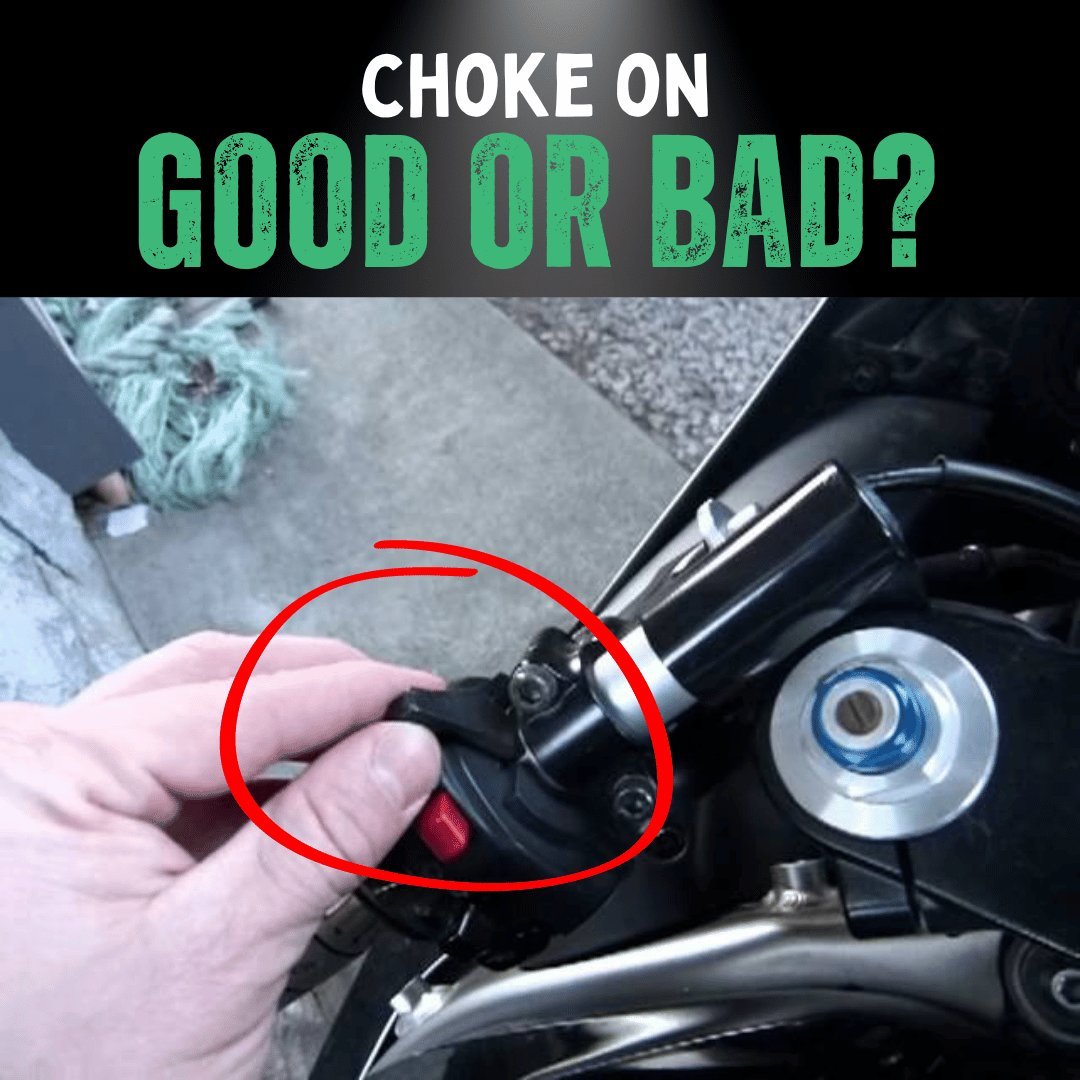
A cold engine on choke often idles at a higher speed because the enriched mixture allows for more efficient combustion during the warm-up phase. Listen for the exhaust note: when the engine settles into a steady, fast rhythm, push the knob in. The bike is ready when the exhaust clears, the idle drops to its normal burble, and the engine revs quickly without bogging down.
The trade-off of quick warm-ups is burning unburnt fuel, which builds carbon over time. This procedure isn’t for modern fuel-injected dirt bikes, which manage air ratios automatically via an ECU sensor.
Mistakes that ruin it
- Riding with the choke left on: Unburned fuel washes protective oil film off cylinder walls, which ruins piston rings and costs hundreds of dollars in top-end rebuilds. Always push the knob in before your wheels roll.
- Cracking the throttle during cranking: Twisting the throttle lets too much air into the intake tract and prevents fuel siphoning. Keep your right hand resting on the front brake lever instead of the rubber grip.
- Choking a warm engine: Pulling the plunger on an engine that ran ten minutes ago floods the combustion chamber with wet gas. Leave the lever off unless the motor has sat parked for several hours.
Frequently asked questions
Can you start a dirt bike without using the choke?
Yes, if the engine is already warm from riding, or if the outside weather is very hot. Try kicking the motor once without choke first; if it fails to fire, pull the choke knob out immediately.
What happens if I leave the choke on while riding?
The engine runs rich, sputters at mid-throttle, wastes gas, and fouls the spark plug with black soot. In severe cases, raw fuel leaks past piston rings and thins your crankcase oil.
Why does my dirt bike die when I turn the choke off?
Your carburetor’s pilot jet is likely clogged with old fuel deposits. The choke feeds fuel through a separate passage, so when you close it, a blocked main idle circuit starves the motor of gas.
Is the choke pushed in or pulled out?
The choke is on when pulled out or flipped up, and off when pushed completely in against the carb body. Always verify the plunger sits flush inside its boot before riding.
Why won’t my dirt bike start even with the choke on?
Old gasoline, a fouled spark plug, or a dead battery usually cause this failure. Drain old bowl fuel, check the plug gap for black carbon, and verify the kill switch is set to run.
Final Thoughts
Once your engine warms up and idles smoothly, don’t forget to push that knob back in or flip the lever up. If you leave it engaged while riding, your bike won’t run well. Keep an eye on your spark plug’s color later, as it’ll tell you if your fuel mixture is just right.
Related guides