
You can save money and reduce waste by refurbishing plastic chairs with the right spray paint. This process works best on chairs that are structurally sound but faded or stained from sun exposure. Start by cleaning surfaces thoroughly to ensure the new finish adheres without peeling. If the plastic is brittle or has deep cracks, replace the item instead.
Ways to refurbish plastic chairsWays to refurbish plastic chairs
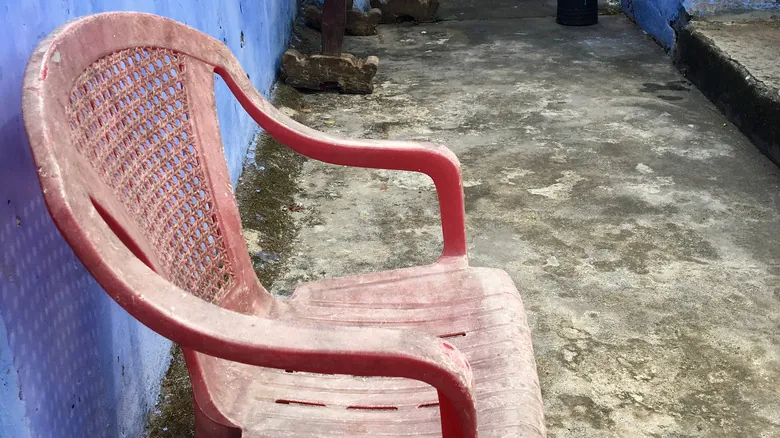
The following table helps you decide if your furniture is a good candidate for a refresh.
| Your situation | Answer | Why |
|---|---|---|
| Faded, chalky color | Yes | Surface oxidation is easy to cover |
| Deep cracks or holes | No | Structural integrity is permanently lost |
| Loose joints or wobbling | No | Plastic welds rarely hold weight safely |
| Light surface scratches | Yes | Sanding smooths the texture for paint |
| Brittle, snapping plastic | No | Material degradation can’t be reversed |
| Discoloration from mold | Yes | Cleaning removes organic growth stains |
Test your plastic by pressing a thumbnail into an inconspicuous area like the underside of the seat. If the plastic leaves a permanent white mark or feels soft, the polymer has lost its plasticizers and will fail under weight regardless of a new paint job.
If you choose to paint, you must use a spray formula specifically labeled for plastics, such as a fusion-bonding enamel. Standard exterior paints will peel within three months because they can’t chemically bite into the non-porous surface.
Avoid the common mistake of skipping the degreaser. Even if the chair looks clean, invisible body oils and sunscreen residue prevent the paint from adhering. Wipe the entire surface with a mixture of water and trisodium phosphate before sanding. If you see the water beading up rather than sheeting off, the surface is still too contaminated for a durable finish.
Factors affecting your success
The primary factor determining success is the type of plastic used in the manufacturing process. Many outdoor chairs are made from high-density polyethylene (HDPE) or polypropylene, which are notoriously difficult for standard paints to bond with. If you don’t use a specialized plastic-bonding primer, the paint will likely flake off after the first rain or temperature shift.
Check the underside of the chair for a resin identification code. If you see the number 2 or 5, you’re working with HDPE or polypropylene. These materials require a primer explicitly labeled for “plastics” or “polyolefins.” Skipping this specific chemical bond costs you the entire project, as the paint will peel in sheets within weeks.
Surface preparation is the second critical factor. Plastic develops a microscopic layer of oxidation over time, which acts like a barrier against new paint. If you skip the sanding step, the paint will sit on top of this loose layer rather than biting into the material. Use a 220-grit sandpaper to scuff the surface until it loses its glossy sheen. This creates the mechanical tooth necessary for the primer to grip.
Finally, the ambient temperature while you work changes how the finish cures. If it’s below 50 degrees Fahrenheit, the paint won’t dry evenly and may remain tacky for days. Aim for a window where the temperature remains between 65 and 85 degrees for at least 24 hours.
If the chair is structurally solid, proceed with cleaning and painting. If the chair shows signs of snapping or deep structural fatigue, recycle it safely.
Steps for a lasting finish
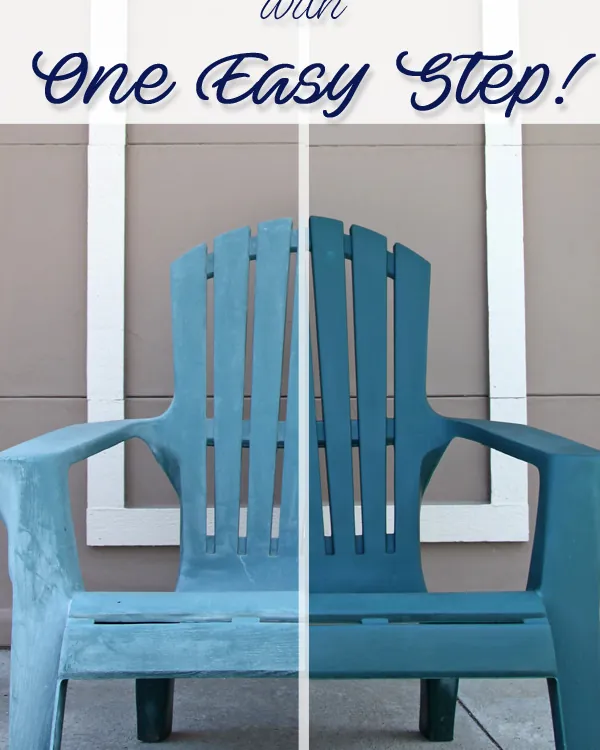
- Clean the surface thoroughly. Mix 1 cup of mild dish soap into 1 gallon of warm water. Scrub the chair with a soft-bristled brush to remove all dirt, mold, and oils, then rinse with a hose and let it air dry for at least 24 hours.
- Sand the entire chair. Use 220-grit sandpaper to lightly scuff the surface until it looks dull. This step creates a “tooth” for the primer to grip, and you should wipe away all dust with a damp cloth before moving on.
- Apply a plastic-specific primer. Use a spray primer labeled for “plastic” or “all-surface” use. Hold the can 8-10 inches from the surface and apply two thin, even coats, waiting 20 minutes between applications to prevent drips.
- Spray the final color. Use a high-quality outdoor enamel spray paint designed for plastic. Apply three light coats instead of one heavy coat, allowing at least 1 hour of drying time between each layer to ensure a smooth, durable finish.
- Cure the paint fully. Allow the chair to sit in a shaded, dry area for at least 48 hours before sitting on it. This curing time ensures the chemical bonds in the paint are strong enough to withstand weight and weather.
The mistake people make
The most common mistake is skipping the primer or using a paint not specifically formulated for plastic. People often assume any exterior spray paint will stick, but the low-energy surface of polypropylene repels standard coatings. This results in the paint peeling or bubbling within just a few weeks of outdoor use, effectively wasting the time and money you spent on the project.
You can avoid this by checking the label on the back of the can to ensure it explicitly states “bonds to plastic.” If the label doesn’t mention plastics, put it back. Don’t assume universal coverage.
Most DIYers fail to realize that even specialized paints struggle with high-gloss surfaces. If your furniture feels slick to the touch, use 220-grit sandpaper to dull the finish before applying your first coat. This creates the mechanical tooth necessary for the paint to grip.
Always test the paint on the underside of the seat first. If the paint remains tacky after twenty-four hours, the chemical reaction between the solvent and the plastic is failing. In that case, strip the surface immediately and switch to a dedicated plastic-bonding primer.
When to seek professional help
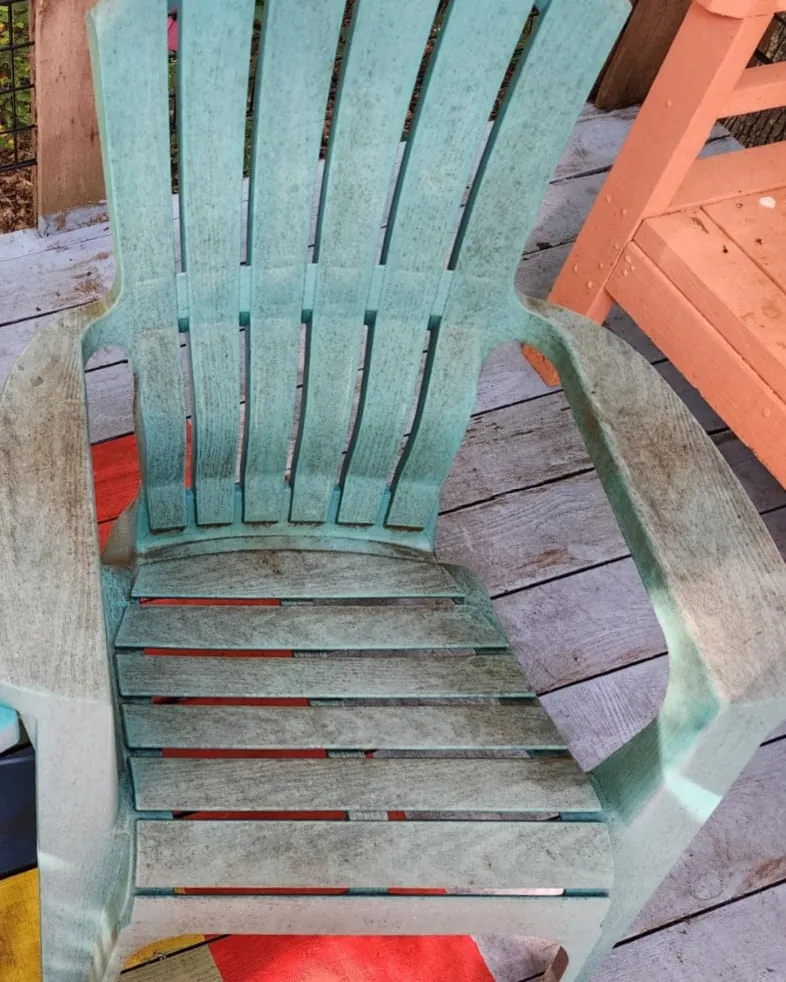
If the plastic has deep cracks or sharp edges, it’s a sign of material failure that can’t be fixed and poses a safety risk. These fractures indicate the polymer chain has degraded beyond the point of structural integrity. Attempting a repair here will only lead to a sudden collapse under weight.
If the chair legs are bent or permanently warped, don’t attempt to straighten them. The plastic has reached its yield point, and applying heat or force will cause the material to snap instantly.
If you’re dealing with professional-grade commercial furniture, contact the manufacturer for specific repair guidelines. These pieces often require proprietary chemical treatments or specialized resins that aren’t available in retail stores. Using standard epoxy on these high-density plastics will result in a bond that peels away within weeks.
If you lack the space to work in a well-ventilated area, move the project outdoors. Spray paint fumes contain volatile organic compounds that cause respiratory distress. If you can’t ensure a constant cross-breeze, the cost of a professional repair is far cheaper than a medical emergency.
Frequently asked questions
Can I paint plastic chairs without sanding?
You can paint plastic without sanding using specialized bonding sprays, though the finish will be less durable. Sanding with 220-grit paper creates a texture that helps paint adhere and prevents future peeling. Note that skipping this step often leads to premature flaking.
How long does a refurbished plastic chair last?
A properly refurbished chair will typically last for a significant period before needing a touch-up, assuming it’s stored in a shaded area during winter. If the chair stays in direct, harsh sunlight year-round, you might notice fading sooner. The longevity depends entirely on the quality of the plastic primer you choose and how thoroughly you cleaned the chair before starting the project.
Is it safe to paint chairs I use for food?
It’s safe to paint chairs used for dining as long as the paint has fully cured for at least 48 hours. Ensure you use an outdoor-rated enamel that’s dry to the touch and has no lingering chemical smell. If you’re concerned about direct contact with food, you can place a seat cushion or a fabric cover over the chair to provide an extra layer of protection.
Why is my spray paint sticky after 24 hours?
Your paint is sticky because the air temperature is likely below 50 degrees Fahrenheit or the humidity is above 70 percent. These conditions prevent the solvents in the paint from evaporating, leaving a tacky residue behind. Move the chair to a warmer, drier environment and give it another 24 hours to cure. If it remains sticky, the paint layer may be too thick or the environment is too damp.
How many cans of paint do I need?
You’ll typically need 2 cans of primer and 3 cans of color for a standard set of 4 plastic chairs. This assumes you’re applying two coats of primer and three light coats of color per chair. If you’re painting a dark plastic chair with a lighter color, you may need an extra can of primer to ensure the old color doesn’t show through the new finish.
Does the brand of paint matter?
Choose brands that explicitly feature plastic-bonding technology on the label rather than generic all-purpose sprays. These specialized formulas contain superior resins that resist UV-induced brittleness and chalking. Always follow the specific application instructions provided by the manufacturer for the best results.
Conclusion
Start by scrubbing your chairs with warm soapy water to remove all dirt and debris. Once the surface is clean and dry, you’ll be ready to sand and paint to achieve a fresh, new look.