
Recovering chairs with backs means removing the old fabric from the seat and back panels, repairing the frame and padding underneath, and stapling new upholstery in its place. It’s one of the most practical ways to extend the life of dining chairs, office chairs, and armchairs without replacing the whole piece.
Key Takeaways
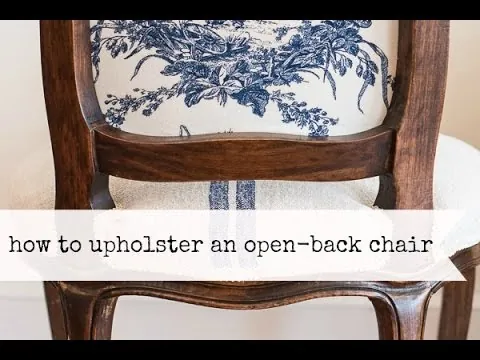
- Take photos of the chair from every angle before you remove a single staple so you can see exactly how the original fabric was laid out.
- Label each piece of old fabric with masking tape and a marker as you remove it; these pieces become your patterns for cutting the new material.
- Buy at least one yard of upholstery-grade fabric per dining chair back, plus extra for pattern matching and mistakes.
- Use a heavy-duty staple gun and 3/8-inch staples for most wood-frame chairs; office chairs may need screws or hook-and-loop strips instead.
- Start stapling in the center of each edge and work toward the corners, pulling the fabric tight as you go.
- Replace batting or foam if the old padding is compressed, torn, or smelly; new padding makes the biggest difference in comfort.
Tools and Materials You Need
Before you start, gather everything so you don’t have to stop mid-project. Upholstery fabric is heavier and more tightly woven than drapery or clothing fabric, which is why it holds up to daily sitting.
- Heavy-duty staple gun (manual or electric)
- 3/8-inch or 1/4-inch upholstery staples
- Staple remover or flathead screwdriver
- Needle-nose pliers for pulling stubborn staples
- Scissors or a rotary cutter
- Measuring tape
- Upholstery fabric
- Batting or foam padding (1/2-inch to 1-inch thickness)
- Screwdriver or drill for removing the seat and back from the frame
- Marker and masking tape for labeling old pieces
Upholstery fabric is the outer layer people see and touch. Batting is the soft, quilted layer that goes between the frame and the fabric to smooth out edges and add comfort.
Remove the Seat and Back from the Frame
Most chairs with backs are built in two parts: the seat and the backrest. They usually attach to the frame with screws underneath or at the rear joints. Flip the chair over and unscrew the seat frame first, then remove the back panel if it’s held by separate screws.
Set the screws in a small container so they don’t roll away. If the seat and back are one piece, you can recover the whole unit without separating it, but you’ll need more fabric to wrap around both sections.
Pro Tip: Take a photo of the underside before you unscrew anything. It shows you exactly where each screw goes and how the original webbing or springs were attached.
Strip the Old Fabric and Padding
Lay the seat or back upside down on a work surface. Use the staple remover and pliers to pull out every staple holding the old fabric. Work slowly so you don’t tear the underlying foam or webbing.
As you remove each panel, label it with masking tape: “seat top,” “back left,” “back right,” and so on. These old panels are your cutting guides. Keep them until the new chair is finished.
Inspect the foam and batting once the fabric is off. If the foam is crumbling, permanently compressed, or has an odor, replace it. If the webbing under the seat is sagging, staple new webbing across the frame before you add new padding.
Warning: Wear gloves when pulling staples. Old staples are sharp and can puncture skin easily.
Cut the New Fabric
Lay your new fabric wrong-side up on a clean floor or table. Place the old fabric panels on top, wrong side up as well, and trace around them with a marker. Add 2 to 3 inches of extra fabric on every side so you have enough to pull tight and staple underneath.
If your fabric has a stripe, floral repeat, or other directional pattern, lay all the pieces in the same direction before cutting. You may need extra yardage to match the pattern across the seat and back.
Cut the batting or foam slightly smaller than the fabric pieces so the edges don’t bunch up when you wrap the fabric around the frame.
Recover the Seat
Place the new batting over the seat frame, then lay the fabric on top, right side up. Center it so the pattern looks straight from the front. Flip the unit over and pull the fabric taut at the center of the back edge. Insert one staple to hold it temporarily.
Move to the front edge, pull tight, and add one staple. Repeat on the left and right edges. Now you have the fabric anchored at four points. Add more staples between them, working from the center toward the corners, pulling the fabric tight with each staple.
Fold the corners neatly, like wrapping a present, and staple them securely. Trim excess fabric if needed, but leave at least half an inch beyond the last row of staples.
Recover the Back Panel
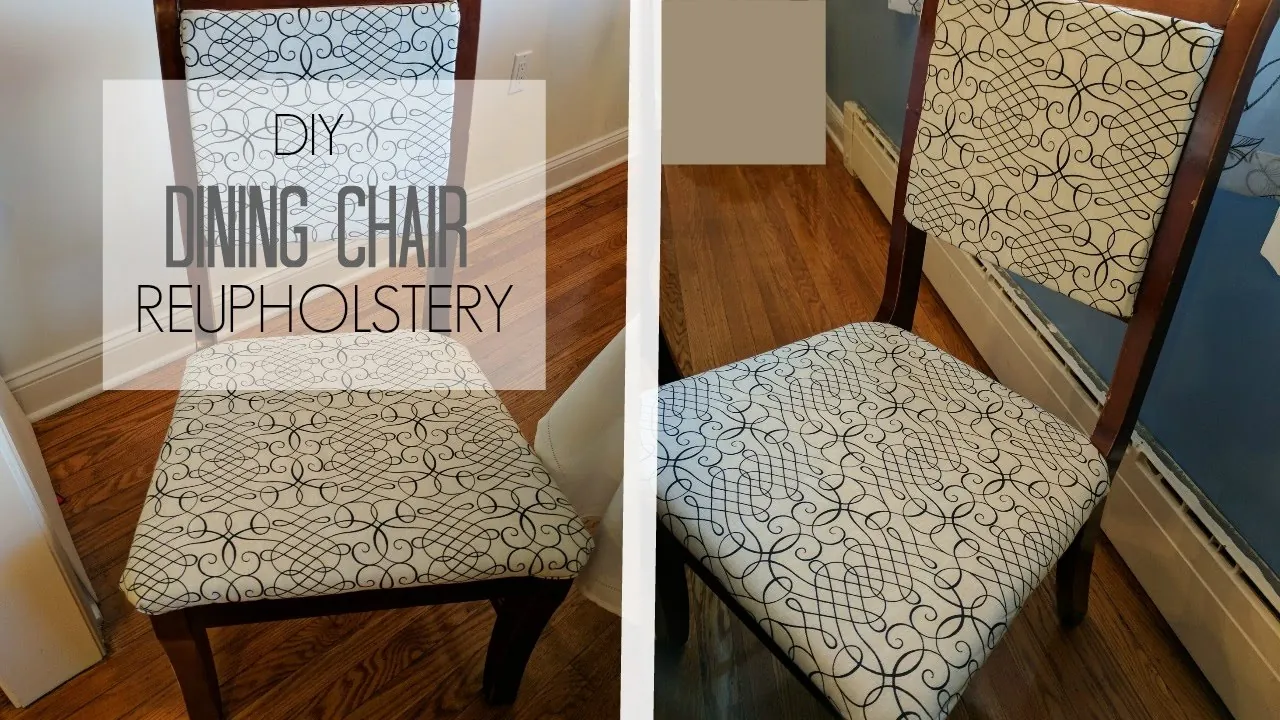
The back works the same way as the seat, but gravity pulls differently on a vertical surface. Start at the top center edge, pull the fabric tight, and staple. Then do the bottom center, left center, and right center. Fill in between, always pulling toward the center of the panel so the fabric stays smooth.
If the back has curves or rounded corners, make small relief cuts in the fabric at the curve so it can fold without puckering. Don’t cut so far that you weaken the edge.
For chairs where the back is upholstered on both sides, recover the front first, then wrap the edges around to the back and staple them down before doing the rear panel.
Reattach to the Frame and Finish
Set the recovered seat back onto the chair frame and drive the screws through the original holes. Do the same for the back panel. Check that nothing wobbles.
Turn the chair right side up and sit on it gently. The fabric should feel firm, not baggy. If you see wrinkles, you can usually pull them out by removing a few staples, re-tensioning the fabric, and restapling.
Trim any loose threads. If the underside looks rough, you can staple a piece of black breathable fabric over the staples for a cleaner look, though this is optional.
Fabric Yardage Guide
| Chair type | Fabric needed (typical) | Notes |
|---|---|---|
| Dining chair seat only | 3/4 yard | Assumes standard 18-inch seat |
| Dining chair seat and back | 1 to 1 1/2 yards | Depends on back height |
| Office chair back | 1 to 2 yards | Depends on back size |
| Armchair back | 2 to 3 yards | Larger panels and curves |
Buy a little more than the table suggests if your fabric has a large pattern repeat or if this is your first project.
Choosing the Right Fabric
Not every fabric works for chair backs. Look for upholstery-grade cotton, linen blends, polyester, or performance weaves. Avoid lightweight quilting cotton or silk, which will tear and sag quickly.
If the chair is in a home with children or pets, consider a stain-resistant or crypton fabric. For a formal dining room, a durable cotton blend or velvet works well. Always check the fabric’s double-rub rating if it’s listed; higher numbers mean more abrasion resistance.
Common Problems and Fixes
| Problem | Likely cause | Fix |
|---|---|---|
| Wrinkles in the fabric | Not pulled tight enough | Remove staples, re-tension, restaple |
| Fabric tearing at corners | Lightweight fabric or staples too close to edge | Use upholstery fabric; leave 1/2-inch margin |
| Sagging seat after recovery | Old foam or webbing not replaced | Replace foam and/or webbing before recovering |
| Staples won’t hold | Wood frame is split or too thin | Reinforce with wood glue or longer staples |
| Pattern looks crooked | Pieces cut in different directions | Recut all pieces with pattern aligned |
Cost to Recover Chairs
| Item | Typical cost range |
|---|---|
| Upholstery fabric (per yard) | $15–$60 |
| Batting or foam | $10–$30 |
| Staples and basic supplies | $5–$15 |
| Staple gun (if you don’t own one) | $20–$50 |
| Professional labor per chair | $75–$200 |
Doing it yourself costs far less than buying new chairs, but your time is part of the price. A first dining chair may take two to three hours; later chairs go faster.
Frequently Asked Questions
Can I recover a chair without removing the old fabric?
You can staple new fabric over old fabric only if the old layer is thin, tight, and in perfect condition. Most of the time, removing the old fabric gives a smoother result and lets you inspect the padding underneath.
How do I know if the foam needs replacing?
Press the seat with your hand. If it feels hard, crumbly, or doesn’t spring back, replace it. If it has a musty smell or visible tears, new foam is worth the cost.
What staple size should I use?
Three-eighths-inch staples work for most wood-frame dining chairs. Thinner frames may need 1/4-inch staples so the metal doesn’t poke through the front.
Can I recover an office chair back the same way?
Office chair backs often attach with plastic shells, screws, or hook-and-loop strips rather than staples. Check how yours is assembled before you start; you may need to reuse the original fasteners.
How long does one chair take?
Expect two to four hours for your first dining chair seat and back. Once you know the steps, later chairs often take one to two hours each.
Conclusion
Take your time with the first chair. Remove the old fabric carefully, use those pieces as your patterns, and pull the new fabric tight before you staple. Once you finish one chair, the rest of the set will go much faster.