
To polish a dirt bike frame, wet sand the bare aluminum up to 2000-grit and buff it with metal compound. The whole job takes between two and four hours for both frame spars. You’ll spend very little on materials if you own basic tools. The difficulty is medium, but it requires patience. The one thing you must have before starting is an unpainted, bare aluminum frame.
Supplies for polishing your bike frame
| Item | How much | Why it’s needed | A substitute |
|---|---|---|---|
| Wet-dry sandpaper (400-grit) | 2 sheets | Cuts heavy boot rub and deep scratches | 320-grit for deep gouges only |
| Wet-dry sandpaper (800-grit) | 2 sheets | Smooths coarse sanding scratches evenly | 600-grit wet sandpaper |
| Wet-dry sandpaper (1500-grit) | 2 sheets | Refines aluminum surface before buffing | 1200-grit wet sandpaper |
| Wet-dry sandpaper (2000-grit) | 2 sheets | Creates the final pre-polish finish | none — don’t swap this |
| Aluminum polish paste | 4 ounces | Restores mirror reflection into bare metal | Liquid aluminum polish |
| Microfiber cloths | 4 towels | Buffs off residue without surface scratching | Clean cotton terry towels |
| Spray bottle with water | 16 fluid ounces | Lubricates paper during the sanding steps | Mild soapy water mix |
Before you start
- Turn off the fuel petcock and move the dirt bike onto a sturdy center stand.
- Wash the bike completely with soap and water to clear off every speck of grit and mud.
- Remove the plastic frame guards, skid plate, and lower side panels to expose the metal.
- Mask the engine cases, radiator hoses, and rubber seals with heavy tape so sandpaper doesn’t touch them.
- Skipping the thorough wash causes deep grit scratches during sanding, which ruins the metal.
- This process works on bare aluminum; if your frame has factory clear coat or powder coat, chemical stripping requires commercial equipment and hazardous waste handling.
Step by step
-
Spray a 12-inch section of the aluminum frame with plain water until the metal is completely wet.
-
Sand the wet area using 400-grit paper in straight, back-and-forth strokes for three minutes to erase boot marks. You’ll know it worked when the deep scratches disappear into an even, flat gray patch.
-
Wipe the gray slurry away with a damp microfiber cloth to check your progress. The surface must look uniformly dull with no leftover shiny low spots.
-
Spray the spar again and sand with 800-grit paper for three minutes across the previous sanding marks. The surface should feel silky smooth to your bare fingertips.
-
Mist the frame with water and sand with 1500-grit paper for four minutes using light pressure. You’ll see the aluminum turn from dull gray to a faint, satiny sheen.
-
Wet the frame one last time and sand thoroughly with 2000-grit paper for four minutes. The metal is ready when you can see cloudy reflections of overhead lights.
-
Wipe the entire aluminum spar dry with a clean cloth so no damp spots or grit remain. The metal surface must be bone-dry before you apply any chemical paste.
-
Rub a quarter-sized dab of aluminum polish paste onto an eight-inch section using a dry cloth. The paste turns jet black within thirty seconds as it oxidizes metal particles.
-
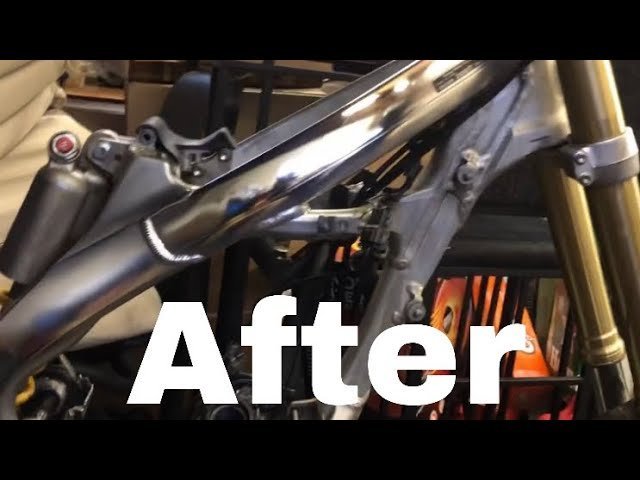
Buff the black haze off immediately using a clean microfiber cloth with fast, circular hand motions. The bare aluminum will instantly show a bright, mirror-like reflection.
How to know it worked
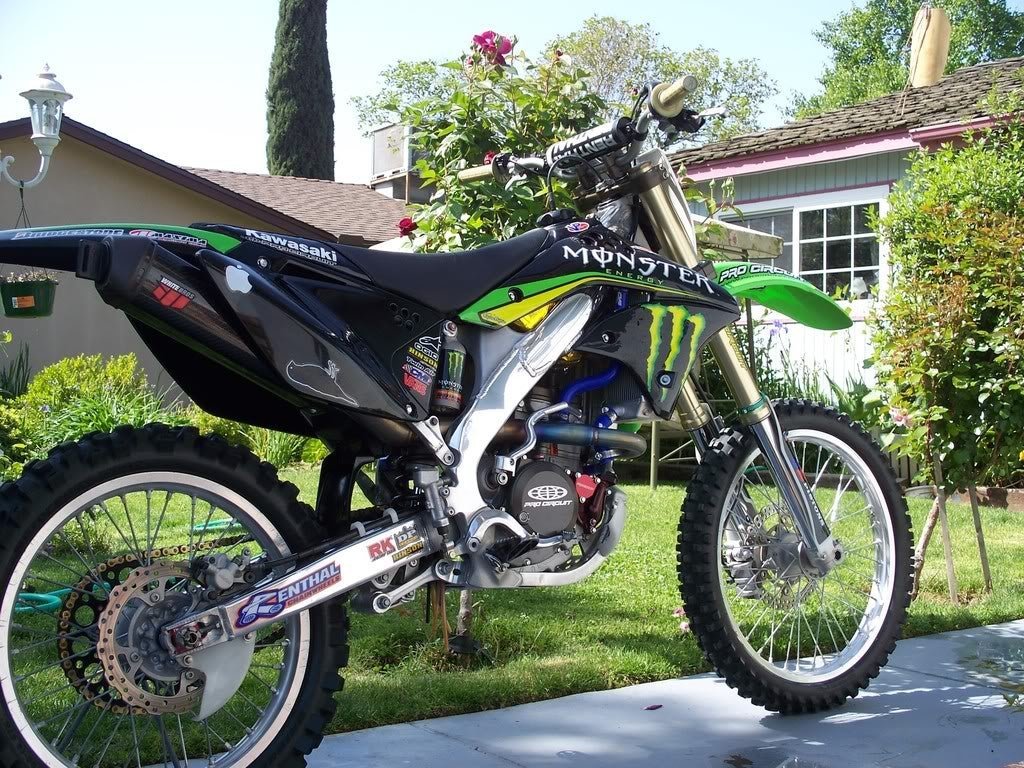
A successful job produces a clear reflection where you can read text held near the frame. The aluminum surface feels completely slick without any ridges under your fingernail. If you see cloudy patches, faint swirls, or sanding lines under bright sunlight, the metal needs a second pass with 2000-grit paper and fresh paste.
Working with bare metal creates fine airborne dust during dry prep, so check standard shop rules such as the OSHA personal protective equipment standards to protect your lungs and skin. Boot wear will scuff the gloss quickly; if you want easy maintenance, stick with a brushed finish, but if you want bike-show shine, accept the regular upkeep. This method isn’t for riders who tackle rocky woods without frame protection.
If something goes wrong
| What happened | Why | What to do |
|---|---|---|
| Deep sanding swirls remain | Jumped grits too fast or skipped 800-grit | Sand again with 800 then 1500-grit |
| Metal turns cloudy white | Polish paste dried out on warm frame | Apply fresh paste to dissolve haze |
| Black residue won’t rub off | Used dirty cloth loaded with old compound | Switch to a clean microfiber towel |
| Uneven dark patches appear | Metal still had grease or chain lube | Clean bare metal with isopropyl alcohol |
| Frame still shows deep dents | Sandpaper can’t fill lost metal volume | Leave dents or seek professional welding |
How often to do this
Buff the frame spars with metal polish regularly to remove fresh boot marks. You won’t need to re-sand the metal unless you ride in deep mud without frame guards. Two main things change this schedule: track conditions and your boot material. Gritty sand acts like coarse sandpaper against your frame, which cuts mirror finishes in a single afternoon. If your bike stays on dry hard-pack, do A: simple hand-buffing whenever you notice it; if you ride sandy tracks, do B: run clear grip tape over the polished spars to protect them. This finish varies by model year—check your owner manual for frame coatings.
Frequently asked questions
Can you polish a dirt bike frame without taking it apart?
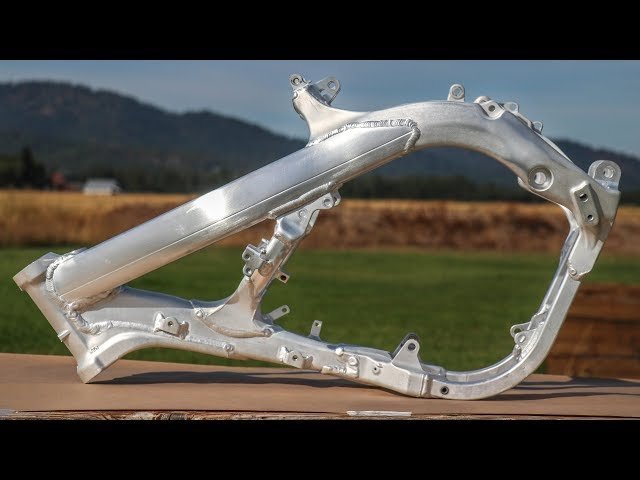
Yes. You can leave the engine in the chassis if you mask the surrounding parts with tape. Taking off your plastics, skid plate, and footpegs gives you enough working room to reach the exposed frame spars safely without scratching neighboring parts.
Why did my polished frame turn dull after washing?
Strong alkaline wash soaps react with bare aluminum and cause white oxidation. Use pH-neutral bike wash soap and dry the frame with a clean towel right after washing. A fast hand rub with metal polish will clear the white haze quickly.
How long does a polished dirt bike frame last?
About two to four rides before boot friction creates dull spots. Bare polished aluminum has no protective layer against friction or dirt. If you don’t install clear frame decals over the rub zones, the glossy mirror finish will rub away where your boots grip.
Is it safe to use a mechanical buffer on the frame?
Yes, but use caution with small rotary tools. High-speed buffing wheels can overheat aluminum and fling black compound onto plastic parts. Keep the tool moving constantly on low speeds to prevent leaving ripples or burning the metal finish.
What happens if I polish an anodized dirt bike frame?
You’ll grind through the colored anodized coating and ruin the finish. Sandpaper removes the thin surface layer unevenly, creating ugly bare blotches. Never sand or compound an anodized frame unless you plan to strip off all factory color chemically first.
Does polishing make the frame weaker?
No. Wet sanding with fine 400 to 2000-grit paper removes mere microns of surface metal. Dirt bike frame spars are thick enough that standard surface polishing causes no structural thinning or loss of strength, provided you don’t grind deep with power tools.
Final Thoughts
Once your frame shines like a mirror, apply a high-quality metal sealant to protect that fresh finish from oxidation and grime. It’s a simple extra step that’ll keep your bike looking sharp for much longer. You’ll be glad you did it when you’re out hitting the trails next weekend.
Related guides