
Is your old house showing signs of a sagging floor? It can be unsettling to notice those dips and uneven spots beneath your feet.
You might worry about safety, damage, or the cost of repairs. The good news is, you don’t have to live with a sagging floor or call in expensive professionals right away. You’ll discover simple, effective ways to fix your sagging floor and bring back the solid, level foundation your home deserves.
Keep reading to learn how you can protect your investment and enjoy a safer, more comfortable living space.
Common Causes Of Sagging Floors
Sagging floors in old houses often signal deeper problems. Understanding the common causes helps fix the issue properly. This knowledge protects your home and keeps it safe.
Foundation Issues
A weak or shifting foundation can cause floors to sag. Old foundations may crack or settle unevenly. This leads to uneven support under the floor. Repairing the foundation often stops further sagging.
Water Damage
Water can soak into wood and weaken it. Leaks from pipes or roofs cause this damage. Wet wood loses strength and starts to bend or sag. Fixing leaks and drying the area is key.
Termite Infestation
Termites eat wood from the inside out. They can hollow out floor joists and beams. This hidden damage makes floors weak and saggy. Professional pest control is needed to remove termites.
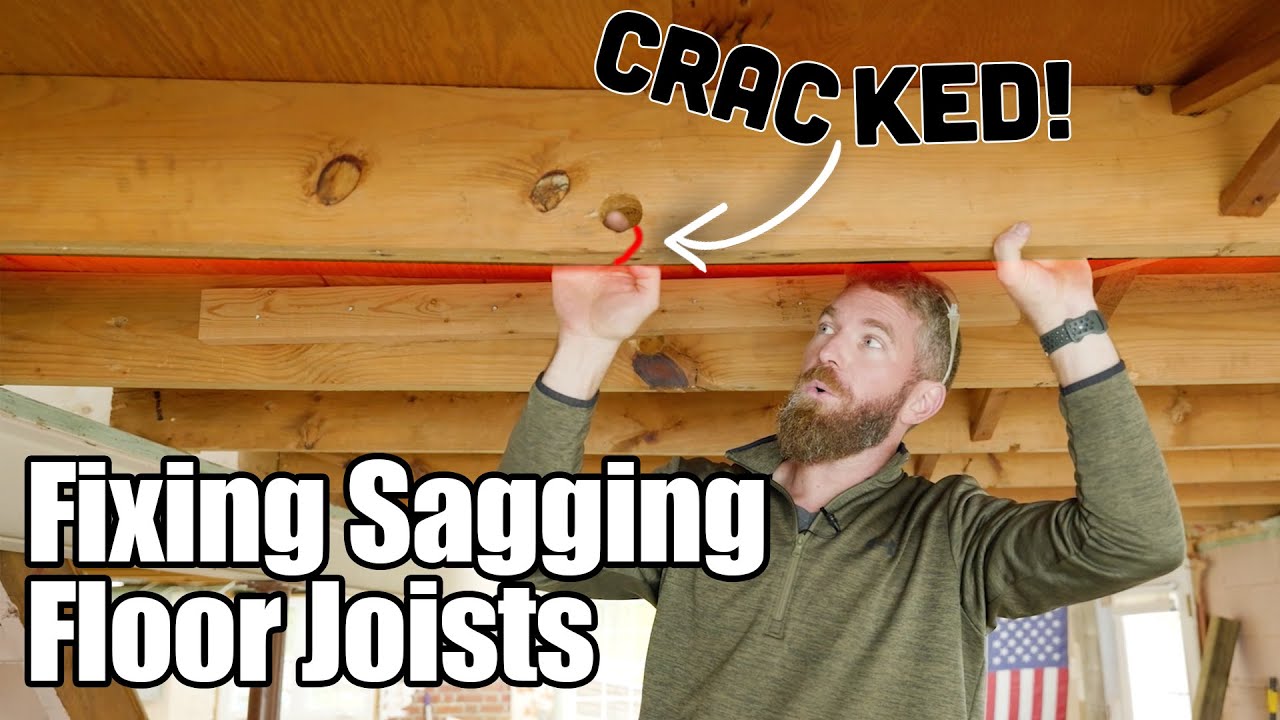
Worn Out Joists And Beams
Joists and beams support the floor above. Over time, they can wear down or rot. Heavy loads or age cause this weakening. Replacing or reinforcing these parts restores floor strength.
Credit: www.youtube.com
Tools And Materials Needed
Fixing a sagging floor in an old house needs the right tools and materials. These help you work safely and get the job done well. Prepare all items before starting. This saves time and avoids problems during repair.
Basic Hand Tools
You need simple hand tools for measuring, cutting, and fastening. A tape measure helps check floor height and beam length. A hammer drives nails securely into wood. Use a saw to cut wood pieces to size. A level ensures the floor is flat and even. A crowbar helps remove old boards or nails.
Support Jacks And Beams
Support jacks hold the floor up while you work. Choose adjustable steel jacks for strength and safety. Place wooden beams between the jacks and floor joists. These beams spread the weight evenly to avoid damage. Make sure the jacks fit under the floor and tighten slowly to lift sagging spots.
Wood And Fasteners
Use strong wood like treated lumber for new beams or joists. It resists rot and lasts longer. Choose the right size of nails or screws for secure fastening. Galvanized screws prevent rust in damp areas. Wood glue adds extra strength to joints. Always check that wood pieces fit well before fixing.
Safety Gear
Wear safety goggles to protect your eyes from dust and debris. Use gloves to avoid splinters and sharp edges. A dust mask keeps you safe from inhaling particles. Wear sturdy shoes to protect your feet from heavy tools or wood. Always work in a well-lit area for clear visibility.
Assessing The Floor Sag
Assessing a sagging floor in an old house is the first step to fixing it. You need to find where the problem is and how serious it is. This helps you decide what tools and materials you need. It also guides you on how much work is required. Taking time to assess the floor saves money and effort later.
Locating Problem Areas
Walk around the room slowly. Look for places where the floor dips or feels soft. Press down gently with your foot to check for weak spots. Pay close attention near walls and corners. These spots often show sagging first. Mark these areas with tape or chalk to remember them.
Measuring Floor Level
Use a level tool to measure the floor’s evenness. Place the level in different spots across the room. Check if the bubble moves away from the center. Note how much the floor drops in each spot. Write down these measurements to track the sag’s size. This helps you know how much to fix.
Checking Structural Integrity
Look under the floor if you can. Check the beams and joists for cracks or rot. Use a flashlight to see dark corners. Tap wood lightly with a hammer to hear if it sounds hollow. Soft or damaged wood means the structure is weak. Mark these places to repair or replace them.

Credit: www.youtube.com
Temporary Support Techniques
Temporary support techniques help stabilize a sagging floor during repairs. They prevent further damage and keep the floor safe. These methods are not permanent fixes but provide crucial support while you work on the main problem.
Installing Temporary Jacks
Temporary jacks hold up sagging floor joists or beams. Place them under the weak spots carefully. Use a strong base, like a wooden board, to spread the load. Slowly raise the jack until it supports the floor. Avoid sudden lifts to prevent damage. Check the jack’s position often to keep it steady.
Using Shims For Minor Adjustments
Shims fill small gaps and level uneven floors. They are thin pieces of wood or plastic. Insert shims between the joist and the support beam. Tap gently to adjust the floor’s height. Use multiple shims for a secure fit. Do not over-tighten, as this can cause stress on the wood.
Fixing Sagging Joists
Sagging joists cause uneven floors and weaken your home’s structure. Fixing these joists strengthens the floor and prevents further damage. Different methods suit different levels of sagging and damage. Use the right approach to restore your floor’s stability effectively.
Sistering Joists
Sistering means attaching a new joist alongside the old one. It adds strength and support to the sagging joist. Cut a new joist to the same length as the old one. Secure the two joists together with nails or screws. This method is quick and helps distribute weight evenly.
Adding Blocking And Bridging
Blocking and bridging are pieces of wood placed between joists. They stop joists from twisting and increase floor strength. Install blocking perpendicular between joists at intervals. Bridging connects joists diagonally, adding extra support. This simple step can reduce bounce and sag over time.
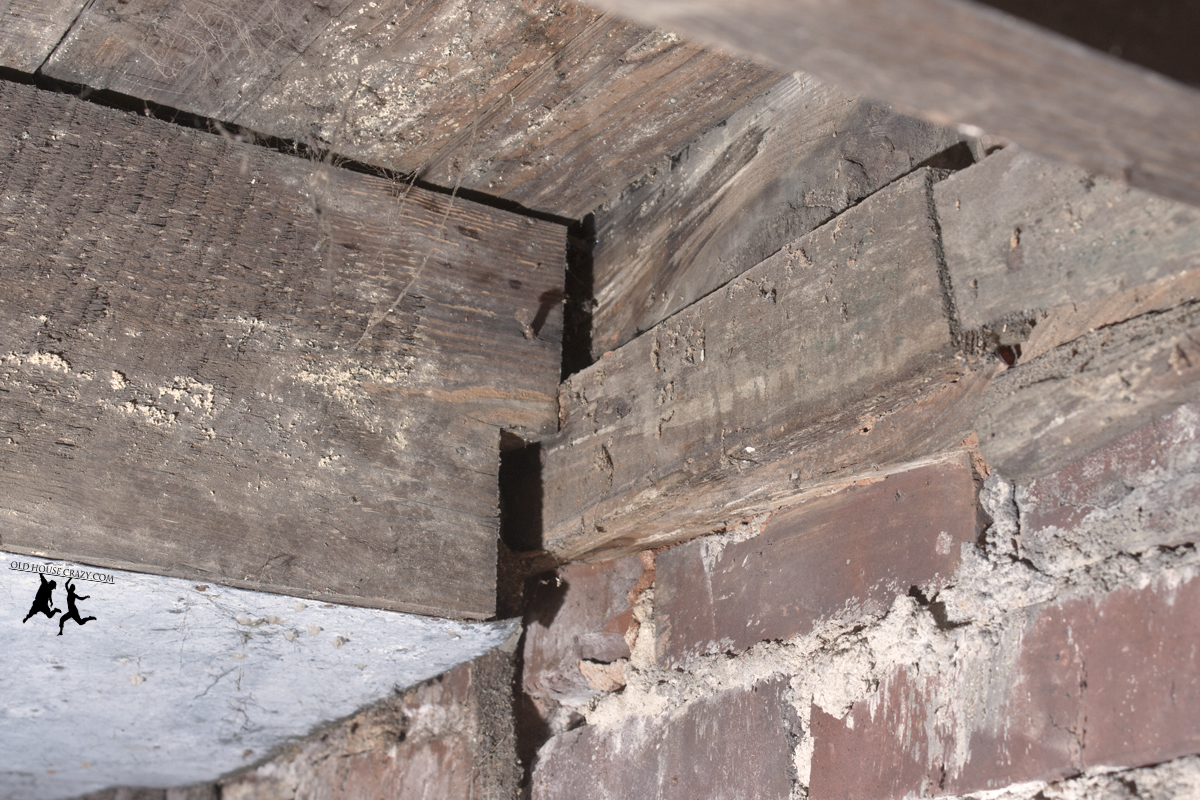
Replacing Damaged Joists
Severe damage requires removing and replacing the old joist. Cut out the damaged section carefully without harming surrounding parts. Install a new joist in the same position and secure it firmly. This method restores floor strength completely. Use strong, treated wood for long-lasting results.
Credit: oldhousecrazy.com
Reinforcing The Foundation
Reinforcing the foundation is key to fixing a sagging floor in an old house. A strong foundation supports the entire structure. It stops further damage and keeps your home safe. This section covers simple ways to strengthen your foundation. These steps help restore stability and prevent future sagging.
Adding Concrete Footings
Concrete footings provide a solid base for the house. They spread the weight of the building evenly on the soil. To add footings, dig beneath the sagging area. Pour concrete into the trench to create a firm support. Let the concrete cure fully before adding any weight. This method lifts and steadies the sagging floor.
Installing Steel Support Beams
Steel beams offer strong, long-lasting support. They can carry heavy loads and resist bending. Place steel beams under the floor joists to hold them up. Use adjustable steel posts to secure the beams in place. This solution prevents the floor from sagging further. It also strengthens weak spots in the foundation.
Addressing Moisture Problems
Moisture weakens foundation materials and causes sagging. Check for leaks or poor drainage around the house. Fix plumbing issues and clear gutters to direct water away. Use a dehumidifier in damp crawl spaces. Dry conditions protect the foundation from rot and damage. Controlling moisture helps keep the foundation firm and stable.
Leveling The Floor Surface
Leveling the floor surface is a key step in fixing a sagging floor in an old house. It makes the floor even and safe to walk on. A flat surface also helps when installing new flooring materials. This process can be done using different methods based on the floor’s condition and your budget.
Using Self-leveling Compound
Self-leveling compound is a liquid material that spreads out evenly on the floor. It fills low spots and creates a smooth surface. First, clean the floor and remove loose debris. Then, mix the compound according to the instructions. Pour it on the floor and let it settle. The compound hardens quickly, usually within a few hours.
This method works well for minor dips and uneven areas. It saves time and effort compared to other leveling options. Make sure to protect surrounding walls and furniture from spills. Use a trowel or a gauge rake to help spread the compound evenly if needed.
Sanding And Refinishing
Sanding and refinishing work best on wooden floors with slight unevenness. Sanding removes high spots and smooths the surface. Use a floor sander with medium grit sandpaper for the first pass. Follow with finer grit to get a smooth finish.
After sanding, clean the dust thoroughly. Apply a finish to protect the wood and improve its appearance. Choose a finish that matches the original floor or your style. This method restores the floor’s beauty and fixes small dips.
Preventing Future Floor Sagging
Preventing future floor sagging is key to keeping your old house safe and sturdy. Sagging floors often start with small problems that grow over time. Early care and proper maintenance stop these issues before they worsen. Focus on simple habits that protect your floor structure daily.
Regular Inspections
Check your floors often for signs of sagging or damage. Look for uneven spots, cracks, or soft areas. Early detection lets you fix small problems fast. Inspect the crawl space or basement for any wood rot or structural issues. Use a level tool to spot dips in the floor surface. Keep a record of your findings to track changes over time.
Controlling Moisture Levels
Moisture is one of the main causes of floor sagging. Keep your home dry by fixing leaks and sealing gaps. Use dehumidifiers in damp areas like basements and crawl spaces. Ensure proper ventilation to reduce humidity. Direct downspouts away from the house to avoid water pooling near the foundation. Dry wood stays strong and resists sagging.
Pest Prevention Tips
Pests like termites and carpenter ants damage wood beams and joists. Inspect your home for signs of infestations regularly. Seal cracks and holes where pests can enter. Keep firewood and debris away from the house foundation. Use pest control treatments if you find evidence of insects. Protecting your wood from pests helps maintain floor strength.
Frequently Asked Questions
What Causes A Floor To Sag In An Old House?
Sagging floors usually happen due to weak or damaged floor joists. Moisture, pests, or age can weaken the wood. Poor foundation support can also cause sagging.
How Can I Check If My Floor Is Sagging?
Look for uneven floors, cracks in walls, or doors that stick. Walk slowly to feel dips or soft spots. Use a level tool to measure floor slope.
Can Sagging Floors Be Fixed Without Replacing Joists?
Yes, some sagging floors can be fixed by reinforcing joists. Sistering joists or adding support beams can help. It depends on the damage severity.
What Tools Are Needed To Fix A Sagging Floor?
You will need a level, hammer, nails, a saw, and support beams. A jack may be required to lift the floor. Safety gear like gloves and goggles is important.
How Much Does It Cost To Fix A Sagging Floor?
Costs vary from a few hundred to several thousand dollars. It depends on damage size and repair method. Getting multiple quotes is wise.
Is It Safe To Live With A Sagging Floor?
Small sags may be safe but can get worse over time. Large sags may indicate structural problems and risk collapse. It’s best to inspect and repair quickly.
Can Moisture Cause Floors To Sag In Old Houses?
Yes, moisture can rot wood and cause floor joists to weaken. Leaks from plumbing or poor drainage are common causes. Controlling moisture helps prevent sagging.
How Long Does It Take To Fix A Sagging Floor?
Minor repairs may take one to two days. Major joist replacements can take several days to a week. Time depends on job complexity.
Should I Hire A Professional To Fix Sagging Floors?
Professionals ensure safe and proper repairs, especially for major damage. DIY is possible for minor fixes but requires skill. A structural engineer’s advice is helpful.
What Maintenance Prevents Floors From Sagging In Old Houses?
Keep the home dry and fix leaks quickly. Inspect joists regularly for damage or pests. Proper foundation care also helps maintain floor strength.
Conclusion
Fixing a sagging floor in an old house takes time and care. Start by finding the cause of the sag. Use strong supports to lift and hold the floor. Check for any damage to beams or joists. Replace or repair weak parts to keep the floor steady.
Stay safe and use proper tools for the job. A solid floor makes your home feel safe and comfortable again. Keep an eye on the floor over time to catch problems early. Small repairs now can stop bigger issues later.
Your old house will stay strong with simple, steady care.