
When you need a strong, reliable tape for your projects, choosing the right one can make all the difference. You’ve probably faced the question: aluminum tape or duct tape?
Both seem handy, but they serve very different purposes. Picking the wrong tape could cost you time, money, or even safety. You’ll discover the key differences, benefits, and best uses of aluminum tape versus duct tape. By the end, you’ll know exactly which tape to grab for your next job—no more guessing or second-guessing.
Ready to make your projects easier and more effective? Let’s dive in.

Credit: www.wingtaitape.com
Material Composition
Understanding the material composition helps to see the main differences between aluminum tape and duct tape. Each tape has a unique structure and ingredients. These materials decide how strong, flexible, and heat-resistant the tape is. Knowing what each tape is made of helps choose the right one for the job.
Aluminum Tape Structure
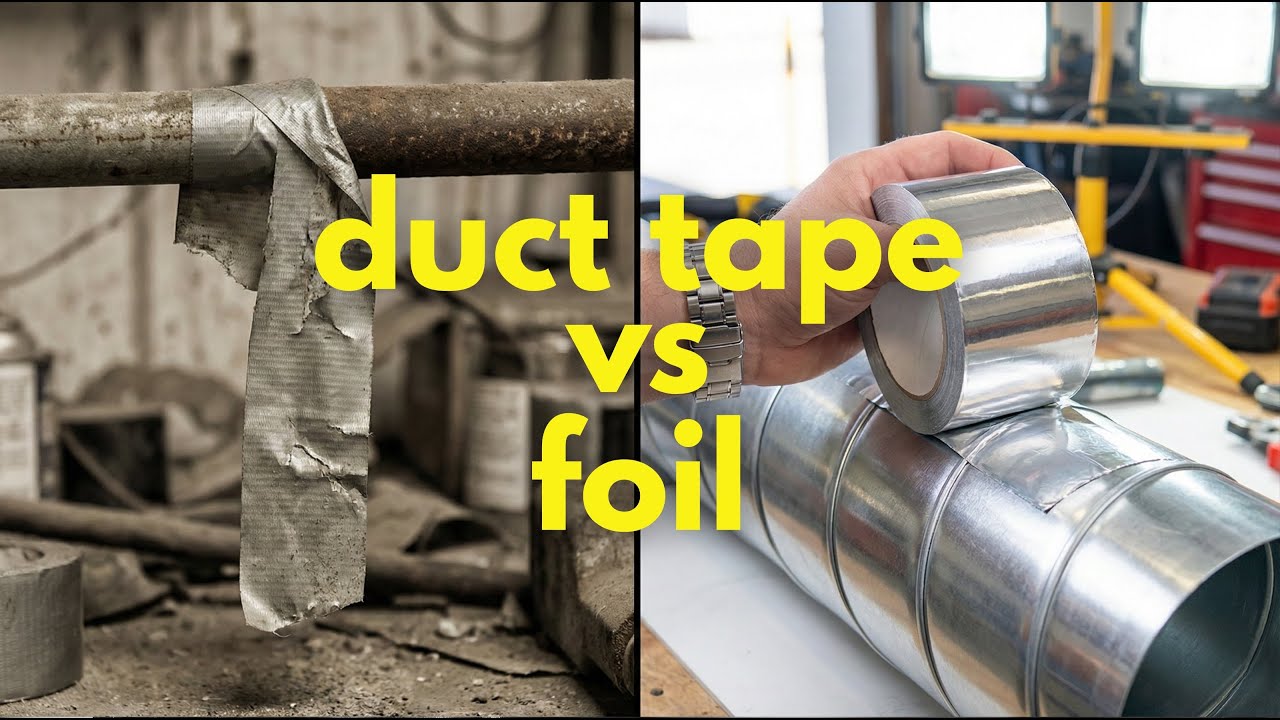
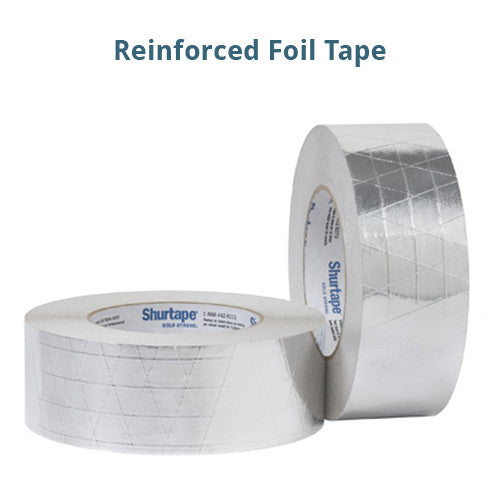
Aluminum tape has a thin layer of aluminum foil on the surface. This layer reflects heat and light very well. Under the foil, there is a sticky adhesive layer. This glue sticks strongly to surfaces like metal, plastic, and wood. The backing of aluminum tape is often reinforced with a layer of polyester. This makes the tape tear-resistant and durable. The tape is also coated to resist moisture and chemicals.
Duct Tape Components
Duct tape has a fabric or cloth backing that gives it strength and flexibility. This fabric is coated with a polyethylene layer to make it water-resistant. The adhesive on duct tape is usually rubber-based. It sticks to many surfaces, including rough and uneven ones. The rubber glue makes duct tape easy to tear by hand. Its construction allows duct tape to stretch and bend without breaking.
Credit: www.youtube.com
Adhesion And Strength
Adhesion and strength are key factors when choosing between aluminum tape and duct tape. These qualities decide how well the tape sticks and how much weight it can hold. Both tapes serve different purposes based on these traits. Understanding their bonding power and durability helps pick the right one for your task.
Bonding Capabilities
Aluminum tape uses a strong adhesive made for smooth surfaces like metal and glass. It creates a tight, lasting bond that resists heat and moisture. This tape sticks well to clean, dry surfaces and keeps its grip over time.
Duct tape has a thick, rubber-based adhesive. It sticks quickly to many surfaces, including rough and dirty ones. Its grip is strong but can weaken with prolonged exposure to water or heat.
Durability Under Stress
Aluminum tape holds up well under heat, cold, and moisture. It keeps its shape and does not tear easily. This makes it ideal for outdoor and industrial uses.
Duct tape is flexible and can stretch without breaking. It handles tension and bending but may lose strength in wet conditions. It is best for quick fixes and temporary repairs.
Heat And Moisture Resistance
Heat and moisture resistance are key factors when choosing tape for tough jobs. Both aluminum tape and duct tape offer protection, but they behave differently under heat and moisture. Understanding these differences helps pick the right tape for your project.
Performance In High Temperatures
Aluminum tape handles high heat well. It can resist temperatures up to 300°F or more. This makes it ideal for sealing ducts and pipes that get hot. The metal layer reflects heat, keeping surfaces cooler.
Duct tape, by contrast, breaks down faster at high temperatures. It can soften and lose stickiness above 200°F. This limits its use near heat sources or on hot surfaces.
Waterproofing Features
Aluminum tape has excellent waterproofing properties. Its metal surface blocks water and moisture from reaching the adhesive. This keeps the tape strong even in damp or wet areas.
Duct tape offers some water resistance but is not fully waterproof. Water can seep under the tape, causing it to peel. It works better for short-term fixes or dry conditions.
Common Uses
Both aluminum tape and duct tape serve important roles in repair and maintenance. Each tape type fits specific tasks due to its material and strength. Understanding their common uses helps pick the right tape for the job.
Aluminum Tape Applications
Aluminum tape works well on metal surfaces. It seals air ducts and HVAC systems to prevent leaks. This tape handles heat and moisture better than most tapes. It also repairs metal roofs and gutters. Its shiny surface reflects heat, aiding insulation. Aluminum tape fixes cracks in pipes and vents. It sticks firmly and lasts a long time.
Duct Tape Applications
Duct tape is versatile and strong. It temporarily fixes torn hoses and plastic parts. This tape bundles cables and holds objects together. It repairs torn fabrics and tents during camping. Duct tape seals leaks in water pipes for short times. It is easy to tear by hand and sticks to many surfaces. People use it for arts and crafts too.
Ease Of Use
Ease of use is an important factor when choosing between aluminum tape and duct tape. Both tapes have different properties that affect how easy they are to handle and clean up. Understanding these differences helps pick the right tape for each job.
Handling And Application
Aluminum tape is thin and flexible. It can mold well around corners and uneven surfaces. It sticks quickly and holds firmly. You often need scissors to cut it cleanly.
Duct tape is thicker and stronger. It tears easily by hand, making it quick to use. It sticks well on many surfaces but can wrinkle if not applied carefully. It is easier to apply for rough or large jobs.
Cleanup And Residue
Aluminum tape usually leaves little residue. It peels off cleanly, especially on smooth surfaces. Removing it is less messy.
Duct tape tends to leave sticky residue. It can be hard to remove from some surfaces. Cleaning may require special solvents or scrubbing.
Cost And Availability
Cost and availability play a big role in choosing between aluminum tape and duct tape. Both tapes have different prices and can be found in various places. Knowing where to buy and what to expect in price helps you make a smart choice.
Price Comparison
Aluminum tape usually costs more than duct tape. This is because it uses special materials like metal foil. Duct tape is made with cloth and adhesive, which is cheaper. For small projects, duct tape is often the budget-friendly option. For tasks needing heat resistance, aluminum tape’s higher price might be worth it.
Where To Buy
Both tapes are widely available. Home improvement stores carry them on shelves. Online shops have many brands and sizes. Hardware stores stock duct tape more often. Aluminum tape may be found in stores with HVAC or electrical supplies. Buying online offers variety and easy delivery to your door.
Environmental Impact
Understanding the environmental impact of aluminum tape and duct tape helps make better choices. Both tapes serve different purposes but affect the planet in unique ways. This section explores their recyclability and sustainability concerns.
Recyclability
Aluminum tape has a metal base, which is recyclable. Many recycling centers accept aluminum materials. Yet, the adhesive layer can make recycling difficult. It may need special processing or removal before recycling.
Duct tape mainly uses plastic and fabric fibers. These materials are harder to recycle. Most recycling centers do not accept duct tape. It often ends up in landfills, where it takes years to break down.
Sustainability Concerns
Aluminum production uses a lot of energy. Mining and processing aluminum impact the environment. Still, aluminum tape lasts longer and resists weather well. This durability can reduce waste over time.
Duct tape is made from synthetic materials. These come from non-renewable resources like petroleum. Its short lifespan means users replace it often. This frequent replacement increases environmental waste.
Choosing The Right Tape
Choosing the right tape is key for a strong and lasting fix. Each type of tape works best for certain jobs. Picking the wrong one can cause the repair to fail. Understand the differences between aluminum tape and duct tape. Use the right tape to save time and effort.
Matching Tape To Repair Needs
Aluminum tape suits hot and cold surfaces well. It handles heat and moisture without losing grip. Perfect for sealing air ducts and pipes. Duct tape works better for general repairs on wood, plastic, or fabric. It sticks to rough and uneven surfaces easily. Match the tape’s strength and resistance to the material you fix.
Expert Tips For Selection
Check the tape’s temperature range before buying. Aluminum tape lasts longer outdoors and in heat. Duct tape offers more stretch and flexibility. Think about water exposure; aluminum tape resists moisture better. Test a small piece first to see how well it sticks. Choose tape that fits the job’s demands for best results.
Credit: engineeringair.com
Frequently Asked Questions
What Is The Main Difference Between Aluminum And Duct Tape?
Aluminum tape has a metal backing, making it heat and weather resistant. Duct tape uses cloth or plastic and is more flexible for general repairs.
Which Tape Is Best For Sealing Air Ducts?
Aluminum tape is ideal for sealing air ducts because it resists heat and sticks well to metal surfaces. Duct tape may peel off over time in these conditions.
Can Duct Tape Be Used Outdoors Like Aluminum Tape?
Duct tape is less durable outdoors and can degrade in sunlight and moisture. Aluminum tape is better for outdoor use due to its strong, weatherproof backing.
Is Aluminum Tape Waterproof Or Water-resistant?
Aluminum tape is water-resistant and blocks moisture effectively. It is often used for sealing HVAC systems where moisture control is important.
Which Tape Offers Better Heat Resistance?
Aluminum tape withstands high temperatures without melting or losing adhesion. Duct tape can melt or lose stickiness when exposed to heat for long.
What Surfaces Work Best With Duct Tape?
Duct tape sticks well to rough or uneven surfaces like fabric and plastic. It is great for quick fixes on various household materials.
Can Aluminum Tape Be Torn By Hand Like Duct Tape?
Aluminum tape is tougher and usually requires scissors or a knife to cut. Duct tape can be torn by hand easily, making it convenient for quick use.
Conclusion
Aluminum tape and duct tape serve different purposes. Aluminum tape resists heat and moisture well. Duct tape sticks strongly to many surfaces. Choose aluminum tape for insulation and sealing. Pick duct tape for quick fixes and binding. Both have strengths that suit various tasks.
Knowing their uses helps you decide better. Use the right tape for better results every time. Simple tools, smart choices.