
Cleaning your furniture requires a simple mix of mild dish soap and warm water, and keeping fake leather chairs clean helps the material stay soft and free from cracks. Most jobs take about 20 to 30 minutes to complete. You’ll need basic household items that are likely already in your kitchen. This process is easy for anyone to manage, but you must have a clean microfiber cloth before you start. Always test your cleaning solution on a hidden spot first to make sure it doesn’t change the color of your chair.
What you need to clean fake leather chairs

| Item | How much | Why it’s needed | A substitute |
|---|---|---|---|
| Mild dish soap | 1 teaspoon | Removes dirt and oils | None — don’t swap this |
| Warm water | 2 cups | Dilutes the soap | None — don’t swap this |
| Microfiber cloth | 2 pieces | Wipes surface safely | Soft cotton rag |
| Dry towel | 1 piece | Absorbs excess moisture | Clean old t-shirt |
| Soft brush | 1 piece | Cleans textured gaps | Soft toothbrush |
Use a fragrance-free dish soap to avoid leaving a film that attracts dust later. One teaspoon in two cups of warm water is the exact ratio you need. Adding more soap doesn’t clean better. It leaves a sticky residue that dulls the finish within days.
Keep one microfiber cloth damp for washing and the second completely dry for buffing. Using the same cloth for both steps just pushes dirty water back into the grain.
If your item has deep crevices, wrap the soft brush in a thin layer of cloth. This prevents stiff bristles from scratching tight corners where bare plastic might catch.
Tap water works fine unless yours is extremely hard. Heavy mineral deposits leave white spots as they dry. Switch to distilled water if you see chalky rings forming on dark surfaces.
Preparation before you begin
Clear a three-foot radius around the chair to ensure your arms move without bumping into nearby furniture. This prevents accidental spills of cleaning agents onto carpets or hardwood floors.
Vacuum the seat and backrest thoroughly using a soft brush attachment. Pay extra attention to the seams, where grit often collects and acts like sandpaper against the fabric once you start scrubbing.
Check the manufacturer’s care tag for specific warnings. If the tag lists a “W,” you can use water-based cleaners. If it displays an “S,” you must use only solvent-based products. Using the wrong type can cause immediate, irreversible water spots or discoloration.
If you choose a commercial cleaner, test it on a hidden underside patch first. Wait ten minutes for it to dry completely. If the fabric changes texture or color, switch to a milder solution. Never use bleach or ammonia, as these agents strip the protective finish and weaken upholstery fibers.
Steps for cleaning synthetic upholstery
-
Mix 1 teaspoon of mild dish soap into 2 cups of warm water in a small bowl. Stir the mixture gently until you see small bubbles form on the surface of the liquid. Don’t use too much soap, or you’ll have a hard time rinsing it off later.
-
Dip one microfiber cloth into the soapy water and wring it out until it’s just damp. The cloth shouldn’t be dripping wet, as excess water can seep into the seams and cause mold or damage the wood underneath the synthetic material.
-
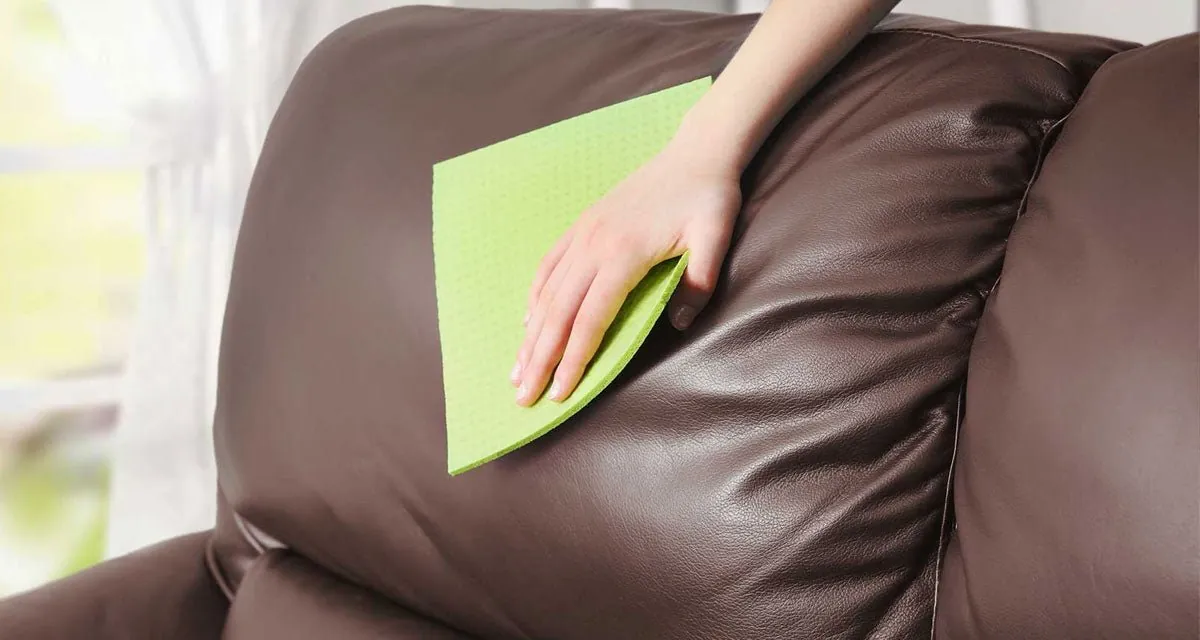
Wipe the entire surface of the chair using long, gentle strokes to lift away surface grime. Start from the top and work your way down so that any drips are wiped up as you go. Pay close attention to the armrests and the seat cushion where oils gather.
-
Use a soft brush to gently scrub any textured areas or deep creases where dirt hides. Keep your movements light to avoid scuffing the surface. If the dirt is stubborn, let the soapy water sit for 30 seconds before you brush, but don’t let it dry completely.
-
Rinse your first cloth in clean water and wring it out until it’s barely damp. Wipe the chair again to remove any soap residue left behind. Soap left on the surface can attract more dust later or cause the material to become sticky over time.
-
Dry the chair immediately using a fresh, dry towel. Buff the surface in small circular motions until the material feels completely dry to the touch. Leaving the chair to air dry can sometimes lead to water spots or streaks on certain types of synthetic finishes.
-
Inspect the chair for any remaining spots or streaks. If you see dirt still trapped in the grain, repeat the cleaning process on those specific areas only. Don’t over-saturate the material during this second round, as keeping the backing dry is essential for long-term durability.
-
Allow the chair to air dry in a well-ventilated room for at least 1 hour before anyone sits on it. This ensures that any moisture deep in the seams has time to evaporate, which prevents odors from developing and keeps the synthetic material from feeling tacky.
Signs of a clean surface
When your work is finished, the surface should look uniform in color and feel smooth to the touch. A clean chair won’t have any sticky residue or dull patches where soap may have dried. If you run your hand over the material, it should feel soft and clean, not slick or waxy.
If the chair still looks dull or you see dark lines in the seams, it likely needs a second, lighter round of cleaning. If the material feels stiff or crunchy after it dries, you may have used too much soap, which requires a final wipe with a cloth dampened only with plain water.
If you notice cracking or peeling, these are signs that the material is aging and can’t be repaired by cleaning alone. Avoid using heavy oils or polishes, as these often create a trap for dust and grime.
Troubleshooting common cleaning issues
| What happened | Why | What to do |
|---|---|---|
| Water spots | Too much water | Wipe with damp cloth |
| Sticky residue | Too much soap | Rinse with fresh water |
| Dull appearance | Soap build-up | Buff with dry cloth |
| Dark creases | Dirt trapped inside | Use soft brush |
| Streaky finish | Uneven drying | Buff while still damp |
If you see white, chalky spots after cleaning, your tap water likely contains heavy minerals. Avoid soaking the surface; instead, mist your cloth lightly and wipe in small, circular motions.
If the surface feels tacky, perform a second pass with a cloth dampened only in distilled water.
Dullness is a sign of soap film. If you can’t restore the shine with a dry microfiber cloth, mix a solution of one part white vinegar to ten parts water to break the bond.
Dark creases indicate that moisture pushed dirt deeper into the grain. Use a soft-bristled toothbrush to lift the debris before the area dries completely. If the surface remains dark, stop immediately to prevent permanent water staining.
Frequency for regular maintenance
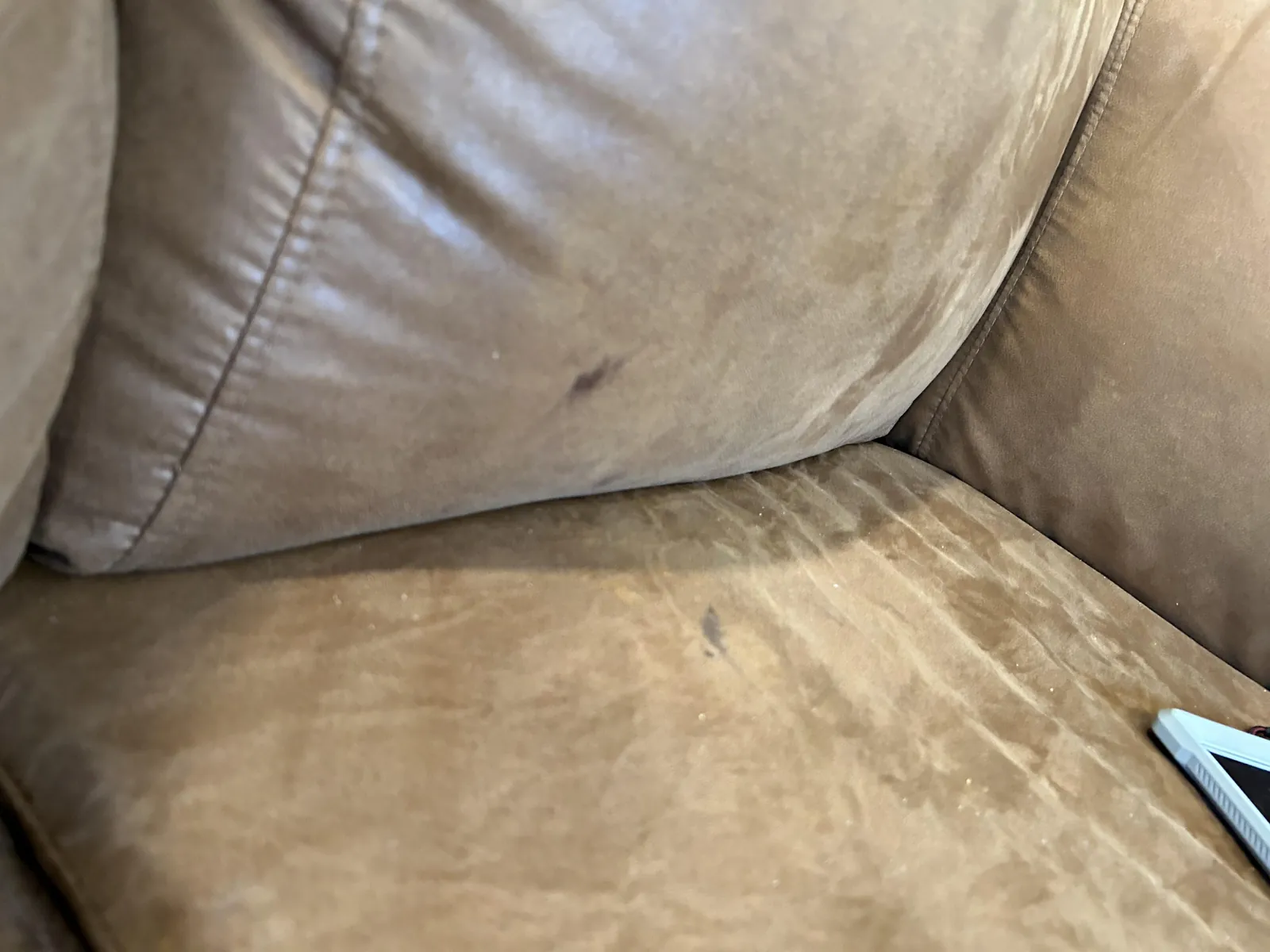
You should clean your chairs once every 3 months to keep them in good condition. This schedule changes based on two main factors: how often the furniture is used and where you keep it. If the chair sits in a high-traffic area like a living room, you might need to wipe it down every month to prevent oils from setting in. Conversely, if the chair is in a guest room that’s rarely used, twice a year is usually enough to remove dust.
Always prioritize cleaning spills immediately, as liquids can stain synthetic materials if left to sit for more than a few minutes. By staying consistent, you prevent dirt from building up in the pores of the material, which makes the deep cleaning process much faster and easier to perform.
Related guides
- How to Tighten Dining Room Chairs: A Step-by-Step Fix
- Best Weather Resistant Patio Chairs for Lasting Comfort and Style in 2026
- 10 Best Patio Chairs for Outdoor Lounging: Expert Picks and Verdict in 2026
Frequently asked questions
Can I use vinegar to clean my fake leather chairs?
Diluted white vinegar is safe for most fake leather, but check the manufacturer’s care label first. Stick to a mixture of mild dish soap and water for the safest results. If you feel you need a stronger cleaner, check the manufacturer’s care label on the underside of the chair to see what substances they officially recommend for that specific material.
How long does it take for the chair to dry?
The chair usually takes about 1 hour to dry completely in a room with normal airflow and humidity levels. You can speed this up by placing a fan near the chair, but avoid using a hair dryer or direct heat. High heat can melt or warp synthetic materials, so air drying is always the safest method for keeping the finish intact.
Is it safe to use baby wipes on fake leather?
You should be careful with baby wipes because many contain alcohol or scents that can cause the material to dry out and crack over time. If you must use them for a quick spot clean, choose a brand that’s labeled as alcohol-free. Always test a small, hidden area of the chair first to ensure the wipes don’t discolor or damage the synthetic finish.
What happens if I get water inside the seams?
If water seeps into the seams, it can cause the internal padding to become damp and potentially lead to mold or mildew growth. Use a dry towel to press firmly into the crevices to absorb as much moisture as possible immediately. Leave the chair in a sunny or well-ventilated spot until you’re certain the interior is completely dry.
Does it matter if the chair is white or dark?
It doesn’t matter what color the chair is, but you must be more careful with white or light-colored furniture to avoid transferring dirt from your cloth back onto the material. Always rinse your cleaning cloth frequently and switch to a clean side often. This prevents you from smearing dirt around rather than lifting it away from the surface of the chair.
Why is my chair peeling after I cleaned it?
Peeling usually indicates that the material has reached the end of its lifespan rather than resulting from your cleaning method. Synthetic materials naturally degrade over time when exposed to sunlight, body oils, and friction. If the material is already peeling, cleaning can’t fix it and scrubbing will likely cause more damage.
Conclusion
Once your furniture is dry, you might want to apply a gentle conditioner to keep the surface supple and smooth. It’s a great way to prevent future wear and tear. Don’t forget to wipe away any spills immediately, as they won’t leave a mark if you’re quick to catch them.